
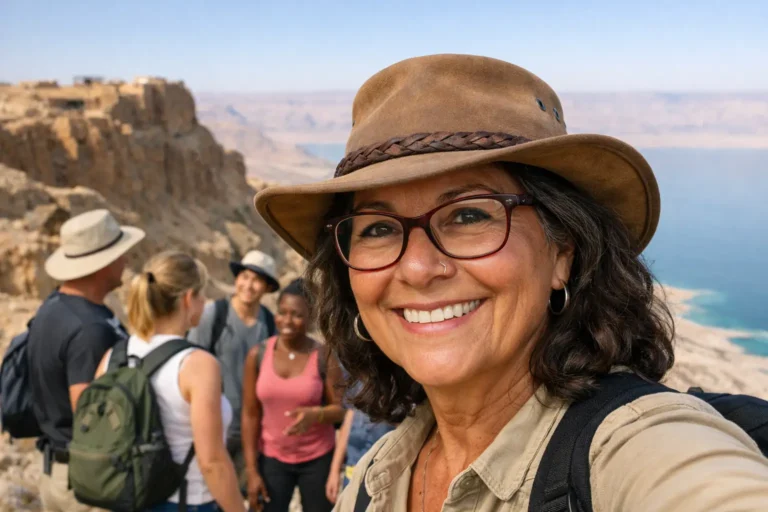
How to Combine Masada Dead Sea in One Day
The biggest mistake people make with this route is treating it like a box to check – sunrise at Masada, quick float at the Dead Sea, done. It can work that way, but if you are asking how to combine Masada Dead Sea well, the real answer is about timing, temperature, pacing, and knowing what kind of day you actually want.
Masada and the Dead Sea sit close enough to pair beautifully, but they offer very different experiences. Masada is dramatic, exposed, and full of historical weight. The Dead Sea is slower, sensory, and physical – light on your feet, heavy on the salt, bright in the desert sun. Put them together thoughtfully and you get one of Israel’s most memorable day trips. Rush it, and it can feel hot, crowded, and oddly tiring.
How to combine Masada Dead Sea without rushing
For most travelers, the best order is Masada first, Dead Sea second. That is not just because it sounds logical. Masada asks more of your energy. You are either hiking or spending focused time at the summit in the sun, and that is best done earlier in the day before the heat builds.
The Dead Sea, by contrast, works well later. After walking through the ruins and taking in the views over the Judean Desert, easing into a float or a spa-style stop feels earned. It also gives the day a natural rhythm – history and movement first, then recovery and stillness.
If you love early starts, a sunrise visit to Masada can be wonderful. The light over the desert is worth it, and the temperatures are far kinder. But sunrise is not mandatory for everyone. Families, business travelers with limited time, and visitors who prefer a more comfortable pace can still have an excellent day with an early morning cable car ascent rather than a predawn hike.
Start with the kind of Masada visit you want
Masada is not one single experience. That matters when planning the rest of the day.
If you want the classic active version, take the Snake Path hike up in the early morning. It is rewarding and scenic, but it does require stamina and comfort with heat. In warmer months, this option is really for travelers who are prepared, hydrated, and happy to begin very early.
If your goal is the story, the archaeology, and the sweeping desert views, the cable car is often the smarter choice. You still experience the site fully, but you save time and energy for the rest of the day. That can make a big difference if you are traveling with older family members, children, or anyone who wants depth without turning the day into a physical challenge.
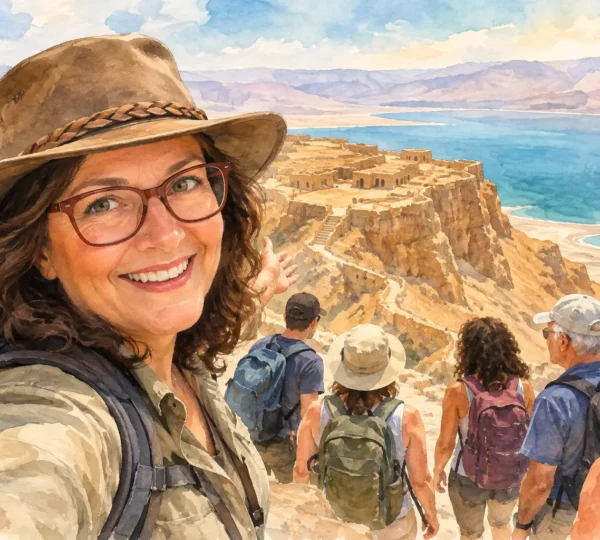
Once on the summit, give Masada enough time. This is not a place to speed through in 20 minutes. The palaces, storehouses, bathhouses, ramp, and synagogue all add layers to the visit. With the right guiding, the site becomes much more than ruins on a cliff. You start to understand why this place continues to stay with people long after the trip ends.
Choose the right Dead Sea experience
When people say they want to visit the Dead Sea, they may mean very different things. Some want the iconic float and mud experience. Others want a comfortable resort setting with showers, shade, and lunch. Some are more interested in the desert landscape than in getting into the water at all.
That is why combining Masada with the Dead Sea works best when the second half of the day is matched to your style.
A beach stop is ideal if you want the classic experience and do not need a long stay. Float, rinse off, relax for a bit, and enjoy the strange pleasure of being in one of the world’s most unusual bodies of water. A spa or hotel day-use option suits travelers who want more comfort, especially after an early Masada start. If you are traveling as a family or celebrating a special occasion, that added ease can turn a good day into a very smooth one.
There are also travelers who prefer to keep the Dead Sea portion shorter and add another nearby layer, such as a scenic desert overlook, a short nature walk, or a quiet stop that most standard itineraries miss. That is often where a personalized day shines.
Timing matters more than distance
On a map, Masada and the Dead Sea seem simple to combine, and in many ways they are. The challenge is not the distance between them. It is the desert environment.
Heat changes everything. In cooler months, you can move more comfortably and keep the day flexible. In late spring, summer, and early fall, the sun becomes the main planning factor. Midday can be intense, especially at exposed sites. That is why an early departure is usually the difference between an enjoyable day and an exhausting one.
You also want to think about your starting point. Coming from Jerusalem is straightforward, and the drive itself adds to the experience as the landscape drops dramatically toward the Dead Sea basin. Coming from Tel Aviv is very doable, but it makes the day longer, so smart pacing becomes even more important.
For travelers with just one free day, especially those adding this trip onto a business visit or a broader family itinerary, a private plan often makes the combination much easier. You spend less time figuring out logistics and more time actually being present at the sites.
What a well-balanced day can look like
A strong one-day route usually begins with an early departure, arrival at Masada before the busiest and hottest hours, and enough time on the summit to appreciate both the site and the desert setting. From there, you continue to the Dead Sea for a late morning or midday break, depending on the season and your pace.
After that, the day can go in different directions. Some people want lunch and a relaxed float with no pressure. Others prefer a more layered desert day with one additional stop. Neither is more correct. It depends on whether you want restoration, activity, or a bit of both.
This is also where customized guiding helps. Some travelers connect deeply with the historical side of Masada. Others are more drawn to geology, landscape, spirituality, family travel ease, or simply making the day feel meaningful rather than hurried. The best itinerary leaves room for that.
Practical details people are glad they knew
Bring more water than you think you need. Desert dryness can sneak up on you, even in cooler weather. Wear a hat, good walking shoes for Masada, and clothing that works for both sun exposure and a possible swim stop.
If you plan to enter the Dead Sea, keep it simple. Do not shave right before. Protect cuts or sensitive skin. Avoid getting water in your eyes. Water shoes can be helpful depending on where you enter. And yes, you really do want a full rinse afterward.
It is also worth knowing that the Dead Sea is not a long swim kind of place. Most people enjoy it in shorter stretches. You float, take in the surreal sensation, maybe try the mineral mud, and then move to shade or a shower. Planning for that rhythm makes the experience more pleasant.
Food matters too. A heavy meal in desert heat is not always ideal between Masada and the Dead Sea. Many travelers do better with a light late breakfast or early lunch and then a more substantial meal afterward.
Is one day enough?
Usually, yes. For most visitors, one day is enough to combine Masada and the Dead Sea well, especially if the itinerary is built around your pace. If you love archaeology, hiking, and desert landscapes, you could easily justify more time in the region. But if your goal is to experience both highlights in a satisfying, unhurried way, one day can absolutely do it.
The trade-off is depth. A one-day trip gives you a strong encounter with both places, but not every possible angle. If you want a deeper desert experience, more hiking, or additional lesser-known stops, then a longer plan may suit you better.
That is often the sweet spot for return visitors to Israel, or for travelers who have already seen the major landmarks and now want something more personal, more textured, and less standard. In those cases, Masada and the Dead Sea can become the anchor points of a broader desert day rather than the whole story.
The best way to combine Masada and the Dead Sea
The best answer to how to combine Masada Dead Sea is not just to put them on the same itinerary. It is to connect them in the right order, at the right pace, and with the right expectations.
Do Masada while your energy is high. Let the Dead Sea be the release afterward. Leave room for weather, comfort, and who you are traveling with. If the day reflects your interests rather than someone else’s checklist, these two famous places feel far more personal.
That is when the desert gives you its best version of the day – not rushed, not performative, just memorable in a way that lingers long after the salt has washed off.

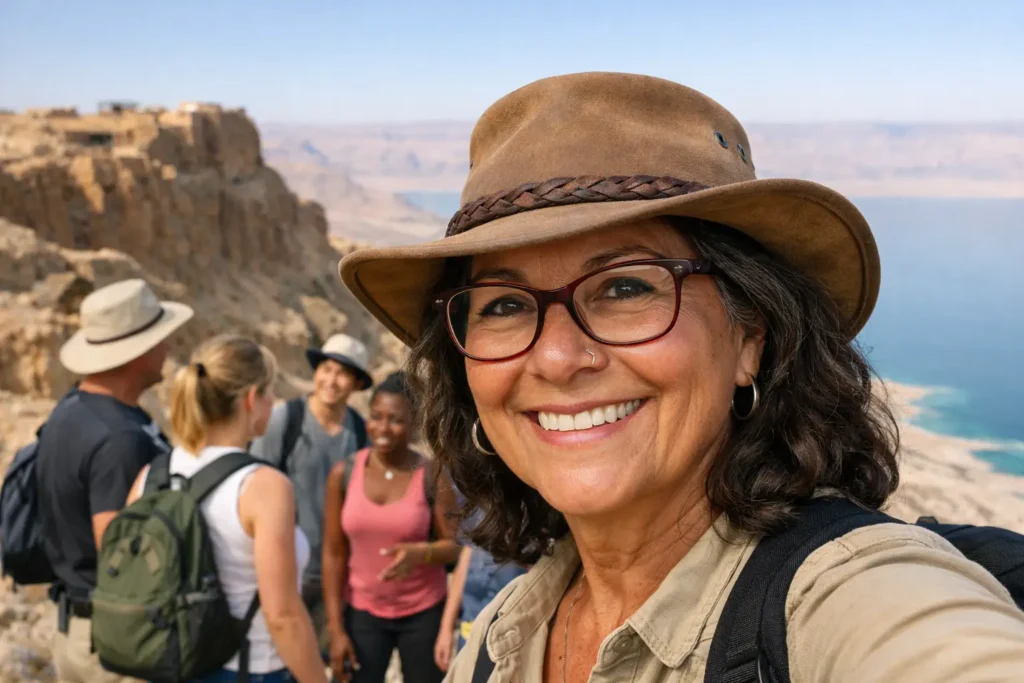
How to Combine Masada Dead Sea in One Day
The biggest mistake people make with this route is treating it like a box to check – sunrise at Masada, quick float at the Dead Sea, done. It can work that way, but if you are asking how to combine Masada Dead Sea well, the real answer is about timing, temperature, pacing, and knowing what kind of day you actually want.
Masada and the Dead Sea sit close enough to pair beautifully, but they offer very different experiences. Masada is dramatic, exposed, and full of historical weight. The Dead Sea is slower, sensory, and physical – light on your feet, heavy on the salt, bright in the desert sun. Put them together thoughtfully and you get one of Israel’s most memorable day trips. Rush it, and it can feel hot, crowded, and oddly tiring.
How to combine Masada Dead Sea without rushing
For most travelers, the best order is Masada first, Dead Sea second. That is not just because it sounds logical. Masada asks more of your energy. You are either hiking or spending focused time at the summit in the sun, and that is best done earlier in the day before the heat builds.
The Dead Sea, by contrast, works well later. After walking through the ruins and taking in the views over the Judean Desert, easing into a float or a spa-style stop feels earned. It also gives the day a natural rhythm – history and movement first, then recovery and stillness.
If you love early starts, a sunrise visit to Masada can be wonderful. The light over the desert is worth it, and the temperatures are far kinder. But sunrise is not mandatory for everyone. Families, business travelers with limited time, and visitors who prefer a more comfortable pace can still have an excellent day with an early morning cable car ascent rather than a predawn hike.
Start with the kind of Masada visit you want
Masada is not one single experience. That matters when planning the rest of the day.
If you want the classic active version, take the Snake Path hike up in the early morning. It is rewarding and scenic, but it does require stamina and comfort with heat. In warmer months, this option is really for travelers who are prepared, hydrated, and happy to begin very early.
If your goal is the story, the archaeology, and the sweeping desert views, the cable car is often the smarter choice. You still experience the site fully, but you save time and energy for the rest of the day. That can make a big difference if you are traveling with older family members, children, or anyone who wants depth without turning the day into a physical challenge.
Once on the summit, give Masada enough time. This is not a place to speed through in 20 minutes. The palaces, storehouses, bathhouses, ramp, and synagogue all add layers to the visit. With the right guiding, the site becomes much more than ruins on a cliff. You start to understand why this place continues to stay with people long after the trip ends.
Choose the right Dead Sea experience
When people say they want to visit the Dead Sea, they may mean very different things. Some want the iconic float and mud experience. Others want a comfortable resort setting with showers, shade, and lunch. Some are more interested in the desert landscape than in getting into the water at all.
That is why combining Masada with the Dead Sea works best when the second half of the day is matched to your style.
A beach stop is ideal if you want the classic experience and do not need a long stay. Float, rinse off, relax for a bit, and enjoy the strange pleasure of being in one of the world’s most unusual bodies of water. A spa or hotel day-use option suits travelers who want more comfort, especially after an early Masada start. If you are traveling as a family or celebrating a special occasion, that added ease can turn a good day into a very smooth one.
There are also travelers who prefer to keep the Dead Sea portion shorter and add another nearby layer, such as a scenic desert overlook, a short nature walk, or a quiet stop that most standard itineraries miss. That is often where a personalized day shines.
Timing matters more than distance
On a map, Masada and the Dead Sea seem simple to combine, and in many ways they are. The challenge is not the distance between them. It is the desert environment.
Heat changes everything. In cooler months, you can move more comfortably and keep the day flexible. In late spring, summer, and early fall, the sun becomes the main planning factor. Midday can be intense, especially at exposed sites. That is why an early departure is usually the difference between an enjoyable day and an exhausting one.
You also want to think about your starting point. Coming from Jerusalem is straightforward, and the drive itself adds to the experience as the landscape drops dramatically toward the Dead Sea basin. Coming from Tel Aviv is very doable, but it makes the day longer, so smart pacing becomes even more important.
For travelers with just one free day, especially those adding this trip onto a business visit or a broader family itinerary, a private plan often makes the combination much easier. You spend less time figuring out logistics and more time actually being present at the sites.
What a well-balanced day can look like
A strong one-day route usually begins with an early departure, arrival at Masada before the busiest and hottest hours, and enough time on the summit to appreciate both the site and the desert setting. From there, you continue to the Dead Sea for a late morning or midday break, depending on the season and your pace.
After that, the day can go in different directions. Some people want lunch and a relaxed float with no pressure. Others prefer a more layered desert day with one additional stop. Neither is more correct. It depends on whether you want restoration, activity, or a bit of both.
This is also where customized guiding helps. Some travelers connect deeply with the historical side of Masada. Others are more drawn to geology, landscape, spirituality, family travel ease, or simply making the day feel meaningful rather than hurried. The best itinerary leaves room for that.
Practical details people are glad they knew
Bring more water than you think you need. Desert dryness can sneak up on you, even in cooler weather. Wear a hat, good walking shoes for Masada, and clothing that works for both sun exposure and a possible swim stop.
If you plan to enter the Dead Sea, keep it simple. Do not shave right before. Protect cuts or sensitive skin. Avoid getting water in your eyes. Water shoes can be helpful depending on where you enter. And yes, you really do want a full rinse afterward.
It is also worth knowing that the Dead Sea is not a long swim kind of place. Most people enjoy it in shorter stretches. You float, take in the surreal sensation, maybe try the mineral mud, and then move to shade or a shower. Planning for that rhythm makes the experience more pleasant.
Food matters too. A heavy meal in desert heat is not always ideal between Masada and the Dead Sea. Many travelers do better with a light late breakfast or early lunch and then a more substantial meal afterward.
Is one day enough?
Usually, yes. For most visitors, one day is enough to combine Masada and the Dead Sea well, especially if the itinerary is built around your pace. If you love archaeology, hiking, and desert landscapes, you could easily justify more time in the region. But if your goal is to experience both highlights in a satisfying, unhurried way, one day can absolutely do it.
The trade-off is depth. A one-day trip gives you a strong encounter with both places, but not every possible angle. If you want a deeper desert experience, more hiking, or additional lesser-known stops, then a longer plan may suit you better.
That is often the sweet spot for return visitors to Israel, or for travelers who have already seen the major landmarks and now want something more personal, more textured, and less standard. In those cases, Masada and the Dead Sea can become the anchor points of a broader desert day rather than the whole story.
The best way to combine Masada and the Dead Sea
The best answer to how to combine Masada Dead Sea is not just to put them on the same itinerary. It is to connect them in the right order, at the right pace, and with the right expectations.
Do Masada while your energy is high. Let the Dead Sea be the release afterward. Leave room for weather, comfort, and who you are traveling with. If the day reflects your interests rather than someone else’s checklist, these two famous places feel far more personal.
That is when the desert gives you its best version of the day – not rushed, not performative, just memorable in a way that lingers long after the salt has washed off.

Get the latest blog updates in your inbox.