
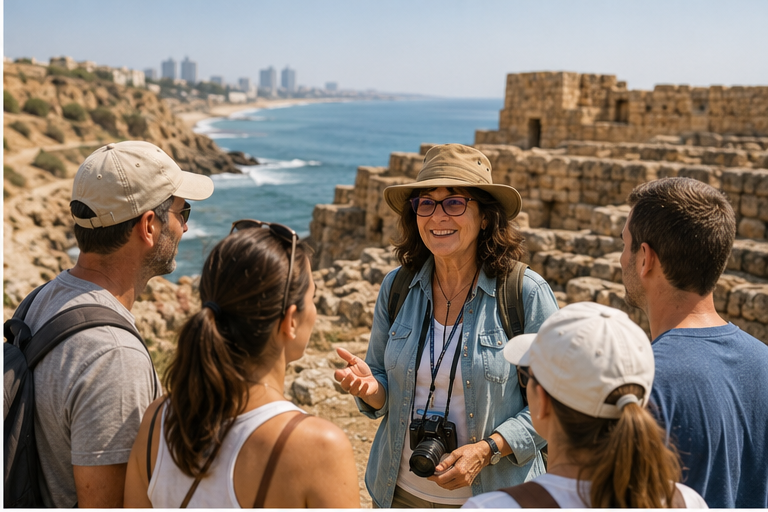
Israel Seasonal Travel Guide by Month
A spring morning in the Judean Desert can feel perfect by 8:00 a.m. and sharply hot before lunch. A winter afternoon in Jerusalem might call for a light jacket, while Eilat is still sunny enough for a swim. That is exactly why an Israel seasonal travel guide matters so much here – this is a small country with big regional differences, and the right timing can completely change your trip.
If you are deciding when to come, the best answer is not one single month. It depends on what kind of Israel you want to experience. Some travelers want wildflower hikes and green hills. Others want long beach days, desert landscapes, or quieter access to sacred and historic places. Many want a mix – a few classics, a few hidden corners, and enough flexibility to follow what feels meaningful rather than ticking boxes.
How to Use This Israel Seasonal Travel Guide
Think less in terms of peak versus off-season and more in terms of fit. Israel rewards travelers who match the season to their interests. A family with school-age kids may prefer summer despite the heat because the energy is high and the coast is lively. A couple interested in archaeology, history, and walking old cities will often enjoy spring or fall more. Returning visitors usually do especially well by traveling seasonally – choosing a time when lesser-known places, local encounters, culinary experiences, or nature-based outings are at their best.
Weather also shifts quickly by region. Jerusalem sits higher and can be cool in winter evenings. Tel Aviv and Jaffa stay milder and more humid. The Galilee and Golan can be green, fresh, and ideal for hiking in the right months. The Dead Sea and Masada are almost always warmer than the center of the country. The Negev has its own rhythm altogether, especially if you are considering desert driving, hiking, stargazing, or a 4×4 day.
Spring in Israel – March to May
For many travelers, spring is the sweet spot. The landscapes are still green from winter rains, flowers may still be blooming, and temperatures are usually comfortable for full sightseeing days. This is one of the best times for travelers who want variety – Jerusalem in the morning, a coastal site in the afternoon, and perhaps a scenic drive north or south without fighting extreme heat.
Spring works beautifully for classic first-time itineraries. Jerusalem, Caesarea, Jaffa, Tel Aviv, Masada, and the Dead Sea all tend to feel manageable, especially when days are planned with early starts and sensible pacing. It is also an excellent season for hiking, food experiences, and outdoor historical sites, because you can stay outside longer without getting drained.
There are trade-offs. Spring can be busy, especially around major travel periods and school breaks. Pricing and availability may tighten. If your goal is a quieter, more intimate experience, it helps to build in places beyond the standard route – a tucked-away village visit, a local workshop, a farm setting, a scenic trail, or a conversation-centered day with people who add depth to the places you are already seeing.
Late spring starts to warm up quickly, particularly in low-elevation desert areas. Masada and the Dead Sea are still very doable, but they are better earlier in the day. That one timing choice can make the difference between invigorating and exhausting.
Summer – June to August
Summer is bright, energetic, and straightforward in some ways. If you want beach time, long daylight hours, lively city evenings, and a vacation atmosphere, this can be a very enjoyable season. Tel Aviv and Jaffa are vibrant, the Mediterranean is inviting, and families often like the predictability of stable weather.
This is also a season when shorter, smarter touring matters more than ambitious all-day outdoor itineraries. Jerusalem can still work well in summer because mornings and evenings are often pleasant, but desert touring requires real care. Masada, the Dead Sea, and Negev experiences are best done very early, with plenty of water, shade planning, and realistic expectations.
Summer is often underrated for travelers who have already seen the major sites. If you have done the standard highlights before, the season can be ideal for more specialized experiences – culinary touring, evening city walks, local encounters, workshops, water-based activities, or a carefully designed north-and-coast itinerary. You do not always need to chase every famous landmark again. Sometimes summer is better when it is personal and paced well.
For active travelers, the north is often the better summer choice. Higher elevations and greener regions can offer more comfortable conditions than the desert. It still gets warm, of course, but the experience is different from peak heat in the south.
Fall – September to November
Fall is one of the most balanced times to visit. The intense summer heat begins to soften, the sea is often still warm, and travel days become easier to shape around mixed interests. If you want culture, history, city time, some outdoor activity, and perhaps a desert night or two, fall gives you room to combine them.
September can still feel quite summery, especially in lower and southern areas, so it is not yet a cool-weather season. By October and November, conditions often become more comfortable for walking tours, archaeological sites, and long scenic drives. This is a particularly strong season for travelers who want to move between very different parts of the country without feeling that one area is weather-perfect and another is hard work.
Fall is also a strong choice for second or third visits. Once you are no longer trying to fit in every headline site, you can build a more textured trip – part heritage journey, part food and wine, part hiking, part conversations and encounters that help Israel feel more human and layered. In that kind of itinerary, fall performs especially well.
Crowds can fluctuate around holiday periods, so planning matters. But outside the busiest dates, fall often feels pleasantly alive without being overwhelming.
Winter – December to February
Winter surprises people, often in a good way. No, it is not beach weather everywhere every day, and yes, Jerusalem can be chilly. But winter can be one of the most rewarding seasons for travelers who care more about atmosphere, depth, and comfort at indoor-outdoor sites than about guaranteed sun.
This is a strong season for urban history, religious heritage, museums, markets, food experiences, and lower-crowd touring. Jerusalem in winter has a particular mood – crisp air, dramatic skies, and a sense of space that can be hard to find in busier months. Tel Aviv and Jaffa remain appealing as well, especially for travelers who enjoy culture, architecture, and dining.
The north can be beautiful and lush in winter, though weather can be changeable. Rain may affect hiking plans, and flexibility becomes an asset. On the other hand, the desert often shines in winter. Places that are punishing in midsummer can feel wonderful now. The Dead Sea region and Negev can be especially appealing, as long as you plan around shorter daylight hours and occasional weather shifts.
Winter is also the season that proves the value of a customized trip. If one region is rainy, another may still be ideal. If a hiking day needs to become a culinary day or a historical deep-dive, that pivot can create a better experience, not a lesser one.
Best Season by Travel Style
If your priority is classic first-time sightseeing, spring and fall usually offer the easiest all-around conditions. If you are combining sacred sites, archaeology, and city touring, those same shoulder seasons tend to feel the most comfortable.
If you want beaches, nightlife, family energy, and a vacation rhythm, summer is the natural fit – but it benefits from careful route planning. If you are drawn to the desert, winter and early spring are often far better than high summer. If hiking matters most, spring is usually the winner, with fall close behind depending on the route.
For travelers seeking a more meaningful or customized journey, the best season may come down to your theme rather than the weather alone. Culinary travel, local encounters, artisan workshops, scenic drives, archaeology, desert adventure, faith-based touring, and business travelers looking for a short but memorable experience can all be shaped successfully in different seasons. The key is building the trip around how you want to feel, not just what you want to see.
A Few Timing Mistakes to Avoid
The most common mistake is assuming Israel has one climate. It does not. Packing and planning for Jerusalem, Tel Aviv, and the Dead Sea as if they were interchangeable can make a trip harder than it needs to be.
Another mistake is overloading summer days or underestimating winter variation. In hot months, earlier starts and lighter afternoons are often the smarter choice. In cooler months, flexibility matters more than rigid scheduling.
And finally, do not assume the best trip is the one with the most stops. Sometimes the right seasonal choice gives you permission to go deeper – spending longer in fewer places, adding one unexpected encounter, or choosing a route that feels like your version of Israel rather than someone else’s template.
At Patchwork Israel, that is often where the most memorable days begin: not with a checklist, but with the right season, the right pace, and a trip that feels genuinely your own.

Israel Seasonal Travel Guide by Month
A spring morning in the Judean Desert can feel perfect by 8:00 a.m. and sharply hot before lunch. A winter afternoon in Jerusalem might call for a light jacket, while Eilat is still sunny enough for a swim. That is exactly why an Israel seasonal travel guide matters so much here – this is a small country with big regional differences, and the right timing can completely change your trip.
If you are deciding when to come, the best answer is not one single month. It depends on what kind of Israel you want to experience. Some travelers want wildflower hikes and green hills. Others want long beach days, desert landscapes, or quieter access to sacred and historic places. Many want a mix – a few classics, a few hidden corners, and enough flexibility to follow what feels meaningful rather than ticking boxes.
How to Use This Israel Seasonal Travel Guide
Think less in terms of peak versus off-season and more in terms of fit. Israel rewards travelers who match the season to their interests. A family with school-age kids may prefer summer despite the heat because the energy is high and the coast is lively. A couple interested in archaeology, history, and walking old cities will often enjoy spring or fall more. Returning visitors usually do especially well by traveling seasonally – choosing a time when lesser-known places, local encounters, culinary experiences, or nature-based outings are at their best.
Weather also shifts quickly by region. Jerusalem sits higher and can be cool in winter evenings. Tel Aviv and Jaffa stay milder and more humid. The Galilee and Golan can be green, fresh, and ideal for hiking in the right months. The Dead Sea and Masada are almost always warmer than the center of the country. The Negev has its own rhythm altogether, especially if you are considering desert driving, hiking, stargazing, or a 4×4 day.
Spring in Israel – March to May
For many travelers, spring is the sweet spot. The landscapes are still green from winter rains, flowers may still be blooming, and temperatures are usually comfortable for full sightseeing days. This is one of the best times for travelers who want variety – Jerusalem in the morning, a coastal site in the afternoon, and perhaps a scenic drive north or south without fighting extreme heat.
Spring works beautifully for classic first-time itineraries. Jerusalem, Caesarea, Jaffa, Tel Aviv, Masada, and the Dead Sea all tend to feel manageable, especially when days are planned with early starts and sensible pacing. It is also an excellent season for hiking, food experiences, and outdoor historical sites, because you can stay outside longer without getting drained.
There are trade-offs. Spring can be busy, especially around major travel periods and school breaks. Pricing and availability may tighten. If your goal is a quieter, more intimate experience, it helps to build in places beyond the standard route – a tucked-away village visit, a local workshop, a farm setting, a scenic trail, or a conversation-centered day with people who add depth to the places you are already seeing.
Late spring starts to warm up quickly, particularly in low-elevation desert areas. Masada and the Dead Sea are still very doable, but they are better earlier in the day. That one timing choice can make the difference between invigorating and exhausting.
Summer – June to August
Summer is bright, energetic, and straightforward in some ways. If you want beach time, long daylight hours, lively city evenings, and a vacation atmosphere, this can be a very enjoyable season. Tel Aviv and Jaffa are vibrant, the Mediterranean is inviting, and families often like the predictability of stable weather.
This is also a season when shorter, smarter touring matters more than ambitious all-day outdoor itineraries. Jerusalem can still work well in summer because mornings and evenings are often pleasant, but desert touring requires real care. Masada, the Dead Sea, and Negev experiences are best done very early, with plenty of water, shade planning, and realistic expectations.
Summer is often underrated for travelers who have already seen the major sites. If you have done the standard highlights before, the season can be ideal for more specialized experiences – culinary touring, evening city walks, local encounters, workshops, water-based activities, or a carefully designed north-and-coast itinerary. You do not always need to chase every famous landmark again. Sometimes summer is better when it is personal and paced well.
For active travelers, the north is often the better summer choice. Higher elevations and greener regions can offer more comfortable conditions than the desert. It still gets warm, of course, but the experience is different from peak heat in the south.
Fall – September to November
Fall is one of the most balanced times to visit. The intense summer heat begins to soften, the sea is often still warm, and travel days become easier to shape around mixed interests. If you want culture, history, city time, some outdoor activity, and perhaps a desert night or two, fall gives you room to combine them.
September can still feel quite summery, especially in lower and southern areas, so it is not yet a cool-weather season. By October and November, conditions often become more comfortable for walking tours, archaeological sites, and long scenic drives. This is a particularly strong season for travelers who want to move between very different parts of the country without feeling that one area is weather-perfect and another is hard work.
Fall is also a strong choice for second or third visits. Once you are no longer trying to fit in every headline site, you can build a more textured trip – part heritage journey, part food and wine, part hiking, part conversations and encounters that help Israel feel more human and layered. In that kind of itinerary, fall performs especially well.
Crowds can fluctuate around holiday periods, so planning matters. But outside the busiest dates, fall often feels pleasantly alive without being overwhelming.
Winter – December to February
Winter surprises people, often in a good way. No, it is not beach weather everywhere every day, and yes, Jerusalem can be chilly. But winter can be one of the most rewarding seasons for travelers who care more about atmosphere, depth, and comfort at indoor-outdoor sites than about guaranteed sun.
This is a strong season for urban history, religious heritage, museums, markets, food experiences, and lower-crowd touring. Jerusalem in winter has a particular mood – crisp air, dramatic skies, and a sense of space that can be hard to find in busier months. Tel Aviv and Jaffa remain appealing as well, especially for travelers who enjoy culture, architecture, and dining.
The north can be beautiful and lush in winter, though weather can be changeable. Rain may affect hiking plans, and flexibility becomes an asset. On the other hand, the desert often shines in winter. Places that are punishing in midsummer can feel wonderful now. The Dead Sea region and Negev can be especially appealing, as long as you plan around shorter daylight hours and occasional weather shifts.
Winter is also the season that proves the value of a customized trip. If one region is rainy, another may still be ideal. If a hiking day needs to become a culinary day or a historical deep-dive, that pivot can create a better experience, not a lesser one.
Best Season by Travel Style
If your priority is classic first-time sightseeing, spring and fall usually offer the easiest all-around conditions. If you are combining sacred sites, archaeology, and city touring, those same shoulder seasons tend to feel the most comfortable.
If you want beaches, nightlife, family energy, and a vacation rhythm, summer is the natural fit – but it benefits from careful route planning. If you are drawn to the desert, winter and early spring are often far better than high summer. If hiking matters most, spring is usually the winner, with fall close behind depending on the route.
For travelers seeking a more meaningful or customized journey, the best season may come down to your theme rather than the weather alone. Culinary travel, local encounters, artisan workshops, scenic drives, archaeology, desert adventure, faith-based touring, and business travelers looking for a short but memorable experience can all be shaped successfully in different seasons. The key is building the trip around how you want to feel, not just what you want to see.
A Few Timing Mistakes to Avoid
The most common mistake is assuming Israel has one climate. It does not. Packing and planning for Jerusalem, Tel Aviv, and the Dead Sea as if they were interchangeable can make a trip harder than it needs to be.
Another mistake is overloading summer days or underestimating winter variation. In hot months, earlier starts and lighter afternoons are often the smarter choice. In cooler months, flexibility matters more than rigid scheduling.
And finally, do not assume the best trip is the one with the most stops. Sometimes the right seasonal choice gives you permission to go deeper – spending longer in fewer places, adding one unexpected encounter, or choosing a route that feels like your version of Israel rather than someone else’s template.
At Patchwork Israel, that is often where the most memorable days begin: not with a checklist, but with the right season, the right pace, and a trip that feels genuinely your own.

Get the latest blog updates in your inbox.