
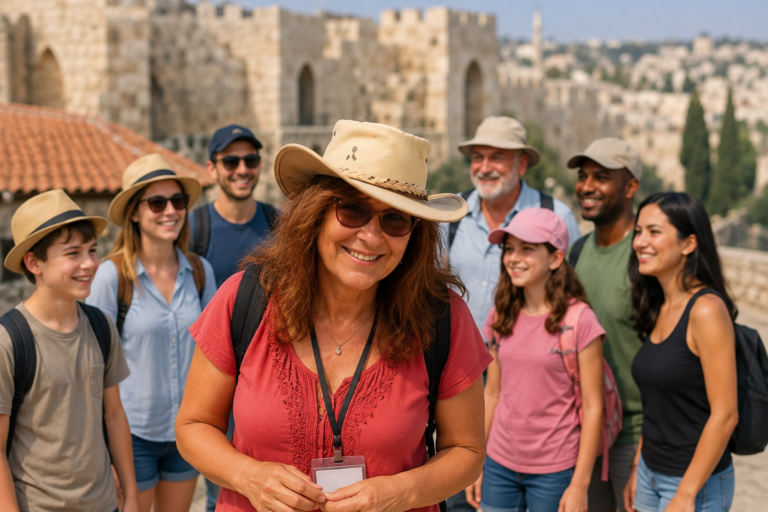
Family Friendly Israel Tours That Fit Real Life
Anyone who has ever dragged a tired child through a museum knows the truth – a family trip works or fails on pacing. That is exactly why family friendly Israel tours need more than a list of famous places. They need rhythm, flexibility, and enough variety to keep grandparents, teenagers, and younger kids interested on the same day.
Israel is especially good for this kind of travel because distances are manageable and the range is unusually wide. In a short trip, a family can walk through ancient streets, float in the Dead Sea, taste fresh market food, explore a desert landscape, and still make room for time to rest. The trick is not seeing everything. The trick is choosing the right combination.
What makes family friendly Israel tours actually family friendly?
A genuinely family-friendly itinerary is not just a standard adult tour with shorter explanations. It is built around attention spans, energy levels, bathroom breaks, snack timing, shade, and the simple fact that children connect through doing, not just listening.
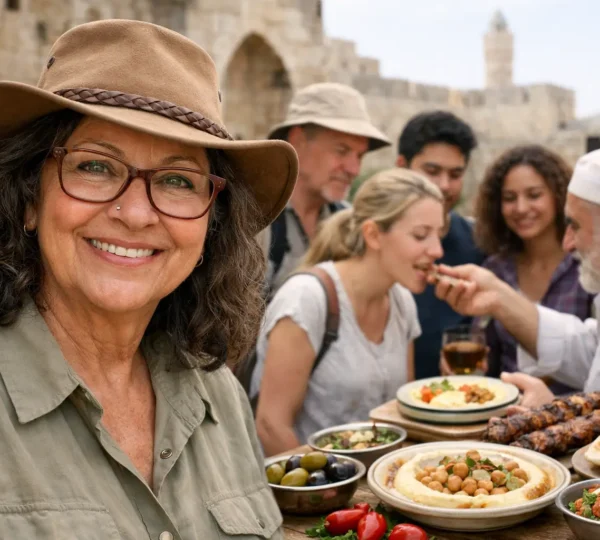
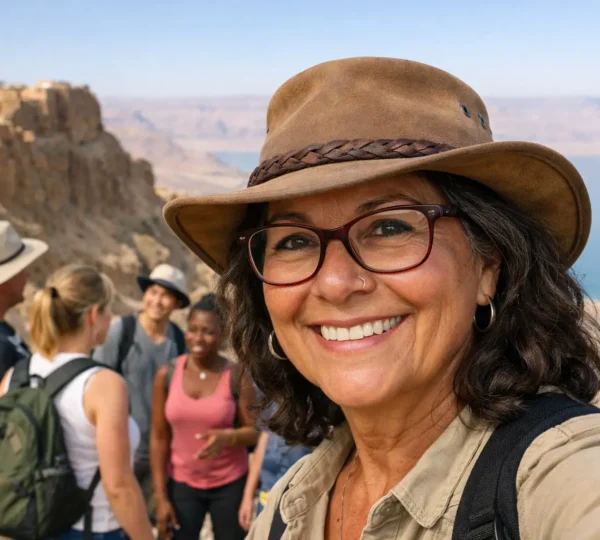
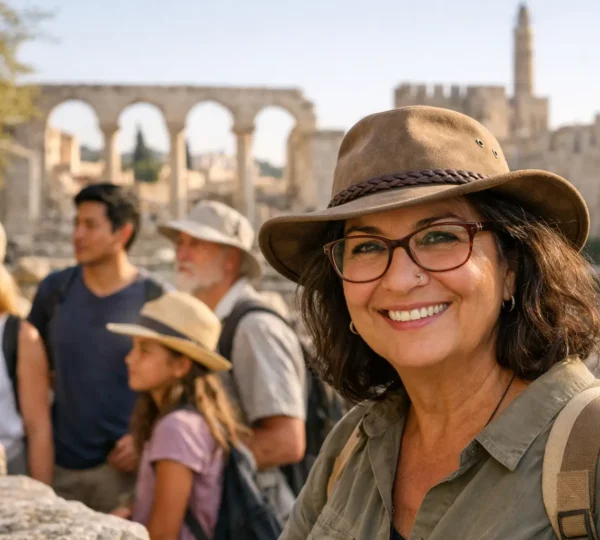
That means a good day in Israel often mixes one meaningful heritage or historical stop with something active or sensory. Jerusalem might include a viewpoint, a manageable walk in the Old City, and a hands-on food stop rather than hours of nonstop site visits. A day near Masada and the Dead Sea works best when it is timed carefully, especially in warmer months, and balanced with easy transitions rather than a packed schedule.
This is where private touring makes a real difference. Families do not all move at the same speed, and they do not all care about the same details. Some want a stronger biblical or heritage focus. Some want archaeology without turning the whole trip into a lecture. Some have children who will remember the jeep ride, the camel, the bakery, or the mosaic workshop long after they forget dates and dynasties. All of that is valid.
The best family trips mix meaning with movement
Parents often feel pressure to make an Israel trip educational. Fair enough – this is a place where history, faith, culture, and identity meet in a very immediate way. But children rarely absorb the deeper meaning when the day is overloaded.
A better approach is to let the trip breathe. If your family wants Jerusalem, Tel Aviv, the Dead Sea, and the Galilee, that can absolutely work. It just should not feel like a race. One family may thrive on a full day that starts early at an archaeological site and ends with sunset in the desert. Another may need slower mornings, shorter walks, and more food-centered experiences. Neither style is better. It depends on the ages of the children, the season, and what kind of memories you want to create.
For families with younger kids, active experiences usually carry the day. Think nature walks, easy hikes, beaches, animal encounters, boat time, or a culinary activity where everyone can participate. For older kids and teens, it often helps to add challenge and choice. A stronger hike, a 4×4 desert route, a market tasting, or a conversation-based encounter can make the day feel personal rather than prescribed.
Family friendly Israel tours should be tailored by age, not just destination
This is the part many tour planners miss. The same destination can feel magical or miserable depending on how it is presented.
Jerusalem is a perfect example. For adults, the emotional and historical layers may be enough on their own. For children, the city comes alive through stories, hidden corners, rooftop views, short tunnels, lively markets, and moments that invite questions. Caesarea can be an ancient port full of imagination rather than just ruins. Jaffa can become a beautiful walking area with texture, art, and sea air instead of a quick photo stop. Tel Aviv can balance urban energy with beach time and food.
The north offers especially good options for families who want variety without constant transfers. You can combine scenic drives, light outdoor activity, good food, and historical sites in a way that feels relaxed. The desert, on the other hand, can be unforgettable for the right family, especially when approached with care. Wide-open landscapes, stargazing, 4×4 tracks, and a sense of space make a powerful contrast to city days, but desert touring needs smart timing, especially with young children.
When classic sites are not enough
Many travelers coming to Israel have already seen the major highlights, or they know they want something more personal than a checklist. Families in that category often do best with a customized itinerary that combines a few anchor sites with more unusual experiences.
That could mean baking with locals, visiting a farm, taking part in a creative workshop, trying foraging, sailing, or choosing a meaningful conversation-based visit connected to the family’s interests. Some families want to understand daily life in Israel through food, music, neighborhoods, innovation, agriculture, or art. Others want a heritage-driven trip that still leaves room for recreation and spontaneity.
This is often where the trip shifts from good to memorable. A child may not talk for years about “touring.” But they may vividly remember making something with their hands, climbing somewhere beautiful, tasting warm bread, or hearing one story from the right person in the right place.
Planning around real family dynamics
The best itineraries respect the fact that family travel is rarely one-size-fits-all. Multi-generational groups are common in Israel travel, and they come with both wonderful opportunities and practical challenges. Grandparents may want depth and comfort. Parents may want smooth logistics. Kids may need action and regular breaks.
That does not mean everyone has to split up. It means the day should be designed with options. Shorter walking routes, good vehicle access, shaded stops, and thoughtful pacing can keep the whole group together without watering the experience down. A licensed guide with deep local knowledge can adjust in real time when a child fades, a market sparks interest, or a group wants to linger somewhere unexpected.
This flexibility matters even more if your family includes travelers with different levels of religious connection or none at all. Israel can hold all of that. A well-crafted day can feel meaningful to someone coming for faith, to someone drawn by history, and to someone who just wants to experience the country through people, landscapes, and food.
How long should a family tour in Israel be?
Long enough for breathing room.
A short trip of four to six days can work well if expectations are realistic. You might focus on Jerusalem, one coastal day, and one nature or desert day. A seven- to ten-day trip opens the door to a more balanced route, with time for both major places and hidden gems. Longer trips are ideal for families who want depth, slower pacing, or repeat visitors who are ready to go beyond the obvious.
There is no prize for cramming the most sites into the fewest days. Families usually enjoy Israel more when each day has one clear center of gravity. That could be Jerusalem. It could be the Dead Sea. It could be a northern landscape day with food and light hiking. Once the day has a shape, everything else falls into place more naturally.
Why guided private tours often work best for families
Israel is rich, compact, and layered, which is exactly why expert guidance helps. Distances can be short, but each region carries so much context that families often get more from a guide who can connect the dots and read the room at the same time.
Private touring also removes a lot of friction. You are not matching the pace of strangers. You are not stuck in a rigid script. You can lean into archaeology, spirituality, culinary experiences, adventure, or hidden corners depending on your family’s style. If one child is suddenly fascinated by mosaics or one grandparent wants more historical context, the day can adapt.
That kind of travel feels less like being processed through a destination and more like being hosted in it. For many families, that is the difference between a trip they survive and one they talk about for years.
For travelers who want that balance of expertise and warmth, Patchwork Israel builds days that feel personal from the start – not just efficient, but thoughtfully shaped around who is coming.
Choosing the right family friendly Israel tours for your trip
Start with your people, not the map. Think about energy, interests, mobility, season, and how much structure your family actually enjoys. Then choose experiences that reflect those realities. Israel offers enough range to make that possible.
Some families want a first trip that covers essential places in a way children can truly enjoy. Others want a return visit that goes deeper into landscapes, communities, food, and lesser-known corners. Both can be excellent. The right itinerary is the one that feels human.
When a family trip is planned well, Israel stops being a place you are trying to “cover.” It becomes a place where each person finds a point of connection – and that is usually what brings people back.

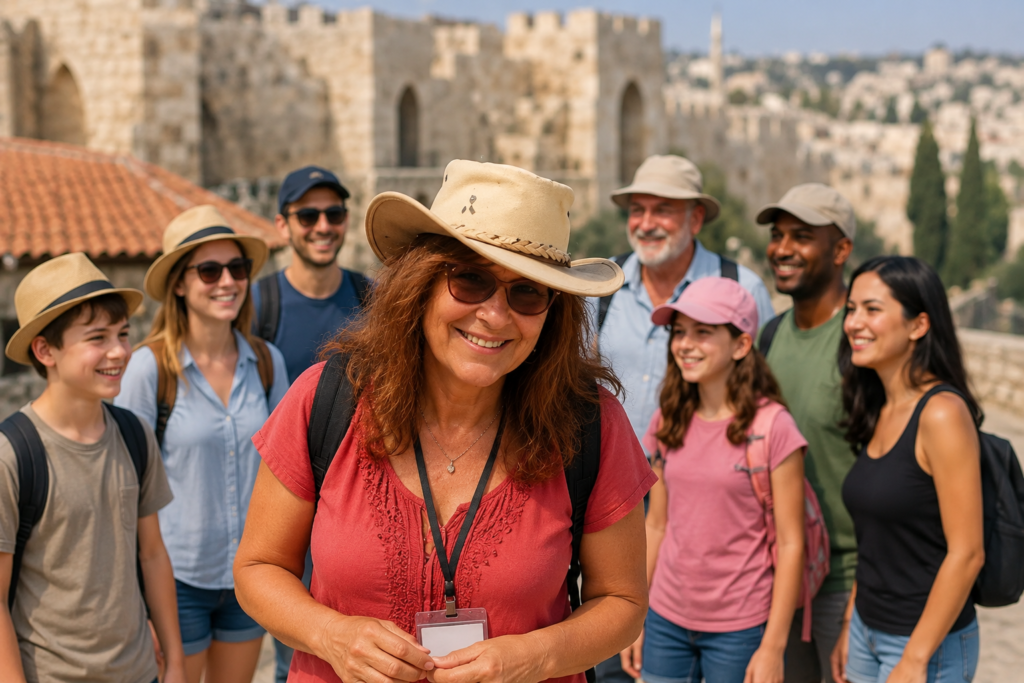
Family Friendly Israel Tours That Fit Real Life
Anyone who has ever dragged a tired child through a museum knows the truth – a family trip works or fails on pacing. That is exactly why family friendly Israel tours need more than a list of famous places. They need rhythm, flexibility, and enough variety to keep grandparents, teenagers, and younger kids interested on the same day.
Israel is especially good for this kind of travel because distances are manageable and the range is unusually wide. In a short trip, a family can walk through ancient streets, float in the Dead Sea, taste fresh market food, explore a desert landscape, and still make room for time to rest. The trick is not seeing everything. The trick is choosing the right combination.
What makes family friendly Israel tours actually family friendly?
A genuinely family-friendly itinerary is not just a standard adult tour with shorter explanations. It is built around attention spans, energy levels, bathroom breaks, snack timing, shade, and the simple fact that children connect through doing, not just listening.
That means a good day in Israel often mixes one meaningful heritage or historical stop with something active or sensory. Jerusalem might include a viewpoint, a manageable walk in the Old City, and a hands-on food stop rather than hours of nonstop site visits. A day near Masada and the Dead Sea works best when it is timed carefully, especially in warmer months, and balanced with easy transitions rather than a packed schedule.
This is where private touring makes a real difference. Families do not all move at the same speed, and they do not all care about the same details. Some want a stronger biblical or heritage focus. Some want archaeology without turning the whole trip into a lecture. Some have children who will remember the jeep ride, the camel, the bakery, or the mosaic workshop long after they forget dates and dynasties. All of that is valid.
The best family trips mix meaning with movement
Parents often feel pressure to make an Israel trip educational. Fair enough – this is a place where history, faith, culture, and identity meet in a very immediate way. But children rarely absorb the deeper meaning when the day is overloaded.
A better approach is to let the trip breathe. If your family wants Jerusalem, Tel Aviv, the Dead Sea, and the Galilee, that can absolutely work. It just should not feel like a race. One family may thrive on a full day that starts early at an archaeological site and ends with sunset in the desert. Another may need slower mornings, shorter walks, and more food-centered experiences. Neither style is better. It depends on the ages of the children, the season, and what kind of memories you want to create.
For families with younger kids, active experiences usually carry the day. Think nature walks, easy hikes, beaches, animal encounters, boat time, or a culinary activity where everyone can participate. For older kids and teens, it often helps to add challenge and choice. A stronger hike, a 4×4 desert route, a market tasting, or a conversation-based encounter can make the day feel personal rather than prescribed.
Family friendly Israel tours should be tailored by age, not just destination
This is the part many tour planners miss. The same destination can feel magical or miserable depending on how it is presented.
Jerusalem is a perfect example. For adults, the emotional and historical layers may be enough on their own. For children, the city comes alive through stories, hidden corners, rooftop views, short tunnels, lively markets, and moments that invite questions. Caesarea can be an ancient port full of imagination rather than just ruins. Jaffa can become a beautiful walking area with texture, art, and sea air instead of a quick photo stop. Tel Aviv can balance urban energy with beach time and food.
The north offers especially good options for families who want variety without constant transfers. You can combine scenic drives, light outdoor activity, good food, and historical sites in a way that feels relaxed. The desert, on the other hand, can be unforgettable for the right family, especially when approached with care. Wide-open landscapes, stargazing, 4×4 tracks, and a sense of space make a powerful contrast to city days, but desert touring needs smart timing, especially with young children.
When classic sites are not enough
Many travelers coming to Israel have already seen the major highlights, or they know they want something more personal than a checklist. Families in that category often do best with a customized itinerary that combines a few anchor sites with more unusual experiences.
That could mean baking with locals, visiting a farm, taking part in a creative workshop, trying foraging, sailing, or choosing a meaningful conversation-based visit connected to the family’s interests. Some families want to understand daily life in Israel through food, music, neighborhoods, innovation, agriculture, or art. Others want a heritage-driven trip that still leaves room for recreation and spontaneity.
This is often where the trip shifts from good to memorable. A child may not talk for years about “touring.” But they may vividly remember making something with their hands, climbing somewhere beautiful, tasting warm bread, or hearing one story from the right person in the right place.
Planning around real family dynamics
The best itineraries respect the fact that family travel is rarely one-size-fits-all. Multi-generational groups are common in Israel travel, and they come with both wonderful opportunities and practical challenges. Grandparents may want depth and comfort. Parents may want smooth logistics. Kids may need action and regular breaks.
That does not mean everyone has to split up. It means the day should be designed with options. Shorter walking routes, good vehicle access, shaded stops, and thoughtful pacing can keep the whole group together without watering the experience down. A licensed guide with deep local knowledge can adjust in real time when a child fades, a market sparks interest, or a group wants to linger somewhere unexpected.
This flexibility matters even more if your family includes travelers with different levels of religious connection or none at all. Israel can hold all of that. A well-crafted day can feel meaningful to someone coming for faith, to someone drawn by history, and to someone who just wants to experience the country through people, landscapes, and food.
How long should a family tour in Israel be?
Long enough for breathing room.
A short trip of four to six days can work well if expectations are realistic. You might focus on Jerusalem, one coastal day, and one nature or desert day. A seven- to ten-day trip opens the door to a more balanced route, with time for both major places and hidden gems. Longer trips are ideal for families who want depth, slower pacing, or repeat visitors who are ready to go beyond the obvious.
There is no prize for cramming the most sites into the fewest days. Families usually enjoy Israel more when each day has one clear center of gravity. That could be Jerusalem. It could be the Dead Sea. It could be a northern landscape day with food and light hiking. Once the day has a shape, everything else falls into place more naturally.
Why guided private tours often work best for families
Israel is rich, compact, and layered, which is exactly why expert guidance helps. Distances can be short, but each region carries so much context that families often get more from a guide who can connect the dots and read the room at the same time.
Private touring also removes a lot of friction. You are not matching the pace of strangers. You are not stuck in a rigid script. You can lean into archaeology, spirituality, culinary experiences, adventure, or hidden corners depending on your family’s style. If one child is suddenly fascinated by mosaics or one grandparent wants more historical context, the day can adapt.
That kind of travel feels less like being processed through a destination and more like being hosted in it. For many families, that is the difference between a trip they survive and one they talk about for years.
For travelers who want that balance of expertise and warmth, Patchwork Israel builds days that feel personal from the start – not just efficient, but thoughtfully shaped around who is coming.
Choosing the right family friendly Israel tours for your trip
Start with your people, not the map. Think about energy, interests, mobility, season, and how much structure your family actually enjoys. Then choose experiences that reflect those realities. Israel offers enough range to make that possible.
Some families want a first trip that covers essential places in a way children can truly enjoy. Others want a return visit that goes deeper into landscapes, communities, food, and lesser-known corners. Both can be excellent. The right itinerary is the one that feels human.
When a family trip is planned well, Israel stops being a place you are trying to “cover.” It becomes a place where each person finds a point of connection – and that is usually what brings people back.
Get the latest blog updates in your inbox.