
How to Visit Israel Deeply and Well
Most Israel trips are packed with names you already know – Jerusalem, Masada, the Dead Sea, Tel Aviv, Jaffa. And yes, they matter. But if you are wondering how to visit Israel deeply, the real shift is not adding more stops. It is changing the way you move through the country so each place has time, context, and a human voice attached to it.
A deep visit does not mean an exhausting one. It means looking past the quick photo and asking better questions. Why does this neighborhood feel different from the next one? Who lives here now? What has changed over centuries, and what still feels startlingly alive? Israel rewards travelers who are curious, flexible, and willing to leave room for surprise.
How to visit Israel deeply starts with slowing down
The biggest mistake many thoughtful travelers make is assuming depth comes from covering more ground. In Israel, the opposite is often true. A half day in one market with the right guide, a long lunch, and a conversation with a local maker can stay with you longer than racing through four major sites before dinner.
Jerusalem is the clearest example. You can check off the Old City in a few hours, but that is not the same as understanding it. A deeper day might include the layers of the Jewish Quarter, quiet corners of the Christian Quarter, time to notice the rhythm of prayer and daily life, and then a very different afternoon in a modern neighborhood where artists, families, and small food businesses shape another side of the city. The point is not to become an expert in a day. The point is to experience complexity instead of flattening it.
The same goes for Tel Aviv and Jaffa. One is often reduced to beaches and nightlife, the other to old stones and pretty alleys. A deeper visit asks how port history, immigration, architecture, cuisine, and creative culture meet in the same urban space. You start to see not one city, but many overlapping stories.
Choose experiences, not just landmarks
Landmarks give structure to a trip. Experiences give it meaning.
If you love history, go beyond standing at an archaeological site and hearing dates. Walk it with someone who can connect the ruins to daily life, trade routes, faith traditions, or military strategy. Caesarea, for instance, becomes far richer when you understand not only who built it, but why this coastal city mattered and how the sea shaped everything around it.
If faith is part of your journey, allow space for reflection instead of rushing from sacred site to sacred site. Whether you are Jewish, Christian, spiritually curious, or simply respectful of the power these places hold for others, depth comes from presence. That may mean arriving early, staying later, or pairing a famous site with a lesser-known one where the atmosphere is quieter and more personal.
If food matters to you, skip the idea that one tasting tour covers it all. Israel’s culinary scene opens doors into migration, memory, agriculture, religion, and regional identity. Baking with a local family, tasting olive oil where it is produced, foraging in season, or sitting with a chef who cooks from inherited traditions can teach you as much as a museum – sometimes more.
Let geography shape your understanding
Israel is small on the map and surprisingly dramatic on the ground. Deep travel here means noticing how quickly the landscape changes and how those changes affect culture, architecture, agriculture, and even mood.
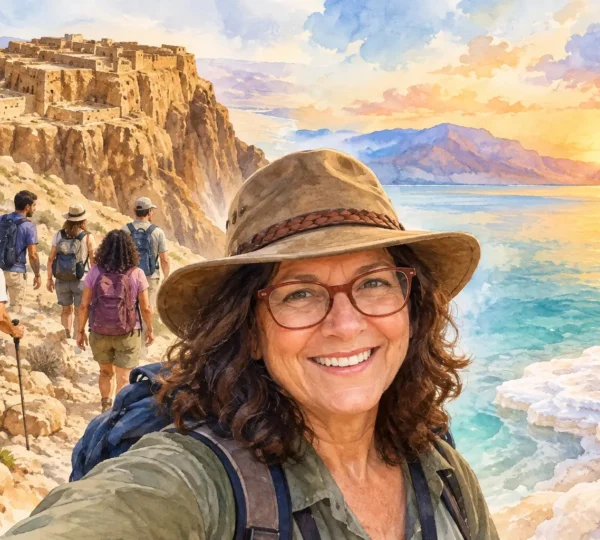
In the Judean Desert, the silence is part of the experience. Masada and the Dead Sea are famous for good reason, but the deeper version of that day might include a less-traveled overlook, a desert hike timed for soft morning light, or a 4×4 route that reveals how harsh and beautiful this terrain really is. In the desert, scale becomes personal. You understand why settlement, movement, and survival have always been central themes here.
Up north, the experience shifts again. Forests, mountain air, wineries, streams, and layered borderland histories create a very different pace. A traveler who has already seen the classic highlights may find that a northern day of hiking, small villages, local food, and panoramic viewpoints reveals just as much about Israel as any major city.
That is one reason repeat visitors often have the most meaningful trips. Once the famous names are no longer the only goal, there is room to notice texture.
The best conversations are often the turning point
If you ask me what makes a trip memorable years later, it is usually not the ticketed site. It is the person you met there, or nearby.
A deep trip to Israel should include real encounters with people whose lives, work, or traditions are rooted in the places you are visiting. That might mean meeting a winemaker, an archaeologist, an artist, a baker, a farmer, a scholar, or someone building a business in the tech world. It might mean a home visit, a workshop, or simply enough time with a guide who can connect you to stories that do not appear on signs.
These encounters need to be handled thoughtfully. Not every traveler wants the same level of discussion, and not every meeting suits every family or group. Some people want intellectual depth. Others want warmth, hands-on activity, and a gentler introduction. That is why customization matters so much. The right experience is not the most dramatic one. It is the one that fits your interests, pace, and questions.
How to visit Israel deeply if you have been before
A second or third trip is often where Israel really opens up.
If you have already stood at the major viewpoints and visited the headline sites, this is the moment to build around themes instead of checklists. You might design a trip around architecture, desert landscapes, women’s stories, biblical geography, culinary traditions, nature, archaeology, or contemporary creativity. You might spend less time entering monuments and more time understanding neighborhoods, landscapes, and communities through a local lens.
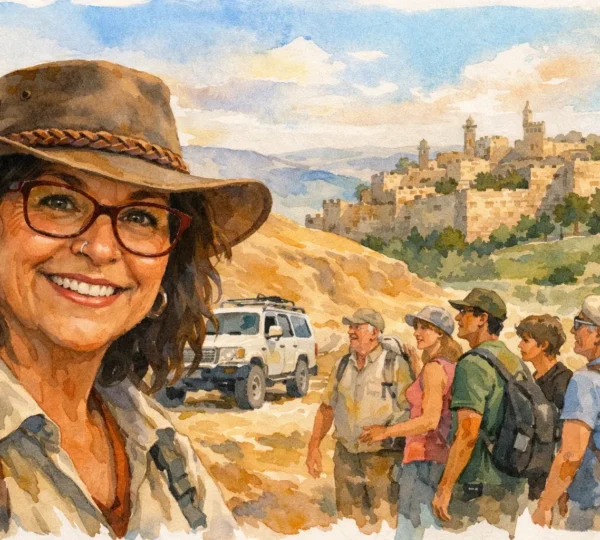
This is also where specialized guiding makes a real difference. A seasoned guide can read your energy, adjust in real time, and suggest places you would never have found on your own. Sometimes the best day is not the one you planned first. It is the one shaped around weather, season, traffic flow, your curiosity, and one perfect stop that was not on the original outline.
For travelers who want something short but meaningful, depth does not require a two-week itinerary. Even one day can be designed well. A business traveler with limited time can still have a focused, memorable experience if the day is built around one city, one region, or one strong theme rather than scattered highlights.
Build in room for activity and rest
Deep travel is not only intellectual. It should also feel alive.
Some travelers connect best through movement. Hiking, desert off-roading, sailing, camel riding, or even a hands-on workshop can turn a trip from passive sightseeing into real engagement. Families often benefit from this mix. So do adults who do not want every meaningful moment to happen while standing still and listening.
At the same time, not every day should be full. Israel can be intense in the best way – emotionally, spiritually, visually, and physically. Leave room for a slow breakfast, a café stop, time by the water, or an unhurried meal. Rest helps you absorb what you are seeing.
This balance is one of the quiet arts of good itinerary design. Too much downtime, and the trip loses momentum. Too much structure, and everything starts to blur. The sweet spot depends on who you are traveling with and what kind of connection you want.
Depth usually comes from guidance
Independent travel has its place, and some travelers enjoy doing their own research. But if your goal is truly to visit Israel deeply, guidance changes everything.
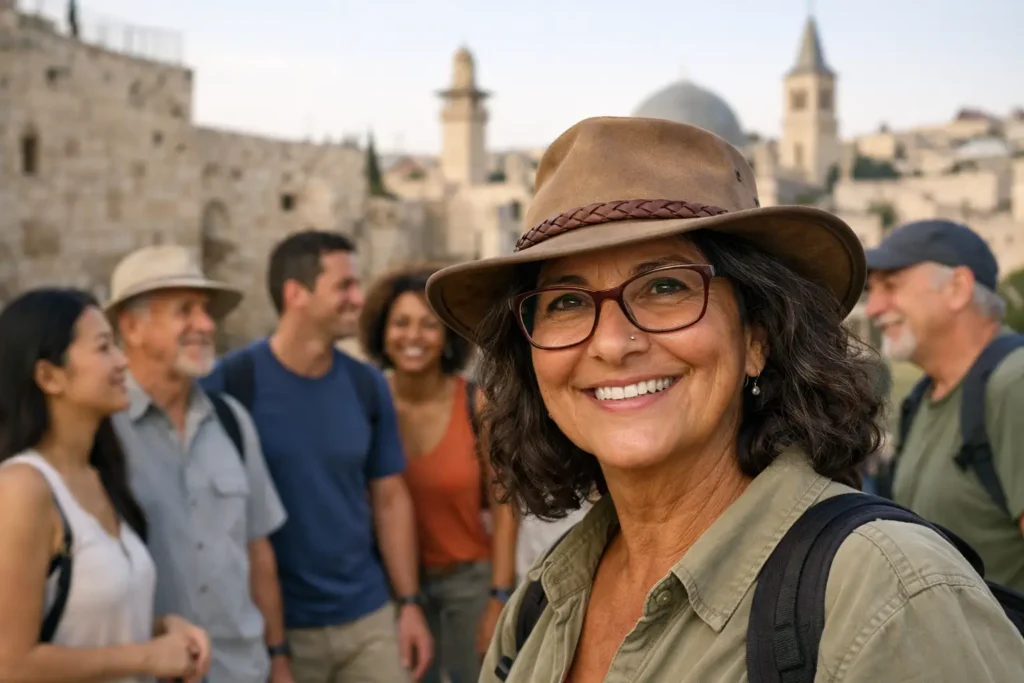
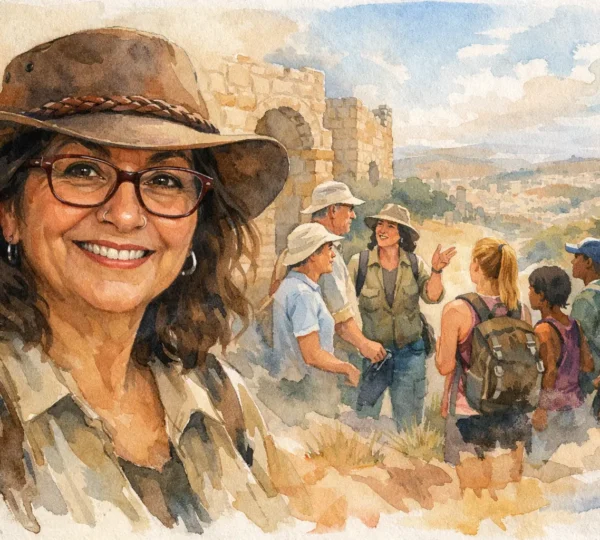
A licensed guide with decades of on-the-ground experience does more than explain sites. She helps you understand what to pay attention to, what can be skipped, where timing matters, and how to connect famous places with hidden ones. She can make a busy day feel calm and a complicated country feel welcoming. That is especially valuable in Israel, where layers of history and daily life sit close together and can be easy to miss without context.
At Patchwork Israel, that kind of guiding is the whole idea – shaping travel around the person, not forcing the person into a standard route. For some, that means sacred places approached with care. For others, it means food, desert roads, archaeology, hiking, or conversations that bring the country into focus.
If you want to visit Israel deeply, start with one simple question: what kind of connection are you hoping to feel here? Plan from that answer, and the trip becomes more than a tour. It becomes something you carry home with you.

How to Visit Israel Deeply and Well
Most Israel trips are packed with names you already know – Jerusalem, Masada, the Dead Sea, Tel Aviv, Jaffa. And yes, they matter. But if you are wondering how to visit Israel deeply, the real shift is not adding more stops. It is changing the way you move through the country so each place has time, context, and a human voice attached to it.
A deep visit does not mean an exhausting one. It means looking past the quick photo and asking better questions. Why does this neighborhood feel different from the next one? Who lives here now? What has changed over centuries, and what still feels startlingly alive? Israel rewards travelers who are curious, flexible, and willing to leave room for surprise.
How to visit Israel deeply starts with slowing down
The biggest mistake many thoughtful travelers make is assuming depth comes from covering more ground. In Israel, the opposite is often true. A half day in one market with the right guide, a long lunch, and a conversation with a local maker can stay with you longer than racing through four major sites before dinner.
Jerusalem is the clearest example. You can check off the Old City in a few hours, but that is not the same as understanding it. A deeper day might include the layers of the Jewish Quarter, quiet corners of the Christian Quarter, time to notice the rhythm of prayer and daily life, and then a very different afternoon in a modern neighborhood where artists, families, and small food businesses shape another side of the city. The point is not to become an expert in a day. The point is to experience complexity instead of flattening it.
The same goes for Tel Aviv and Jaffa. One is often reduced to beaches and nightlife, the other to old stones and pretty alleys. A deeper visit asks how port history, immigration, architecture, cuisine, and creative culture meet in the same urban space. You start to see not one city, but many overlapping stories.
Choose experiences, not just landmarks
Landmarks give structure to a trip. Experiences give it meaning.
If you love history, go beyond standing at an archaeological site and hearing dates. Walk it with someone who can connect the ruins to daily life, trade routes, faith traditions, or military strategy. Caesarea, for instance, becomes far richer when you understand not only who built it, but why this coastal city mattered and how the sea shaped everything around it.
If faith is part of your journey, allow space for reflection instead of rushing from sacred site to sacred site. Whether you are Jewish, Christian, spiritually curious, or simply respectful of the power these places hold for others, depth comes from presence. That may mean arriving early, staying later, or pairing a famous site with a lesser-known one where the atmosphere is quieter and more personal.
If food matters to you, skip the idea that one tasting tour covers it all. Israel’s culinary scene opens doors into migration, memory, agriculture, religion, and regional identity. Baking with a local family, tasting olive oil where it is produced, foraging in season, or sitting with a chef who cooks from inherited traditions can teach you as much as a museum – sometimes more.
Let geography shape your understanding
Israel is small on the map and surprisingly dramatic on the ground. Deep travel here means noticing how quickly the landscape changes and how those changes affect culture, architecture, agriculture, and even mood.
In the Judean Desert, the silence is part of the experience. Masada and the Dead Sea are famous for good reason, but the deeper version of that day might include a less-traveled overlook, a desert hike timed for soft morning light, or a 4×4 route that reveals how harsh and beautiful this terrain really is. In the desert, scale becomes personal. You understand why settlement, movement, and survival have always been central themes here.
Up north, the experience shifts again. Forests, mountain air, wineries, streams, and layered borderland histories create a very different pace. A traveler who has already seen the classic highlights may find that a northern day of hiking, small villages, local food, and panoramic viewpoints reveals just as much about Israel as any major city.
That is one reason repeat visitors often have the most meaningful trips. Once the famous names are no longer the only goal, there is room to notice texture.
The best conversations are often the turning point
If you ask me what makes a trip memorable years later, it is usually not the ticketed site. It is the person you met there, or nearby.
A deep trip to Israel should include real encounters with people whose lives, work, or traditions are rooted in the places you are visiting. That might mean meeting a winemaker, an archaeologist, an artist, a baker, a farmer, a scholar, or someone building a business in the tech world. It might mean a home visit, a workshop, or simply enough time with a guide who can connect you to stories that do not appear on signs.
These encounters need to be handled thoughtfully. Not every traveler wants the same level of discussion, and not every meeting suits every family or group. Some people want intellectual depth. Others want warmth, hands-on activity, and a gentler introduction. That is why customization matters so much. The right experience is not the most dramatic one. It is the one that fits your interests, pace, and questions.
How to visit Israel deeply if you have been before
A second or third trip is often where Israel really opens up.
If you have already stood at the major viewpoints and visited the headline sites, this is the moment to build around themes instead of checklists. You might design a trip around architecture, desert landscapes, women’s stories, biblical geography, culinary traditions, nature, archaeology, or contemporary creativity. You might spend less time entering monuments and more time understanding neighborhoods, landscapes, and communities through a local lens.
This is also where specialized guiding makes a real difference. A seasoned guide can read your energy, adjust in real time, and suggest places you would never have found on your own. Sometimes the best day is not the one you planned first. It is the one shaped around weather, season, traffic flow, your curiosity, and one perfect stop that was not on the original outline.
For travelers who want something short but meaningful, depth does not require a two-week itinerary. Even one day can be designed well. A business traveler with limited time can still have a focused, memorable experience if the day is built around one city, one region, or one strong theme rather than scattered highlights.
Build in room for activity and rest
Deep travel is not only intellectual. It should also feel alive.
Some travelers connect best through movement. Hiking, desert off-roading, sailing, camel riding, or even a hands-on workshop can turn a trip from passive sightseeing into real engagement. Families often benefit from this mix. So do adults who do not want every meaningful moment to happen while standing still and listening.
At the same time, not every day should be full. Israel can be intense in the best way – emotionally, spiritually, visually, and physically. Leave room for a slow breakfast, a café stop, time by the water, or an unhurried meal. Rest helps you absorb what you are seeing.
This balance is one of the quiet arts of good itinerary design. Too much downtime, and the trip loses momentum. Too much structure, and everything starts to blur. The sweet spot depends on who you are traveling with and what kind of connection you want.
Depth usually comes from guidance
Independent travel has its place, and some travelers enjoy doing their own research. But if your goal is truly to visit Israel deeply, guidance changes everything.
A licensed guide with decades of on-the-ground experience does more than explain sites. She helps you understand what to pay attention to, what can be skipped, where timing matters, and how to connect famous places with hidden ones. She can make a busy day feel calm and a complicated country feel welcoming. That is especially valuable in Israel, where layers of history and daily life sit close together and can be easy to miss without context.
At Patchwork Israel, that kind of guiding is the whole idea – shaping travel around the person, not forcing the person into a standard route. For some, that means sacred places approached with care. For others, it means food, desert roads, archaeology, hiking, or conversations that bring the country into focus.
If you want to visit Israel deeply, start with one simple question: what kind of connection are you hoping to feel here? Plan from that answer, and the trip becomes more than a tour. It becomes something you carry home with you.

Get the latest blog updates in your inbox.