
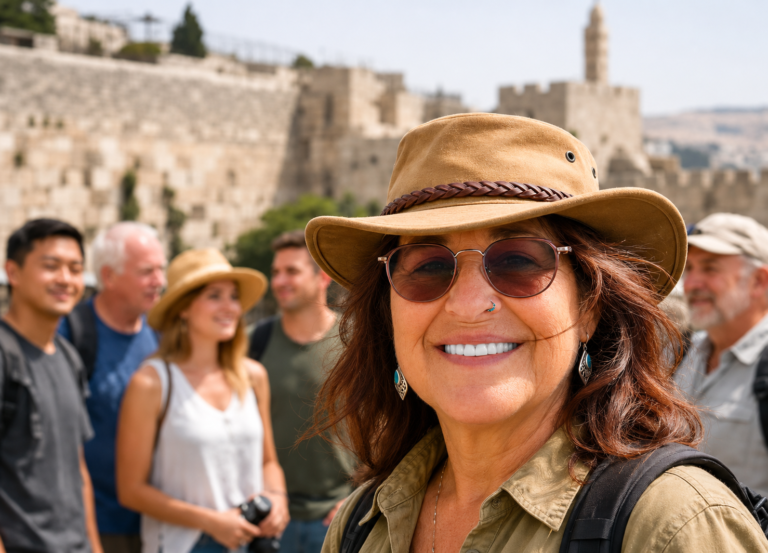
What Activities Fit Short Israel Trips?
A short trip to Israel can feel deceptively easy to plan until you open the map. Jerusalem, Jaffa, the Dead Sea, desert landscapes, food markets, archaeological sites, boutique wineries, and deeply personal cultural encounters all sit within reach. That is exactly why travelers ask what activities fit short Israel trips – not because there is too little to do, but because there is almost too much.
The good news is that a brief visit does not have to feel thin or rushed. Israel rewards smart planning. Distances are manageable, but the real key is choosing activities that belong together emotionally and geographically. A short trip works best when each day has a clear character, whether that means spiritual depth, coastal energy, desert quiet, family fun, or hands-on discovery.
What activities fit short Israel trips best?
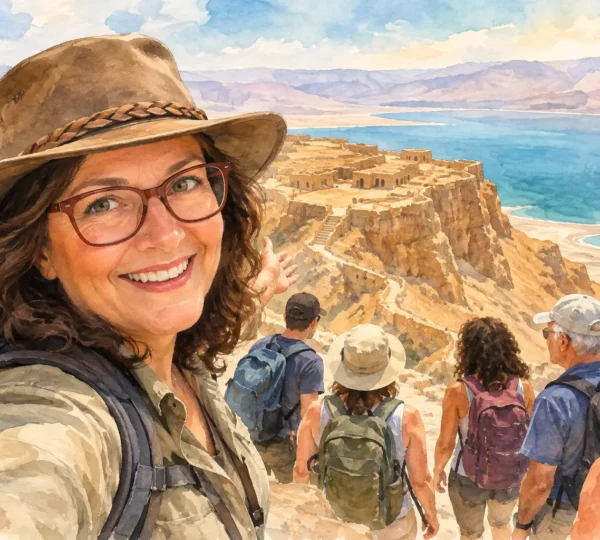
The best activities for a short Israel trip are the ones that create a full experience in half a day or a day. That usually means pairing one major anchor with one or two smaller layers around it. A sunrise Masada visit can naturally flow into floating in the Dead Sea. A Jerusalem day can combine the Old City with food, neighborhoods, or a conversation that adds human context. Tel Aviv and Jaffa can become more than a city walk when you add street food, architecture, or time by the sea.
What usually does not fit is trying to “cover” the whole country in a few days. If you spend your trip changing hotels, checking boxes, and sitting in the car too long, you leave with photos but not much feeling. Short trips benefit from depth over volume.
Build each day around one strong theme
If you only have three to five days, every day should feel distinct. That makes the trip memorable and helps avoid the blur that sometimes comes with fast travel.
Heritage and spirituality
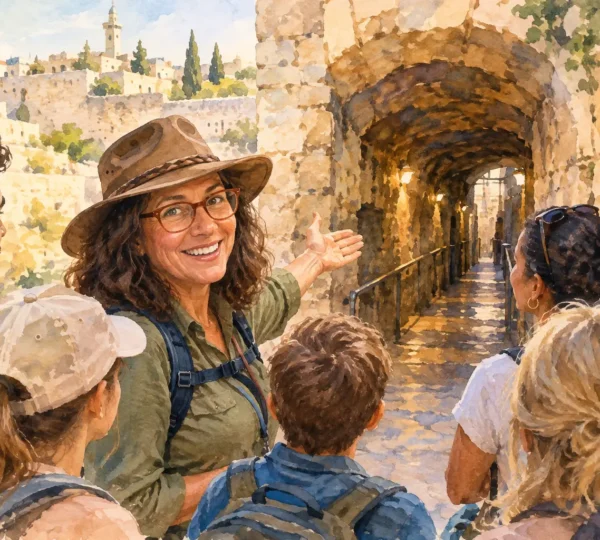
For many visitors, especially first-timers, heritage sites are non-negotiable. Jerusalem can easily fill more than one day, but on a short trip it helps to focus. One day might center on the Old City and its layered sacred spaces, while another could explore a different side of Jerusalem through markets, local neighborhoods, art, or a museum that adds historical perspective.
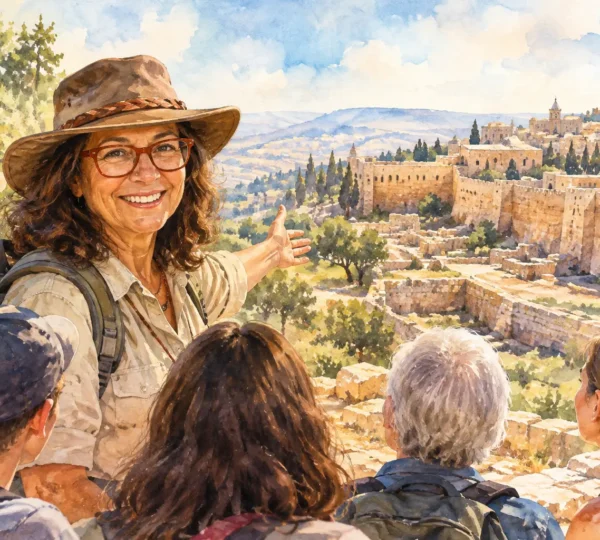
This is also where expert guiding matters most. In a compact time frame, context changes everything. Stones, streets, and viewpoints become far more meaningful when the story is tailored to your background and interests rather than delivered as a generic script.
Food and culture
Culinary experiences are a strong fit for short trips because they are immersive without being exhausting. A market visit, tasting tour, baking workshop, wine stop, or chef-led meal can turn one afternoon into a real memory. Food also works beautifully for travelers who want something meaningful but not overly formal. Business travelers with limited time often respond especially well to this kind of experience because it feels rich, local, and manageable.
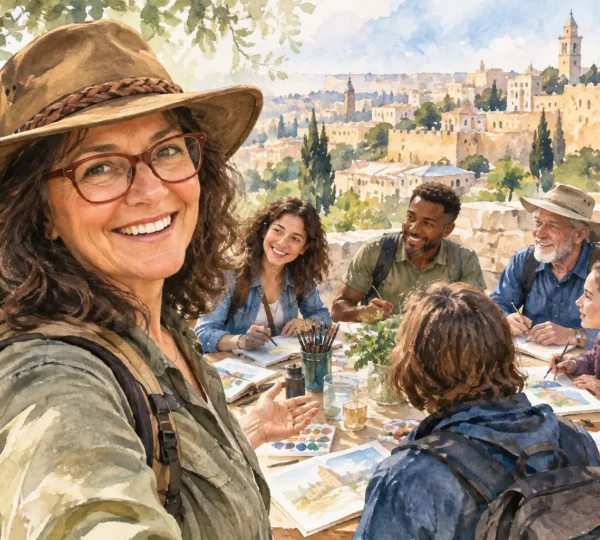
Cultural encounters can also be more personal than many people expect. A short visit does not have to mean staying on the surface. Meeting artists, farmers, historians, clergy, or local innovators can give a quick trip surprising depth. For returning visitors who have already seen the headline sites, these conversations often become the highlight.
Nature and adventure
Outdoor activities are another excellent answer to what activities fit short Israel trips, especially for travelers who do not want every day to be urban or museum-based. Israel’s landscapes change quickly, which is useful when time is limited. Desert overlooks, light hikes, jeep routes, coastal walks, and nature reserves can all fit into a short itinerary.
That said, adventure should match energy level and season. A desert hike in warmer months needs an early start. A 4×4 day is fantastic for families or active adults, but less ideal if someone in the group mainly wants churches, archaeology, or a slower pace. The best short itineraries are honest about those trade-offs.
The best activity combinations for 2 to 5 days
Short trips become easier to plan when you think in combinations rather than single attractions.
A classic pairing is Jerusalem with the Dead Sea and Masada. This works well because it gives you one day of cultural and spiritual depth and one day of dramatic landscape and physical sensation. You get contrast, which makes a brief trip feel fuller.
Another strong combination is Tel Aviv and Jaffa with Caesarea or a coastal day. This suits travelers who enjoy Mediterranean atmosphere, history without heaviness, and excellent food. It also works well for people extending a business trip by a few days.
For travelers who have visited before, a hidden-gems approach often fits better than repeating major sites. That could mean a day in the north focused on local communities, food, and scenery, or a personalized route built around archaeology, architecture, music, or desert life. Short does not have to mean standard.
Families often do best with mixed-intensity days. A serious heritage morning can be balanced by something tactile and fun in the afternoon, such as mosaic making, camel riding, sailing, or a hands-on cooking session. Adults-only trips can handle longer narrative days, but even then, variety helps.
What activities fit short Israel trips for repeat visitors?
Repeat visitors are often the easiest people to delight because they already know what does not interest them. If you have already seen the famous landmarks, a short trip becomes a chance to go narrower and deeper.
This is where customized touring shines. Instead of revisiting the same viewpoints, you can spend a day focused on a single subject or region. That might mean archaeology beyond the obvious sites, culinary routes with local stories, desert exploration by 4×4, or meetings that reveal how different communities live, work, and celebrate. These are the experiences that make someone say, “I thought I knew Israel, but I had no idea this was here.”
Short return trips are also ideal for seasonal activities. Wildflower landscapes, harvest-related experiences, cooler-weather hikes, or a crisp winter day in the desert can all shape the feel of the itinerary. Timing matters more in a short trip because every day carries more weight.
A few choices that save time and improve the trip
One base is often better than two. Israel is compact enough that many travelers can stay in one place and take day trips rather than repacking constantly. That approach reduces friction and leaves more room for actual experience.
Early starts are worth it for certain destinations. Masada, desert trails, and some nature-heavy days are much better when begun in the morning. By contrast, urban afternoons and evening food experiences can be more relaxed and spontaneous.
Private guiding is especially valuable on a short trip because it cuts wasted time. You move at your pace, focus on what matters, and avoid trying to translate a large-group itinerary into your own interests. For travelers who want a trip that feels personal from the first hour, that flexibility is often the difference between a good visit and a memorable one.
The mistake most people make on a short visit
The most common mistake is trying to prove they were here. That usually looks like too many cities, too many major sites in one day, and not enough room to absorb any of it. Israel is dense with meaning. Even a small place can hold thousands of years of history, multiple traditions, and a strong present-day identity. Rushing through it can leave you oddly disconnected.
A better approach is to ask what kind of memory you want from each day. Do you want to stand somewhere ancient and feel the weight of history? Share a table and hear local stories? Hike to a dramatic viewpoint? Float in mineral-rich water? Taste your way through a market? Once that is clear, the itinerary gets much easier.
That is also why personalized touring works so well here. Not every traveler wants the same balance of sacred sites, culture, scenery, and adventure. Some want a first introduction. Some want a second look with more nuance. Some want a short trip that still feels substantial. With thoughtful planning, all of those are possible.
If you are wondering what activities fit short Israel trips, the simplest answer is this: choose fewer things, make them matter, and let each day tell a different story. That is how even a brief visit can stay with you long after you have gone home.

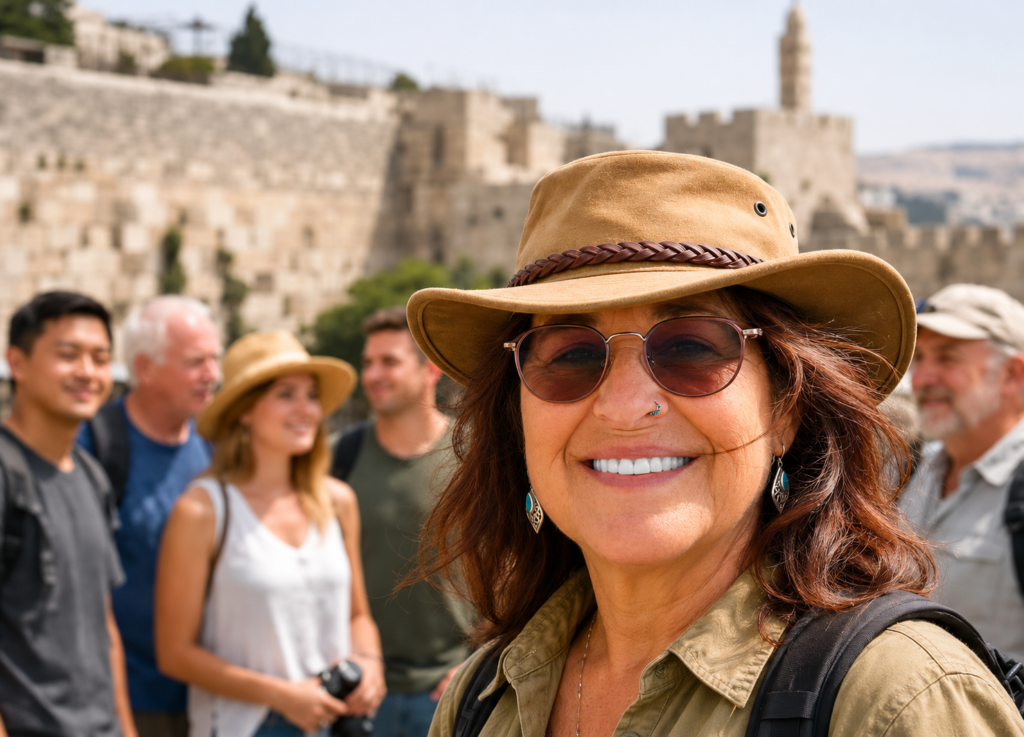
What Activities Fit Short Israel Trips?
A short trip to Israel can feel deceptively easy to plan until you open the map. Jerusalem, Jaffa, the Dead Sea, desert landscapes, food markets, archaeological sites, boutique wineries, and deeply personal cultural encounters all sit within reach. That is exactly why travelers ask what activities fit short Israel trips – not because there is too little to do, but because there is almost too much.
The good news is that a brief visit does not have to feel thin or rushed. Israel rewards smart planning. Distances are manageable, but the real key is choosing activities that belong together emotionally and geographically. A short trip works best when each day has a clear character, whether that means spiritual depth, coastal energy, desert quiet, family fun, or hands-on discovery.
What activities fit short Israel trips best?
The best activities for a short Israel trip are the ones that create a full experience in half a day or a day. That usually means pairing one major anchor with one or two smaller layers around it. A sunrise Masada visit can naturally flow into floating in the Dead Sea. A Jerusalem day can combine the Old City with food, neighborhoods, or a conversation that adds human context. Tel Aviv and Jaffa can become more than a city walk when you add street food, architecture, or time by the sea.
What usually does not fit is trying to “cover” the whole country in a few days. If you spend your trip changing hotels, checking boxes, and sitting in the car too long, you leave with photos but not much feeling. Short trips benefit from depth over volume.
Build each day around one strong theme
If you only have three to five days, every day should feel distinct. That makes the trip memorable and helps avoid the blur that sometimes comes with fast travel.
Heritage and spirituality
For many visitors, especially first-timers, heritage sites are non-negotiable. Jerusalem can easily fill more than one day, but on a short trip it helps to focus. One day might center on the Old City and its layered sacred spaces, while another could explore a different side of Jerusalem through markets, local neighborhoods, art, or a museum that adds historical perspective.
This is also where expert guiding matters most. In a compact time frame, context changes everything. Stones, streets, and viewpoints become far more meaningful when the story is tailored to your background and interests rather than delivered as a generic script.
Food and culture
Culinary experiences are a strong fit for short trips because they are immersive without being exhausting. A market visit, tasting tour, baking workshop, wine stop, or chef-led meal can turn one afternoon into a real memory. Food also works beautifully for travelers who want something meaningful but not overly formal. Business travelers with limited time often respond especially well to this kind of experience because it feels rich, local, and manageable.
Cultural encounters can also be more personal than many people expect. A short visit does not have to mean staying on the surface. Meeting artists, farmers, historians, clergy, or local innovators can give a quick trip surprising depth. For returning visitors who have already seen the headline sites, these conversations often become the highlight.
Nature and adventure
Outdoor activities are another excellent answer to what activities fit short Israel trips, especially for travelers who do not want every day to be urban or museum-based. Israel’s landscapes change quickly, which is useful when time is limited. Desert overlooks, light hikes, jeep routes, coastal walks, and nature reserves can all fit into a short itinerary.
That said, adventure should match energy level and season. A desert hike in warmer months needs an early start. A 4×4 day is fantastic for families or active adults, but less ideal if someone in the group mainly wants churches, archaeology, or a slower pace. The best short itineraries are honest about those trade-offs.
The best activity combinations for 2 to 5 days
Short trips become easier to plan when you think in combinations rather than single attractions.
A classic pairing is Jerusalem with the Dead Sea and Masada. This works well because it gives you one day of cultural and spiritual depth and one day of dramatic landscape and physical sensation. You get contrast, which makes a brief trip feel fuller.
Another strong combination is Tel Aviv and Jaffa with Caesarea or a coastal day. This suits travelers who enjoy Mediterranean atmosphere, history without heaviness, and excellent food. It also works well for people extending a business trip by a few days.
For travelers who have visited before, a hidden-gems approach often fits better than repeating major sites. That could mean a day in the north focused on local communities, food, and scenery, or a personalized route built around archaeology, architecture, music, or desert life. Short does not have to mean standard.
Families often do best with mixed-intensity days. A serious heritage morning can be balanced by something tactile and fun in the afternoon, such as mosaic making, camel riding, sailing, or a hands-on cooking session. Adults-only trips can handle longer narrative days, but even then, variety helps.
What activities fit short Israel trips for repeat visitors?
Repeat visitors are often the easiest people to delight because they already know what does not interest them. If you have already seen the famous landmarks, a short trip becomes a chance to go narrower and deeper.
This is where customized touring shines. Instead of revisiting the same viewpoints, you can spend a day focused on a single subject or region. That might mean archaeology beyond the obvious sites, culinary routes with local stories, desert exploration by 4×4, or meetings that reveal how different communities live, work, and celebrate. These are the experiences that make someone say, “I thought I knew Israel, but I had no idea this was here.”
Short return trips are also ideal for seasonal activities. Wildflower landscapes, harvest-related experiences, cooler-weather hikes, or a crisp winter day in the desert can all shape the feel of the itinerary. Timing matters more in a short trip because every day carries more weight.
A few choices that save time and improve the trip
One base is often better than two. Israel is compact enough that many travelers can stay in one place and take day trips rather than repacking constantly. That approach reduces friction and leaves more room for actual experience.
Early starts are worth it for certain destinations. Masada, desert trails, and some nature-heavy days are much better when begun in the morning. By contrast, urban afternoons and evening food experiences can be more relaxed and spontaneous.
Private guiding is especially valuable on a short trip because it cuts wasted time. You move at your pace, focus on what matters, and avoid trying to translate a large-group itinerary into your own interests. For travelers who want a trip that feels personal from the first hour, that flexibility is often the difference between a good visit and a memorable one.
The mistake most people make on a short visit
The most common mistake is trying to prove they were here. That usually looks like too many cities, too many major sites in one day, and not enough room to absorb any of it. Israel is dense with meaning. Even a small place can hold thousands of years of history, multiple traditions, and a strong present-day identity. Rushing through it can leave you oddly disconnected.
A better approach is to ask what kind of memory you want from each day. Do you want to stand somewhere ancient and feel the weight of history? Share a table and hear local stories? Hike to a dramatic viewpoint? Float in mineral-rich water? Taste your way through a market? Once that is clear, the itinerary gets much easier.
That is also why personalized touring works so well here. Not every traveler wants the same balance of sacred sites, culture, scenery, and adventure. Some want a first introduction. Some want a second look with more nuance. Some want a short trip that still feels substantial. With thoughtful planning, all of those are possible.
If you are wondering what activities fit short Israel trips, the simplest answer is this: choose fewer things, make them matter, and let each day tell a different story. That is how even a brief visit can stay with you long after you have gone home.
Get the latest blog updates in your inbox.