Heritage Tour Versus Adventure Trip in Israel
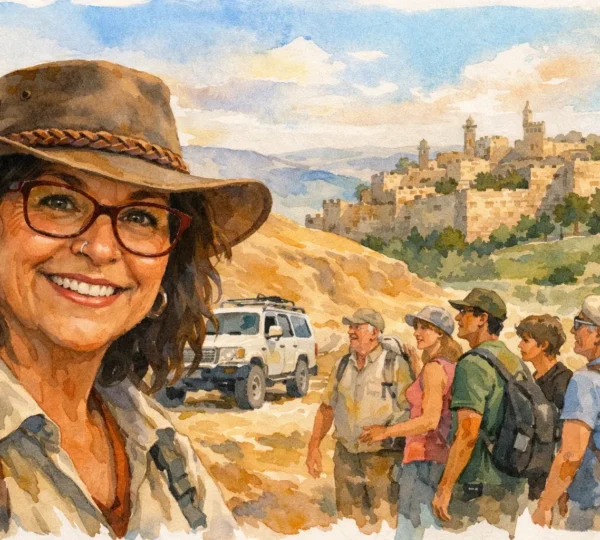
You can feel the difference by mid-morning. On one kind of day, you are standing in Jerusalem tracing layers of history with your eyes and asking bigger questions than you expected. On another, you are bouncing through desert tracks in a 4×4, boots dusty, heart up, and fully in the moment. That is the real choice behind a heritage tour versus adventure trip – not which one is better, but which one lets you experience Israel in the way that fits you best.
For some travelers, that answer is obvious. For others, it is not. Many people arrive thinking they want only the classic sites, then realize they also want movement, fresh air, and a little adrenaline. Others book an active vacation and discover that the stories behind the land matter just as much as the landscapes. Israel is unusually good at holding both options together, which is why the better question is often not either-or, but where to place the emphasis.
Heritage tour versus adventure trip: what changes?
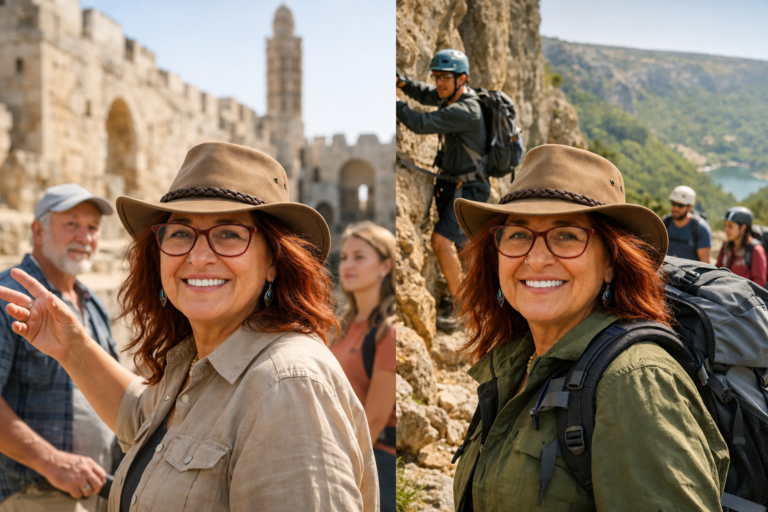
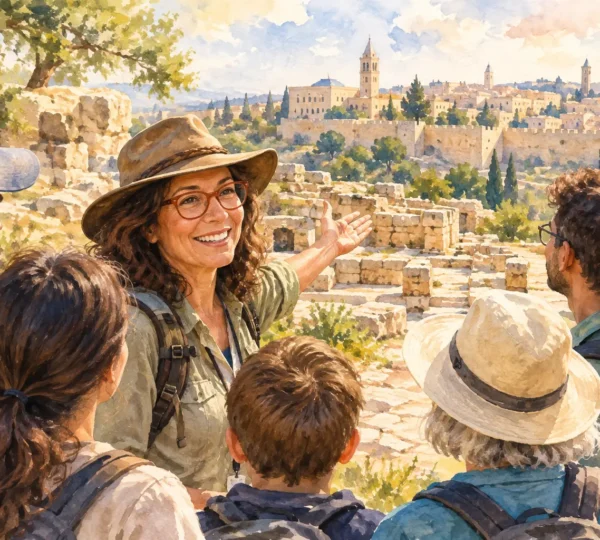
A heritage tour is shaped by meaning. It focuses on the places, stories, traditions, and communities that give a destination its depth. In Israel, that may mean the Old City of Jerusalem, Caesarea, Masada, Jaffa, ancient synagogues, churches, archaeological sites, museums, markets, and conversations that bring the country’s human texture into sharper focus. The pace is usually more reflective. You are noticing details, asking questions, and connecting past to present.
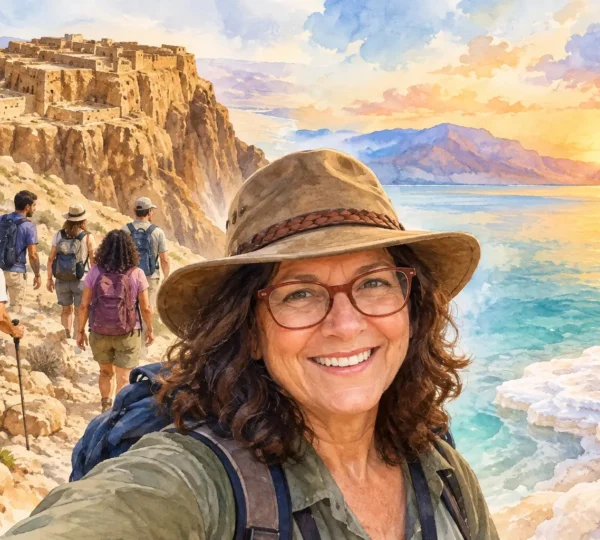
An adventure trip is shaped by physical experience. It may include desert hiking, jeep touring, off-roading, climbing, water activities, camel riding, foraging, or mountain routes that show you a wilder side of the country. The pace is more kinetic. You are feeling the terrain under your feet, reading the weather, and letting the landscape lead.
Neither style is shallow when it is done well. Heritage travel is not just standing still and listening. Adventure travel is not just chasing excitement. Both can be deeply engaging. The difference is where the experience begins – with story or with motion.
Who usually prefers a heritage tour?
Travelers who choose heritage-focused itineraries are often looking for context. They want to understand why a place matters, not just say they have seen it. That includes first-time visitors, faith-based travelers, families bringing older children or grandparents, and return visitors who want to go beyond a checklist and spend more time with the layers that make Israel so compelling.
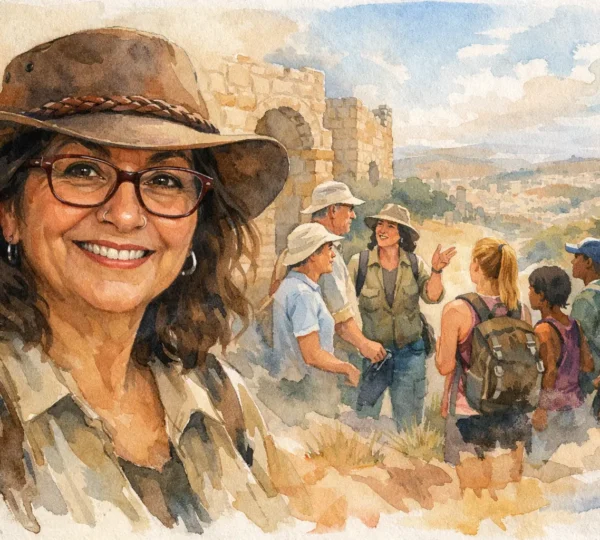
A heritage tour also suits people who enjoy a fuller day without needing it to be physically demanding. You can cover a great deal, especially with a private guide who knows how to pace the day, avoid wasted time, and adjust the route to your interests. If you are drawn to archaeology, sacred spaces, architecture, food traditions, local encounters, or the different ways people live across the country, this format gives you room to absorb more.
There is another advantage that people sometimes overlook. Heritage touring works very well for mixed groups. If one traveler wants biblical history, another wants culture, and another simply wants a meaningful introduction to the country, a well-built heritage day can satisfy all three without feeling scattered.
Who usually prefers an adventure trip?
An adventure trip appeals to travelers who connect through doing. They want to hike a canyon, climb a ridge for the view, drive into the desert, or swap polished sightseeing for something a little less predictable. These travelers often remember how a place felt in their bodies as much as what they learned about it.
This style is especially strong for repeat visitors who have already seen many of the major sites. Once you have visited the familiar landmarks, it makes sense to meet the country through its open spaces, hidden corners, and less scripted experiences. A sunrise hike, a jeep route through dramatic terrain, or a day built around movement and nature can reveal a very different side of Israel.
That said, adventure is not one fixed intensity level. Some travelers want serious hiking. Others want a light active day with comfortable pacing and maybe one memorable stretch of off-road driving. A good trip should fit your energy, not test it for no reason.
The trade-offs are real
When people compare a heritage tour versus adventure trip, they often assume one is richer and one is more fun. That is too simple.
A heritage itinerary can give you emotional and intellectual depth, but if it is packed too tightly it can become tiring in a different way. Standing, walking, listening, and processing all day is still demanding. If the guiding is generic, even famous sites can feel flat.
An adventure itinerary can be exhilarating and memorable, but if it focuses only on activity, it can miss the chance to explain what you are actually moving through. A desert is never just a desert here. A trail is rarely just a trail. Without context, you can lose some of what makes the experience distinct.
This is why customization matters. The best trips understand that energy and meaning do not compete. They support each other.
How to choose the right fit for your trip
Start with the reason you are coming. If this is your first visit and you have long imagined the historical and spiritual landmarks, lead with heritage. You can still include an active afternoon or a scenic nature segment, but your main framework should reflect the reason the trip matters to you.
If you have been before, or if your happiest travel memories involve movement, landscapes, and unusual hands-on experiences, let adventure take the lead. You may still want one or two heritage anchors, especially in places where the setting and story belong together.
Also think honestly about stamina. Some travelers book highly active days because they sound exciting, then discover that heat, uneven ground, or back-to-back logistics change the experience. Others assume heritage days will be easier, then underestimate how much walking old cities and archaeological parks involve. A smart itinerary is built around your actual comfort level, not the version of yourself you imagine while planning.
Group composition matters too. Families, multigenerational travelers, and friends with different interests often do best with blended days. One person gets the history they care about. Another gets the outdoor element they need. Nobody feels dragged through someone else’s ideal vacation.
In Israel, the best answer is often both
This is where Israel stands out. Distances are short, contrasts are sharp, and one day can hold far more variety than travelers expect. You can spend the morning in an ancient setting and the afternoon out in dramatic terrain. You can pair a meaningful visit in Jerusalem with a culinary stop, or combine Masada and the Dead Sea with a desert experience that gets you off the standard route.
That blend works because the country is layered, not compartmentalized. History sits next to living culture. Nature is never far from a city. A site that matters spiritually may also be visually stunning. An outdoor experience may open the door to understanding local life, food, craft, or tradition in a more personal way.
For travelers who do not want a rigid package, this is usually the sweet spot. A private itinerary can be heritage-forward with an adventurous edge, or adventure-forward with real historical depth. That middle ground often produces the most memorable days because it feels personal rather than prewritten.
What a personalized trip does better
A customized itinerary does more than mix activities. It solves the practical problem of pace. If you love history but not museum fatigue, the day can stay outdoors and story-rich. If you want activity without turning the trip into a workout, the route can be scenic, comfortable, and still exciting. If you are traveling with teens, parents, or people visiting for different reasons, the right guide can build a day that feels cohesive instead of compromised.
That is especially valuable in a place as dense with options as Israel. The same region can offer archaeology, food, faith, nature, architecture, and hidden local encounters within a manageable distance. With experienced guidance, you do not have to choose between famous places and lesser-known ones, or between insight and enjoyment. You can shape the day around what genuinely interests you.
Patchwork Israel is built for exactly that kind of traveler – someone who wants more than a standard formula and would rather experience the country through a day that actually fits.
If you are still deciding between a heritage tour versus adventure trip, listen to what kind of memory you want to carry home. If you want to remember what you understood, start with heritage. If you want to remember what you felt, start with adventure. If you want the trip to feel fully yours, let the two meet in the same journey.

Heritage Tour Versus Adventure Trip in Israel
You can feel the difference by mid-morning. On one kind of day, you are standing in Jerusalem tracing layers of history with your eyes and asking bigger questions than you expected. On another, you are bouncing through desert tracks in a 4×4, boots dusty, heart up, and fully in the moment. That is the real choice behind a heritage tour versus adventure trip – not which one is better, but which one lets you experience Israel in the way that fits you best.
For some travelers, that answer is obvious. For others, it is not. Many people arrive thinking they want only the classic sites, then realize they also want movement, fresh air, and a little adrenaline. Others book an active vacation and discover that the stories behind the land matter just as much as the landscapes. Israel is unusually good at holding both options together, which is why the better question is often not either-or, but where to place the emphasis.
Heritage tour versus adventure trip: what changes?
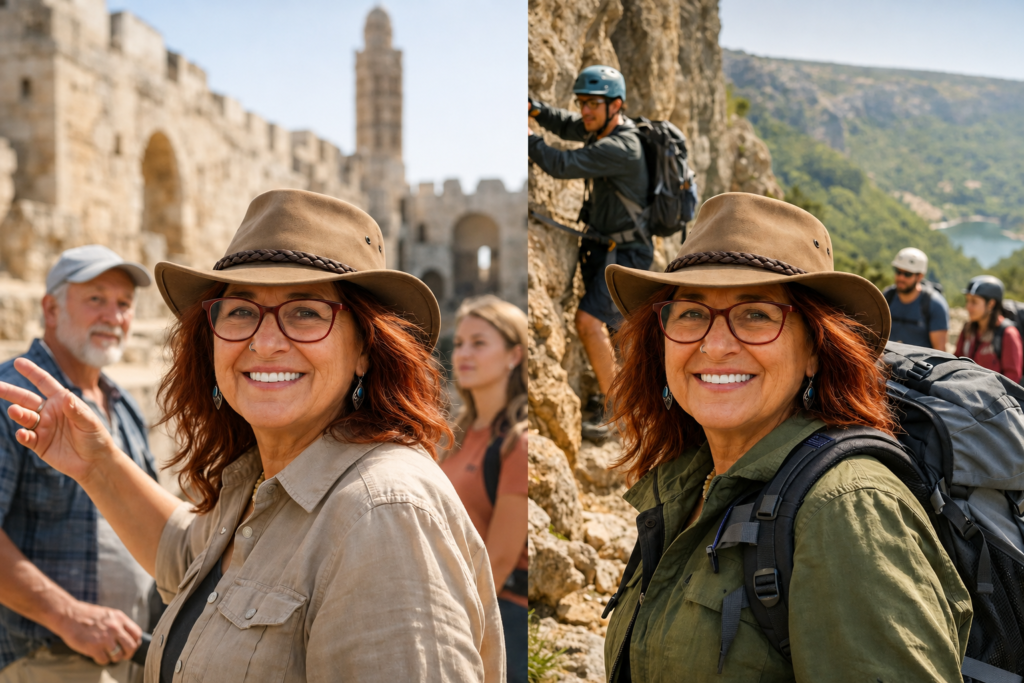
A heritage tour is shaped by meaning. It focuses on the places, stories, traditions, and communities that give a destination its depth. In Israel, that may mean the Old City of Jerusalem, Caesarea, Masada, Jaffa, ancient synagogues, churches, archaeological sites, museums, markets, and conversations that bring the country’s human texture into sharper focus. The pace is usually more reflective. You are noticing details, asking questions, and connecting past to present.
An adventure trip is shaped by physical experience. It may include desert hiking, jeep touring, off-roading, climbing, water activities, camel riding, foraging, or mountain routes that show you a wilder side of the country. The pace is more kinetic. You are feeling the terrain under your feet, reading the weather, and letting the landscape lead.
Neither style is shallow when it is done well. Heritage travel is not just standing still and listening. Adventure travel is not just chasing excitement. Both can be deeply engaging. The difference is where the experience begins – with story or with motion.
Who usually prefers a heritage tour?
Travelers who choose heritage-focused itineraries are often looking for context. They want to understand why a place matters, not just say they have seen it. That includes first-time visitors, faith-based travelers, families bringing older children or grandparents, and return visitors who want to go beyond a checklist and spend more time with the layers that make Israel so compelling.
A heritage tour also suits people who enjoy a fuller day without needing it to be physically demanding. You can cover a great deal, especially with a private guide who knows how to pace the day, avoid wasted time, and adjust the route to your interests. If you are drawn to archaeology, sacred spaces, architecture, food traditions, local encounters, or the different ways people live across the country, this format gives you room to absorb more.
There is another advantage that people sometimes overlook. Heritage touring works very well for mixed groups. If one traveler wants biblical history, another wants culture, and another simply wants a meaningful introduction to the country, a well-built heritage day can satisfy all three without feeling scattered.
Who usually prefers an adventure trip?
An adventure trip appeals to travelers who connect through doing. They want to hike a canyon, climb a ridge for the view, drive into the desert, or swap polished sightseeing for something a little less predictable. These travelers often remember how a place felt in their bodies as much as what they learned about it.
This style is especially strong for repeat visitors who have already seen many of the major sites. Once you have visited the familiar landmarks, it makes sense to meet the country through its open spaces, hidden corners, and less scripted experiences. A sunrise hike, a jeep route through dramatic terrain, or a day built around movement and nature can reveal a very different side of Israel.
That said, adventure is not one fixed intensity level. Some travelers want serious hiking. Others want a light active day with comfortable pacing and maybe one memorable stretch of off-road driving. A good trip should fit your energy, not test it for no reason.
The trade-offs are real
When people compare a heritage tour versus adventure trip, they often assume one is richer and one is more fun. That is too simple.
A heritage itinerary can give you emotional and intellectual depth, but if it is packed too tightly it can become tiring in a different way. Standing, walking, listening, and processing all day is still demanding. If the guiding is generic, even famous sites can feel flat.
An adventure itinerary can be exhilarating and memorable, but if it focuses only on activity, it can miss the chance to explain what you are actually moving through. A desert is never just a desert here. A trail is rarely just a trail. Without context, you can lose some of what makes the experience distinct.
This is why customization matters. The best trips understand that energy and meaning do not compete. They support each other.
How to choose the right fit for your trip
Start with the reason you are coming. If this is your first visit and you have long imagined the historical and spiritual landmarks, lead with heritage. You can still include an active afternoon or a scenic nature segment, but your main framework should reflect the reason the trip matters to you.
If you have been before, or if your happiest travel memories involve movement, landscapes, and unusual hands-on experiences, let adventure take the lead. You may still want one or two heritage anchors, especially in places where the setting and story belong together.
Also think honestly about stamina. Some travelers book highly active days because they sound exciting, then discover that heat, uneven ground, or back-to-back logistics change the experience. Others assume heritage days will be easier, then underestimate how much walking old cities and archaeological parks involve. A smart itinerary is built around your actual comfort level, not the version of yourself you imagine while planning.
Group composition matters too. Families, multigenerational travelers, and friends with different interests often do best with blended days. One person gets the history they care about. Another gets the outdoor element they need. Nobody feels dragged through someone else’s ideal vacation.
In Israel, the best answer is often both
This is where Israel stands out. Distances are short, contrasts are sharp, and one day can hold far more variety than travelers expect. You can spend the morning in an ancient setting and the afternoon out in dramatic terrain. You can pair a meaningful visit in Jerusalem with a culinary stop, or combine Masada and the Dead Sea with a desert experience that gets you off the standard route.
That blend works because the country is layered, not compartmentalized. History sits next to living culture. Nature is never far from a city. A site that matters spiritually may also be visually stunning. An outdoor experience may open the door to understanding local life, food, craft, or tradition in a more personal way.
For travelers who do not want a rigid package, this is usually the sweet spot. A private itinerary can be heritage-forward with an adventurous edge, or adventure-forward with real historical depth. That middle ground often produces the most memorable days because it feels personal rather than prewritten.
What a personalized trip does better
A customized itinerary does more than mix activities. It solves the practical problem of pace. If you love history but not museum fatigue, the day can stay outdoors and story-rich. If you want activity without turning the trip into a workout, the route can be scenic, comfortable, and still exciting. If you are traveling with teens, parents, or people visiting for different reasons, the right guide can build a day that feels cohesive instead of compromised.
That is especially valuable in a place as dense with options as Israel. The same region can offer archaeology, food, faith, nature, architecture, and hidden local encounters within a manageable distance. With experienced guidance, you do not have to choose between famous places and lesser-known ones, or between insight and enjoyment. You can shape the day around what genuinely interests you.
Patchwork Israel is built for exactly that kind of traveler – someone who wants more than a standard formula and would rather experience the country through a day that actually fits.
If you are still deciding between a heritage tour versus adventure trip, listen to what kind of memory you want to carry home. If you want to remember what you understood, start with heritage. If you want to remember what you felt, start with adventure. If you want the trip to feel fully yours, let the two meet in the same journey.

Get the latest blog updates in your inbox.