

Israel Second Trip Itinerary Example
If your first visit to Israel checked off Jerusalem, Masada, the Dead Sea, and Tel Aviv, your second visit should feel different. A good Israel second trip itinerary example is not about repeating famous sites with a few swaps. It is about going deeper – into neighborhoods, landscapes, conversations, food, and the smaller places that make the country feel personal.
That is where a second trip becomes more satisfying than the first. You already know the broad outlines. Now you can slow down, follow your interests, and leave room for the kind of experiences that do not fit neatly into a standard bus tour.
What makes an Israel second trip different
On a first trip, most travelers want the essentials. That makes sense. You want the historic anchors, the sacred places, and the names you have heard your whole life. On a second trip, the question changes from What should I see? to What do I want to understand better?
For some travelers, that means spending more time in Jerusalem, but in a different way – tracing layers of architecture, food, local life, and lesser-known quarters instead of rushing from viewpoint to viewpoint. For others, it means heading north for mountain landscapes, village life, wineries, or archaeological sites that reward curiosity more than speed. Some want a desert trip with hiking or 4×4 routes. Others want meetings, home hospitality, art, culinary workshops, or a closer look at daily life across very different communities.
The trade-off is simple. The more meaningful the trip, the less it should feel like a checklist.
Israel second trip itinerary example for 8 days
This sample itinerary is designed for travelers who have already seen the major highlights and want a fuller sense of the country. It balances history, culture, nature, and downtime. It also assumes you are comfortable skipping a few famous places in favor of richer ones.
Day 1 – Jaffa and southern Tel Aviv beyond the postcard
Start in Jaffa, but not with just a quick old port walk. Spend time on the layers – ancient stone alleys, artists’ corners, local food, and the meeting point between old and new. Then continue into southern Tel Aviv for a very different urban texture, with street art, markets, independent food spots, and stories of migration, reinvention, and everyday city life.
This is a strong first day because it resets expectations. Israel is not only monumental. It is also local, creative, messy, delicious, and full of human detail.
Day 2 – Caesarea, Zichron Yaakov, and the Carmel
If you visited Caesarea quickly on your first trip, this is the moment to do it properly. With more time and the right guiding, the site becomes more than ruins by the sea. You start noticing engineering, urban planning, theater culture, trade routes, and the sheer ambition behind the city.
From there, head to Zichron Yaakov for a softer pace – historic streets, local wine culture, and a chance to enjoy one of Israel’s most pleasant small-town settings. If time allows, add part of the Carmel region for nature, viewpoints, or a more specialized visit focused on archaeology, spirituality, or food. This day works well for travelers who want elegance rather than intensity.
Day 3 – The Galilee through people, food, and landscape
A second trip is the right time to let the Galilee breathe. Instead of racing between churches and overlooks, spend the day in a more layered way. That might mean a scenic drive with short walks, a culinary experience, a farm visit, a winery, or a conversation-based encounter that opens up the region through the people who live there.
This is one of the best areas for customization because interests matter so much. Some travelers want Christian heritage and quiet reflection. Some want hiking and mountain air. Some want food and village life. Some want all three, but not crammed into one exhausting day.
Day 4 – The Golan for nature, history, and space
The Golan often gets skipped on a first visit, which is exactly why it shines on a second. It offers a very different rhythm – wide landscapes, volcanic terrain, dramatic views, nature reserves, boutique food producers, and sites that feel rewarding precisely because they are less overrun.
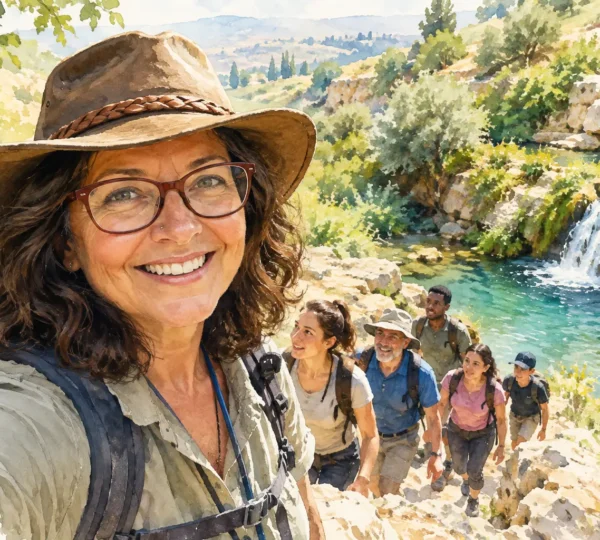
Depending on the season, this can be a hiking day, a scenic driving day, or a mixed day with archaeology and local tasting stops. If you like active travel, this is where the trip can become more adventurous. If you prefer gentler pacing, the Golan still delivers with beauty and perspective.
Day 5 – Jerusalem in greater depth
Many second-time visitors think they have already done Jerusalem. Usually, they have done the highlights. That is not the same thing.
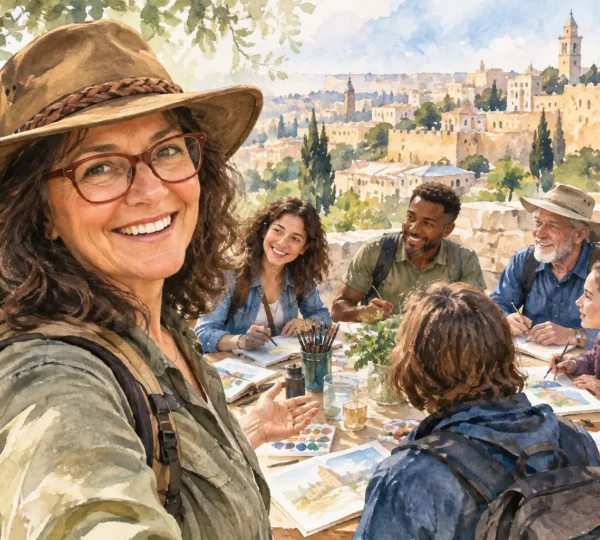
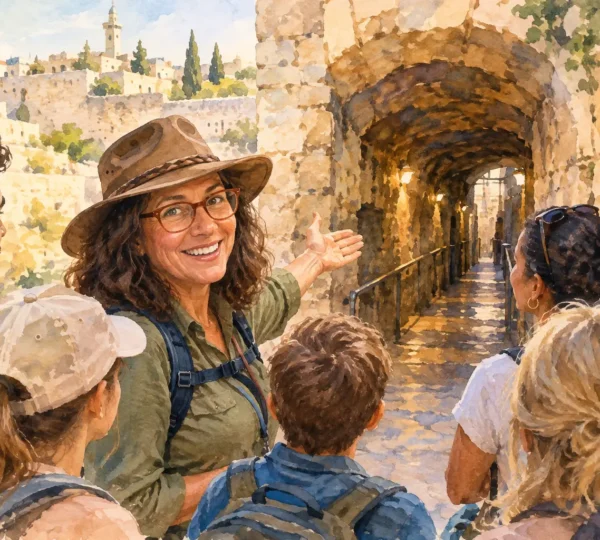
A deeper Jerusalem day can focus on one theme and do it well. You might explore the city through archaeology and historical layers, through culinary neighborhoods and market culture, through the evolution of different Jewish and Christian traditions, or through architecture and urban development across centuries. You can also build the day around quieter moments – less queueing, more walking, more conversation, more noticing.
This is often the emotional center of a second trip. Not because it is bigger, but because it becomes more personal.
Day 6 – Jerusalem hills, artisans, and hands-on experiences
After an intense Jerusalem day, shift outward. The Jerusalem hills are ideal for travelers who want a more relaxed but still meaningful experience. This could include vineyards, agricultural visits, scenic drives, workshops, baking, mosaic-making, or a meal that feels hosted rather than served.
The value of a day like this is balance. Israel can be dense. A second trip should know when to step away from the major sites and let you experience the country through touch, taste, and conversation.
Day 7 – The Negev desert with a twist
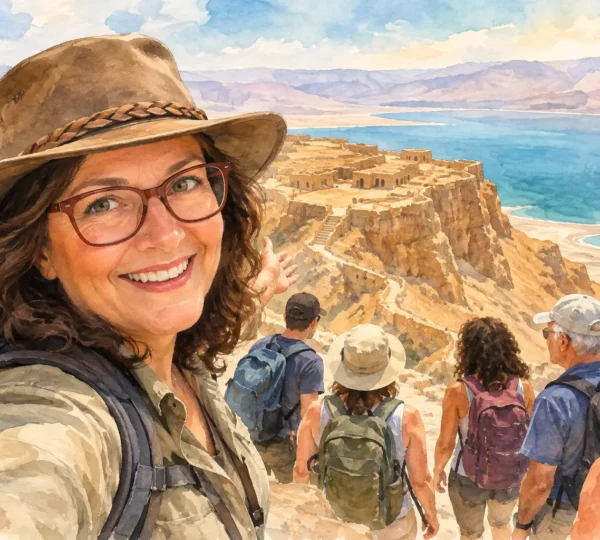
If your first desert day was Masada and the Dead Sea, consider a different desert story this time. The Negev offers crater landscapes, dramatic viewpoints, short hikes, jeep routes, Bedouin-style hospitality experiences, stargazing potential, and a feeling of open space that is hard to match elsewhere.
This is not the right day to overplan. The desert rewards time, light, and flexibility. If you are active, build in a hike or off-road segment. If you prefer comfort, focus on scenic stops and a memorable meal. Either way, the desert on a second trip often becomes a favorite because it strips the journey down to something simple and vivid.
Day 8 – A closing day shaped around your interest
Your last day should not be filler. It should answer the question, What do I wish I had more of this week?
That might mean returning to Tel Aviv for food and beach time, spending more time in Jerusalem, visiting an overlooked museum, arranging a professional meeting in a field that interests you, or choosing a final scenic day with minimal logistics. A second trip works best when the ending feels intentional rather than squeezed between flights.
How to adapt this Israel second trip itinerary example
This Israel second trip itinerary example is a framework, not a script. The right version depends on pace, season, and personality.
If you are traveling in summer, the north and the hills are more comfortable during the day, while desert time is best planned carefully. In winter, the desert can be glorious, and the north can be beautiful but cooler and occasionally wetter. If you are traveling with family, interactive experiences matter more than ambitious geography. If this is a couple’s trip, you may want fewer hotel changes and more meals, walks, and evenings with atmosphere. If you are a heritage traveler, you might want expert thematic days that go much deeper into one subject instead of trying to cover the whole map.
The other key choice is whether you want breadth or depth. Both are valid. But most second-time visitors are happier when they choose depth in at least two regions instead of trying to prove they can still fit the whole country into a week.
Why guided planning matters more on a second visit
A first trip can survive on broad recommendations because the major sites are well known. A second trip is different. The quality of the experience depends much more on timing, combinations, and access. The wrong pairing can create a day that feels scattered. The right pairing turns it into a story.
That is especially true when you want hidden gems, personal encounters, niche interests, or activities beyond classic sightseeing. A licensed guide with real on-the-ground experience can shape the trip around who you are, not just around what is famous. That may mean choosing one small village over another, knowing which market works best at which hour, or building a desert day that fits your energy level instead of wearing you out.
Patchwork Israel is especially strong with travelers who have already done the headline sites and are ready for a more textured return. That kind of trip is less about quantity and more about fit.
The best second trip to Israel usually leaves you with a strange feeling – not that you have finished the country, but that you have finally started meeting it properly. Let that be the standard for your itinerary.

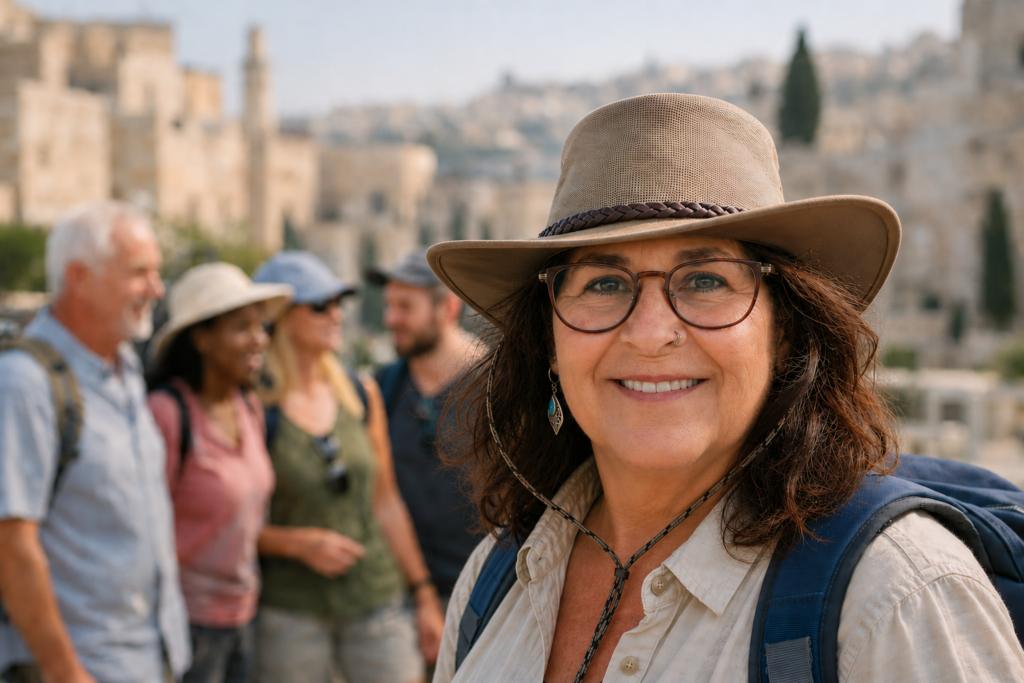
Israel Second Trip Itinerary Example
If your first visit to Israel checked off Jerusalem, Masada, the Dead Sea, and Tel Aviv, your second visit should feel different. A good Israel second trip itinerary example is not about repeating famous sites with a few swaps. It is about going deeper – into neighborhoods, landscapes, conversations, food, and the smaller places that make the country feel personal.
That is where a second trip becomes more satisfying than the first. You already know the broad outlines. Now you can slow down, follow your interests, and leave room for the kind of experiences that do not fit neatly into a standard bus tour.
What makes an Israel second trip different
On a first trip, most travelers want the essentials. That makes sense. You want the historic anchors, the sacred places, and the names you have heard your whole life. On a second trip, the question changes from What should I see? to What do I want to understand better?
For some travelers, that means spending more time in Jerusalem, but in a different way – tracing layers of architecture, food, local life, and lesser-known quarters instead of rushing from viewpoint to viewpoint. For others, it means heading north for mountain landscapes, village life, wineries, or archaeological sites that reward curiosity more than speed. Some want a desert trip with hiking or 4×4 routes. Others want meetings, home hospitality, art, culinary workshops, or a closer look at daily life across very different communities.
The trade-off is simple. The more meaningful the trip, the less it should feel like a checklist.
Israel second trip itinerary example for 8 days
This sample itinerary is designed for travelers who have already seen the major highlights and want a fuller sense of the country. It balances history, culture, nature, and downtime. It also assumes you are comfortable skipping a few famous places in favor of richer ones.
Day 1 – Jaffa and southern Tel Aviv beyond the postcard
Start in Jaffa, but not with just a quick old port walk. Spend time on the layers – ancient stone alleys, artists’ corners, local food, and the meeting point between old and new. Then continue into southern Tel Aviv for a very different urban texture, with street art, markets, independent food spots, and stories of migration, reinvention, and everyday city life.
This is a strong first day because it resets expectations. Israel is not only monumental. It is also local, creative, messy, delicious, and full of human detail.
Day 2 – Caesarea, Zichron Yaakov, and the Carmel
If you visited Caesarea quickly on your first trip, this is the moment to do it properly. With more time and the right guiding, the site becomes more than ruins by the sea. You start noticing engineering, urban planning, theater culture, trade routes, and the sheer ambition behind the city.
From there, head to Zichron Yaakov for a softer pace – historic streets, local wine culture, and a chance to enjoy one of Israel’s most pleasant small-town settings. If time allows, add part of the Carmel region for nature, viewpoints, or a more specialized visit focused on archaeology, spirituality, or food. This day works well for travelers who want elegance rather than intensity.
Day 3 – The Galilee through people, food, and landscape
A second trip is the right time to let the Galilee breathe. Instead of racing between churches and overlooks, spend the day in a more layered way. That might mean a scenic drive with short walks, a culinary experience, a farm visit, a winery, or a conversation-based encounter that opens up the region through the people who live there.
This is one of the best areas for customization because interests matter so much. Some travelers want Christian heritage and quiet reflection. Some want hiking and mountain air. Some want food and village life. Some want all three, but not crammed into one exhausting day.
Day 4 – The Golan for nature, history, and space
The Golan often gets skipped on a first visit, which is exactly why it shines on a second. It offers a very different rhythm – wide landscapes, volcanic terrain, dramatic views, nature reserves, boutique food producers, and sites that feel rewarding precisely because they are less overrun.
Depending on the season, this can be a hiking day, a scenic driving day, or a mixed day with archaeology and local tasting stops. If you like active travel, this is where the trip can become more adventurous. If you prefer gentler pacing, the Golan still delivers with beauty and perspective.
Day 5 – Jerusalem in greater depth
Many second-time visitors think they have already done Jerusalem. Usually, they have done the highlights. That is not the same thing.
A deeper Jerusalem day can focus on one theme and do it well. You might explore the city through archaeology and historical layers, through culinary neighborhoods and market culture, through the evolution of different Jewish and Christian traditions, or through architecture and urban development across centuries. You can also build the day around quieter moments – less queueing, more walking, more conversation, more noticing.
This is often the emotional center of a second trip. Not because it is bigger, but because it becomes more personal.
Day 6 – Jerusalem hills, artisans, and hands-on experiences
After an intense Jerusalem day, shift outward. The Jerusalem hills are ideal for travelers who want a more relaxed but still meaningful experience. This could include vineyards, agricultural visits, scenic drives, workshops, baking, mosaic-making, or a meal that feels hosted rather than served.
The value of a day like this is balance. Israel can be dense. A second trip should know when to step away from the major sites and let you experience the country through touch, taste, and conversation.
Day 7 – The Negev desert with a twist
If your first desert day was Masada and the Dead Sea, consider a different desert story this time. The Negev offers crater landscapes, dramatic viewpoints, short hikes, jeep routes, Bedouin-style hospitality experiences, stargazing potential, and a feeling of open space that is hard to match elsewhere.
This is not the right day to overplan. The desert rewards time, light, and flexibility. If you are active, build in a hike or off-road segment. If you prefer comfort, focus on scenic stops and a memorable meal. Either way, the desert on a second trip often becomes a favorite because it strips the journey down to something simple and vivid.
Day 8 – A closing day shaped around your interest
Your last day should not be filler. It should answer the question, What do I wish I had more of this week?
That might mean returning to Tel Aviv for food and beach time, spending more time in Jerusalem, visiting an overlooked museum, arranging a professional meeting in a field that interests you, or choosing a final scenic day with minimal logistics. A second trip works best when the ending feels intentional rather than squeezed between flights.
How to adapt this Israel second trip itinerary example
This Israel second trip itinerary example is a framework, not a script. The right version depends on pace, season, and personality.
If you are traveling in summer, the north and the hills are more comfortable during the day, while desert time is best planned carefully. In winter, the desert can be glorious, and the north can be beautiful but cooler and occasionally wetter. If you are traveling with family, interactive experiences matter more than ambitious geography. If this is a couple’s trip, you may want fewer hotel changes and more meals, walks, and evenings with atmosphere. If you are a heritage traveler, you might want expert thematic days that go much deeper into one subject instead of trying to cover the whole map.
The other key choice is whether you want breadth or depth. Both are valid. But most second-time visitors are happier when they choose depth in at least two regions instead of trying to prove they can still fit the whole country into a week.
Why guided planning matters more on a second visit
A first trip can survive on broad recommendations because the major sites are well known. A second trip is different. The quality of the experience depends much more on timing, combinations, and access. The wrong pairing can create a day that feels scattered. The right pairing turns it into a story.
That is especially true when you want hidden gems, personal encounters, niche interests, or activities beyond classic sightseeing. A licensed guide with real on-the-ground experience can shape the trip around who you are, not just around what is famous. That may mean choosing one small village over another, knowing which market works best at which hour, or building a desert day that fits your energy level instead of wearing you out.
Patchwork Israel is especially strong with travelers who have already done the headline sites and are ready for a more textured return. That kind of trip is less about quantity and more about fit.
The best second trip to Israel usually leaves you with a strange feeling – not that you have finished the country, but that you have finally started meeting it properly. Let that be the standard for your itinerary.
Get the latest blog updates in your inbox.