
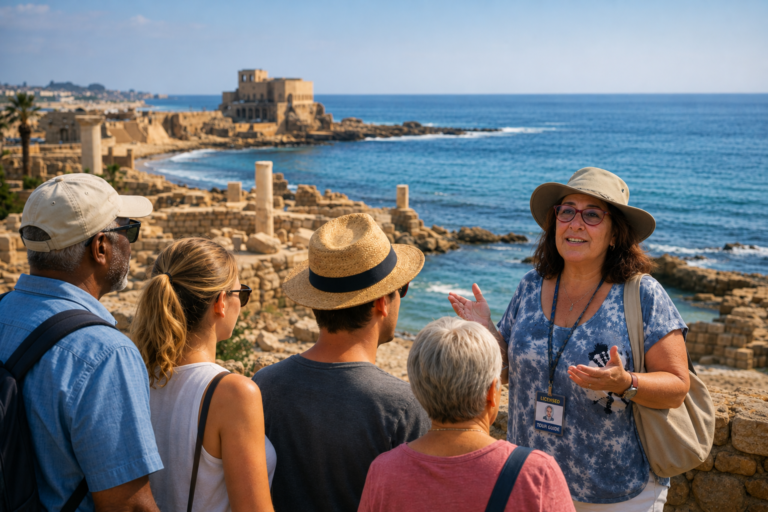
Is Israel Good for Repeat Travelers?
The first time, many travelers come for Jerusalem, Masada, the Dead Sea, Jaffa, and Tel Aviv. The second time, they start asking better questions. Is Israel good for repeat travelers? Very much so – because this is a country that changes meaning when you return, especially once you move beyond the headline sites and begin traveling through its layers.
That is the real difference between a first visit and a return visit. A first trip often follows the classic arc: the places you have heard about for years, the landmarks you do not want to miss, the moments that help you get your bearings. A repeat trip is usually more personal. You are no longer trying to “cover Israel.” You are trying to experience it in a way that fits who you are.
Why Israel rewards a second or third visit
Israel is small on the map, but it is not small as a travel experience. Distances are short, yet the cultural, geographic, culinary, spiritual, and historical shifts can be dramatic within a single day. It is truly an ever growing patchwork of layers. That makes it unusually strong for repeat travelers, because you can come back with a completely different lens and feel like you are seeing a different country.
One return trip might focus on the desert – sunrise over the cliffs, quiet trails, jeep routes, and nights under a huge open sky. Another might center on food, markets, wineries, farm visits, and hands-on cooking. Another might be built around faith, archaeology, architecture, art, innovation, or family heritage. Israel is one of those places where a change in theme can transform the trip.
That is especially appealing for travelers who do not want a generic package. If you have already stood at the major viewpoints and checked off the famous names, the next visit can go deeper rather than broader.
Is Israel good for repeat travelers who have seen the main sites?
Yes, and this is where Israel becomes even more interesting.
Once the pressure of “seeing everything” is gone, you notice what many first-time visitors miss. You can spend more time in a single neighborhood instead of racing through a city. You can visit a lesser-known archaeological site and actually understand what you are looking at. You can trade a standard sightseeing day for a conversation, a workshop, a culinary experience, or a scenic hike that shows another side of the country.
Repeat travelers often enjoy the freedom to slow down. Instead of standing in one more museum because it feels obligatory, they might choose a mosaic workshop, a bakery visit, a foraging outing, a sailing day, a desert 4×4 adventure, or a private encounter shaped around a personal interest. That is not a lesser version of travel. In Israel, it is often the richer one.
There is also a practical advantage. If you already know the basic geography and rhythm of the country, your second trip can be planned more intelligently. You know whether you prefer ancient stones or contemporary neighborhoods, mountain air or Mediterranean energy, quiet villages or lively markets. That self-knowledge leads to better days.
The hidden-gem factor matters more on a return trip
Some destinations are built mainly around a short list of famous attractions. Once you have seen them, the reason to return can feel limited. Israel works differently. Its hidden gems are not filler. They are often the moments people remember most.
That might mean a tucked-away historical site with almost no crowds, a scenic drive into a landscape that first-time visitors never reach, or time with people whose perspective adds real texture to the journey. It can mean visiting a studio, a farm, a winery, a local kitchen, or a small community setting that turns the country from an idea into a lived experience.
For repeat travelers, these moments are powerful because they offer connection rather than coverage. You are not collecting sights. You are building understanding.
This is also why personalized touring makes such a difference. A return traveler rarely wants the same route designed for someone arriving for the first time. They want a trip that acknowledges what they have already seen and then opens new doors.
Israel suits many kinds of repeat travelers
Not every returning visitor wants the same thing, and Israel handles that well.
Some come back because the first trip felt too fast. They want more time in Jerusalem, not less. They want to understand how one street can hold centuries of meaning, or how a market changes from morning to evening. Others return because they only scratched the surface of the country beyond the major cities.
There are travelers who come back for outdoor experiences – hiking, mountain scenery, desert routes, water activities, or off-roading. There are travelers who want a short but meaningful visit built around a business trip, with one or two deeply worthwhile days rather than a packed schedule. Families often return with different ages and stages in mind, choosing activities that blend history with fun and hands-on engagement. Faith-based visitors may come back wanting a more reflective pace and more context. Culturally curious travelers often return because they realize how much there is to learn through people, food, music, daily life, and place.
That range matters. It means repeat travel in Israel is not just possible. It is naturally adaptable.
What changes when the trip is customized
A repeat visit usually works best when the itinerary begins with the traveler, not with a standard route.
If you love archaeology, your days can be built around sites that reward close attention rather than quick photo stops. If food is your way into a place, the trip can follow flavors, kitchens, vineyards, markets, and regional specialties. If you are drawn to nature and movement, the country offers desert tracks, coastal walks, green northern landscapes, and activities that turn sightseeing into participation.
The biggest advantage of customization is not luxury for luxury’s sake. It is relevance. You get more from a return trip when the day reflects your curiosity. Even one thoughtful visit with an expert, one meaningful conversation, or one overlooked corner can reshape how you understand the whole country.
For travelers who have already been here, that can be the difference between another trip and a memorable one.
The trade-offs to know before you return
There is one honest caveat: if you want only famous landmarks and a quick checklist, a second trip may not feel as exciting as the first. Return travel in Israel shines when you are open to depth, variety, and a bit of surprise.
It also helps to be clear about pace. Trying to cram every region into a short repeat visit can flatten the experience. A better approach is usually to choose a focus and let the trip breathe. Two thoughtfully designed areas often deliver more than five rushed ones.
Another trade-off is emotional, in a good way. The more personal the trip, the less it feels like spectator travel. Some travelers love that immediately. Others need a little nudge to move beyond familiar sightseeing habits. Once they do, the reward is often much greater.
So, is Israel good for repeat travelers?
Yes – not because there are endless places to tick off, but because Israel invites return in a deeper way. It rewards curiosity. It supports different travel styles. It can be active, reflective, spiritual, adventurous, culinary, scenic, and intensely personal, sometimes all in the same trip.
For many travelers, the first visit is about recognition. The second is about relationship.
That is where a guide with real local knowledge becomes invaluable. Someone who knows the famous places, of course, but also knows when to turn off the expected road, when to linger, and how to shape the day around what matters to you. That is where a company like Patchwork Israel becomes especially valuable for returning visitors, because the goal is not to repeat a standard itinerary. It is to create a trip that feels like your next chapter here.
If Israel has stayed with you since your last visit, that is probably your answer already. Come back with a narrower focus, better questions, and room for the unexpected. This country has a remarkable way of meeting repeat travelers with something new.

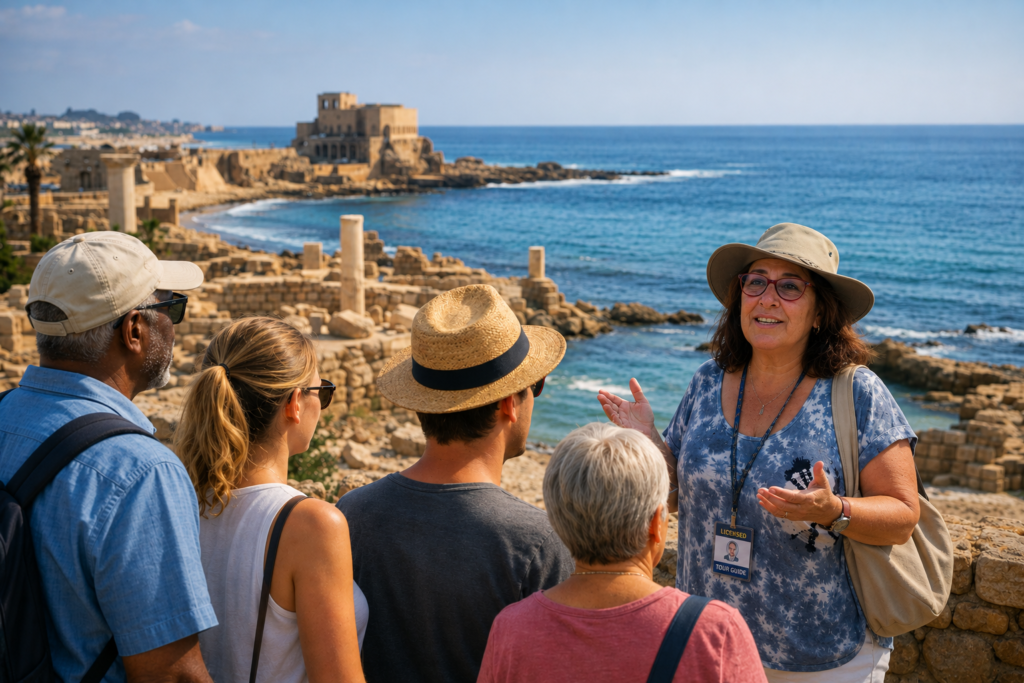
Is Israel Good for Repeat Travelers?
The first time, many travelers come for Jerusalem, Masada, the Dead Sea, Jaffa, and Tel Aviv. The second time, they start asking better questions. Is Israel good for repeat travelers? Very much so – because this is a country that changes meaning when you return, especially once you move beyond the headline sites and begin traveling through its layers.
That is the real difference between a first visit and a return visit. A first trip often follows the classic arc: the places you have heard about for years, the landmarks you do not want to miss, the moments that help you get your bearings. A repeat trip is usually more personal. You are no longer trying to “cover Israel.” You are trying to experience it in a way that fits who you are.
Why Israel rewards a second or third visit
Israel is small on the map, but it is not small as a travel experience. Distances are short, yet the cultural, geographic, culinary, spiritual, and historical shifts can be dramatic within a single day. It is truly an ever growing patchwork of layers. That makes it unusually strong for repeat travelers, because you can come back with a completely different lens and feel like you are seeing a different country.
One return trip might focus on the desert – sunrise over the cliffs, quiet trails, jeep routes, and nights under a huge open sky. Another might center on food, markets, wineries, farm visits, and hands-on cooking. Another might be built around faith, archaeology, architecture, art, innovation, or family heritage. Israel is one of those places where a change in theme can transform the trip.
That is especially appealing for travelers who do not want a generic package. If you have already stood at the major viewpoints and checked off the famous names, the next visit can go deeper rather than broader.
Is Israel good for repeat travelers who have seen the main sites?
Yes, and this is where Israel becomes even more interesting.
Once the pressure of “seeing everything” is gone, you notice what many first-time visitors miss. You can spend more time in a single neighborhood instead of racing through a city. You can visit a lesser-known archaeological site and actually understand what you are looking at. You can trade a standard sightseeing day for a conversation, a workshop, a culinary experience, or a scenic hike that shows another side of the country.
Repeat travelers often enjoy the freedom to slow down. Instead of standing in one more museum because it feels obligatory, they might choose a mosaic workshop, a bakery visit, a foraging outing, a sailing day, a desert 4×4 adventure, or a private encounter shaped around a personal interest. That is not a lesser version of travel. In Israel, it is often the richer one.
There is also a practical advantage. If you already know the basic geography and rhythm of the country, your second trip can be planned more intelligently. You know whether you prefer ancient stones or contemporary neighborhoods, mountain air or Mediterranean energy, quiet villages or lively markets. That self-knowledge leads to better days.
The hidden-gem factor matters more on a return trip
Some destinations are built mainly around a short list of famous attractions. Once you have seen them, the reason to return can feel limited. Israel works differently. Its hidden gems are not filler. They are often the moments people remember most.
That might mean a tucked-away historical site with almost no crowds, a scenic drive into a landscape that first-time visitors never reach, or time with people whose perspective adds real texture to the journey. It can mean visiting a studio, a farm, a winery, a local kitchen, or a small community setting that turns the country from an idea into a lived experience.
For repeat travelers, these moments are powerful because they offer connection rather than coverage. You are not collecting sights. You are building understanding.
This is also why personalized touring makes such a difference. A return traveler rarely wants the same route designed for someone arriving for the first time. They want a trip that acknowledges what they have already seen and then opens new doors.
Israel suits many kinds of repeat travelers
Not every returning visitor wants the same thing, and Israel handles that well.
Some come back because the first trip felt too fast. They want more time in Jerusalem, not less. They want to understand how one street can hold centuries of meaning, or how a market changes from morning to evening. Others return because they only scratched the surface of the country beyond the major cities.
There are travelers who come back for outdoor experiences – hiking, mountain scenery, desert routes, water activities, or off-roading. There are travelers who want a short but meaningful visit built around a business trip, with one or two deeply worthwhile days rather than a packed schedule. Families often return with different ages and stages in mind, choosing activities that blend history with fun and hands-on engagement. Faith-based visitors may come back wanting a more reflective pace and more context. Culturally curious travelers often return because they realize how much there is to learn through people, food, music, daily life, and place.
That range matters. It means repeat travel in Israel is not just possible. It is naturally adaptable.
What changes when the trip is customized
A repeat visit usually works best when the itinerary begins with the traveler, not with a standard route.
If you love archaeology, your days can be built around sites that reward close attention rather than quick photo stops. If food is your way into a place, the trip can follow flavors, kitchens, vineyards, markets, and regional specialties. If you are drawn to nature and movement, the country offers desert tracks, coastal walks, green northern landscapes, and activities that turn sightseeing into participation.
The biggest advantage of customization is not luxury for luxury’s sake. It is relevance. You get more from a return trip when the day reflects your curiosity. Even one thoughtful visit with an expert, one meaningful conversation, or one overlooked corner can reshape how you understand the whole country.
For travelers who have already been here, that can be the difference between another trip and a memorable one.
The trade-offs to know before you return
There is one honest caveat: if you want only famous landmarks and a quick checklist, a second trip may not feel as exciting as the first. Return travel in Israel shines when you are open to depth, variety, and a bit of surprise.
It also helps to be clear about pace. Trying to cram every region into a short repeat visit can flatten the experience. A better approach is usually to choose a focus and let the trip breathe. Two thoughtfully designed areas often deliver more than five rushed ones.
Another trade-off is emotional, in a good way. The more personal the trip, the less it feels like spectator travel. Some travelers love that immediately. Others need a little nudge to move beyond familiar sightseeing habits. Once they do, the reward is often much greater.
So, is Israel good for repeat travelers?
Yes – not because there are endless places to tick off, but because Israel invites return in a deeper way. It rewards curiosity. It supports different travel styles. It can be active, reflective, spiritual, adventurous, culinary, scenic, and intensely personal, sometimes all in the same trip.
For many travelers, the first visit is about recognition. The second is about relationship.
That is where a guide with real local knowledge becomes invaluable. Someone who knows the famous places, of course, but also knows when to turn off the expected road, when to linger, and how to shape the day around what matters to you. That is where a company like Patchwork Israel becomes especially valuable for returning visitors, because the goal is not to repeat a standard itinerary. It is to create a trip that feels like your next chapter here.
If Israel has stayed with you since your last visit, that is probably your answer already. Come back with a narrower focus, better questions, and room for the unexpected. This country has a remarkable way of meeting repeat travelers with something new.



Get the latest blog updates in your inbox.