Top Israel Educational Travel Activities
A stone inscription can make an ancient city feel immediate. So can kneading dough in a home kitchen, walking a dry desert wadi, or sitting with a local expert whose everyday work reveals a side of Israel most visitors never meet. The top Israel educational travel activities are not lectures delivered beside a bus. They are carefully chosen experiences that let history, landscape, faith, food, and contemporary life speak to one another.
For a first visit, this can mean adding depth to the places you have always hoped to see. For returning travelers, it can mean leaving the familiar route behind for a day shaped around a particular question, interest, or family story. The right educational itinerary should feel personal, lively, and memorable – not like school on vacation.
Start With Places That Put History Under Your Feet
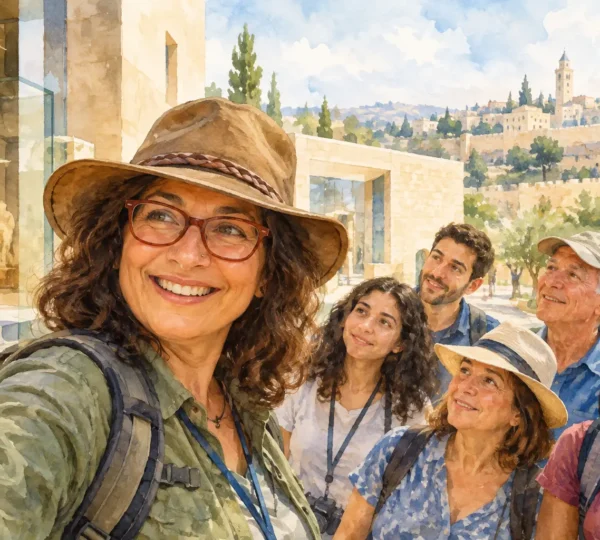
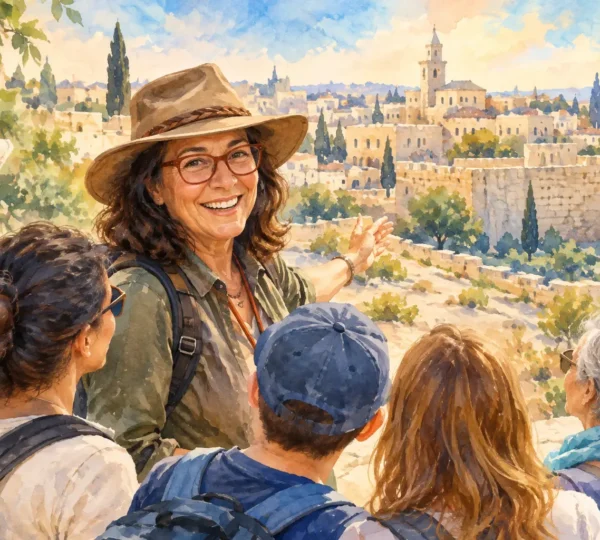
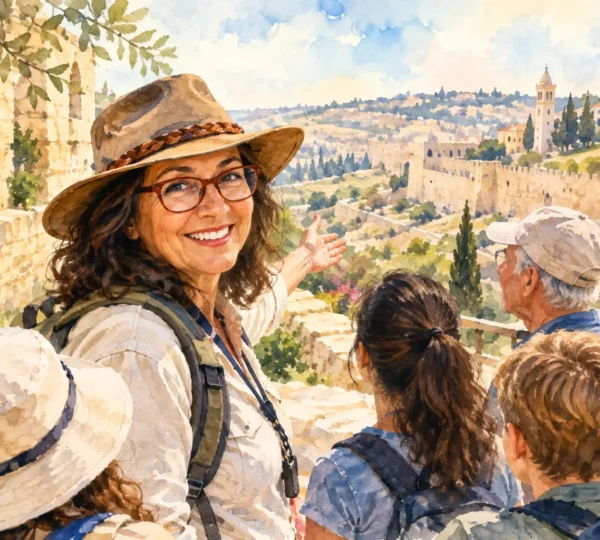
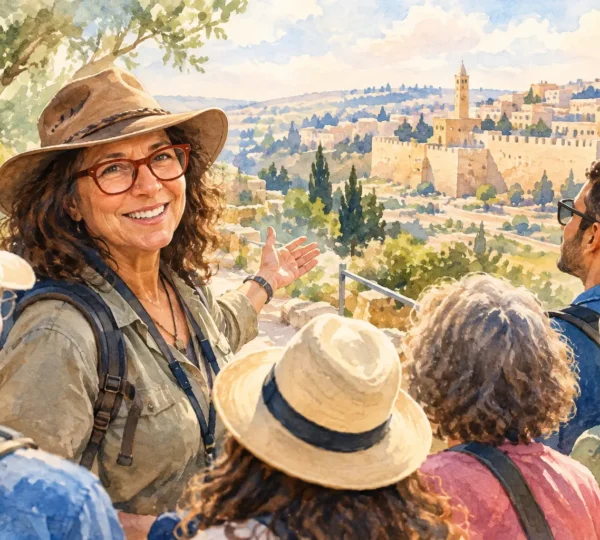
Israel’s archaeological sites are especially rewarding when they are approached as human stories rather than collections of old stones. In Jerusalem, a walk through layers of ancient streets, water systems, markets, and sacred quarters can show how one compact city has held meaning for generations. A knowledgeable guide helps connect what is visible in front of you with the wider story, while also allowing room for your own reflections.
Caesarea offers a different kind of lesson. Its harbor, theater, bathhouses, and aqueduct make it easy to understand how a coastal city functioned in the classical world. A visit works beautifully for families and multigenerational groups because there is space to walk, look closely, and imagine the sound and movement of a city by the sea.
Masada, meanwhile, is best experienced early, before the heat builds and the plateau fills with visitors. The ascent, whether by trail or cable car, becomes part of the learning. Looking over the Judean Desert from above gives essential context to the site itself: water, isolation, trade routes, and the astonishing determination required to live in such a landscape.
The trade-off with famous sites is simple. They are significant for good reason, but they can be busy and deserve more than a rushed stop. A private itinerary can balance a major landmark with a quieter nearby place, perhaps a lesser-known viewpoint, an archaeological detail most groups pass, or a regional meal that gives the day a more human rhythm.
Top Israel Educational Travel Activities Beyond the Landmark
The strongest educational travel days mix observation with participation. Instead of only hearing how people lived, worked, prayed, built, cooked, or adapted to the land, travelers can try something themselves.
Learn Through Food and Hands-On Craft
A market visit becomes more meaningful when it is followed by a cooking workshop or a conversation with a culinary specialist. Ingredients can open a discussion about seasonality, migration, agriculture, family traditions, and the different communities that have shaped local tables. You do not need to be an ambitious cook to enjoy it. The pleasure is in tasting, asking questions, and recognizing that food is often one of the most direct paths into a place.
Hands-on workshops offer a similarly lasting connection. Mosaic making brings ancient patterns into focus through the slow work of placing color and stone. A baking session can turn a short stop into a warm, sensory encounter. For travelers who prefer action to museum labels, these activities give history and culture a practical dimension.
Meet the People Behind the Headlines and Stereotypes
A thoughtfully arranged personal visit can be one of the most meaningful parts of a trip. Depending on your interests, that might involve a farmer working with new growing methods, an artist in a studio, an architect considering the built environment, an academic, a clergy member, or someone working in technology or food production.
These meetings should never be treated as a performance. The goal is respectful conversation, guided by curiosity and matched to the traveler’s interests. A business traveler with one free afternoon may appreciate a focused visit with an innovator or entrepreneur. A family may prefer a farm, workshop, or home-hosted activity where every age has something to notice and discuss.
Because schedules and access vary, these encounters need advance planning and flexibility. The most valuable conversation is not always the most formal one. Sometimes an informal visit, a shared cup of coffee, and time for genuine questions teach more than a packed agenda.
Take the Classroom Outdoors
The desert is not empty scenery. It is an active lesson in geology, water management, wildlife, navigation, and resilience. Guided hiking in the Negev or the Judean Desert can be adapted for serious walkers, families with teens, or travelers who want a gentle scenic route. A guide can point out ancient terraces, desert plants, seasonal streams, and the signs that reveal how people have made use of challenging terrain over centuries.
For those who want more adventure, a 4×4 day can reach remote landscapes that are difficult to access on foot. This is not merely an exciting ride. Done well, it explains the shape of the land and reveals why a ridge, crater, spring, or hidden valley matters. Conditions matter here: weather, trail accessibility, fitness, and comfort with uneven ground should determine the route.
Other active choices can add a different kind of learning. Foraging introduces the edible landscape. Sailing invites an understanding of the coast and maritime life. Scuba diving can bring a marine environment into view, while a camel ride may be a fitting addition to a broader desert day. The best choice depends on whether your group wants physical challenge, quiet observation, or a little of both.
Build a Day Around a Question, Not a Checklist
The difference between sightseeing and educational travel often comes down to one decision: begin with a question. What do you want to understand more deeply?
A heritage-focused day might ask how ancient pilgrims, merchants, and residents moved through Jerusalem. A culinary day might follow the question of how land, climate, and family tradition appear on a plate. A nature-oriented route might investigate how water has shaped settlement from antiquity to the present. For a group of students, the question can provide a clear thread through several stops without making the day feel overly structured.
This approach is especially useful for travelers who have already visited Israel. You may not need another quick circuit through every major site. Perhaps you want to look closely at one neighborhood, spend time in a northern village, meet craftspeople, follow an architectural theme, or combine a favorite destination with a new outdoor activity. There are hidden gems throughout the country, but a hidden place is only worthwhile when it serves your interests rather than simply being unusual.
Make Room for Different Ages, Energies, and Interests
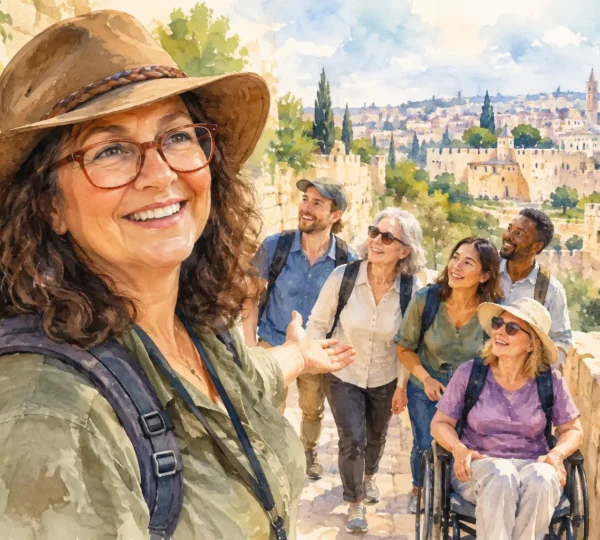
Educational travel does not have to mean that everyone learns in the same way. One person may be absorbed by ancient engineering, another by local flavors, and another by the chance to hike to a view. A tailor-made day can make room for these differences without splitting the group into separate vacations.
For a family group, that may mean pairing a compelling archaeological site with an active workshop or short hike. For adults traveling together, it might mean a morning of historical depth followed by a relaxed long lunch and a conversation with a local specialist. Larger educational groups need a clear pace, good logistics, and activities that encourage participation rather than passive listening.
It also helps to be honest about limits. Not every day should begin before sunrise and end after dark. Israel is rich enough that a well-paced day with two or three meaningful experiences can be far more rewarding than trying to cover six locations. Leave time for questions, unexpected discoveries, and the occasional stop that was not on the original plan.
Let Expertise Shape the Experience, Not Overwhelm It
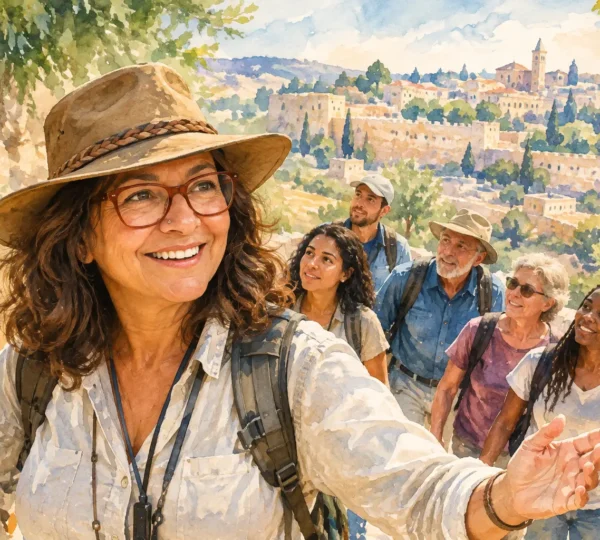
A licensed guide’s role is to make connections that might otherwise remain invisible: the line of an old road, the story inside a street name, the practical reason a village grew where it did, or the way a landscape changes from one season to the next. At Patchwork Israel, every itinerary can be built around the subjects that genuinely interest you, from classic heritage destinations to active, hands-on, and less familiar experiences.
The best educational travel activity is the one you will still be talking about after you return home. Choose one that asks you to look closer, participate fully, and carry a new question with you to the next stop.

Top Israel Educational Travel Activities
A stone inscription can make an ancient city feel immediate. So can kneading dough in a home kitchen, walking a dry desert wadi, or sitting with a local expert whose everyday work reveals a side of Israel most visitors never meet. The top Israel educational travel activities are not lectures delivered beside a bus. They are carefully chosen experiences that let history, landscape, faith, food, and contemporary life speak to one another.
For a first visit, this can mean adding depth to the places you have always hoped to see. For returning travelers, it can mean leaving the familiar route behind for a day shaped around a particular question, interest, or family story. The right educational itinerary should feel personal, lively, and memorable – not like school on vacation.
Start With Places That Put History Under Your Feet
Israel’s archaeological sites are especially rewarding when they are approached as human stories rather than collections of old stones. In Jerusalem, a walk through layers of ancient streets, water systems, markets, and sacred quarters can show how one compact city has held meaning for generations. A knowledgeable guide helps connect what is visible in front of you with the wider story, while also allowing room for your own reflections.
Caesarea offers a different kind of lesson. Its harbor, theater, bathhouses, and aqueduct make it easy to understand how a coastal city functioned in the classical world. A visit works beautifully for families and multigenerational groups because there is space to walk, look closely, and imagine the sound and movement of a city by the sea.
Masada, meanwhile, is best experienced early, before the heat builds and the plateau fills with visitors. The ascent, whether by trail or cable car, becomes part of the learning. Looking over the Judean Desert from above gives essential context to the site itself: water, isolation, trade routes, and the astonishing determination required to live in such a landscape.
The trade-off with famous sites is simple. They are significant for good reason, but they can be busy and deserve more than a rushed stop. A private itinerary can balance a major landmark with a quieter nearby place, perhaps a lesser-known viewpoint, an archaeological detail most groups pass, or a regional meal that gives the day a more human rhythm.
Top Israel Educational Travel Activities Beyond the Landmark
The strongest educational travel days mix observation with participation. Instead of only hearing how people lived, worked, prayed, built, cooked, or adapted to the land, travelers can try something themselves.
Learn Through Food and Hands-On Craft
A market visit becomes more meaningful when it is followed by a cooking workshop or a conversation with a culinary specialist. Ingredients can open a discussion about seasonality, migration, agriculture, family traditions, and the different communities that have shaped local tables. You do not need to be an ambitious cook to enjoy it. The pleasure is in tasting, asking questions, and recognizing that food is often one of the most direct paths into a place.
Hands-on workshops offer a similarly lasting connection. Mosaic making brings ancient patterns into focus through the slow work of placing color and stone. A baking session can turn a short stop into a warm, sensory encounter. For travelers who prefer action to museum labels, these activities give history and culture a practical dimension.
Meet the People Behind the Headlines and Stereotypes
A thoughtfully arranged personal visit can be one of the most meaningful parts of a trip. Depending on your interests, that might involve a farmer working with new growing methods, an artist in a studio, an architect considering the built environment, an academic, a clergy member, or someone working in technology or food production.
These meetings should never be treated as a performance. The goal is respectful conversation, guided by curiosity and matched to the traveler’s interests. A business traveler with one free afternoon may appreciate a focused visit with an innovator or entrepreneur. A family may prefer a farm, workshop, or home-hosted activity where every age has something to notice and discuss.
Because schedules and access vary, these encounters need advance planning and flexibility. The most valuable conversation is not always the most formal one. Sometimes an informal visit, a shared cup of coffee, and time for genuine questions teach more than a packed agenda.
Take the Classroom Outdoors
The desert is not empty scenery. It is an active lesson in geology, water management, wildlife, navigation, and resilience. Guided hiking in the Negev or the Judean Desert can be adapted for serious walkers, families with teens, or travelers who want a gentle scenic route. A guide can point out ancient terraces, desert plants, seasonal streams, and the signs that reveal how people have made use of challenging terrain over centuries.
For those who want more adventure, a 4×4 day can reach remote landscapes that are difficult to access on foot. This is not merely an exciting ride. Done well, it explains the shape of the land and reveals why a ridge, crater, spring, or hidden valley matters. Conditions matter here: weather, trail accessibility, fitness, and comfort with uneven ground should determine the route.
Other active choices can add a different kind of learning. Foraging introduces the edible landscape. Sailing invites an understanding of the coast and maritime life. Scuba diving can bring a marine environment into view, while a camel ride may be a fitting addition to a broader desert day. The best choice depends on whether your group wants physical challenge, quiet observation, or a little of both.
Build a Day Around a Question, Not a Checklist
The difference between sightseeing and educational travel often comes down to one decision: begin with a question. What do you want to understand more deeply?
A heritage-focused day might ask how ancient pilgrims, merchants, and residents moved through Jerusalem. A culinary day might follow the question of how land, climate, and family tradition appear on a plate. A nature-oriented route might investigate how water has shaped settlement from antiquity to the present. For a group of students, the question can provide a clear thread through several stops without making the day feel overly structured.
This approach is especially useful for travelers who have already visited Israel. You may not need another quick circuit through every major site. Perhaps you want to look closely at one neighborhood, spend time in a northern village, meet craftspeople, follow an architectural theme, or combine a favorite destination with a new outdoor activity. There are hidden gems throughout the country, but a hidden place is only worthwhile when it serves your interests rather than simply being unusual.
Make Room for Different Ages, Energies, and Interests
Educational travel does not have to mean that everyone learns in the same way. One person may be absorbed by ancient engineering, another by local flavors, and another by the chance to hike to a view. A tailor-made day can make room for these differences without splitting the group into separate vacations.
For a family group, that may mean pairing a compelling archaeological site with an active workshop or short hike. For adults traveling together, it might mean a morning of historical depth followed by a relaxed long lunch and a conversation with a local specialist. Larger educational groups need a clear pace, good logistics, and activities that encourage participation rather than passive listening.
It also helps to be honest about limits. Not every day should begin before sunrise and end after dark. Israel is rich enough that a well-paced day with two or three meaningful experiences can be far more rewarding than trying to cover six locations. Leave time for questions, unexpected discoveries, and the occasional stop that was not on the original plan.
Let Expertise Shape the Experience, Not Overwhelm It
A licensed guide’s role is to make connections that might otherwise remain invisible: the line of an old road, the story inside a street name, the practical reason a village grew where it did, or the way a landscape changes from one season to the next. At Patchwork Israel, every itinerary can be built around the subjects that genuinely interest you, from classic heritage destinations to active, hands-on, and less familiar experiences.
The best educational travel activity is the one you will still be talking about after you return home. Choose one that asks you to look closer, participate fully, and carry a new question with you to the next stop.
Get the latest blog updates in your inbox.