
Israel Experiential Travel Trends Worth Following
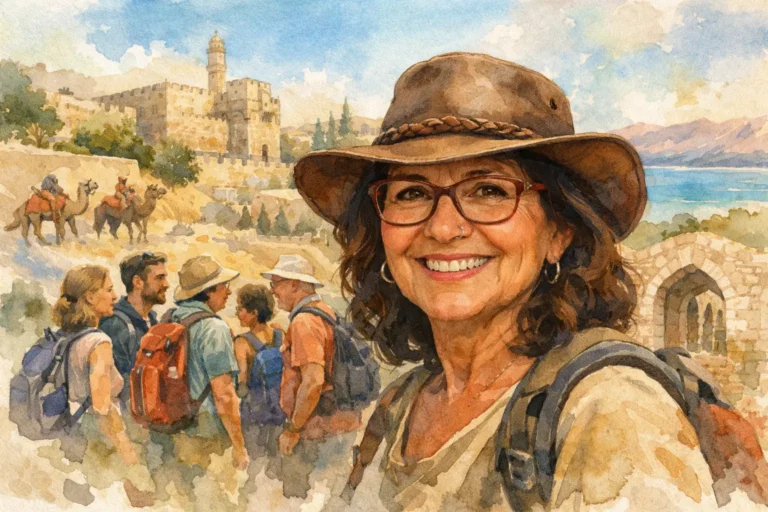
A sunrise walk above the Judean Desert, bread coming warm from a neighborhood bakery, a conversation with a local maker, and an afternoon at an archaeological site can belong in the same day. That is the heart of Israel experiential travel trends: travelers are moving beyond checking famous places off a list and asking how a place feels, tastes, sounds, and connects to their own story.
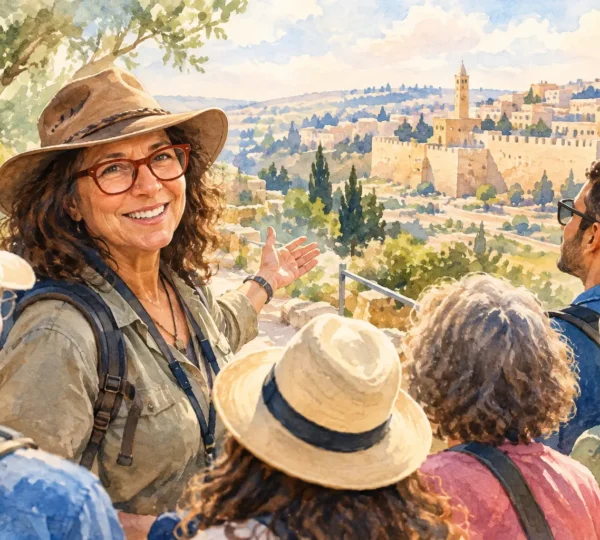
For some visitors, that means returning to a beloved heritage site with enough time to understand its layers. For others, it means leaving the familiar route for a farm, a studio, a forest trail, or a small community where the day unfolds through people as much as scenery. The best experiences do not replace Israel’s major highlights. They give those highlights context and make room for surprise.
Israel Experiential Travel Trends: Depth Over Distance
The old idea of seeing as much as possible in the shortest possible time is giving way to a more satisfying question: what will stay with me after I go home? A private, well-paced day can offer more than a packed schedule of quick stops, especially in a country where history, faith, landscape, food, and everyday life often sit just minutes apart.
This does not mean every traveler wants a slow trip. A business visitor may have only one free afternoon. A multigenerational family may want variety without long drives. A returning visitor may be ready to skip the headline attractions altogether. Experiential travel works because it can be shaped around the time, energy, interests, and mobility of the people traveling.
A meaningful itinerary might pair Jerusalem’s ancient stones with a hands-on culinary workshop, or combine Caesarea with a coastal walk and a conversation about the craft behind a local product. In the north, a scenic hike can lead naturally into a regional meal. In the south, a 4×4 route can make the desert feel less like a view from an overlook and more like a landscape you have entered.
Travelers Want Encounters, Not Performances
Authenticity is often used loosely in travel. A truly authentic encounter is not a staged moment designed to make visitors feel like spectators. It is a respectful, well-prepared opportunity to meet people, hear their perspectives, and see how their work, traditions, or daily routines shape the places travelers pass through.
This may look like visiting an artist in a working studio, meeting a farmer, spending time with a culinary expert, or arranging a thoughtful conversation with an academic, architect, historian, or entrepreneur. These meetings are especially valuable for travelers who want to understand Israel as a living, complicated, creative society rather than only as a collection of historic locations.
The right fit matters. Not everyone wants a long discussion, and not every visit needs to be intensely educational. A family with teenagers may connect more readily through a food activity, a scavenger-style exploration, or a challenging hike. Adults returning for a second or third visit may prefer a longer conversation and a behind-the-scenes visit. Personalization is not about adding activities for the sake of it. It is about choosing experiences that invite genuine curiosity.
Food Has Become a Way Into Place
Culinary travel continues to grow because a meal can tell a story quickly and generously. Markets, bakeries, home kitchens, small restaurants, wineries, and farm tables all offer a sense of place that no guidebook description can fully capture.
In Israel, food experiences can be as simple as learning what to order in a busy market or as involved as cooking, baking, foraging, and sitting down to share what was prepared. The value is not only in tasting something delicious. It is in recognizing how geography, season, migration, family memory, and local ingredients meet on one plate.
A food-focused day also needs balance. Some travelers want a relaxed tasting route with time to wander. Others want a hands-on workshop and a late lunch. Those with dietary needs, young children, or limited walking comfort need a different rhythm. A guide who knows the area can build in the right pauses and make the experience feel generous rather than rushed.
Nature Is More Than a Scenic Add-On
Israel’s compact size makes it possible to move from city streets to open desert, mountain views, forest paths, springs, and Mediterranean coastline within a relatively short time. That variety is behind another strong trend: travelers want to be active outdoors, but they want the activity to have a purpose.
A hike can reveal ancient pathways, local plants, water systems, and changing geology. A jeep tour can reach viewpoints and backcountry routes that a standard vehicle cannot access. Sailing, scuba diving, camel riding, skiing, and off-road driving may each suit a different traveler, season, and region. The key is matching the adventure to the group instead of forcing the group into a fixed adventure.
There are real trade-offs. A demanding trail may offer solitude and remarkable views but not work for guests with mobility concerns or a tight schedule. A 4×4 day can cover more ground but should still include time to get out, walk, and absorb the quiet. In warmer months, early starts and shaded stops matter. In cooler months, weather can reshape the plan. Flexibility is not a luxury in experiential travel. It is part of good guiding.
Hands-On Activities Make Memories Stick
People remember what they do. This is why workshops and active experiences have become such a natural part of customized travel. Making a mosaic, joining a baking session, trying an F16 flight simulator, experiencing a wind tunnel, or taking part in a driving activity creates a different kind of connection than simply watching from the side.
These experiences are particularly effective for families and educational groups, where travelers of different ages need more than one way to engage. They also work beautifully for couples, friends, and corporate visitors who want a short, memorable break from meetings or conventional sightseeing.
The strongest itineraries use these activities as part of the story of the day. A mosaic workshop after visiting an archaeological site, for example, gives historical detail a tactile form. A desert outing followed by a regional meal turns a landscape into something personal. The activity should support the destination, not distract from it.
The Return Visitor Is Driving New Ideas
Many travelers arrive having already seen Jerusalem, the Dead Sea, Masada, Jaffa, Tel Aviv, and Caesarea. They do not need to be told these places are worthwhile. They need a reason to see them differently, or permission to spend a day somewhere they have never heard of.
That is where lesser-known neighborhoods, local workshops, seasonal trails, private visits, and specialized themes become especially valuable. A history enthusiast may want to focus on a single era. A faith-based traveler may seek a quieter, more reflective route. Someone interested in innovation may prefer a visit built around agriculture, technology, design, or environmental ingenuity. The more specific the curiosity, the more memorable the day can become.
At Patchwork Israel, I see this again and again: the itinerary becomes more interesting when it reflects the traveler rather than a standard brochure. One group may want a thoughtful day of heritage and food. Another may want boots, dust, a 4×4 vehicle, and a wide desert horizon. Both are valid ways to experience the country.
What This Means for Planning an Experiential Trip
Start with interests rather than destinations. Consider the moments you want more of: conversation, spirituality, movement, food, nature, craftsmanship, family time, or history. Then consider your pace. A meaningful day usually needs breathing room for questions, unexpected discoveries, and the simple pleasure of being somewhere new.
It also helps to be honest about comfort levels. Say whether you enjoy long walks, prefer gentle terrain, need frequent breaks, love early mornings, or would rather linger over lunch. Those details allow a guide to make smart choices before the trip begins.
The most rewarding travel plans leave room for both the iconic and the unplanned. See the places that have called to you for years, then let an expert local guide introduce the small road, conversation, taste, or landscape that was never on your original list. That is often where the real journey begins.

Israel Experiential Travel Trends Worth Following
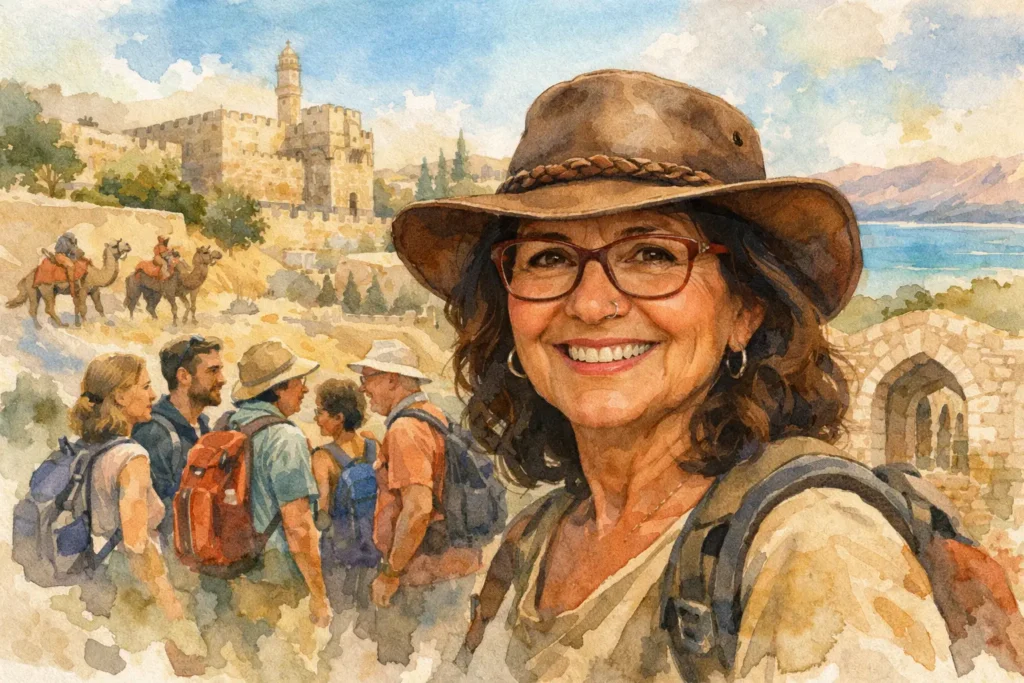
A sunrise walk above the Judean Desert, bread coming warm from a neighborhood bakery, a conversation with a local maker, and an afternoon at an archaeological site can belong in the same day. That is the heart of Israel experiential travel trends: travelers are moving beyond checking famous places off a list and asking how a place feels, tastes, sounds, and connects to their own story.
For some visitors, that means returning to a beloved heritage site with enough time to understand its layers. For others, it means leaving the familiar route for a farm, a studio, a forest trail, or a small community where the day unfolds through people as much as scenery. The best experiences do not replace Israel’s major highlights. They give those highlights context and make room for surprise.
Israel Experiential Travel Trends: Depth Over Distance
The old idea of seeing as much as possible in the shortest possible time is giving way to a more satisfying question: what will stay with me after I go home? A private, well-paced day can offer more than a packed schedule of quick stops, especially in a country where history, faith, landscape, food, and everyday life often sit just minutes apart.
This does not mean every traveler wants a slow trip. A business visitor may have only one free afternoon. A multigenerational family may want variety without long drives. A returning visitor may be ready to skip the headline attractions altogether. Experiential travel works because it can be shaped around the time, energy, interests, and mobility of the people traveling.
A meaningful itinerary might pair Jerusalem’s ancient stones with a hands-on culinary workshop, or combine Caesarea with a coastal walk and a conversation about the craft behind a local product. In the north, a scenic hike can lead naturally into a regional meal. In the south, a 4×4 route can make the desert feel less like a view from an overlook and more like a landscape you have entered.
Travelers Want Encounters, Not Performances
Authenticity is often used loosely in travel. A truly authentic encounter is not a staged moment designed to make visitors feel like spectators. It is a respectful, well-prepared opportunity to meet people, hear their perspectives, and see how their work, traditions, or daily routines shape the places travelers pass through.
This may look like visiting an artist in a working studio, meeting a farmer, spending time with a culinary expert, or arranging a thoughtful conversation with an academic, architect, historian, or entrepreneur. These meetings are especially valuable for travelers who want to understand Israel as a living, complicated, creative society rather than only as a collection of historic locations.
The right fit matters. Not everyone wants a long discussion, and not every visit needs to be intensely educational. A family with teenagers may connect more readily through a food activity, a scavenger-style exploration, or a challenging hike. Adults returning for a second or third visit may prefer a longer conversation and a behind-the-scenes visit. Personalization is not about adding activities for the sake of it. It is about choosing experiences that invite genuine curiosity.
Food Has Become a Way Into Place
Culinary travel continues to grow because a meal can tell a story quickly and generously. Markets, bakeries, home kitchens, small restaurants, wineries, and farm tables all offer a sense of place that no guidebook description can fully capture.
In Israel, food experiences can be as simple as learning what to order in a busy market or as involved as cooking, baking, foraging, and sitting down to share what was prepared. The value is not only in tasting something delicious. It is in recognizing how geography, season, migration, family memory, and local ingredients meet on one plate.
A food-focused day also needs balance. Some travelers want a relaxed tasting route with time to wander. Others want a hands-on workshop and a late lunch. Those with dietary needs, young children, or limited walking comfort need a different rhythm. A guide who knows the area can build in the right pauses and make the experience feel generous rather than rushed.
Nature Is More Than a Scenic Add-On
Israel’s compact size makes it possible to move from city streets to open desert, mountain views, forest paths, springs, and Mediterranean coastline within a relatively short time. That variety is behind another strong trend: travelers want to be active outdoors, but they want the activity to have a purpose.
A hike can reveal ancient pathways, local plants, water systems, and changing geology. A jeep tour can reach viewpoints and backcountry routes that a standard vehicle cannot access. Sailing, scuba diving, camel riding, skiing, and off-road driving may each suit a different traveler, season, and region. The key is matching the adventure to the group instead of forcing the group into a fixed adventure.
There are real trade-offs. A demanding trail may offer solitude and remarkable views but not work for guests with mobility concerns or a tight schedule. A 4×4 day can cover more ground but should still include time to get out, walk, and absorb the quiet. In warmer months, early starts and shaded stops matter. In cooler months, weather can reshape the plan. Flexibility is not a luxury in experiential travel. It is part of good guiding.
Hands-On Activities Make Memories Stick
People remember what they do. This is why workshops and active experiences have become such a natural part of customized travel. Making a mosaic, joining a baking session, trying an F16 flight simulator, experiencing a wind tunnel, or taking part in a driving activity creates a different kind of connection than simply watching from the side.
These experiences are particularly effective for families and educational groups, where travelers of different ages need more than one way to engage. They also work beautifully for couples, friends, and corporate visitors who want a short, memorable break from meetings or conventional sightseeing.
The strongest itineraries use these activities as part of the story of the day. A mosaic workshop after visiting an archaeological site, for example, gives historical detail a tactile form. A desert outing followed by a regional meal turns a landscape into something personal. The activity should support the destination, not distract from it.
The Return Visitor Is Driving New Ideas
Many travelers arrive having already seen Jerusalem, the Dead Sea, Masada, Jaffa, Tel Aviv, and Caesarea. They do not need to be told these places are worthwhile. They need a reason to see them differently, or permission to spend a day somewhere they have never heard of.
That is where lesser-known neighborhoods, local workshops, seasonal trails, private visits, and specialized themes become especially valuable. A history enthusiast may want to focus on a single era. A faith-based traveler may seek a quieter, more reflective route. Someone interested in innovation may prefer a visit built around agriculture, technology, design, or environmental ingenuity. The more specific the curiosity, the more memorable the day can become.
At Patchwork Israel, I see this again and again: the itinerary becomes more interesting when it reflects the traveler rather than a standard brochure. One group may want a thoughtful day of heritage and food. Another may want boots, dust, a 4×4 vehicle, and a wide desert horizon. Both are valid ways to experience the country.
What This Means for Planning an Experiential Trip
Start with interests rather than destinations. Consider the moments you want more of: conversation, spirituality, movement, food, nature, craftsmanship, family time, or history. Then consider your pace. A meaningful day usually needs breathing room for questions, unexpected discoveries, and the simple pleasure of being somewhere new.
It also helps to be honest about comfort levels. Say whether you enjoy long walks, prefer gentle terrain, need frequent breaks, love early mornings, or would rather linger over lunch. Those details allow a guide to make smart choices before the trip begins.
The most rewarding travel plans leave room for both the iconic and the unplanned. See the places that have called to you for years, then let an expert local guide introduce the small road, conversation, taste, or landscape that was never on your original list. That is often where the real journey begins.
Get the latest blog updates in your inbox.