
Masada Dead Sea Day Tour Review for First Timers
The desert changes quickly after Jerusalem fades behind you. Limestone slopes replace city streets, the air grows drier, and then the Dead Sea appears below – bright, still, and improbably blue. A Masada Dead Sea day tour review should begin there: this is not simply a day of checking off two famous sights. Done well, it is a journey through an extraordinary landscape, with time for ancient history, quiet reflection, and the distinctly joyful experience of floating in the saltiest body of water on Earth.
For many first-time visitors, Masada and the Dead Sea are essential. The real question is not whether they are worth seeing. It is how to see them without turning a powerful day into a rushed bus itinerary.
What a Masada Dead Sea Day Tour Is Really Like
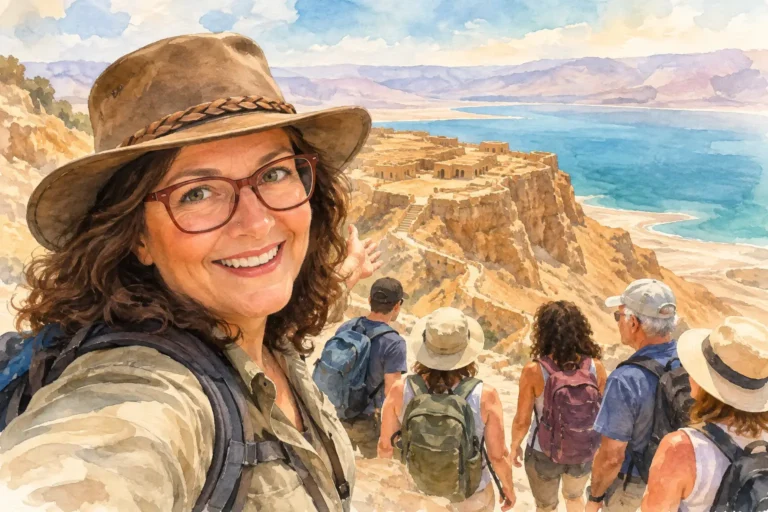
Masada sits on a dramatic desert plateau above the Dead Sea. Its story is one of determination, survival, and memory, but the setting is what first catches most people by surprise. Looking out from the summit, you see the Judean Desert stretching toward rugged mountains in Jordan, with the Dead Sea far below. Even travelers who do not consider themselves history enthusiasts tend to pause here.
A typical day combines Masada in the morning with time at the Dead Sea later on. That sequence makes practical sense. Masada is exposed, and the desert heat can become intense by late morning, especially from late spring through early fall. Starting early also gives the site more space and calm before the busiest hours.
At Masada, visitors usually choose between the cable car and the Snake Path. The cable car is right for guests who want to conserve energy, families with different fitness levels, travelers with limited mobility, or anyone who prefers to spend their time exploring the summit itself. The Snake Path is a rewarding uphill hike for active travelers, but it requires an early start, sufficient water, proper footwear, and a realistic view of your abilities. It is not a casual stroll, particularly in warm weather.
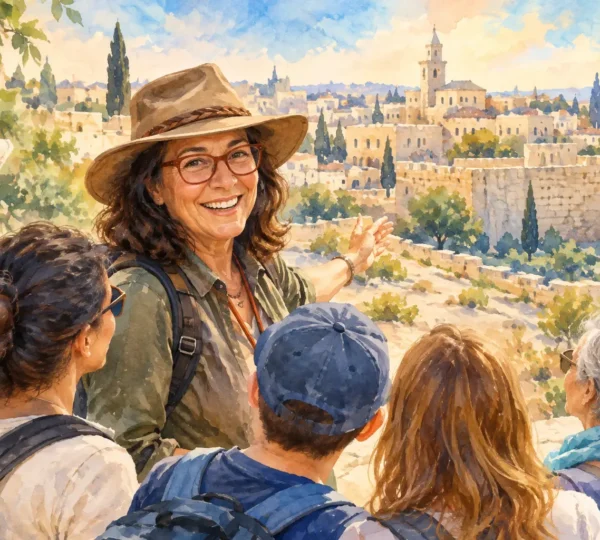
Once at the top, a good guide makes the ruins legible. You are not just looking at stones. You can understand how water was stored in a harsh environment, where people lived, how a palace was constructed on the edge of a cliff, and why this mountaintop has such a lasting place in Jewish heritage and the wider story of the region. The details matter, but so does having time to absorb the view without being hurried along.
The Dead Sea Is the Counterpoint to Masada
After Masada’s high, dry drama, the Dead Sea brings a complete change of pace. The water is dense with minerals and so buoyant that floating feels almost comical the first time. You lean back, lift your feet, and discover that the water is doing the work for you.
This part of the day is easy to underestimate. Visitors sometimes imagine a quick photo stop, but an unhurried hour or two can be far more satisfying. A well-chosen beach or hotel facility provides changing rooms, showers, shade, and easier access to the water. That comfort is especially welcome after a desert morning.
There are a few realities worth knowing before you go. Do not shave immediately before entering the water, and keep it away from your eyes and mouth. Even a small cut can sting sharply. Most people float for short periods, rinse off afterward, and take a break in the shade. If you have sensitive skin, young children with you, or simply do not enjoy very salty water, your guide can shape this stop around your comfort rather than treating it as a fixed activity.
The classic mineral mud experience can be fun, but it is optional. Some guests love the ritual of covering themselves in dark mud before rinsing in the sea. Others prefer a swim, a cool drink, and time to look across the water. Both are valid ways to enjoy the place.
Is a Masada Dead Sea Day Tour Worth It?
Yes, for most visitors, especially if this is a first trip to Israel and you have one open day for the desert. Masada and the Dead Sea offer two experiences that cannot be reproduced in Jerusalem, Tel Aviv, or along the Mediterranean coast. One is archaeological and deeply rooted in history; the other is sensory, playful, and unmistakably geographical. Together, they make a memorable contrast.
That said, a standard large-group tour is not right for everyone. Group departures can be efficient and affordable, but they often run on a strict clock. You may have limited time at Masada, a predetermined lunch stop, and just enough time at the Dead Sea for a brief float before returning to the bus. For travelers who are comfortable with a fast overview, that may be perfectly adequate.
A private day has different advantages. You can decide whether sunrise matters to you, take the cable car instead of hiking, slow down for the archaeological details that interest you, choose a lunch that suits your tastes, and spend more or less time at the water. A couple celebrating a special trip may want a relaxed pace and a scenic lunch. A multigenerational family may need more rest stops. A business traveler with one free day may want the essential experience without wasting time. Flexibility is not a luxury here – it changes the feel of the entire day.
What Makes the Difference Between Good and Excellent
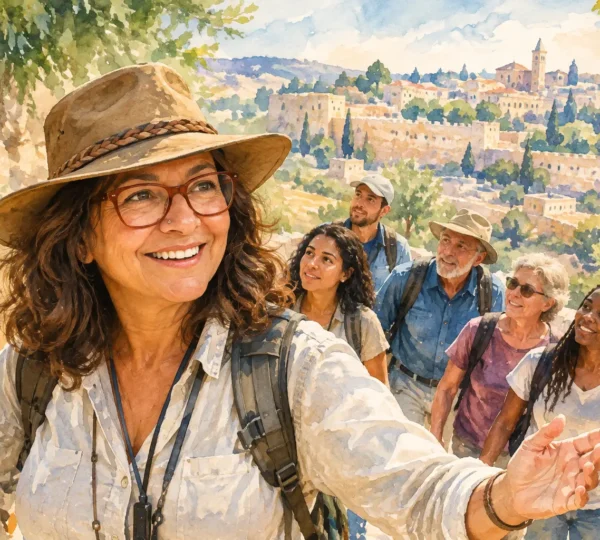
The most successful tours are planned around the travelers, not around a generic route. An experienced licensed guide knows how to read the day: when a hike is sensible, when the heat calls for a different plan, where crowds may affect the experience, and when it is better to leave room for an unexpected viewpoint or a quiet desert stop.
Timing is especially important. In summer, early departures are wise. In winter, temperatures are usually more forgiving, though daylight is shorter and occasional rain can affect hiking conditions. Spring brings beautiful desert light and, in some years, wildflowers. Fall can be especially pleasant for visitors who want warmth without peak summer heat.
Transportation also matters more than many travelers expect. The drive is part of the experience, and a guide who can point out the changing terrain, explain how people have adapted to the desert, and connect the landscape to what you will see at Masada adds meaning before you arrive. Private transportation also means you do not have to manage rental-car logistics, navigation, parking, or the long return drive after a full day in the sun.
For guests who have already seen Israel’s major highlights, the route can be made more personal. Depending on interests and time, it may include a desert overlook, a short walk in a nature reserve, a focus on ancient engineering, or a food stop that feels less like a tourist break and more like part of the day. That is where tailor-made guiding earns its place.
What to Bring and How to Prepare
Desert comfort starts with simple preparation. Wear breathable clothes, bring a hat, sunglasses, sunscreen, and sturdy walking shoes for Masada. Pack a swimsuit, towel, and a dry change of clothes for the Dead Sea. A refillable water bottle is essential, even during cooler months.
Do not judge the hike by your usual city walking routine. The Snake Path is exposed, steep in places, and demanding under a strong sun. If there is any doubt, take the cable car and save your energy for exploring the summit. The goal is not to prove anything. It is to enjoy a remarkable place safely.
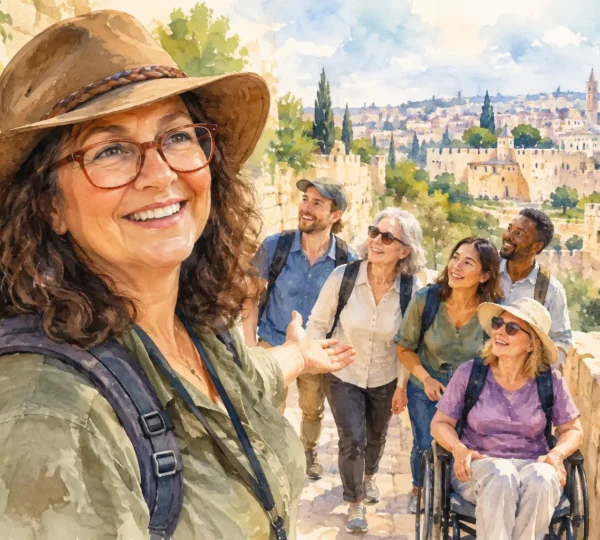
Guests with mobility concerns should mention them when planning. The cable car makes Masada accessible to many people, although the summit includes uneven archaeological surfaces. With advance thought, a private guide can create a day that feels inclusive rather than compromised.
A Day That Should Feel Like Yours
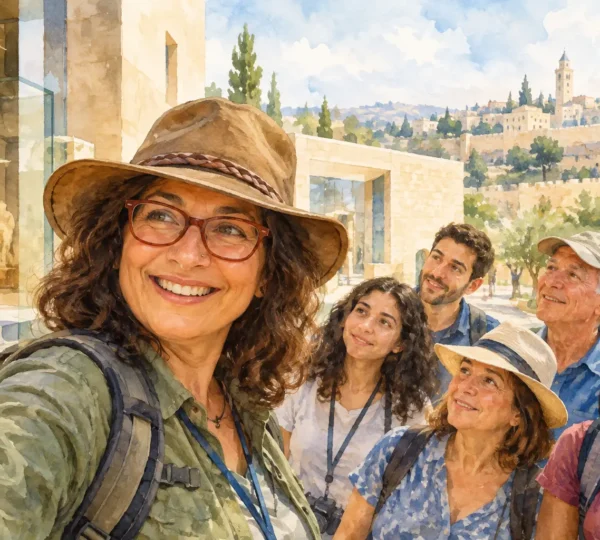
At Patchwork Israel, we see Masada and the Dead Sea as a conversation between history, landscape, and personal travel style. Some guests want the first light over the desert and a challenging climb. Others want an easy ascent, a detailed historical visit, a leisurely float, and time to enjoy the view. Neither approach is more authentic.
When you plan this day around your pace, interests, and energy, Masada becomes more than an iconic photograph and the Dead Sea becomes more than a novelty float. Leave room to stand quietly at the edge of the plateau, look across the desert, and let the place stay with you long after you have rinsed off the salt.

Masada Dead Sea Day Tour Review for First Timers
The desert changes quickly after Jerusalem fades behind you. Limestone slopes replace city streets, the air grows drier, and then the Dead Sea appears below – bright, still, and improbably blue. A Masada Dead Sea day tour review should begin there: this is not simply a day of checking off two famous sights. Done well, it is a journey through an extraordinary landscape, with time for ancient history, quiet reflection, and the distinctly joyful experience of floating in the saltiest body of water on Earth.
For many first-time visitors, Masada and the Dead Sea are essential. The real question is not whether they are worth seeing. It is how to see them without turning a powerful day into a rushed bus itinerary.
What a Masada Dead Sea Day Tour Is Really Like
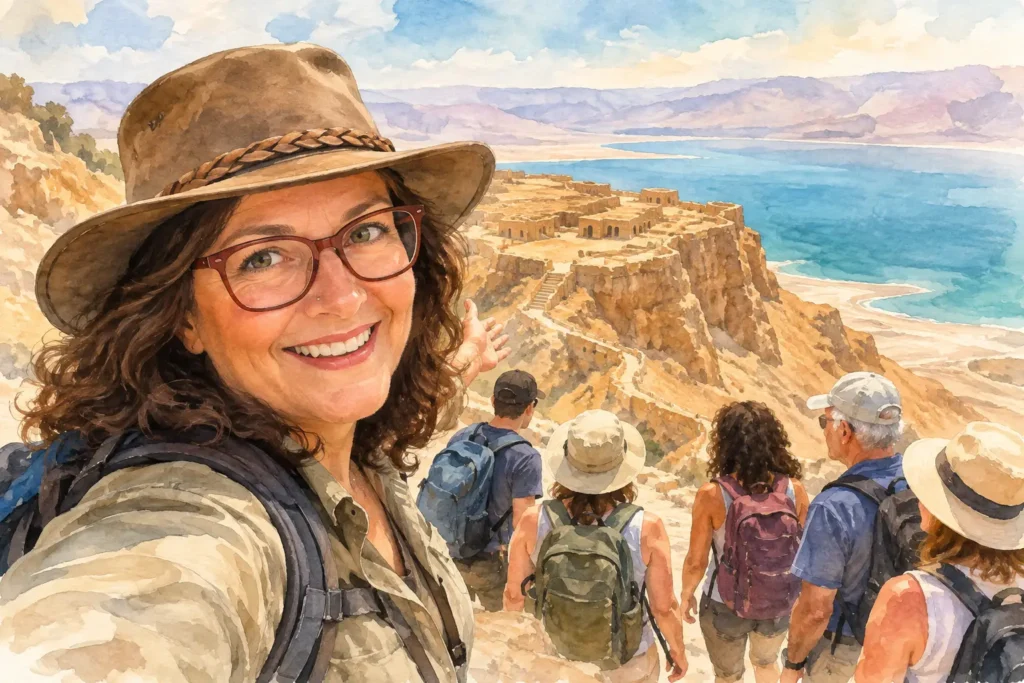
Masada sits on a dramatic desert plateau above the Dead Sea. Its story is one of determination, survival, and memory, but the setting is what first catches most people by surprise. Looking out from the summit, you see the Judean Desert stretching toward rugged mountains in Jordan, with the Dead Sea far below. Even travelers who do not consider themselves history enthusiasts tend to pause here.
A typical day combines Masada in the morning with time at the Dead Sea later on. That sequence makes practical sense. Masada is exposed, and the desert heat can become intense by late morning, especially from late spring through early fall. Starting early also gives the site more space and calm before the busiest hours.
At Masada, visitors usually choose between the cable car and the Snake Path. The cable car is right for guests who want to conserve energy, families with different fitness levels, travelers with limited mobility, or anyone who prefers to spend their time exploring the summit itself. The Snake Path is a rewarding uphill hike for active travelers, but it requires an early start, sufficient water, proper footwear, and a realistic view of your abilities. It is not a casual stroll, particularly in warm weather.
Once at the top, a good guide makes the ruins legible. You are not just looking at stones. You can understand how water was stored in a harsh environment, where people lived, how a palace was constructed on the edge of a cliff, and why this mountaintop has such a lasting place in Jewish heritage and the wider story of the region. The details matter, but so does having time to absorb the view without being hurried along.
The Dead Sea Is the Counterpoint to Masada
After Masada’s high, dry drama, the Dead Sea brings a complete change of pace. The water is dense with minerals and so buoyant that floating feels almost comical the first time. You lean back, lift your feet, and discover that the water is doing the work for you.
This part of the day is easy to underestimate. Visitors sometimes imagine a quick photo stop, but an unhurried hour or two can be far more satisfying. A well-chosen beach or hotel facility provides changing rooms, showers, shade, and easier access to the water. That comfort is especially welcome after a desert morning.
There are a few realities worth knowing before you go. Do not shave immediately before entering the water, and keep it away from your eyes and mouth. Even a small cut can sting sharply. Most people float for short periods, rinse off afterward, and take a break in the shade. If you have sensitive skin, young children with you, or simply do not enjoy very salty water, your guide can shape this stop around your comfort rather than treating it as a fixed activity.
The classic mineral mud experience can be fun, but it is optional. Some guests love the ritual of covering themselves in dark mud before rinsing in the sea. Others prefer a swim, a cool drink, and time to look across the water. Both are valid ways to enjoy the place.
Is a Masada Dead Sea Day Tour Worth It?
Yes, for most visitors, especially if this is a first trip to Israel and you have one open day for the desert. Masada and the Dead Sea offer two experiences that cannot be reproduced in Jerusalem, Tel Aviv, or along the Mediterranean coast. One is archaeological and deeply rooted in history; the other is sensory, playful, and unmistakably geographical. Together, they make a memorable contrast.
That said, a standard large-group tour is not right for everyone. Group departures can be efficient and affordable, but they often run on a strict clock. You may have limited time at Masada, a predetermined lunch stop, and just enough time at the Dead Sea for a brief float before returning to the bus. For travelers who are comfortable with a fast overview, that may be perfectly adequate.
A private day has different advantages. You can decide whether sunrise matters to you, take the cable car instead of hiking, slow down for the archaeological details that interest you, choose a lunch that suits your tastes, and spend more or less time at the water. A couple celebrating a special trip may want a relaxed pace and a scenic lunch. A multigenerational family may need more rest stops. A business traveler with one free day may want the essential experience without wasting time. Flexibility is not a luxury here – it changes the feel of the entire day.
What Makes the Difference Between Good and Excellent
The most successful tours are planned around the travelers, not around a generic route. An experienced licensed guide knows how to read the day: when a hike is sensible, when the heat calls for a different plan, where crowds may affect the experience, and when it is better to leave room for an unexpected viewpoint or a quiet desert stop.
Timing is especially important. In summer, early departures are wise. In winter, temperatures are usually more forgiving, though daylight is shorter and occasional rain can affect hiking conditions. Spring brings beautiful desert light and, in some years, wildflowers. Fall can be especially pleasant for visitors who want warmth without peak summer heat.
Transportation also matters more than many travelers expect. The drive is part of the experience, and a guide who can point out the changing terrain, explain how people have adapted to the desert, and connect the landscape to what you will see at Masada adds meaning before you arrive. Private transportation also means you do not have to manage rental-car logistics, navigation, parking, or the long return drive after a full day in the sun.
For guests who have already seen Israel’s major highlights, the route can be made more personal. Depending on interests and time, it may include a desert overlook, a short walk in a nature reserve, a focus on ancient engineering, or a food stop that feels less like a tourist break and more like part of the day. That is where tailor-made guiding earns its place.
What to Bring and How to Prepare
Desert comfort starts with simple preparation. Wear breathable clothes, bring a hat, sunglasses, sunscreen, and sturdy walking shoes for Masada. Pack a swimsuit, towel, and a dry change of clothes for the Dead Sea. A refillable water bottle is essential, even during cooler months.
Do not judge the hike by your usual city walking routine. The Snake Path is exposed, steep in places, and demanding under a strong sun. If there is any doubt, take the cable car and save your energy for exploring the summit. The goal is not to prove anything. It is to enjoy a remarkable place safely.
Guests with mobility concerns should mention them when planning. The cable car makes Masada accessible to many people, although the summit includes uneven archaeological surfaces. With advance thought, a private guide can create a day that feels inclusive rather than compromised.
A Day That Should Feel Like Yours
At Patchwork Israel, we see Masada and the Dead Sea as a conversation between history, landscape, and personal travel style. Some guests want the first light over the desert and a challenging climb. Others want an easy ascent, a detailed historical visit, a leisurely float, and time to enjoy the view. Neither approach is more authentic.
When you plan this day around your pace, interests, and energy, Masada becomes more than an iconic photograph and the Dead Sea becomes more than a novelty float. Leave room to stand quietly at the edge of the plateau, look across the desert, and let the place stay with you long after you have rinsed off the salt.
Get the latest blog updates in your inbox.