
Hidden Springs in Israel Worth Planning Around
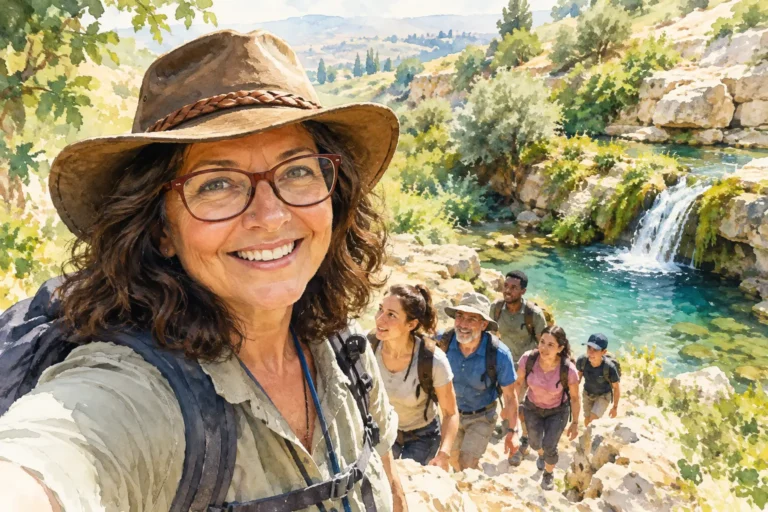
A hot afternoon, a narrow trail scented with wild herbs, then the unexpected sound of running water: this is the pleasure of seeking out hidden springs in Israel. They are not always marked by a grand entrance or a visitor center. Sometimes the reward is a cool pool beneath fig trees. Sometimes it is a stone-lined channel, a small waterfall after winter rain, or a quiet place where a short hike becomes the most memorable part of the day.
Israel is compact, but its landscapes change quickly. A spring day can move from limestone hills to cultivated valleys, forest shade, desert cliffs, or a stream-fed oasis. For travelers who have already checked the major sites off their list, springs offer another way to understand the land: slowly, on foot, and with room for surprise.
Why Israel’s Hidden Springs Feel So Special
Water has always shaped settlement, farming, pilgrimage routes, and daily life here. A spring is never just water appearing from the ground. It often has a story attached to it: an old terrace system, a Roman-era channel, a village path, an orchard, a monastery garden, or a modest pool maintained by nearby communities.
That history is part of the experience, but it should not turn the day into a lecture. The right pace leaves time to sit with your feet in the water, listen to birds, share a picnic, and notice the changing colors of the landscape. For a family, a spring can make history tangible for children. For couples, it can create a peaceful pause between fuller sightseeing days. For business travelers with only a free afternoon, a well-chosen spring walk can feel like a genuine change of scene rather than another item on an itinerary.
The word “hidden” also needs a little honesty. Some springs are genuinely off the usual visitor route. Others are well loved by Israelis but overlooked by overseas visitors. A beautiful place may be quiet on a weekday morning and lively on a warm Saturday. The goal is not to promise total solitude. It is to choose the right location, timing, and level of walking for you.
Choosing the Right Hidden Springs Experience
A spring outing should begin with a simple question: what kind of day do you want? Some travelers want an easy approach and a place to relax. Others are happiest earning the water with a rocky descent, a longer hike, or a 4×4 route through country roads and open hills.
For a gentle, unhurried day
There are springs reached by short paths, making them especially appealing for multigenerational families or anyone balancing outdoor time with Jerusalem, Tel Aviv, Caesarea, or other major destinations. These days can include a shaded lunch, local food stops, and a nearby archaeological or cultural visit without making the schedule feel crowded.
The trade-off is that easy-access springs can draw more visitors, especially in school vacations and warm weather. An early start often changes the experience completely. It also gives us flexibility to linger if the place feels right rather than watching the clock.
For hikers who want a little adventure
Other springs sit at the end of trails that pass terraces, ridgelines, woodland, or dry streambeds. These routes are ideal for travelers who want the landscape to be part of the story, not simply the backdrop. A cool pool after a walk is satisfying in a way that no hotel swimming pool can reproduce.
Here, preparation matters. Uneven ground, slick rocks, sun exposure, and changing trail conditions all affect what is appropriate. Hiking shoes, water, sun protection, and a realistic sense of everyone’s comfort level are more useful than a heroic attitude. A good route is one that leaves the group energized, not exhausted before dinner.
For desert contrast
Desert springs are among Israel’s great surprises. A dry, expansive view can suddenly give way to reeds, birds, and flowing water. In the Negev and along the edges of the Judean Desert, these places make the relationship between geology, survival, and settlement easy to feel.
Desert outings require particular care with heat and weather. In summer, the best plan may be a very early morning start, a short walk, and an air-conditioned cultural or culinary stop later in the day. In winter, rain can transform the terrain beautifully, but it can also close routes or make them unsafe. Flexibility is not a compromise. It is how a memorable day stays enjoyable.
A Spring Is Better With Context
It is tempting to treat a hidden pool as a secret to collect. Yet the more meaningful experience comes from understanding what is around it. A spring may lead naturally into a conversation about ancient water management, local agriculture, native plants, or the practical ingenuity required to farm a hillside.
This is where a personalized itinerary has real value. One group may want to pair a spring with a cooking workshop or a visit to a small producer. Another may prefer a forest hike and an off-road drive. Travelers interested in faith and heritage might connect the landscape with an ancient route, a quiet religious site, or a place that reveals how water shaped sacred geography. The same spring can support very different days.
At Patchwork Israel, I build these outings around the people in the vehicle. A confident hiking group may want a longer trail and a less obvious destination. A family celebrating several generations may need easy access, shade, bathrooms nearby, and a lunch plan that feels special. Neither choice is more authentic. The best day is the one that fits your interests, energy, and curiosity.
What to Know Before You Go
Springs are living places, not fixed attractions. Water levels can change with rainfall, season, and local conditions. A pool that is ideal in spring may be low by late summer. A route that is straightforward in dry weather may be unsuitable after heavy rain. Occasionally, access arrangements or conservation needs change as well.
That is why an itinerary should never depend on a single spot alone. A thoughtful plan includes alternatives nearby, whether that means another spring, a scenic trail, a food stop, or an indoor visit with real local character. You should feel free to enjoy the day, not worry about whether every detail will unfold exactly as imagined.
Swimming is another “it depends” moment. Some natural pools are perfect for a refreshing dip; others are shallow, rocky, protected, or simply better admired from the bank. Water shoes can be useful, particularly where stones are slippery. Modest swimwear and a towel are sensible additions to a daypack, while leaving no trace is nonnegotiable. Pack out food wrappers, avoid soaps or sunscreen in small pools when possible, and respect signs that protect sensitive habitats.
Turning a Spring Stop Into a Full Day
The most satisfying spring days have a rhythm. Begin before the heat builds. Walk or drive through a landscape with a story. Arrive at the water when it feels like a reward, not a rushed photo opportunity. Then let the afternoon unfold according to your appetite: a local lunch, a vineyard or farm visit, a small town, a coastal stop, or an easy return to your hotel.
A 4×4 can add access to routes that regular vehicles cannot comfortably manage, but it is not necessary for every adventure. Often, a regular vehicle and a well-selected trail are the better choice. The point is not to make the day more extreme. It is to match the route to the experience you want.
For visitors returning to Israel, hidden springs can also be a wonderful way to move beyond familiar highlights without losing the country’s historical depth. You may spend one morning in a quiet valley and still arrive in the city by evening with dust on your shoes, a new perspective on the landscape, and a story that does not sound like anyone else’s vacation.
Bring curiosity, good footwear, and a willingness to let the road be part of the destination. The next bend may lead to shade, running water, and a side of Israel that is best experienced slowly.

Hidden Springs in Israel Worth Planning Around
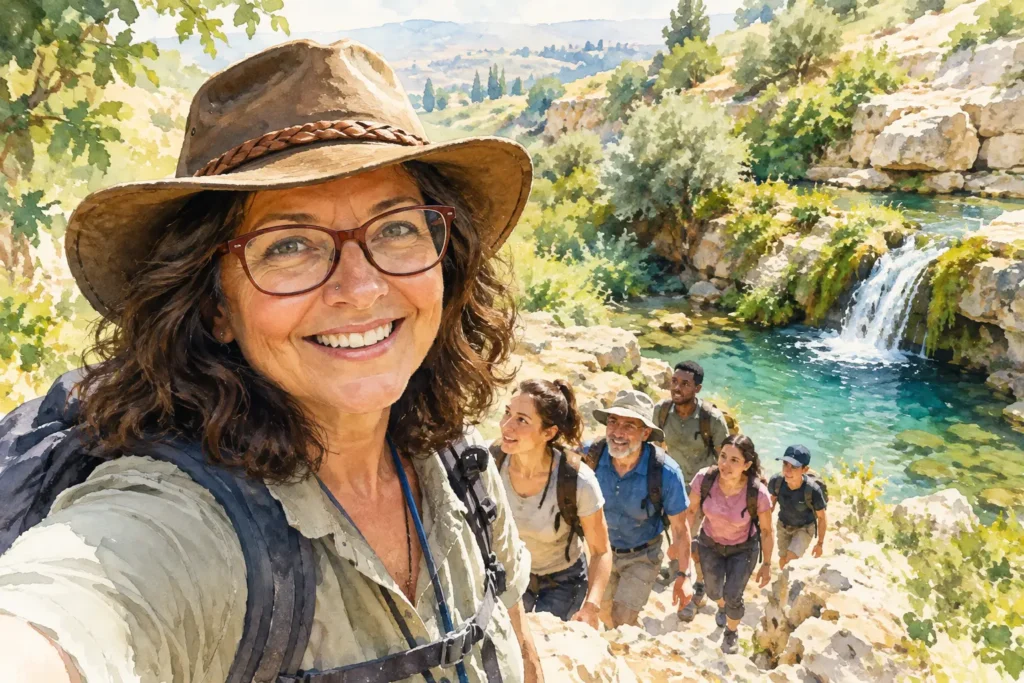
A hot afternoon, a narrow trail scented with wild herbs, then the unexpected sound of running water: this is the pleasure of seeking out hidden springs in Israel. They are not always marked by a grand entrance or a visitor center. Sometimes the reward is a cool pool beneath fig trees. Sometimes it is a stone-lined channel, a small waterfall after winter rain, or a quiet place where a short hike becomes the most memorable part of the day.
Israel is compact, but its landscapes change quickly. A spring day can move from limestone hills to cultivated valleys, forest shade, desert cliffs, or a stream-fed oasis. For travelers who have already checked the major sites off their list, springs offer another way to understand the land: slowly, on foot, and with room for surprise.
Why Israel’s Hidden Springs Feel So Special
Water has always shaped settlement, farming, pilgrimage routes, and daily life here. A spring is never just water appearing from the ground. It often has a story attached to it: an old terrace system, a Roman-era channel, a village path, an orchard, a monastery garden, or a modest pool maintained by nearby communities.
That history is part of the experience, but it should not turn the day into a lecture. The right pace leaves time to sit with your feet in the water, listen to birds, share a picnic, and notice the changing colors of the landscape. For a family, a spring can make history tangible for children. For couples, it can create a peaceful pause between fuller sightseeing days. For business travelers with only a free afternoon, a well-chosen spring walk can feel like a genuine change of scene rather than another item on an itinerary.
The word “hidden” also needs a little honesty. Some springs are genuinely off the usual visitor route. Others are well loved by Israelis but overlooked by overseas visitors. A beautiful place may be quiet on a weekday morning and lively on a warm Saturday. The goal is not to promise total solitude. It is to choose the right location, timing, and level of walking for you.
Choosing the Right Hidden Springs Experience
A spring outing should begin with a simple question: what kind of day do you want? Some travelers want an easy approach and a place to relax. Others are happiest earning the water with a rocky descent, a longer hike, or a 4×4 route through country roads and open hills.
For a gentle, unhurried day
There are springs reached by short paths, making them especially appealing for multigenerational families or anyone balancing outdoor time with Jerusalem, Tel Aviv, Caesarea, or other major destinations. These days can include a shaded lunch, local food stops, and a nearby archaeological or cultural visit without making the schedule feel crowded.
The trade-off is that easy-access springs can draw more visitors, especially in school vacations and warm weather. An early start often changes the experience completely. It also gives us flexibility to linger if the place feels right rather than watching the clock.
For hikers who want a little adventure
Other springs sit at the end of trails that pass terraces, ridgelines, woodland, or dry streambeds. These routes are ideal for travelers who want the landscape to be part of the story, not simply the backdrop. A cool pool after a walk is satisfying in a way that no hotel swimming pool can reproduce.
Here, preparation matters. Uneven ground, slick rocks, sun exposure, and changing trail conditions all affect what is appropriate. Hiking shoes, water, sun protection, and a realistic sense of everyone’s comfort level are more useful than a heroic attitude. A good route is one that leaves the group energized, not exhausted before dinner.
For desert contrast
Desert springs are among Israel’s great surprises. A dry, expansive view can suddenly give way to reeds, birds, and flowing water. In the Negev and along the edges of the Judean Desert, these places make the relationship between geology, survival, and settlement easy to feel.
Desert outings require particular care with heat and weather. In summer, the best plan may be a very early morning start, a short walk, and an air-conditioned cultural or culinary stop later in the day. In winter, rain can transform the terrain beautifully, but it can also close routes or make them unsafe. Flexibility is not a compromise. It is how a memorable day stays enjoyable.
A Spring Is Better With Context
It is tempting to treat a hidden pool as a secret to collect. Yet the more meaningful experience comes from understanding what is around it. A spring may lead naturally into a conversation about ancient water management, local agriculture, native plants, or the practical ingenuity required to farm a hillside.
This is where a personalized itinerary has real value. One group may want to pair a spring with a cooking workshop or a visit to a small producer. Another may prefer a forest hike and an off-road drive. Travelers interested in faith and heritage might connect the landscape with an ancient route, a quiet religious site, or a place that reveals how water shaped sacred geography. The same spring can support very different days.
At Patchwork Israel, I build these outings around the people in the vehicle. A confident hiking group may want a longer trail and a less obvious destination. A family celebrating several generations may need easy access, shade, bathrooms nearby, and a lunch plan that feels special. Neither choice is more authentic. The best day is the one that fits your interests, energy, and curiosity.
What to Know Before You Go
Springs are living places, not fixed attractions. Water levels can change with rainfall, season, and local conditions. A pool that is ideal in spring may be low by late summer. A route that is straightforward in dry weather may be unsuitable after heavy rain. Occasionally, access arrangements or conservation needs change as well.
That is why an itinerary should never depend on a single spot alone. A thoughtful plan includes alternatives nearby, whether that means another spring, a scenic trail, a food stop, or an indoor visit with real local character. You should feel free to enjoy the day, not worry about whether every detail will unfold exactly as imagined.
Swimming is another “it depends” moment. Some natural pools are perfect for a refreshing dip; others are shallow, rocky, protected, or simply better admired from the bank. Water shoes can be useful, particularly where stones are slippery. Modest swimwear and a towel are sensible additions to a daypack, while leaving no trace is nonnegotiable. Pack out food wrappers, avoid soaps or sunscreen in small pools when possible, and respect signs that protect sensitive habitats.
Turning a Spring Stop Into a Full Day
The most satisfying spring days have a rhythm. Begin before the heat builds. Walk or drive through a landscape with a story. Arrive at the water when it feels like a reward, not a rushed photo opportunity. Then let the afternoon unfold according to your appetite: a local lunch, a vineyard or farm visit, a small town, a coastal stop, or an easy return to your hotel.
A 4×4 can add access to routes that regular vehicles cannot comfortably manage, but it is not necessary for every adventure. Often, a regular vehicle and a well-selected trail are the better choice. The point is not to make the day more extreme. It is to match the route to the experience you want.
For visitors returning to Israel, hidden springs can also be a wonderful way to move beyond familiar highlights without losing the country’s historical depth. You may spend one morning in a quiet valley and still arrive in the city by evening with dust on your shoes, a new perspective on the landscape, and a story that does not sound like anyone else’s vacation.
Bring curiosity, good footwear, and a willingness to let the road be part of the destination. The next bend may lead to shade, running water, and a side of Israel that is best experienced slowly.

Get the latest blog updates in your inbox.