

11 Best Jerusalem Experiences Beyond Old City
Jerusalem changes the moment you step outside the Old City walls. If you are looking for the best Jerusalem experiences beyond old city, this is where the city starts to feel less like a postcard and more like a place people actually live, argue, cook, pray, build, create, and celebrate in every day.
For many travelers, the Old City is the headline. Fair enough. It is dense, moving, and essential. But if that is all you see, you miss the wider Jerusalem – the elegant and the gritty, the contemplative and the creative, the deeply historic and surprisingly modern. The most memorable days here often happen in the spaces between the big-name sites.
What makes the best Jerusalem experiences beyond old city worth your time
The short answer is depth. Outside the walls, Jerusalem opens into neighborhoods with distinct personalities, museums that provide context instead of snapshots, markets that feel alive long after the tour buses leave, and landscapes that remind you this is also a mountain city.
This matters even more if you have already visited Israel once and do not need another rushed checklist day. A second or third visit to Jerusalem can be richer than a first if you let it become more personal. Some travelers want food and street life. Others want archaeology, architecture, spirituality, or conversations that make the city feel human rather than abstract. The best plan depends on your pace, interests, and how much emotional room you want to leave for surprise.
1. Mahane Yehuda Market after the morning rush
Everyone hears about Mahane Yehuda, but timing changes everything. Early morning has local energy, with shoppers picking up produce, breads, spices, halva, and pantry staples. Midday can feel crowded and performative. Late afternoon often hits the sweet spot, when there is still action but enough space to notice details.
This is not just a food stop. It is one of the clearest windows into everyday Jerusalem. A good visit here can include tasting, of course, but also noticing how old family-run stalls sit beside newer chefs and specialty shops. If you like culinary travel, you can build an entire half day around the market and nearby streets without it feeling forced.
2. Yad Vashem with the right pace
Some places should never be squeezed into a rushed itinerary. Yad Vashem is one of them. It is one of Jerusalem’s most significant modern sites, and it asks for time, emotional attention, and usually a gentler schedule afterward.
This is not a place to “cover” quickly. The experience is more meaningful when guided thoughtfully, with enough context to understand what you are seeing and enough quiet to absorb it. For some travelers, this is central to their trip. For others, it may be too heavy for a family day or a short business visit. That is a real trade-off, and it is worth planning honestly.
3. The Israel Museum for context, not just collections
If the Old City gives you fragments, the Israel Museum helps assemble them. The archaeology wing, Jewish art and life collections, and the Shrine of the Book can transform what you saw earlier into a much fuller story.
This is especially helpful for travelers who enjoy understanding how periods connect rather than seeing sites in isolation. It is also one of the strongest options when weather is hot, rainy, or simply not ideal for a long walking day. The only caution is scale. The museum is large, so it is better to choose a focus than try to conquer it all.
4. Ein Kerem for a softer side of Jerusalem
Ein Kerem feels like a deep breath. With its stone houses, hillside setting, churches, cafés, gardens, and quieter streets, it offers a very different Jerusalem from the intensity of the center.
Some visitors come for Christian tradition and sacred associations. Others come because the neighborhood is simply lovely to walk through. Both approaches work. If you pair Ein Kerem with a light lunch or a relaxed coffee stop, it becomes one of the easiest ways to balance a trip that has had a lot of intensity. Families, couples, and travelers who prefer beauty with breathing room tend to love it here.
5. The Machaneh Yehuda area at night
Yes, the market deserves a second mention, because daytime and nighttime are almost different destinations. After dark, the shutters become art, the bars fill, and the surrounding streets take on a younger, looser rhythm.
This is one of the best Jerusalem experiences beyond old city if you want to feel the city as it lives now rather than only as it remembers. It may not suit every traveler. If you prefer quiet evenings or are traveling with very young children, another neighborhood may be a better fit. But for adults who want food, atmosphere, and a glimpse of contemporary local life, it works beautifully.
6. Yemin Moshe and the windmill area for views and texture
There are places in Jerusalem that reward slow walking more than major sightseeing. Yemin Moshe is one of them. The lanes, old stone homes, gardens, and views toward the walls create a kind of visual pause.
It is particularly good in the late afternoon, when the light softens and the city begins to glow. This area is not about checking off attractions. It is about letting Jerusalem reveal itself in layers – architecture, topography, silence, and perspective. If you are traveling with someone who says they “just want to feel the city,” start here.
7. The Haas Promenade for orientation
Jerusalem is a city of ridges and valleys, and sometimes the best way to understand it is from above. The Haas Promenade offers one of the broadest and most satisfying overviews of the city.
This is an excellent stop early in a visit because it gives shape to everything that follows. It is also a smart choice for travelers with limited time who still want something memorable without committing to a full museum visit or long walking route. Sunset can be lovely here, though that also means more people.
8. Nachlaot for neighborhood character
Just beyond the market, Nachlaot reveals a more intimate Jerusalem. Small courtyards, narrow lanes, layered architecture, synagogues tucked into residential pockets, and everyday life make this area feel personal rather than monumental.
A guided walk adds a great deal here because much of what matters is easy to miss on your own. The stories are in the details – migration, community building, changing traditions, and how a neighborhood evolves without losing its character. If you enjoy cities through their streets rather than their ticketed attractions, Nachlaot is a strong choice.
9. A culinary or home-based encounter
Some of the best Jerusalem experiences beyond old city are not places at all. They are encounters – a cooking workshop, a baking session, a hosted meal, or a conversation with someone whose daily life opens a side of Jerusalem you would never meet from a bus window.
These experiences work especially well for repeat visitors and multigenerational families. They make the city less performative and more relational. The key is fit. A highly academic conversation may thrill one traveler and bore another. A hands-on food experience can bring mixed-age groups together in a way a formal tour sometimes cannot.
10. A second-temple or City of David alternative day – with balance
Many travelers who want more archaeology head straight toward the most famous excavation areas. That can be fascinating, but context and pacing matter. If you choose an archaeology-heavy day, balance it with open space, a good meal, or a neighborhood walk.
Jerusalem’s archaeological layers are extraordinary, but they can blur together if every hour feels equally intense. The best itineraries create contrast. Stone and history in the morning, then food, scenery, or conversation later on. That rhythm helps the city stay vivid rather than becoming mentally crowded.
11. The Jerusalem hills for a change of scale
One of the smartest things you can do in Jerusalem is leave the urban core for a few hours. The surrounding hills offer hiking, forested areas, seasonal flowers, monasteries, viewpoints, and a completely different sense of place.
This is especially rewarding if you have packed several days with museums and heritage sites. A short walk in the hills can reset your energy and show you why Jerusalem has always been shaped by landscape as much as by stone. For active travelers, this can be the highlight. For others, even a gentle scenic drive with a few carefully chosen stops can do the job.
How to choose the best Jerusalem experiences beyond old city for your trip
If you have one extra day, pair a market or neighborhood with one major museum and a scenic viewpoint. If you have two days, add Ein Kerem or the Jerusalem hills and leave room for a more personal encounter. If your visit is short and meaningful rather than comprehensive, choose fewer places and experience them properly.
That is often the difference between a good Jerusalem day and a memorable one. The city does not reward rushing. It rewards curiosity, a little structure, and enough flexibility to follow what genuinely interests you.
For travelers who want that balance, a tailored day can make all the difference. Someone with decades of on-the-ground experience can read the group, adjust the pace, and connect the obvious highlights with the hidden gems that make Jerusalem feel layered and alive. That is where a city famous for its past becomes personal in the present.
The best part is that Jerusalem keeps more in reserve than most first-time visitors realize. Step beyond the walls with time, attention, and the right mix of places, and the city starts telling a better story.

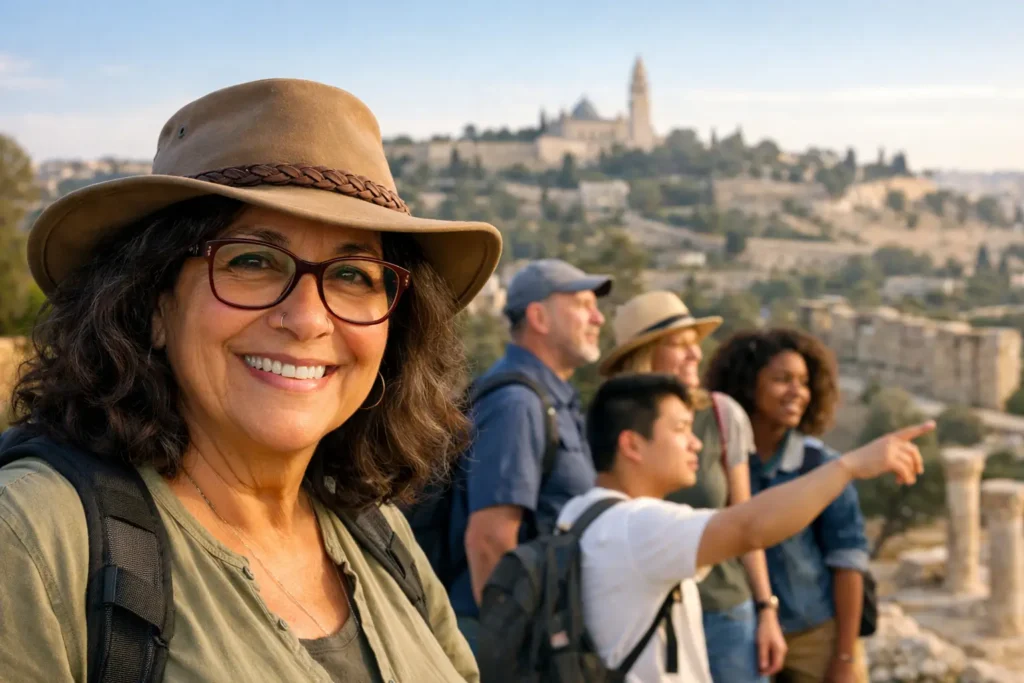
11 Best Jerusalem Experiences Beyond Old City
Jerusalem changes the moment you step outside the Old City walls. If you are looking for the best Jerusalem experiences beyond old city, this is where the city starts to feel less like a postcard and more like a place people actually live, argue, cook, pray, build, create, and celebrate in every day.
For many travelers, the Old City is the headline. Fair enough. It is dense, moving, and essential. But if that is all you see, you miss the wider Jerusalem – the elegant and the gritty, the contemplative and the creative, the deeply historic and surprisingly modern. The most memorable days here often happen in the spaces between the big-name sites.
What makes the best Jerusalem experiences beyond old city worth your time
The short answer is depth. Outside the walls, Jerusalem opens into neighborhoods with distinct personalities, museums that provide context instead of snapshots, markets that feel alive long after the tour buses leave, and landscapes that remind you this is also a mountain city.
This matters even more if you have already visited Israel once and do not need another rushed checklist day. A second or third visit to Jerusalem can be richer than a first if you let it become more personal. Some travelers want food and street life. Others want archaeology, architecture, spirituality, or conversations that make the city feel human rather than abstract. The best plan depends on your pace, interests, and how much emotional room you want to leave for surprise.
1. Mahane Yehuda Market after the morning rush
Everyone hears about Mahane Yehuda, but timing changes everything. Early morning has local energy, with shoppers picking up produce, breads, spices, halva, and pantry staples. Midday can feel crowded and performative. Late afternoon often hits the sweet spot, when there is still action but enough space to notice details.
This is not just a food stop. It is one of the clearest windows into everyday Jerusalem. A good visit here can include tasting, of course, but also noticing how old family-run stalls sit beside newer chefs and specialty shops. If you like culinary travel, you can build an entire half day around the market and nearby streets without it feeling forced.
2. Yad Vashem with the right pace
Some places should never be squeezed into a rushed itinerary. Yad Vashem is one of them. It is one of Jerusalem’s most significant modern sites, and it asks for time, emotional attention, and usually a gentler schedule afterward.
This is not a place to “cover” quickly. The experience is more meaningful when guided thoughtfully, with enough context to understand what you are seeing and enough quiet to absorb it. For some travelers, this is central to their trip. For others, it may be too heavy for a family day or a short business visit. That is a real trade-off, and it is worth planning honestly.
3. The Israel Museum for context, not just collections
If the Old City gives you fragments, the Israel Museum helps assemble them. The archaeology wing, Jewish art and life collections, and the Shrine of the Book can transform what you saw earlier into a much fuller story.
This is especially helpful for travelers who enjoy understanding how periods connect rather than seeing sites in isolation. It is also one of the strongest options when weather is hot, rainy, or simply not ideal for a long walking day. The only caution is scale. The museum is large, so it is better to choose a focus than try to conquer it all.
4. Ein Kerem for a softer side of Jerusalem
Ein Kerem feels like a deep breath. With its stone houses, hillside setting, churches, cafés, gardens, and quieter streets, it offers a very different Jerusalem from the intensity of the center.
Some visitors come for Christian tradition and sacred associations. Others come because the neighborhood is simply lovely to walk through. Both approaches work. If you pair Ein Kerem with a light lunch or a relaxed coffee stop, it becomes one of the easiest ways to balance a trip that has had a lot of intensity. Families, couples, and travelers who prefer beauty with breathing room tend to love it here.
5. The Machaneh Yehuda area at night
Yes, the market deserves a second mention, because daytime and nighttime are almost different destinations. After dark, the shutters become art, the bars fill, and the surrounding streets take on a younger, looser rhythm.
This is one of the best Jerusalem experiences beyond old city if you want to feel the city as it lives now rather than only as it remembers. It may not suit every traveler. If you prefer quiet evenings or are traveling with very young children, another neighborhood may be a better fit. But for adults who want food, atmosphere, and a glimpse of contemporary local life, it works beautifully.
6. Yemin Moshe and the windmill area for views and texture
There are places in Jerusalem that reward slow walking more than major sightseeing. Yemin Moshe is one of them. The lanes, old stone homes, gardens, and views toward the walls create a kind of visual pause.
It is particularly good in the late afternoon, when the light softens and the city begins to glow. This area is not about checking off attractions. It is about letting Jerusalem reveal itself in layers – architecture, topography, silence, and perspective. If you are traveling with someone who says they “just want to feel the city,” start here.
7. The Haas Promenade for orientation
Jerusalem is a city of ridges and valleys, and sometimes the best way to understand it is from above. The Haas Promenade offers one of the broadest and most satisfying overviews of the city.
This is an excellent stop early in a visit because it gives shape to everything that follows. It is also a smart choice for travelers with limited time who still want something memorable without committing to a full museum visit or long walking route. Sunset can be lovely here, though that also means more people.
8. Nachlaot for neighborhood character
Just beyond the market, Nachlaot reveals a more intimate Jerusalem. Small courtyards, narrow lanes, layered architecture, synagogues tucked into residential pockets, and everyday life make this area feel personal rather than monumental.
A guided walk adds a great deal here because much of what matters is easy to miss on your own. The stories are in the details – migration, community building, changing traditions, and how a neighborhood evolves without losing its character. If you enjoy cities through their streets rather than their ticketed attractions, Nachlaot is a strong choice.
9. A culinary or home-based encounter
Some of the best Jerusalem experiences beyond old city are not places at all. They are encounters – a cooking workshop, a baking session, a hosted meal, or a conversation with someone whose daily life opens a side of Jerusalem you would never meet from a bus window.
These experiences work especially well for repeat visitors and multigenerational families. They make the city less performative and more relational. The key is fit. A highly academic conversation may thrill one traveler and bore another. A hands-on food experience can bring mixed-age groups together in a way a formal tour sometimes cannot.
10. A second-temple or City of David alternative day – with balance
Many travelers who want more archaeology head straight toward the most famous excavation areas. That can be fascinating, but context and pacing matter. If you choose an archaeology-heavy day, balance it with open space, a good meal, or a neighborhood walk.
Jerusalem’s archaeological layers are extraordinary, but they can blur together if every hour feels equally intense. The best itineraries create contrast. Stone and history in the morning, then food, scenery, or conversation later on. That rhythm helps the city stay vivid rather than becoming mentally crowded.
11. The Jerusalem hills for a change of scale
One of the smartest things you can do in Jerusalem is leave the urban core for a few hours. The surrounding hills offer hiking, forested areas, seasonal flowers, monasteries, viewpoints, and a completely different sense of place.
This is especially rewarding if you have packed several days with museums and heritage sites. A short walk in the hills can reset your energy and show you why Jerusalem has always been shaped by landscape as much as by stone. For active travelers, this can be the highlight. For others, even a gentle scenic drive with a few carefully chosen stops can do the job.
How to choose the best Jerusalem experiences beyond old city for your trip
If you have one extra day, pair a market or neighborhood with one major museum and a scenic viewpoint. If you have two days, add Ein Kerem or the Jerusalem hills and leave room for a more personal encounter. If your visit is short and meaningful rather than comprehensive, choose fewer places and experience them properly.
That is often the difference between a good Jerusalem day and a memorable one. The city does not reward rushing. It rewards curiosity, a little structure, and enough flexibility to follow what genuinely interests you.
For travelers who want that balance, a tailored day can make all the difference. Someone with decades of on-the-ground experience can read the group, adjust the pace, and connect the obvious highlights with the hidden gems that make Jerusalem feel layered and alive. That is where a city famous for its past becomes personal in the present.
The best part is that Jerusalem keeps more in reserve than most first-time visitors realize. Step beyond the walls with time, attention, and the right mix of places, and the city starts telling a better story.
Get the latest blog updates in your inbox.