
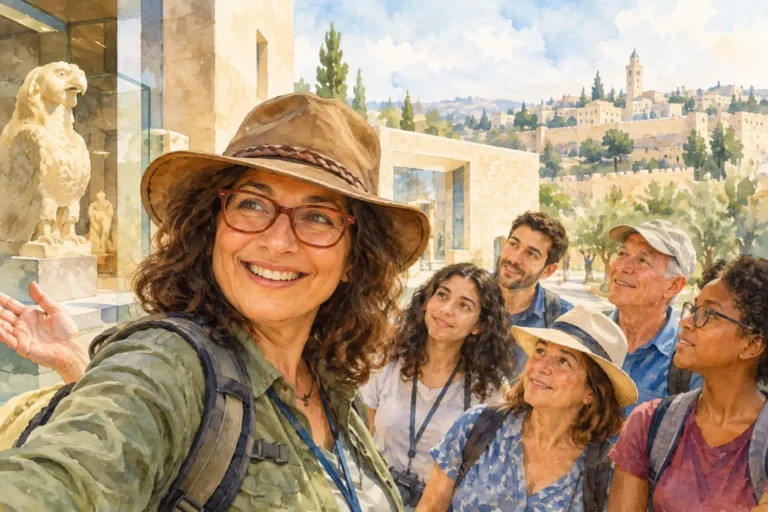
Israel Museums That Make a Trip More Personal
A museum visit can change the way you see the street outside it. After standing before a 2,000-year-old inscription, Jerusalem’s stones feel different. After meeting the stories of Jewish communities from around the world, a Tel Aviv neighborhood becomes more than a stop for coffee. The best Israel museums do not fill a gap between major sights – they give travelers the context that makes those sights personal.
For a first visit, museums can help organize Israel’s remarkable density of history, faith, creativity, and daily life. For returning visitors, they offer a more intimate route into the country: a focused collection, a thoughtful conversation, a neighborhood you may have passed before. The key is not to see every gallery. It is to choose the museum that answers the question you brought with you.
How to Choose Israel Museums for Your Trip
Start with your curiosity, not a checklist. A family tracing heritage may want objects, photographs, and personal stories. Art lovers may prefer a quiet morning among modern works, followed by an architecturally interesting walk. Travelers with limited time often benefit from one excellent museum paired with a nearby food market, archaeological site, or scenic neighborhood.
Museums also work beautifully around the weather. Jerusalem’s summer afternoons can be intense, and a well-timed indoor visit offers both relief and substance. On a rainy day, a museum in Tel Aviv or Haifa can anchor the itinerary without making the day feel like a compromise.
Allow more time than the admission slot suggests. A large collection can easily take two or three hours, especially when there is a meaningful subject involved. Smaller museums may be the better choice if you want to preserve energy for walking, tasting, or meeting local people later in the day.
Jerusalem: Big Questions, Beautiful Objects
The Israel Museum
The Israel Museum is often the right first choice for travelers who want one place to reveal many layers at once. Its archaeology galleries bring everyday life from ancient eras into view through pottery, jewelry, tools, and inscriptions. The Shrine of the Book presents the Dead Sea Scrolls in a carefully designed setting, while the art collections move across periods and places without feeling detached from the wider story of the country.
Do not try to absorb it all in one sweep. Choose two areas that matter most to you, then leave room for the outdoor sculpture garden and the scale model of Jerusalem from the late Second Temple period. That model is particularly useful before visiting the Old City, where the layers of construction can otherwise be difficult to picture.
A museum morning here pairs naturally with a relaxed lunch and an afternoon in nearby neighborhoods or at a site connected to the historical period that interested you most. This is a day for noticing details rather than rushing.
Yad Vashem
Yad Vashem is a deeply moving visit and deserves emotional space around it. Its historical museum presents individual lives alongside an immense human tragedy, using testimony, photographs, documents, and personal belongings with great care. It is not a casual add-on before a packed day of sightseeing.
Some travelers choose to visit independently and quietly. Others appreciate a guide who can help place the experience within a broader heritage itinerary and ensure the day is paced with sensitivity. It depends on your interests, your family, and how you prefer to process powerful places. Younger visitors should be prepared thoughtfully, and a lighter activity afterward can be wise.
Bible Lands Museum Jerusalem
For travelers who love the ancient Near East, the Bible Lands Museum offers a concentrated, approachable experience. Its artifacts provide context for the civilizations that shaped the region, from early writing and trade to religious practice and royal power. It works especially well for people who enjoy archaeology but do not want the scale of a major national museum.
Its focused approach makes it easy to combine with other Jerusalem experiences. You can spend the morning among ancient objects, then head out to see how those long-ago worlds still echo in the city’s stone, markets, and sacred spaces.
Tel Aviv and Jaffa: Art, Memory, and Urban Energy
ANU – Museum of the Jewish People
ANU is a strong choice for visitors interested in the global Jewish experience and the many ways identity is carried through music, language, food, ritual, family, and creativity. It feels less like a gallery of relics and more like a wide-ranging conversation. For heritage travelers, it can bring family stories into sharper focus. For non-Jewish visitors, it offers an engaging foundation for understanding a central thread in Israel’s cultural fabric.
Because it is located on the Tel Aviv University campus, this museum makes sense on a day that also includes the city’s contemporary energy. Pair it with a stroll in an older neighborhood, a market tasting, or an artist’s studio visit. The contrast between worldwide history and present-day city life is part of the pleasure.
Tel Aviv Museum of Art
If your idea of a memorable travel day includes modern art, design, and a little breathing room, the Tel Aviv Museum of Art belongs on the itinerary. The building itself creates a striking setting for Israeli and international works. It is an excellent counterpoint to days filled with ancient sites, particularly for repeat visitors who have already seen the classic landmarks.
Art museums reward a different pace. Pick a few galleries, stop when something catches your attention, and make room to talk about what you saw. A tailored visit can also connect art to the city beyond the museum, whether that means architecture, street art, or a meal in a neighborhood with a distinct character.
Ilana Goor Museum in Jaffa
Set in an old Jaffa building, the Ilana Goor Museum feels wonderfully unlike a conventional white-walled museum. The artist’s own work appears alongside an eclectic collection, and the structure creates a conversation between contemporary sculpture, historic architecture, and views toward the sea.
This is a particularly rewarding choice for travelers who prefer places with personality over large institutions. Visit in the late afternoon, then continue through Jaffa’s lanes as the light softens. It is a fine example of how a smaller museum can give a familiar destination a completely fresh feeling.
Museums Beyond the Usual Route
A personalized itinerary can look beyond Jerusalem and Tel Aviv. In Haifa, art, science, and maritime collections provide excellent options, especially when paired with the city’s gardens, hillside views, or a culinary stop. Near Caesarea, archaeological displays can enrich a visit to the ancient harbor and its dramatic ruins. In the Galilee, small local collections and workshops may reveal the crafts, agriculture, and everyday traditions of a region in ways a major museum cannot.
These smaller stops are not automatically better than the famous names. They are better when they match your interests. A traveler fascinated by old technologies may enjoy a hands-on science museum more than another art gallery. Someone who has visited Israel several times may get far more from a local artist’s home, a food workshop, or a modest regional collection than from repeating a museum they have already seen.
Turn a Museum Visit Into a Full Experience
The best museum days have a rhythm. Begin before crowds build, focus on one clear theme, and then step into a place where the theme becomes tangible. After archaeology, walk through an ancient setting. After art, visit a neighborhood known for design or creative life. After a heritage museum, share a meal and talk about the family stories it brought to mind.
For families and multigenerational groups, this rhythm matters even more. One person may want every caption, while another responds best to a hands-on activity or a short walk. A flexible day allows both. There is no prize for finishing every gallery, and no need to turn a vacation into a lecture.
It is also worth checking current opening times, advance-entry requirements, holiday schedules, and security procedures before building the day around a museum. These details can vary, and good planning protects the unhurried feeling that makes a visit rewarding.
At Patchwork Israel, I often build museum time around the people and places that give it life: an archaeological site after a gallery, a tasting after a cultural exhibit, or a conversation that carries the subject beyond the display case. Choose the museum that makes you curious, then let the rest of the day answer that curiosity in the real world.

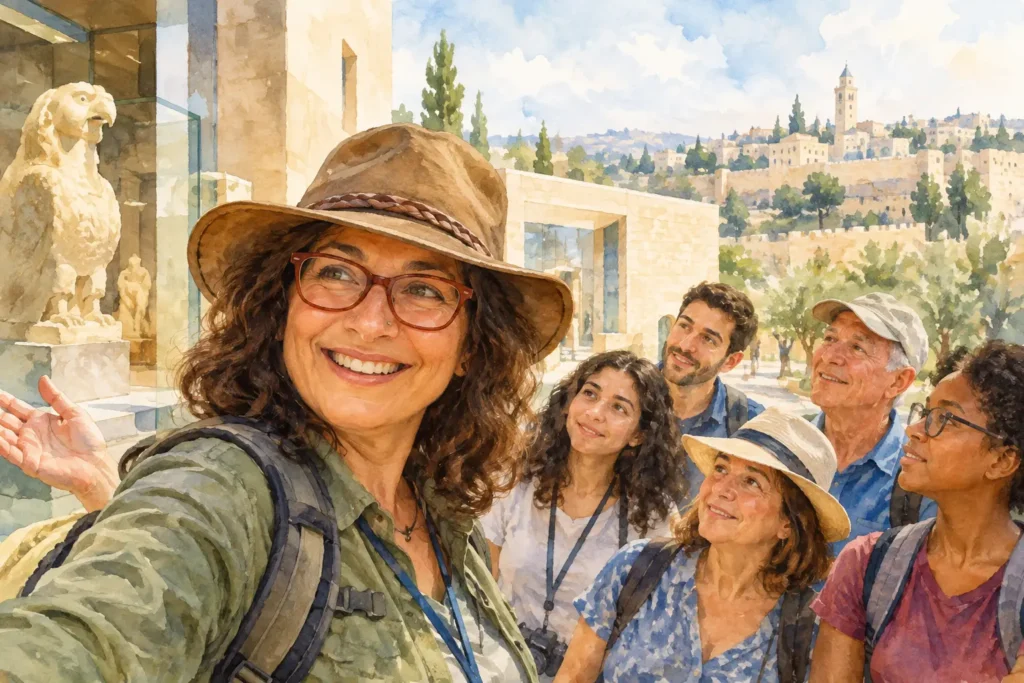
Israel Museums That Make a Trip More Personal
A museum visit can change the way you see the street outside it. After standing before a 2,000-year-old inscription, Jerusalem’s stones feel different. After meeting the stories of Jewish communities from around the world, a Tel Aviv neighborhood becomes more than a stop for coffee. The best Israel museums do not fill a gap between major sights – they give travelers the context that makes those sights personal.
For a first visit, museums can help organize Israel’s remarkable density of history, faith, creativity, and daily life. For returning visitors, they offer a more intimate route into the country: a focused collection, a thoughtful conversation, a neighborhood you may have passed before. The key is not to see every gallery. It is to choose the museum that answers the question you brought with you.
How to Choose Israel Museums for Your Trip
Start with your curiosity, not a checklist. A family tracing heritage may want objects, photographs, and personal stories. Art lovers may prefer a quiet morning among modern works, followed by an architecturally interesting walk. Travelers with limited time often benefit from one excellent museum paired with a nearby food market, archaeological site, or scenic neighborhood.
Museums also work beautifully around the weather. Jerusalem’s summer afternoons can be intense, and a well-timed indoor visit offers both relief and substance. On a rainy day, a museum in Tel Aviv or Haifa can anchor the itinerary without making the day feel like a compromise.
Allow more time than the admission slot suggests. A large collection can easily take two or three hours, especially when there is a meaningful subject involved. Smaller museums may be the better choice if you want to preserve energy for walking, tasting, or meeting local people later in the day.
Jerusalem: Big Questions, Beautiful Objects
The Israel Museum
The Israel Museum is often the right first choice for travelers who want one place to reveal many layers at once. Its archaeology galleries bring everyday life from ancient eras into view through pottery, jewelry, tools, and inscriptions. The Shrine of the Book presents the Dead Sea Scrolls in a carefully designed setting, while the art collections move across periods and places without feeling detached from the wider story of the country.
Do not try to absorb it all in one sweep. Choose two areas that matter most to you, then leave room for the outdoor sculpture garden and the scale model of Jerusalem from the late Second Temple period. That model is particularly useful before visiting the Old City, where the layers of construction can otherwise be difficult to picture.
A museum morning here pairs naturally with a relaxed lunch and an afternoon in nearby neighborhoods or at a site connected to the historical period that interested you most. This is a day for noticing details rather than rushing.
Yad Vashem
Yad Vashem is a deeply moving visit and deserves emotional space around it. Its historical museum presents individual lives alongside an immense human tragedy, using testimony, photographs, documents, and personal belongings with great care. It is not a casual add-on before a packed day of sightseeing.
Some travelers choose to visit independently and quietly. Others appreciate a guide who can help place the experience within a broader heritage itinerary and ensure the day is paced with sensitivity. It depends on your interests, your family, and how you prefer to process powerful places. Younger visitors should be prepared thoughtfully, and a lighter activity afterward can be wise.
Bible Lands Museum Jerusalem
For travelers who love the ancient Near East, the Bible Lands Museum offers a concentrated, approachable experience. Its artifacts provide context for the civilizations that shaped the region, from early writing and trade to religious practice and royal power. It works especially well for people who enjoy archaeology but do not want the scale of a major national museum.
Its focused approach makes it easy to combine with other Jerusalem experiences. You can spend the morning among ancient objects, then head out to see how those long-ago worlds still echo in the city’s stone, markets, and sacred spaces.
Tel Aviv and Jaffa: Art, Memory, and Urban Energy
ANU – Museum of the Jewish People
ANU is a strong choice for visitors interested in the global Jewish experience and the many ways identity is carried through music, language, food, ritual, family, and creativity. It feels less like a gallery of relics and more like a wide-ranging conversation. For heritage travelers, it can bring family stories into sharper focus. For non-Jewish visitors, it offers an engaging foundation for understanding a central thread in Israel’s cultural fabric.
Because it is located on the Tel Aviv University campus, this museum makes sense on a day that also includes the city’s contemporary energy. Pair it with a stroll in an older neighborhood, a market tasting, or an artist’s studio visit. The contrast between worldwide history and present-day city life is part of the pleasure.
Tel Aviv Museum of Art
If your idea of a memorable travel day includes modern art, design, and a little breathing room, the Tel Aviv Museum of Art belongs on the itinerary. The building itself creates a striking setting for Israeli and international works. It is an excellent counterpoint to days filled with ancient sites, particularly for repeat visitors who have already seen the classic landmarks.
Art museums reward a different pace. Pick a few galleries, stop when something catches your attention, and make room to talk about what you saw. A tailored visit can also connect art to the city beyond the museum, whether that means architecture, street art, or a meal in a neighborhood with a distinct character.
Ilana Goor Museum in Jaffa
Set in an old Jaffa building, the Ilana Goor Museum feels wonderfully unlike a conventional white-walled museum. The artist’s own work appears alongside an eclectic collection, and the structure creates a conversation between contemporary sculpture, historic architecture, and views toward the sea.
This is a particularly rewarding choice for travelers who prefer places with personality over large institutions. Visit in the late afternoon, then continue through Jaffa’s lanes as the light softens. It is a fine example of how a smaller museum can give a familiar destination a completely fresh feeling.
Museums Beyond the Usual Route
A personalized itinerary can look beyond Jerusalem and Tel Aviv. In Haifa, art, science, and maritime collections provide excellent options, especially when paired with the city’s gardens, hillside views, or a culinary stop. Near Caesarea, archaeological displays can enrich a visit to the ancient harbor and its dramatic ruins. In the Galilee, small local collections and workshops may reveal the crafts, agriculture, and everyday traditions of a region in ways a major museum cannot.
These smaller stops are not automatically better than the famous names. They are better when they match your interests. A traveler fascinated by old technologies may enjoy a hands-on science museum more than another art gallery. Someone who has visited Israel several times may get far more from a local artist’s home, a food workshop, or a modest regional collection than from repeating a museum they have already seen.
Turn a Museum Visit Into a Full Experience
The best museum days have a rhythm. Begin before crowds build, focus on one clear theme, and then step into a place where the theme becomes tangible. After archaeology, walk through an ancient setting. After art, visit a neighborhood known for design or creative life. After a heritage museum, share a meal and talk about the family stories it brought to mind.
For families and multigenerational groups, this rhythm matters even more. One person may want every caption, while another responds best to a hands-on activity or a short walk. A flexible day allows both. There is no prize for finishing every gallery, and no need to turn a vacation into a lecture.
It is also worth checking current opening times, advance-entry requirements, holiday schedules, and security procedures before building the day around a museum. These details can vary, and good planning protects the unhurried feeling that makes a visit rewarding.
At Patchwork Israel, I often build museum time around the people and places that give it life: an archaeological site after a gallery, a tasting after a cultural exhibit, or a conversation that carries the subject beyond the display case. Choose the museum that makes you curious, then let the rest of the day answer that curiosity in the real world.

Get the latest blog updates in your inbox.