All the Best Craft Seminars, Classes and Workshops
A hand-pressed mosaic tile, warm bread lifted from an oven, the earthy scent of clay on your fingers: these are the details that stay with you long after a trip. All the best craft seminars, classes and workshops turn Israel from a place you see into a place you participate in. They offer a relaxed, meaningful way to meet makers, hear the stories behind a tradition, and leave with both new skills and a personal memento.
For travelers who have already visited the major sites, a craft experience can reveal an entirely different side of the country. For first-time visitors, it can give a busy itinerary a welcome pause. The right workshop is never just a pleasant activity between stops. It can be a doorway into local ingredients, inherited techniques, neighborhood character, and the creative choices people make every day.
Why a craft workshop belongs on your itinerary
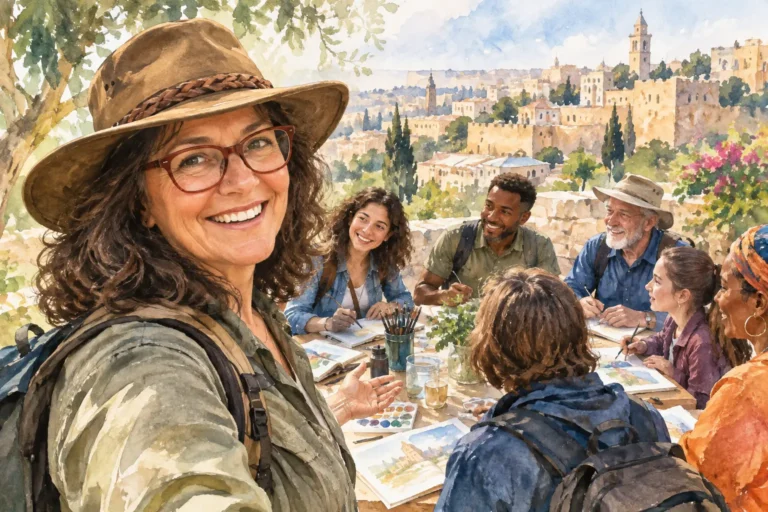
Many travelers plan their days around places of historic or spiritual importance, and rightly so. Yet a hands-on class creates a different kind of memory. You are not standing behind a rope or listening from the back of a large group. You are rolling dough, arranging colored glass, blending spices, painting, carving, or learning how a material responds in your hands.
That participation is especially rewarding for families and multigenerational groups. A teenager who is less interested in another museum room may become fully absorbed in a chocolate-making session or a street-art workshop. Adults often appreciate the chance to slow down, ask questions, and enjoy a conversation with a skilled local maker. For a business traveler with only a free afternoon, a compact culinary or artisan experience can be far more memorable than filling time with another walk through a shopping district.
It also depends on the pace you want. A one-hour demonstration can add flavor to a packed day, while a half-day class lets you settle in and learn a process from beginning to end. There is no single best choice. The best experience is the one that fits your interests, energy, travel companions, and the part of Israel you hope to understand more deeply.
All the best craft seminars, classes and workshops start with interest
Rather than choosing an activity simply because it is available nearby, begin with what genuinely draws you in. Israel’s creative landscape is wonderfully varied, and a personalized plan can match the workshop to your curiosity.
Mosaic making for history you can touch
Mosaic workshops are a natural fit for travelers fascinated by archaeology, ancient cities, sacred art, or design. Working with tiny pieces of stone, ceramic, or glass gives you a new appreciation for the patience behind the floors and walls seen at historic sites. It is an activity that feels meditative, but it is also practical: participants can usually create a small piece to take home.
A mosaic class works particularly well after visiting an archaeological setting because it connects observation with action. You may notice patterns and colors differently once you have tried positioning tesserae yourself. It is suitable for many ages, though younger children may need a simpler design and a little extra guidance.
Baking and cooking for a taste of place
A cooking or baking workshop can bring together food, family stories, seasonal produce, and regional traditions in one welcoming table. You might knead breads, shape pastries, prepare a market-inspired meal, make preserves, or learn the balance of herbs and spices used in a home kitchen.
The value is not just in the recipe. It is in understanding why certain ingredients appear, how a dish changes from one household to another, and what makes a meal feel celebratory or comforting. These classes are often ideal for couples, families, and groups of friends because everyone has a role to play. They are also a thoughtful option for travelers seeking an evening experience that feels social without being rushed.
Artist studios and maker visits for real conversation
Not every craft encounter needs to be a formal class. A visit with an artist or maker can be equally compelling, especially for travelers who enjoy conversation and want to see how creative work takes shape. In a working studio, you may encounter ceramics, textiles, jewelry, printmaking, woodworking, painting, glass, or mixed-media design.
The strongest visits allow room for questions. How did this artist choose the material? What makes a piece technically difficult? How does a local landscape, family background, or daily routine shape the work? A studio visit may include a short demonstration, a chance to try a technique, or simply the pleasure of meeting someone who can speak with real passion about their craft.
Nature-based workshops for the curious outdoors person
Craft can begin outdoors. Foraging activities connect participants with edible plants, fragrant herbs, and the changing character of hillsides, forests, and open landscapes. Depending on the season and setting, the experience may lead into a simple outdoor meal, tea blending, natural dyes, or a discussion of traditional uses for plants.
This option suits travelers who want an active experience without committing to a strenuous hike. It does require flexibility: weather, seasonality, and the natural environment shape what is possible. A good guide helps set expectations and makes sure the outing is appropriate for the group.
How to choose a workshop that feels personal
The most memorable workshops are not necessarily the longest or most elaborate. They are thoughtfully placed within the day. If you are touring a historic district in the morning, a nearby artisan visit can provide a natural continuation. If you are spending the day in the countryside, baking, olive-related activities, or foraging may feel more connected than an indoor urban class.
Consider your group’s practical needs, too. Ask whether the activity is hands-on or mostly demonstrative, how much standing is involved, whether it is suitable for children, and whether there are food sensitivities or accessibility considerations to discuss in advance. A class can be adapted in many cases, but only if the host understands what you need.
Timing matters. Cooking sessions are often best when they replace a meal rather than compete with one. Messier activities may be more enjoyable early in the day, before a formal dinner or an evening event. And if you are traveling during a holiday period or peak season, scheduling ahead can make a real difference, particularly for small studios with limited space.
Language is another meaningful detail. English-speaking travelers should be able to relax and participate rather than struggle to follow instructions. A knowledgeable local guide can help bridge the conversation, provide context before and after the class, and make the experience feel integrated into the wider journey rather than like a disconnected appointment.
Pairing craft with the places around it
A workshop has even more impact when it is paired with a setting that deepens its story. Mosaic making can complement an archaeological day. A market visit followed by cooking can make a city neighborhood feel familiar rather than overwhelming. A studio conversation can sit beautifully alongside architecture, galleries, or a walk through an older quarter. A foraging session can be woven into a gentle nature outing, with time afterward for a scenic meal.
This is where a tailor-made itinerary makes a difference. Instead of building a day from isolated attractions, you can create a rhythm: learn, walk, taste, ask, rest, and continue. The experience becomes flexible enough to honor a child’s attention span, a grandparent’s comfort, a couple’s special interest, or a group’s desire for more depth.
At Patchwork Israel, I see craft activities as part of the larger patchwork of a journey: people, places, stories, landscapes, and the small moments that make a trip your own. A class can be quiet and reflective, lively and delicious, creative and messy, or all three. What matters is that it belongs to you.
When you plan room for making something by hand, you give your travels room to breathe. Choose an experience that sparks genuine curiosity, meet the person behind the craft, and let the finished piece remind you not only of where you went, but of what you discovered while you were there.

All the Best Craft Seminars, Classes and Workshops
A hand-pressed mosaic tile, warm bread lifted from an oven, the earthy scent of clay on your fingers: these are the details that stay with you long after a trip. All the best craft seminars, classes and workshops turn Israel from a place you see into a place you participate in. They offer a relaxed, meaningful way to meet makers, hear the stories behind a tradition, and leave with both new skills and a personal memento.
For travelers who have already visited the major sites, a craft experience can reveal an entirely different side of the country. For first-time visitors, it can give a busy itinerary a welcome pause. The right workshop is never just a pleasant activity between stops. It can be a doorway into local ingredients, inherited techniques, neighborhood character, and the creative choices people make every day.
Why a craft workshop belongs on your itinerary
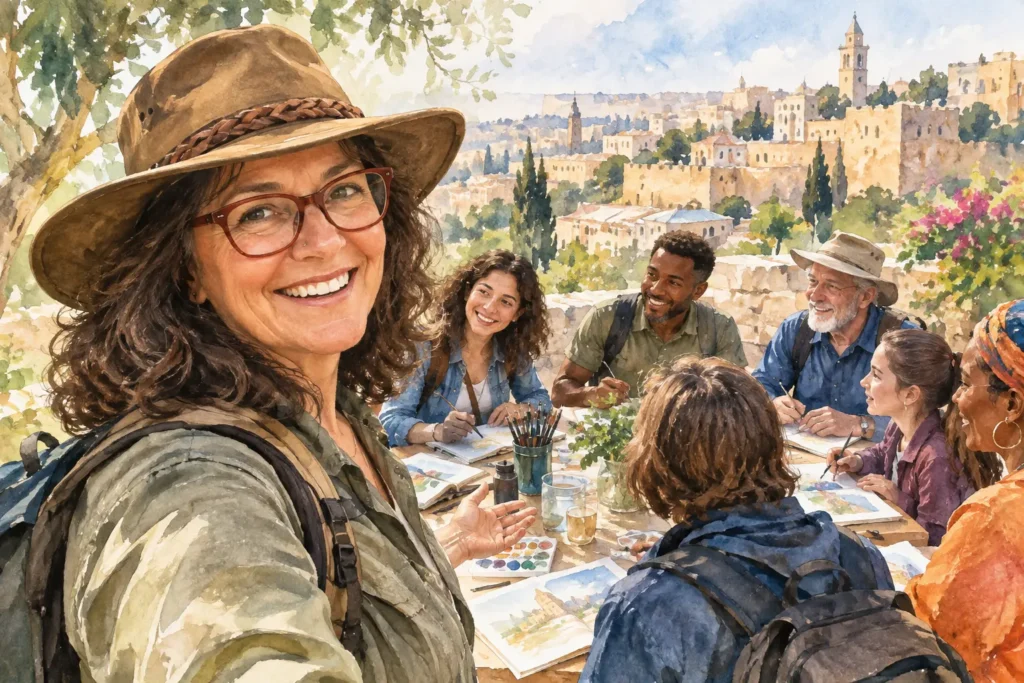
Many travelers plan their days around places of historic or spiritual importance, and rightly so. Yet a hands-on class creates a different kind of memory. You are not standing behind a rope or listening from the back of a large group. You are rolling dough, arranging colored glass, blending spices, painting, carving, or learning how a material responds in your hands.
That participation is especially rewarding for families and multigenerational groups. A teenager who is less interested in another museum room may become fully absorbed in a chocolate-making session or a street-art workshop. Adults often appreciate the chance to slow down, ask questions, and enjoy a conversation with a skilled local maker. For a business traveler with only a free afternoon, a compact culinary or artisan experience can be far more memorable than filling time with another walk through a shopping district.
It also depends on the pace you want. A one-hour demonstration can add flavor to a packed day, while a half-day class lets you settle in and learn a process from beginning to end. There is no single best choice. The best experience is the one that fits your interests, energy, travel companions, and the part of Israel you hope to understand more deeply.
All the best craft seminars, classes and workshops start with interest
Rather than choosing an activity simply because it is available nearby, begin with what genuinely draws you in. Israel’s creative landscape is wonderfully varied, and a personalized plan can match the workshop to your curiosity.
Mosaic making for history you can touch
Mosaic workshops are a natural fit for travelers fascinated by archaeology, ancient cities, sacred art, or design. Working with tiny pieces of stone, ceramic, or glass gives you a new appreciation for the patience behind the floors and walls seen at historic sites. It is an activity that feels meditative, but it is also practical: participants can usually create a small piece to take home.
A mosaic class works particularly well after visiting an archaeological setting because it connects observation with action. You may notice patterns and colors differently once you have tried positioning tesserae yourself. It is suitable for many ages, though younger children may need a simpler design and a little extra guidance.
Baking and cooking for a taste of place
A cooking or baking workshop can bring together food, family stories, seasonal produce, and regional traditions in one welcoming table. You might knead breads, shape pastries, prepare a market-inspired meal, make preserves, or learn the balance of herbs and spices used in a home kitchen.
The value is not just in the recipe. It is in understanding why certain ingredients appear, how a dish changes from one household to another, and what makes a meal feel celebratory or comforting. These classes are often ideal for couples, families, and groups of friends because everyone has a role to play. They are also a thoughtful option for travelers seeking an evening experience that feels social without being rushed.
Artist studios and maker visits for real conversation
Not every craft encounter needs to be a formal class. A visit with an artist or maker can be equally compelling, especially for travelers who enjoy conversation and want to see how creative work takes shape. In a working studio, you may encounter ceramics, textiles, jewelry, printmaking, woodworking, painting, glass, or mixed-media design.
The strongest visits allow room for questions. How did this artist choose the material? What makes a piece technically difficult? How does a local landscape, family background, or daily routine shape the work? A studio visit may include a short demonstration, a chance to try a technique, or simply the pleasure of meeting someone who can speak with real passion about their craft.
Nature-based workshops for the curious outdoors person
Craft can begin outdoors. Foraging activities connect participants with edible plants, fragrant herbs, and the changing character of hillsides, forests, and open landscapes. Depending on the season and setting, the experience may lead into a simple outdoor meal, tea blending, natural dyes, or a discussion of traditional uses for plants.
This option suits travelers who want an active experience without committing to a strenuous hike. It does require flexibility: weather, seasonality, and the natural environment shape what is possible. A good guide helps set expectations and makes sure the outing is appropriate for the group.
How to choose a workshop that feels personal
The most memorable workshops are not necessarily the longest or most elaborate. They are thoughtfully placed within the day. If you are touring a historic district in the morning, a nearby artisan visit can provide a natural continuation. If you are spending the day in the countryside, baking, olive-related activities, or foraging may feel more connected than an indoor urban class.
Consider your group’s practical needs, too. Ask whether the activity is hands-on or mostly demonstrative, how much standing is involved, whether it is suitable for children, and whether there are food sensitivities or accessibility considerations to discuss in advance. A class can be adapted in many cases, but only if the host understands what you need.
Timing matters. Cooking sessions are often best when they replace a meal rather than compete with one. Messier activities may be more enjoyable early in the day, before a formal dinner or an evening event. And if you are traveling during a holiday period or peak season, scheduling ahead can make a real difference, particularly for small studios with limited space.
Language is another meaningful detail. English-speaking travelers should be able to relax and participate rather than struggle to follow instructions. A knowledgeable local guide can help bridge the conversation, provide context before and after the class, and make the experience feel integrated into the wider journey rather than like a disconnected appointment.
Pairing craft with the places around it
A workshop has even more impact when it is paired with a setting that deepens its story. Mosaic making can complement an archaeological day. A market visit followed by cooking can make a city neighborhood feel familiar rather than overwhelming. A studio conversation can sit beautifully alongside architecture, galleries, or a walk through an older quarter. A foraging session can be woven into a gentle nature outing, with time afterward for a scenic meal.
This is where a tailor-made itinerary makes a difference. Instead of building a day from isolated attractions, you can create a rhythm: learn, walk, taste, ask, rest, and continue. The experience becomes flexible enough to honor a child’s attention span, a grandparent’s comfort, a couple’s special interest, or a group’s desire for more depth.
At Patchwork Israel, I see craft activities as part of the larger patchwork of a journey: people, places, stories, landscapes, and the small moments that make a trip your own. A class can be quiet and reflective, lively and delicious, creative and messy, or all three. What matters is that it belongs to you.
When you plan room for making something by hand, you give your travels room to breathe. Choose an experience that sparks genuine curiosity, meet the person behind the craft, and let the finished piece remind you not only of where you went, but of what you discovered while you were there.
Get the latest blog updates in your inbox.