Custom Israel Tours That Feel Like Your Trip
A sunrise at Masada can be unforgettable. So can coffee with a local maker, a quiet walk through an ancient alleyway, a home-cooked meal, or an afternoon on a desert trail where the only sound is the wind. Custom Israel tours make room for the moments that matter to you, rather than asking you to fit your trip into a fixed schedule.
Israel is compact, but it is not simple. Within a short drive, landscapes, languages, traditions, food, architecture, and stories can change dramatically. A private, tailor-made itinerary gives you a way to experience that richness with context, at a pace that feels comfortable, and with enough flexibility to follow an unexpected interest when it appears.
What Makes Custom Israel Tours Different?
A standard itinerary often treats every traveler the same: a quick stop at a famous site, a photo, a short explanation, then back on the bus. There is value in seeing the classics, especially on a first visit. But the most meaningful travel usually begins when there is time to ask a second question, linger in a place, meet someone connected to a story, or choose a route that reflects your own curiosity.
A custom trip begins with you. Perhaps Jerusalem is the center of your visit, and you want its sacred places, markets, neighborhoods, and archaeological layers explained with care. Perhaps you are traveling as a family and need a day that holds the attention of teenagers as well as grandparents. Maybe you have visited Israel before and are ready to move beyond the familiar highlights toward lesser-known landscapes, small communities, workshops, and personal encounters.
The right itinerary can also balance very different interests. One traveler may want faith and heritage; another may be happiest hiking, tasting local food, or riding in a 4×4 through desert terrain. These do not have to be competing priorities. With thoughtful planning, they can become parts of the same day.
Start With the Experience, Not the Checklist
The best planning question is not, “What are the top ten sights?” It is, “How do I want to feel at the end of this trip?” Some visitors want a deeper connection to family history or spiritual tradition. Others want to understand daily life through food, design, agriculture, art, technology, and conversations with people whose perspectives they may not encounter at home.
For a first-time visitor, the well-known places can create a powerful foundation. Jerusalem, Jaffa, Tel Aviv, Caesarea, Masada, and the Dead Sea each reveal a different part of the country’s story. Yet even these familiar destinations can be approached in many ways. Caesarea may be a lesson in archaeology and maritime trade, or it may be paired with a coastal meal and an easy walk. Jerusalem can be a focused heritage day, a culinary exploration, or a carefully paced introduction to its many layers.
For returning visitors, customization is especially valuable. There is no reason to repeat a rushed version of a trip you have already taken. A second or third visit can include a guided hike in the north, a foraging experience, a mosaic workshop, a farm visit, a cooking session, a sailing outing, or an off-road route through changing desert scenery. It can also include meaningful conversations and visits that offer a more personal view of the country than a landmark alone can provide.
Let Your Pace Shape the Itinerary
A rewarding day is not measured by the number of pins on a map. It is measured by whether you had time to absorb what you saw.
Some travelers enjoy early starts, long walks, and full days outdoors. Others prefer a gentle morning, a substantial lunch, and fewer transitions. Families may need room for breaks and activities that invite participation rather than passive listening. A business traveler with one open afternoon needs a concise, memorable experience without wasting time in transit. Larger educational groups need a clear rhythm, good coordination, and content that remains engaging across many ages.
There are trade-offs. Fitting Jerusalem, the Dead Sea, and Masada into a single day is possible, but it is a long day and does not leave much room for detours or reflection. Splitting those experiences gives each place more breathing room. Similarly, a mountain hike, a city tour, and a culinary workshop might all sound appealing, but the strongest itinerary usually chooses a natural focus for each day.
An experienced guide helps make these choices before they become frustrating. Weather, seasonal daylight, driving time, mobility needs, opening hours, energy levels, and local rhythms all shape what will work well. Good customization is not simply adding more. It is editing wisely.
Make Space for the Unexpected
The best private tours leave a little room around the edges. A market vendor may spark a conversation. A scenic overlook may deserve an extra twenty minutes. A child may become fascinated by an ancient water system. You may find that a small neighborhood bakery says more about a place than another museum could.
That flexibility is one of the quiet luxuries of private travel. You are not waiting for a busload of people to regroup, and you are not forced to move on because a printed schedule says so. Your guide can adjust the day while still keeping the practical details under control.
Choose a Guide Who Adds Context
A destination becomes more vivid when the person guiding you knows not only the route but also the stories behind it. The difference is not just factual knowledge. It is knowing when a site needs a clear historical explanation, when a family needs a hands-on activity, when a walk should become a conversation, and when the group simply needs shade and a good place to eat.
A licensed guide with decades of field experience can connect the major places with the smaller details that make them memorable. That might mean recognizing the best route for a particular season, introducing a local specialty in the right setting, or arranging an encounter that fits your interests in art, agriculture, archaeology, religion, architecture, or innovation.
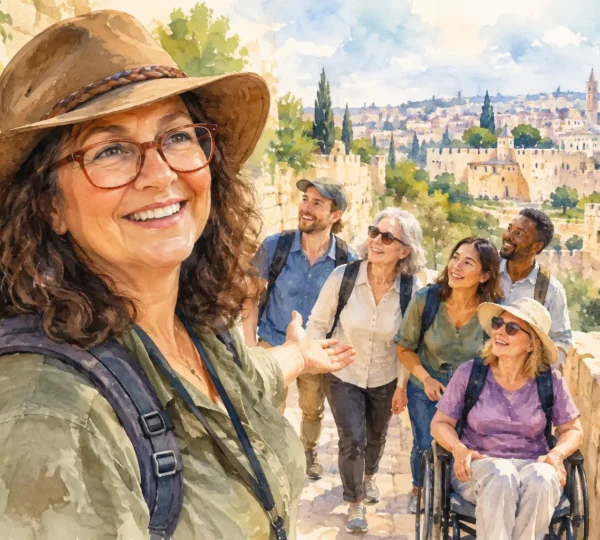
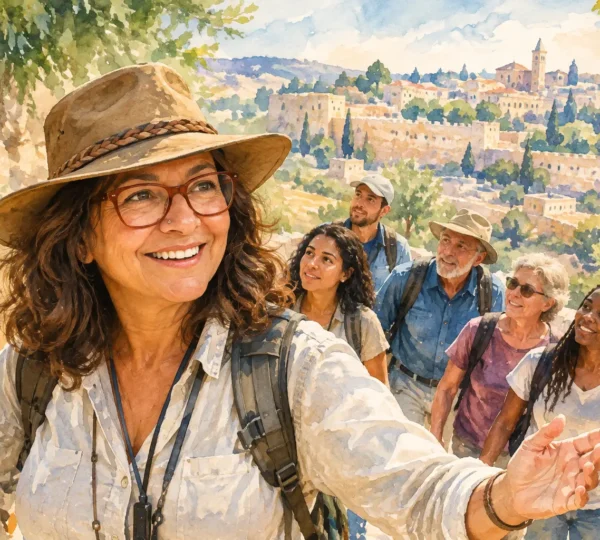
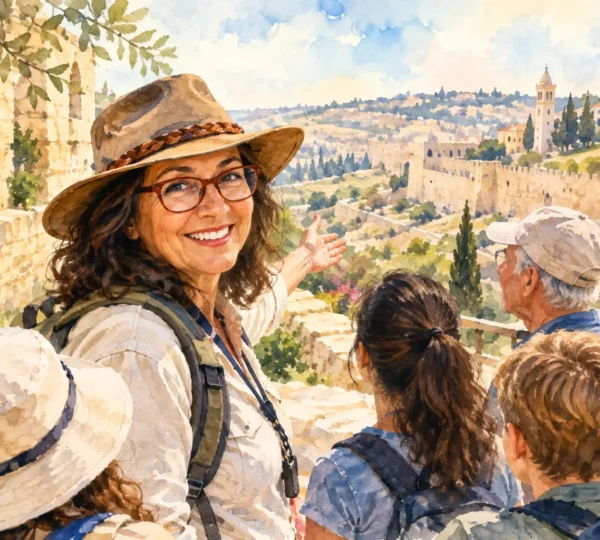
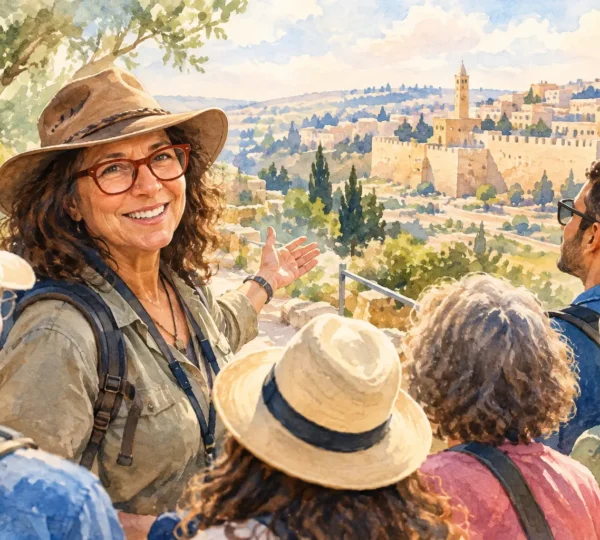
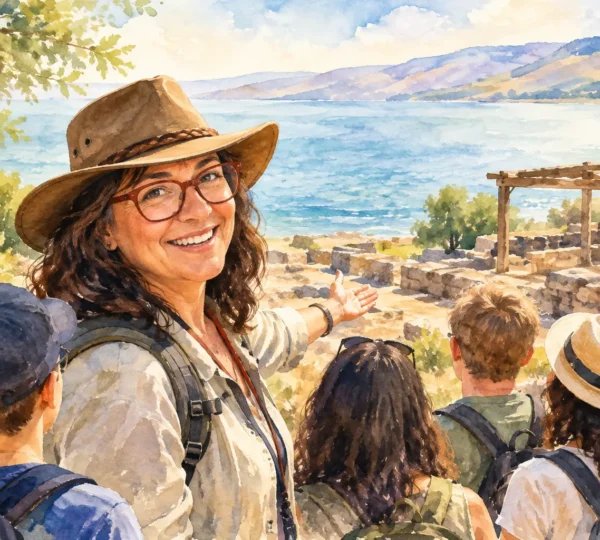
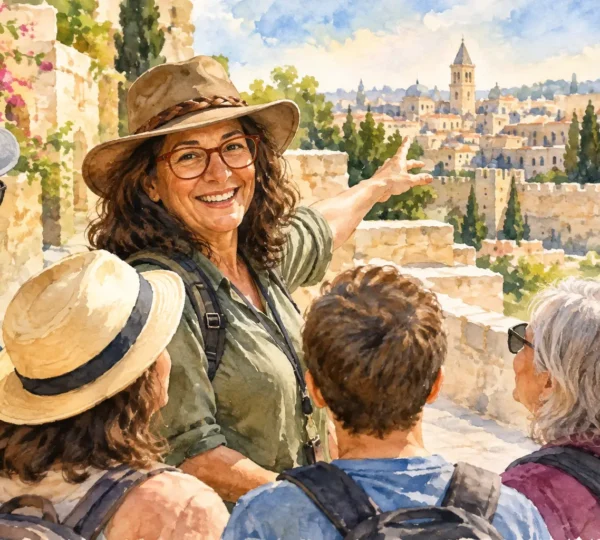
At Patchwork Israel, the goal is not to deliver a rehearsed day from memory. It is to host you in a country that rewards curiosity. Sharon brings the perspective of a licensed tour guide, hiking guide, 4×4 guide, and outdoor facilitation professional, so a day can move comfortably between historical depth, nature, culture, and active experiences.
Personal Encounters Create Lasting Memories
Landmarks matter because they hold stories. Personal encounters make those stories feel alive.
Depending on your interests, a custom day might include time with a culinary expert, farmer, artist, academic, entrepreneur, historian, or religious leader. These are not staged additions meant to fill an itinerary. When chosen carefully, they offer a respectful way to learn how people create, work, celebrate, and see the world.
For heritage and faith-based travelers, this can bring added depth to places they have long imagined visiting. For travelers with no religious agenda, it can be an equally compelling way to understand the human texture of the country. For families, it often creates the moments everyone talks about afterward: making something with their hands, tasting something unfamiliar, meeting someone passionate about their work, or seeing a landscape from a completely different angle.
A Trip Can Be Active Without Feeling Rushed
Israel offers more than city streets and ancient stones. The country’s terrain invites movement, whether you prefer an easy nature walk, a demanding hike, a mountain excursion, a desert 4×4 adventure, camel riding, scuba diving, or a day that combines a short trail with a swim and a leisurely lunch.
The right activity level depends on the group. A challenging hike can be deeply satisfying for confident walkers, while a scenic drive with brief walks may suit multigenerational families better. An off-road outing can reveal remote views and changing terrain, but it should be selected with comfort, weather, and the ages of participants in mind. There is no prize for choosing the most strenuous option. The point is to feel present in the landscape, not depleted by it.
A custom itinerary also makes room for the less obvious pleasures: stopping for seasonal fruit, watching the light change over a ridge, taking a quiet break near water, or ending an active day with a meal that feels earned.
Bring the Right Questions to Planning
Before building your itinerary, think about what you would gladly make time for. Consider the stories you hope to understand, the foods you want to try, the level of walking that feels enjoyable, and whether you want full days or a more relaxed rhythm. Mention birthdays, family connections, accessibility needs, interests your traveling companions do not share, and anything you definitely do not want to do.
The more honestly you describe your travel style, the more personal the result can be. A well-designed tour does not try to turn every traveler into an archaeologist, hiker, foodie, or pilgrim. It gives each person a way into the country that feels genuine.
Your time in Israel can be full of major sights, hidden corners, shared meals, desert tracks, and conversations that stay with you long after the suitcase is unpacked. Start with what moves you, and let the route grow from there.

Custom Israel Tours That Feel Like Your Trip
A sunrise at Masada can be unforgettable. So can coffee with a local maker, a quiet walk through an ancient alleyway, a home-cooked meal, or an afternoon on a desert trail where the only sound is the wind. Custom Israel tours make room for the moments that matter to you, rather than asking you to fit your trip into a fixed schedule.
Israel is compact, but it is not simple. Within a short drive, landscapes, languages, traditions, food, architecture, and stories can change dramatically. A private, tailor-made itinerary gives you a way to experience that richness with context, at a pace that feels comfortable, and with enough flexibility to follow an unexpected interest when it appears.
What Makes Custom Israel Tours Different?
A standard itinerary often treats every traveler the same: a quick stop at a famous site, a photo, a short explanation, then back on the bus. There is value in seeing the classics, especially on a first visit. But the most meaningful travel usually begins when there is time to ask a second question, linger in a place, meet someone connected to a story, or choose a route that reflects your own curiosity.
A custom trip begins with you. Perhaps Jerusalem is the center of your visit, and you want its sacred places, markets, neighborhoods, and archaeological layers explained with care. Perhaps you are traveling as a family and need a day that holds the attention of teenagers as well as grandparents. Maybe you have visited Israel before and are ready to move beyond the familiar highlights toward lesser-known landscapes, small communities, workshops, and personal encounters.
The right itinerary can also balance very different interests. One traveler may want faith and heritage; another may be happiest hiking, tasting local food, or riding in a 4×4 through desert terrain. These do not have to be competing priorities. With thoughtful planning, they can become parts of the same day.
Start With the Experience, Not the Checklist
The best planning question is not, “What are the top ten sights?” It is, “How do I want to feel at the end of this trip?” Some visitors want a deeper connection to family history or spiritual tradition. Others want to understand daily life through food, design, agriculture, art, technology, and conversations with people whose perspectives they may not encounter at home.
For a first-time visitor, the well-known places can create a powerful foundation. Jerusalem, Jaffa, Tel Aviv, Caesarea, Masada, and the Dead Sea each reveal a different part of the country’s story. Yet even these familiar destinations can be approached in many ways. Caesarea may be a lesson in archaeology and maritime trade, or it may be paired with a coastal meal and an easy walk. Jerusalem can be a focused heritage day, a culinary exploration, or a carefully paced introduction to its many layers.
For returning visitors, customization is especially valuable. There is no reason to repeat a rushed version of a trip you have already taken. A second or third visit can include a guided hike in the north, a foraging experience, a mosaic workshop, a farm visit, a cooking session, a sailing outing, or an off-road route through changing desert scenery. It can also include meaningful conversations and visits that offer a more personal view of the country than a landmark alone can provide.
Let Your Pace Shape the Itinerary
A rewarding day is not measured by the number of pins on a map. It is measured by whether you had time to absorb what you saw.
Some travelers enjoy early starts, long walks, and full days outdoors. Others prefer a gentle morning, a substantial lunch, and fewer transitions. Families may need room for breaks and activities that invite participation rather than passive listening. A business traveler with one open afternoon needs a concise, memorable experience without wasting time in transit. Larger educational groups need a clear rhythm, good coordination, and content that remains engaging across many ages.
There are trade-offs. Fitting Jerusalem, the Dead Sea, and Masada into a single day is possible, but it is a long day and does not leave much room for detours or reflection. Splitting those experiences gives each place more breathing room. Similarly, a mountain hike, a city tour, and a culinary workshop might all sound appealing, but the strongest itinerary usually chooses a natural focus for each day.
An experienced guide helps make these choices before they become frustrating. Weather, seasonal daylight, driving time, mobility needs, opening hours, energy levels, and local rhythms all shape what will work well. Good customization is not simply adding more. It is editing wisely.
Make Space for the Unexpected
The best private tours leave a little room around the edges. A market vendor may spark a conversation. A scenic overlook may deserve an extra twenty minutes. A child may become fascinated by an ancient water system. You may find that a small neighborhood bakery says more about a place than another museum could.
That flexibility is one of the quiet luxuries of private travel. You are not waiting for a busload of people to regroup, and you are not forced to move on because a printed schedule says so. Your guide can adjust the day while still keeping the practical details under control.
Choose a Guide Who Adds Context
A destination becomes more vivid when the person guiding you knows not only the route but also the stories behind it. The difference is not just factual knowledge. It is knowing when a site needs a clear historical explanation, when a family needs a hands-on activity, when a walk should become a conversation, and when the group simply needs shade and a good place to eat.
A licensed guide with decades of field experience can connect the major places with the smaller details that make them memorable. That might mean recognizing the best route for a particular season, introducing a local specialty in the right setting, or arranging an encounter that fits your interests in art, agriculture, archaeology, religion, architecture, or innovation.
At Patchwork Israel, the goal is not to deliver a rehearsed day from memory. It is to host you in a country that rewards curiosity. Sharon brings the perspective of a licensed tour guide, hiking guide, 4×4 guide, and outdoor facilitation professional, so a day can move comfortably between historical depth, nature, culture, and active experiences.
Personal Encounters Create Lasting Memories
Landmarks matter because they hold stories. Personal encounters make those stories feel alive.
Depending on your interests, a custom day might include time with a culinary expert, farmer, artist, academic, entrepreneur, historian, or religious leader. These are not staged additions meant to fill an itinerary. When chosen carefully, they offer a respectful way to learn how people create, work, celebrate, and see the world.
For heritage and faith-based travelers, this can bring added depth to places they have long imagined visiting. For travelers with no religious agenda, it can be an equally compelling way to understand the human texture of the country. For families, it often creates the moments everyone talks about afterward: making something with their hands, tasting something unfamiliar, meeting someone passionate about their work, or seeing a landscape from a completely different angle.
A Trip Can Be Active Without Feeling Rushed
Israel offers more than city streets and ancient stones. The country’s terrain invites movement, whether you prefer an easy nature walk, a demanding hike, a mountain excursion, a desert 4×4 adventure, camel riding, scuba diving, or a day that combines a short trail with a swim and a leisurely lunch.
The right activity level depends on the group. A challenging hike can be deeply satisfying for confident walkers, while a scenic drive with brief walks may suit multigenerational families better. An off-road outing can reveal remote views and changing terrain, but it should be selected with comfort, weather, and the ages of participants in mind. There is no prize for choosing the most strenuous option. The point is to feel present in the landscape, not depleted by it.
A custom itinerary also makes room for the less obvious pleasures: stopping for seasonal fruit, watching the light change over a ridge, taking a quiet break near water, or ending an active day with a meal that feels earned.
Bring the Right Questions to Planning
Before building your itinerary, think about what you would gladly make time for. Consider the stories you hope to understand, the foods you want to try, the level of walking that feels enjoyable, and whether you want full days or a more relaxed rhythm. Mention birthdays, family connections, accessibility needs, interests your traveling companions do not share, and anything you definitely do not want to do.
The more honestly you describe your travel style, the more personal the result can be. A well-designed tour does not try to turn every traveler into an archaeologist, hiker, foodie, or pilgrim. It gives each person a way into the country that feels genuine.
Your time in Israel can be full of major sights, hidden corners, shared meals, desert tracks, and conversations that stay with you long after the suitcase is unpacked. Start with what moves you, and let the route grow from there.
Get the latest blog updates in your inbox.