9 Best Cultural Workshops in Israel to Try
A gallery can show you an object. A good workshop lets you feel the weight of the clay, hear the story behind a family recipe, and leave with something more lasting than a photograph. That is why the best cultural workshops in Israel are such a rewarding addition to an itinerary, especially for travelers who want to move beyond a checklist of famous sites.
Israel is compact, but its daily life changes quickly from one neighborhood, town, farm, and landscape to the next. A hands-on experience can turn a visit into a conversation: with a maker, a cook, a grower, an artist, or a host sharing a skill rooted in place. The right choice depends on your interests, energy level, dietary needs, and how much time you have. A business traveler with one free evening may want a focused food experience, while a family or returning visitor may build an entire day around craft, landscape, and local hospitality.
The Best Cultural Workshops in Israel for Curious Travelers
1. Home cooking with a local host
A home cooking workshop is often the most personal choice. Instead of simply ordering a meal, you shop for ingredients, chop, season, ask questions, and sit down together when the work is done. The recipes may be familiar in name but surprising in detail, shaped by household traditions, seasonality, and the cook’s own story.
This experience works beautifully for families, food-minded travelers, and visitors celebrating a milestone. It is also a practical fit for people who want cultural context without a long day of walking. Be clear in advance about allergies, dietary preferences, and whether you would rather cook actively or focus on conversation and tasting. Some hosts offer a polished class; others offer a lively, lived-in kitchen. Both can be memorable, but they feel very different.
2. Bread baking and market-to-table traditions
Few activities bring a group together faster than making bread. From mixing dough to learning how heat, timing, and local ingredients change the final result, baking workshops are wonderfully tactile and accessible. They can be paired with a market visit, a breakfast spread, or a shared lunch.
This is an especially good option for multigenerational groups because there are meaningful roles for nearly everyone. Younger travelers can shape dough, while adults may enjoy the deeper discussion about food customs and the rhythm of preparing for a shared meal. Ask whether the workshop includes hands-on baking or mainly a demonstration, since both are commonly offered.
3. Mosaic making near ancient landscapes
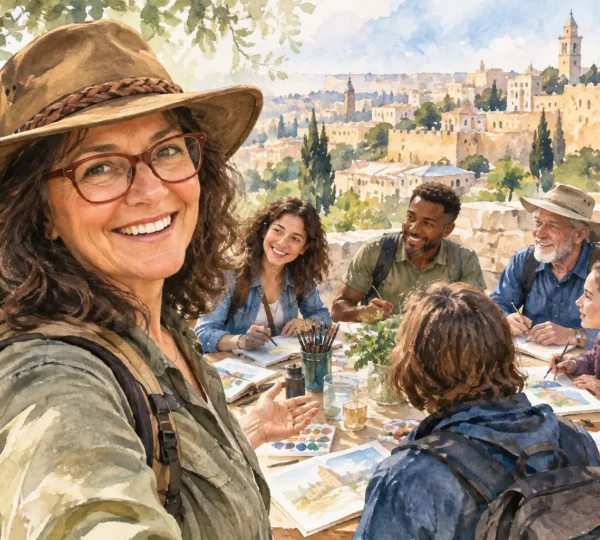
Mosaic workshops offer a direct connection between art and archaeology. You may work with small pieces of stone, ceramic, or glass, learning how color, pattern, and patience turn fragments into an image. It is a satisfying counterpoint to visiting historic ruins, where you see mosaics already complete but rarely consider the hours of skilled labor behind them.
A session can be adjusted for almost any level, from a short introduction to a more ambitious piece that takes several hours. Travelers who enjoy art, history, and quiet concentration tend to love this format. For a well-paced day, combine it with an archaeological site or a walk through an old town, then give yourself enough time to let the workshop unfold without rushing back to the vehicle.
4. Ceramic workshops with working artists
Clay is humbling in the best way. A ceramics workshop may include hand-building, wheel throwing, glazing, or a studio visit focused on the artist’s process. Even if your first bowl leans a little to one side, you will understand why handmade objects carry a different kind of value.
These workshops are excellent for travelers who have already seen major attractions and want a slower, more personal day. They also suit small groups looking for a shared activity that does not require athletic ability. Keep logistics in mind: fired pieces may need time before they are ready to collect or ship, so a one-day clay project is not always the best choice for a short visit.
5. Spice blending and regional food stories
A spice workshop is a feast for the senses and an easy way to bring the trip home in your suitcase. You might smell toasted seeds, dried herbs, citrus, peppers, and fragrant blends while learning how cooks use them in everyday dishes. The best sessions go beyond a tasting table. They explain why ingredients appear where they do, how families adjust recipes, and what changes with the season.
This is a smart option for a short afternoon in Jerusalem, Jaffa, Tel Aviv, or another food-rich area. It can also work well before a cooking class, turning ingredients into a story before they become lunch. If shopping is part of the experience, leave a little extra room in your bag.
6. Foraging walks and outdoor field kitchens
Foraging adds landscape to the table. With a knowledgeable leader, travelers learn to notice edible greens, herbs, fruits, and plants that might otherwise look like background scenery. The experience often ends with tea, a simple field snack, or an outdoor cooking activity.
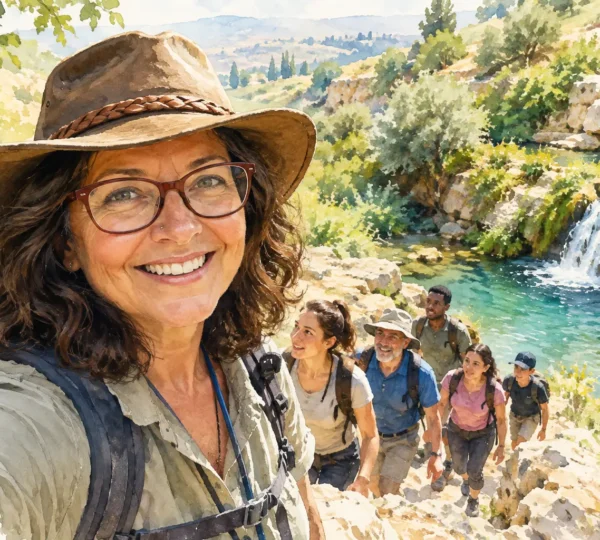
Season matters more here than in almost any other workshop. Spring may offer an abundance of greens and flowers, while other times of year bring different flavors and a different pace. It is not ideal for every traveler: uneven ground, sun, and weather are part of the experience. But for hikers, photographers, families with older children, and anyone who wants to understand the land through taste and touch, it can be extraordinary.
7. Desert hospitality and traditional craft
The desert invites people to slow down. Cultural workshops in this setting may combine simple crafts, coffee or tea preparation, bread making, storytelling, camel encounters, or a meal under open skies. The point is not to stage the desert as a backdrop. It is to understand how hospitality, resourcefulness, and community are shaped by a demanding environment.
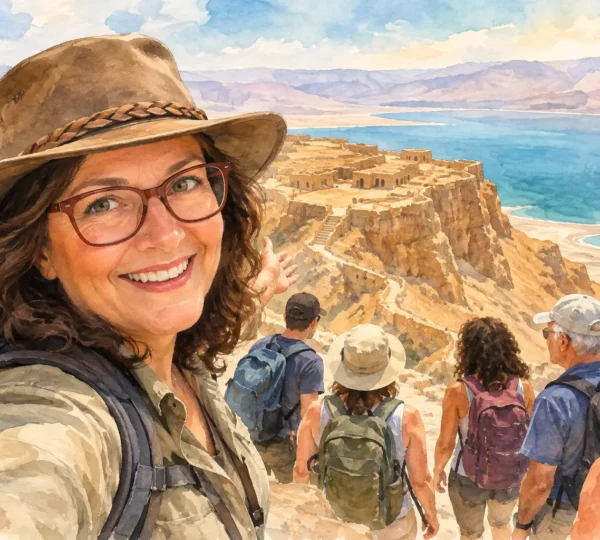
Choose this option when you can give it time. A rushed stop between Masada and the Dead Sea may be pleasant, but an unhurried afternoon or evening creates more room for conversation. In warmer months, early morning and late afternoon are usually more comfortable, and layers are useful after sunset even when the day has been hot.
8. Music, rhythm, and movement sessions
Some cultural knowledge is better heard than explained. A rhythm, singing, dance, or instrument workshop can bring a group out of its usual travel mode and into a more joyful, participatory one. These sessions are particularly strong for educational groups, reunions, and families because they create an immediate shared memory.
No prior skill is needed, but comfort levels vary. A thoughtful organizer can arrange a session that emphasizes listening and learning rather than putting anyone on the spot. For travelers with limited time, this is also one of the easiest workshops to place in an evening after sightseeing.
9. Farm visits and hands-on agricultural experiences
A visit to a working farm can reveal another side of Israel’s creativity: irrigation, growing methods, seasonal harvests, and the everyday work behind a meal. Depending on the location and season, you may pick produce, join a tasting, make cheese or preserves, or speak with people whose work connects agriculture, innovation, and the land.
This is a strong choice for travelers interested in sustainability, food systems, or practical ingenuity. It can be made gentle and accessible, or paired with a rural hike, off-road route, or picnic for a fuller day outdoors. Availability naturally follows the farming calendar, so flexibility is part of planning well.
How to Choose a Workshop That Feels Genuine
The most meaningful workshop is not necessarily the one with the most polished studio or the longest menu of activities. Look for a clear connection between the teacher and the craft, enough time for genuine participation, and a setting that supports conversation. A 90-minute session may be perfect for a city day; a half-day experience may be worth it when the journey to a rural community is part of the story.
It also helps to consider what you want the workshop to do within your trip. Would you like an intimate encounter after a morning at a major heritage site? A creative break for teenagers? A relaxed activity that lets grandparents and children participate together? A guide who knows the area can match the workshop to nearby sites, travel times, and the pace your group actually enjoys.
For private travelers, Patchwork Israel can shape these encounters around the people you want to meet and the questions you want to ask. That may mean pairing a mosaic session with ancient history, a kitchen workshop with a market walk, or a farm visit with a scenic drive through a part of the country many visitors miss.
A workshop is at its best when it leaves you with more than an item to pack. Make room for the imperfect bowl, the flour on your hands, the new flavor you want to recreate, and the conversation that changed how you see the place around you.

9 Best Cultural Workshops in Israel to Try
A gallery can show you an object. A good workshop lets you feel the weight of the clay, hear the story behind a family recipe, and leave with something more lasting than a photograph. That is why the best cultural workshops in Israel are such a rewarding addition to an itinerary, especially for travelers who want to move beyond a checklist of famous sites.
Israel is compact, but its daily life changes quickly from one neighborhood, town, farm, and landscape to the next. A hands-on experience can turn a visit into a conversation: with a maker, a cook, a grower, an artist, or a host sharing a skill rooted in place. The right choice depends on your interests, energy level, dietary needs, and how much time you have. A business traveler with one free evening may want a focused food experience, while a family or returning visitor may build an entire day around craft, landscape, and local hospitality.
The Best Cultural Workshops in Israel for Curious Travelers
1. Home cooking with a local host
A home cooking workshop is often the most personal choice. Instead of simply ordering a meal, you shop for ingredients, chop, season, ask questions, and sit down together when the work is done. The recipes may be familiar in name but surprising in detail, shaped by household traditions, seasonality, and the cook’s own story.
This experience works beautifully for families, food-minded travelers, and visitors celebrating a milestone. It is also a practical fit for people who want cultural context without a long day of walking. Be clear in advance about allergies, dietary preferences, and whether you would rather cook actively or focus on conversation and tasting. Some hosts offer a polished class; others offer a lively, lived-in kitchen. Both can be memorable, but they feel very different.
2. Bread baking and market-to-table traditions
Few activities bring a group together faster than making bread. From mixing dough to learning how heat, timing, and local ingredients change the final result, baking workshops are wonderfully tactile and accessible. They can be paired with a market visit, a breakfast spread, or a shared lunch.
This is an especially good option for multigenerational groups because there are meaningful roles for nearly everyone. Younger travelers can shape dough, while adults may enjoy the deeper discussion about food customs and the rhythm of preparing for a shared meal. Ask whether the workshop includes hands-on baking or mainly a demonstration, since both are commonly offered.
3. Mosaic making near ancient landscapes
Mosaic workshops offer a direct connection between art and archaeology. You may work with small pieces of stone, ceramic, or glass, learning how color, pattern, and patience turn fragments into an image. It is a satisfying counterpoint to visiting historic ruins, where you see mosaics already complete but rarely consider the hours of skilled labor behind them.
A session can be adjusted for almost any level, from a short introduction to a more ambitious piece that takes several hours. Travelers who enjoy art, history, and quiet concentration tend to love this format. For a well-paced day, combine it with an archaeological site or a walk through an old town, then give yourself enough time to let the workshop unfold without rushing back to the vehicle.
4. Ceramic workshops with working artists
Clay is humbling in the best way. A ceramics workshop may include hand-building, wheel throwing, glazing, or a studio visit focused on the artist’s process. Even if your first bowl leans a little to one side, you will understand why handmade objects carry a different kind of value.
These workshops are excellent for travelers who have already seen major attractions and want a slower, more personal day. They also suit small groups looking for a shared activity that does not require athletic ability. Keep logistics in mind: fired pieces may need time before they are ready to collect or ship, so a one-day clay project is not always the best choice for a short visit.
5. Spice blending and regional food stories
A spice workshop is a feast for the senses and an easy way to bring the trip home in your suitcase. You might smell toasted seeds, dried herbs, citrus, peppers, and fragrant blends while learning how cooks use them in everyday dishes. The best sessions go beyond a tasting table. They explain why ingredients appear where they do, how families adjust recipes, and what changes with the season.
This is a smart option for a short afternoon in Jerusalem, Jaffa, Tel Aviv, or another food-rich area. It can also work well before a cooking class, turning ingredients into a story before they become lunch. If shopping is part of the experience, leave a little extra room in your bag.
6. Foraging walks and outdoor field kitchens
Foraging adds landscape to the table. With a knowledgeable leader, travelers learn to notice edible greens, herbs, fruits, and plants that might otherwise look like background scenery. The experience often ends with tea, a simple field snack, or an outdoor cooking activity.
Season matters more here than in almost any other workshop. Spring may offer an abundance of greens and flowers, while other times of year bring different flavors and a different pace. It is not ideal for every traveler: uneven ground, sun, and weather are part of the experience. But for hikers, photographers, families with older children, and anyone who wants to understand the land through taste and touch, it can be extraordinary.
7. Desert hospitality and traditional craft
The desert invites people to slow down. Cultural workshops in this setting may combine simple crafts, coffee or tea preparation, bread making, storytelling, camel encounters, or a meal under open skies. The point is not to stage the desert as a backdrop. It is to understand how hospitality, resourcefulness, and community are shaped by a demanding environment.
Choose this option when you can give it time. A rushed stop between Masada and the Dead Sea may be pleasant, but an unhurried afternoon or evening creates more room for conversation. In warmer months, early morning and late afternoon are usually more comfortable, and layers are useful after sunset even when the day has been hot.
8. Music, rhythm, and movement sessions
Some cultural knowledge is better heard than explained. A rhythm, singing, dance, or instrument workshop can bring a group out of its usual travel mode and into a more joyful, participatory one. These sessions are particularly strong for educational groups, reunions, and families because they create an immediate shared memory.
No prior skill is needed, but comfort levels vary. A thoughtful organizer can arrange a session that emphasizes listening and learning rather than putting anyone on the spot. For travelers with limited time, this is also one of the easiest workshops to place in an evening after sightseeing.
9. Farm visits and hands-on agricultural experiences
A visit to a working farm can reveal another side of Israel’s creativity: irrigation, growing methods, seasonal harvests, and the everyday work behind a meal. Depending on the location and season, you may pick produce, join a tasting, make cheese or preserves, or speak with people whose work connects agriculture, innovation, and the land.
This is a strong choice for travelers interested in sustainability, food systems, or practical ingenuity. It can be made gentle and accessible, or paired with a rural hike, off-road route, or picnic for a fuller day outdoors. Availability naturally follows the farming calendar, so flexibility is part of planning well.
How to Choose a Workshop That Feels Genuine
The most meaningful workshop is not necessarily the one with the most polished studio or the longest menu of activities. Look for a clear connection between the teacher and the craft, enough time for genuine participation, and a setting that supports conversation. A 90-minute session may be perfect for a city day; a half-day experience may be worth it when the journey to a rural community is part of the story.
It also helps to consider what you want the workshop to do within your trip. Would you like an intimate encounter after a morning at a major heritage site? A creative break for teenagers? A relaxed activity that lets grandparents and children participate together? A guide who knows the area can match the workshop to nearby sites, travel times, and the pace your group actually enjoys.
For private travelers, Patchwork Israel can shape these encounters around the people you want to meet and the questions you want to ask. That may mean pairing a mosaic session with ancient history, a kitchen workshop with a market walk, or a farm visit with a scenic drive through a part of the country many visitors miss.
A workshop is at its best when it leaves you with more than an item to pack. Make room for the imperfect bowl, the flour on your hands, the new flavor you want to recreate, and the conversation that changed how you see the place around you.
Get the latest blog updates in your inbox.