
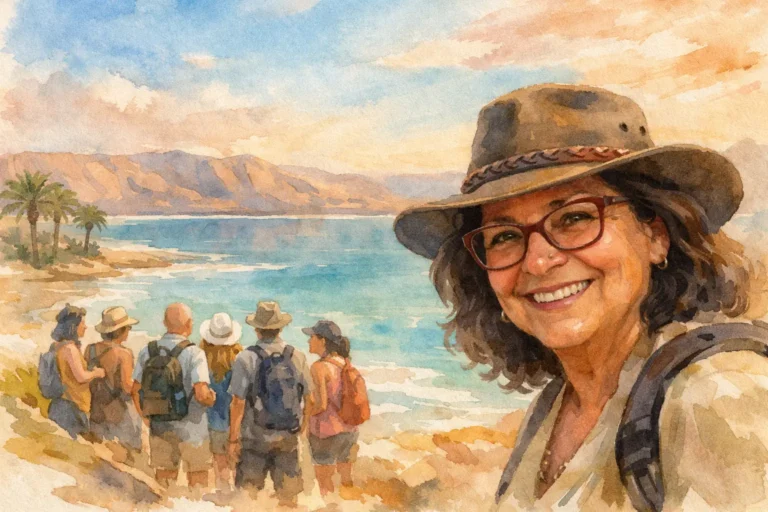
When to Visit Dead Sea Israel: A Seasonal Guide
The best answer to when to visit Dead Sea Israel is rarely just a month on the calendar. This extraordinary shoreline sits at the edge of the Judean Desert, where the light, heat, walking conditions, beach atmosphere, and even the rhythm of your day change dramatically by season. A warm float in mineral-rich water can be the centerpiece of a relaxing day, but it can also sit beautifully within a sunrise at Masada, a desert walk, a 4×4 route, or a quiet stop overlooking the cliffs.
For most travelers, spring and fall offer the easiest balance. But with smart planning, every season has something worthwhile to offer.
When to Visit Dead Sea Israel for the Best Weather
Spring: March through May
Spring is often the most comfortable time for a Dead Sea visit. Days are generally warm enough to float and enjoy the hotel beaches without the intense heat of midsummer. Mornings are especially lovely: soft desert light, cooler air, and a sense that the landscape is waking up before the day becomes busy.
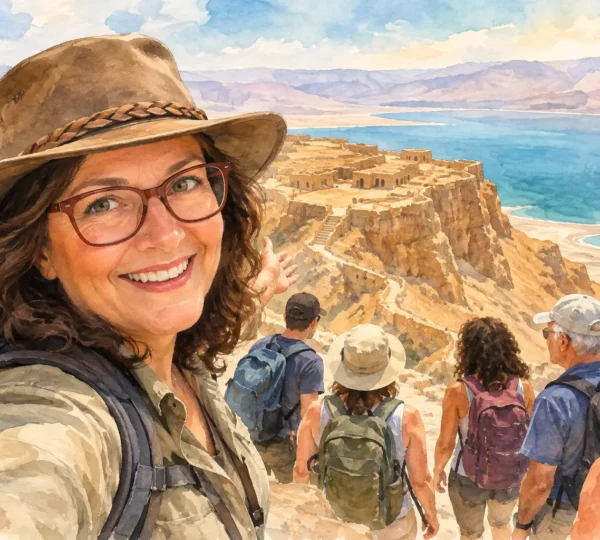
This is also a strong season for combining the Dead Sea with Masada or a desert hike. The trails can still be warm, especially by late spring, so an early start matters. After a sunrise climb or cable-car visit at Masada, the Dead Sea becomes a welcome place to relax rather than an all-day endurance test.
Spring does come with a trade-off. It is a popular travel season, and comfortable conditions attract both visitors and local weekend travelers. Private planning helps here: arriving early, choosing the right beach facility, and avoiding the most crowded hours can make the experience feel far more personal.
Fall: September through November
Fall brings a similar sweet spot, particularly from mid-October onward. The desert begins to release summer’s grip, while the Dead Sea water remains invitingly warm. It is an excellent choice for travelers who want a full day that blends archaeology, scenery, and time in the water.
September can still feel very hot, particularly around midday. By late October and November, however, the conditions are often ideal for a varied itinerary. Think Masada at first light, a scenic stop along the desert road, lunch at a relaxed pace, then floating as the late-afternoon light turns the mountains across the water a deep rose color.
Fall suits travelers who do not want their trip limited to a resort day. It leaves room for the Dead Sea’s wider setting: dramatic geology, ancient stories, desert silence, and small detours chosen around your interests.
Summer at the Dead Sea: Beautiful, but Plan Around the Heat
From June through August, the Dead Sea can be spectacular and seriously hot. Daytime temperatures regularly climb high, and the combination of desert sun, reflective water, and dry air can be exhausting for anyone unprepared. Summer is not the season to schedule a long exposed hike at noon or assume you can spend hours floating comfortably.
That does not mean avoiding it altogether. For travelers with limited dates, summer can work very well with a different rhythm. Start before sunrise for Masada or another desert viewpoint, take a long shaded breakfast break, visit an indoor or air-conditioned stop if it fits your interests, and save the water for later in the day. Many guests find that a late-afternoon float is far more enjoyable than arriving at the beach in the fiercest heat.
Hydration is essential, even if you do not feel particularly sweaty in the dry air. A hat, sunglasses, light long sleeves, and frequent breaks are practical rather than optional. The water itself is not a place for vigorous swimming. You float, relax, and take care to keep the salty water away from your eyes and mouth. Freshwater showers nearby are part of the experience, not an afterthought.
Summer is especially good for travelers who prefer a shorter, focused excursion from Jerusalem or are building a custom itinerary around early mornings and quieter evening hours.
Winter at the Dead Sea: Mild Days and Dramatic Desert Skies
Winter, from December through February, surprises many first-time visitors. The Dead Sea area is much warmer than much of central or northern Israel, and a sunny winter day can be perfectly pleasant for floating. The desert colors are often at their richest after rain, and the lower sun gives Masada and the surrounding cliffs a dramatic clarity that photographers love.
Still, winter asks for flexibility. Even on a mild day, the air may feel cool when you leave the water, particularly if there is wind. A warm robe, dry clothes, and a beach with good changing facilities make a real difference. For travelers whose priority is a long, lazy beach day, winter is less dependable than spring or fall.
Rain also brings a desert-specific consideration: flash floods can affect roads and hiking routes, sometimes with little warning. A bright sky over the Dead Sea does not always mean conditions are safe farther up a canyon. This is where an experienced local guide and a flexible plan are invaluable. A closed trail can become an opportunity for a different viewpoint, an archaeological stop, a local food experience, or time to enjoy the landscape from a safe distance.
Choosing the Right Time of Day
The most overlooked decision is not the month but the hour. The Dead Sea feels completely different at 7:00 a.m., 1:00 p.m., and near sunset.
Early morning is best for active travelers. It is the time for Masada, desert walks, birdlife, and long views before the heat rises. If you want a classic Masada sunrise, be prepared for an early departure and choose your route according to your comfort and fitness. The Snake Path is memorable but exposed; the cable car offers an easier way to experience the site without sacrificing the view.
Late morning through early afternoon is best reserved for a leisurely float, lunch, spa time, or a comfortable beach stop. In summer, keep this window short and shaded where possible. In spring and fall, it can be the relaxed heart of the day.
Late afternoon is often the most atmospheric time at the water. The sun softens, the mountains take on changing colors, and the desert heat eases. It is a wonderful choice for couples, families with older children, and business travelers who have only a few meaningful hours to spare.
What to Pair With Your Dead Sea Day
A Dead Sea visit becomes more memorable when it reflects what you came to Israel to experience. For some, that means connecting the float with Masada’s powerful story and wide desert views. For others, it means a gentle nature walk, a 4×4 journey on desert tracks, or a culinary stop that breaks up the drive.
Families may prefer a flexible day with minimal rushing, beach facilities, and a short scenic activity rather than a demanding hike. Travelers returning to Israel may want to move beyond the familiar postcard route, choosing a lesser-known desert overlook, a hands-on workshop, or a conversation that adds a human layer to the landscape. Faith-based and heritage travelers often appreciate giving Masada and the Dead Sea enough time rather than treating them as quick checkboxes between destinations.
The practical details matter, too. Beach access, facilities, trail conditions, and opening hours can vary, so do not build a rigid plan around assumptions. Wear water shoes if you have them, remove jewelry before entering the water, and skip the float if you have fresh cuts or have recently shaved. The salt is unforgettable in the wrong way.
At Patchwork Israel, a Dead Sea day can be shaped around your pace: sunrise and hiking, cultural depth and archaeology, a relaxed spa-style experience, or a desert adventure that ends in the water.
The Best Season Depends on the Experience You Want
Choose spring or late fall if you want the broadest range of options and the most forgiving weather. Choose summer if your schedule requires it and you are happy to build the day around dawn, shade, and a shorter water visit. Choose winter for quieter surroundings, dramatic light, and mild desert days, while leaving space for weather changes.
The Dead Sea is not simply a place to say you floated. Give it enough time to be felt: the stillness of the water, the sweep of the cliffs, the strange buoyancy, and the moment you look up from the shoreline and realize how vast the desert is. That is usually when a well-planned stop becomes one of the days travelers remember most.

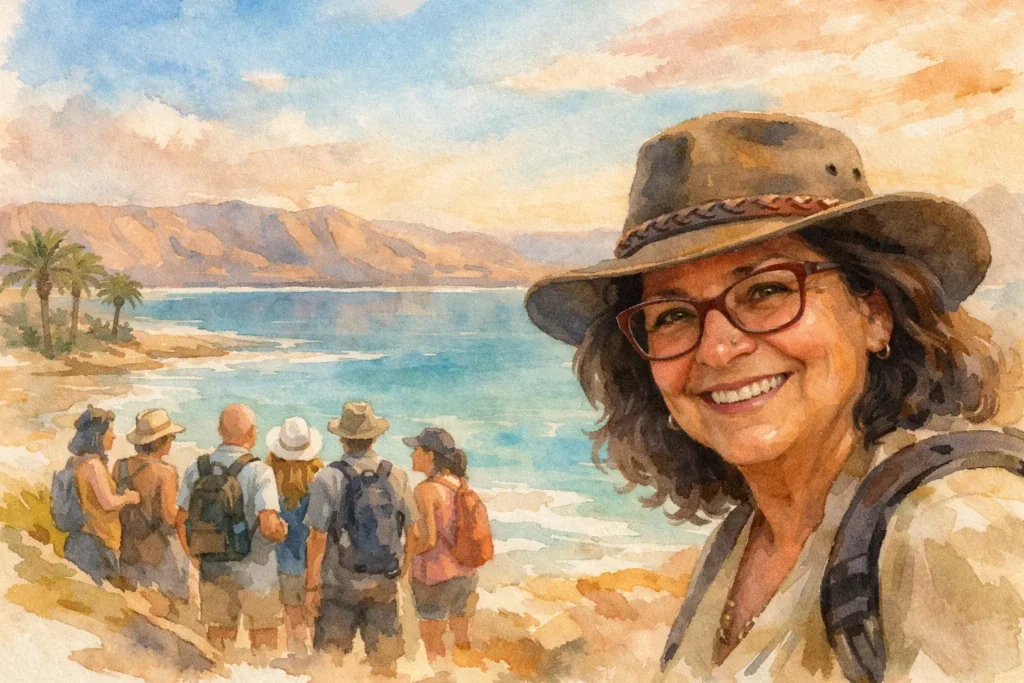
When to Visit Dead Sea Israel: A Seasonal Guide
The best answer to when to visit Dead Sea Israel is rarely just a month on the calendar. This extraordinary shoreline sits at the edge of the Judean Desert, where the light, heat, walking conditions, beach atmosphere, and even the rhythm of your day change dramatically by season. A warm float in mineral-rich water can be the centerpiece of a relaxing day, but it can also sit beautifully within a sunrise at Masada, a desert walk, a 4×4 route, or a quiet stop overlooking the cliffs.
For most travelers, spring and fall offer the easiest balance. But with smart planning, every season has something worthwhile to offer.
When to Visit Dead Sea Israel for the Best Weather
Spring: March through May
Spring is often the most comfortable time for a Dead Sea visit. Days are generally warm enough to float and enjoy the hotel beaches without the intense heat of midsummer. Mornings are especially lovely: soft desert light, cooler air, and a sense that the landscape is waking up before the day becomes busy.
This is also a strong season for combining the Dead Sea with Masada or a desert hike. The trails can still be warm, especially by late spring, so an early start matters. After a sunrise climb or cable-car visit at Masada, the Dead Sea becomes a welcome place to relax rather than an all-day endurance test.
Spring does come with a trade-off. It is a popular travel season, and comfortable conditions attract both visitors and local weekend travelers. Private planning helps here: arriving early, choosing the right beach facility, and avoiding the most crowded hours can make the experience feel far more personal.
Fall: September through November
Fall brings a similar sweet spot, particularly from mid-October onward. The desert begins to release summer’s grip, while the Dead Sea water remains invitingly warm. It is an excellent choice for travelers who want a full day that blends archaeology, scenery, and time in the water.
September can still feel very hot, particularly around midday. By late October and November, however, the conditions are often ideal for a varied itinerary. Think Masada at first light, a scenic stop along the desert road, lunch at a relaxed pace, then floating as the late-afternoon light turns the mountains across the water a deep rose color.
Fall suits travelers who do not want their trip limited to a resort day. It leaves room for the Dead Sea’s wider setting: dramatic geology, ancient stories, desert silence, and small detours chosen around your interests.
Summer at the Dead Sea: Beautiful, but Plan Around the Heat
From June through August, the Dead Sea can be spectacular and seriously hot. Daytime temperatures regularly climb high, and the combination of desert sun, reflective water, and dry air can be exhausting for anyone unprepared. Summer is not the season to schedule a long exposed hike at noon or assume you can spend hours floating comfortably.
That does not mean avoiding it altogether. For travelers with limited dates, summer can work very well with a different rhythm. Start before sunrise for Masada or another desert viewpoint, take a long shaded breakfast break, visit an indoor or air-conditioned stop if it fits your interests, and save the water for later in the day. Many guests find that a late-afternoon float is far more enjoyable than arriving at the beach in the fiercest heat.
Hydration is essential, even if you do not feel particularly sweaty in the dry air. A hat, sunglasses, light long sleeves, and frequent breaks are practical rather than optional. The water itself is not a place for vigorous swimming. You float, relax, and take care to keep the salty water away from your eyes and mouth. Freshwater showers nearby are part of the experience, not an afterthought.
Summer is especially good for travelers who prefer a shorter, focused excursion from Jerusalem or are building a custom itinerary around early mornings and quieter evening hours.
Winter at the Dead Sea: Mild Days and Dramatic Desert Skies
Winter, from December through February, surprises many first-time visitors. The Dead Sea area is much warmer than much of central or northern Israel, and a sunny winter day can be perfectly pleasant for floating. The desert colors are often at their richest after rain, and the lower sun gives Masada and the surrounding cliffs a dramatic clarity that photographers love.
Still, winter asks for flexibility. Even on a mild day, the air may feel cool when you leave the water, particularly if there is wind. A warm robe, dry clothes, and a beach with good changing facilities make a real difference. For travelers whose priority is a long, lazy beach day, winter is less dependable than spring or fall.
Rain also brings a desert-specific consideration: flash floods can affect roads and hiking routes, sometimes with little warning. A bright sky over the Dead Sea does not always mean conditions are safe farther up a canyon. This is where an experienced local guide and a flexible plan are invaluable. A closed trail can become an opportunity for a different viewpoint, an archaeological stop, a local food experience, or time to enjoy the landscape from a safe distance.
Choosing the Right Time of Day
The most overlooked decision is not the month but the hour. The Dead Sea feels completely different at 7:00 a.m., 1:00 p.m., and near sunset.
Early morning is best for active travelers. It is the time for Masada, desert walks, birdlife, and long views before the heat rises. If you want a classic Masada sunrise, be prepared for an early departure and choose your route according to your comfort and fitness. The Snake Path is memorable but exposed; the cable car offers an easier way to experience the site without sacrificing the view.
Late morning through early afternoon is best reserved for a leisurely float, lunch, spa time, or a comfortable beach stop. In summer, keep this window short and shaded where possible. In spring and fall, it can be the relaxed heart of the day.
Late afternoon is often the most atmospheric time at the water. The sun softens, the mountains take on changing colors, and the desert heat eases. It is a wonderful choice for couples, families with older children, and business travelers who have only a few meaningful hours to spare.
What to Pair With Your Dead Sea Day
A Dead Sea visit becomes more memorable when it reflects what you came to Israel to experience. For some, that means connecting the float with Masada’s powerful story and wide desert views. For others, it means a gentle nature walk, a 4×4 journey on desert tracks, or a culinary stop that breaks up the drive.
Families may prefer a flexible day with minimal rushing, beach facilities, and a short scenic activity rather than a demanding hike. Travelers returning to Israel may want to move beyond the familiar postcard route, choosing a lesser-known desert overlook, a hands-on workshop, or a conversation that adds a human layer to the landscape. Faith-based and heritage travelers often appreciate giving Masada and the Dead Sea enough time rather than treating them as quick checkboxes between destinations.
The practical details matter, too. Beach access, facilities, trail conditions, and opening hours can vary, so do not build a rigid plan around assumptions. Wear water shoes if you have them, remove jewelry before entering the water, and skip the float if you have fresh cuts or have recently shaved. The salt is unforgettable in the wrong way.
At Patchwork Israel, a Dead Sea day can be shaped around your pace: sunrise and hiking, cultural depth and archaeology, a relaxed spa-style experience, or a desert adventure that ends in the water.
The Best Season Depends on the Experience You Want
Choose spring or late fall if you want the broadest range of options and the most forgiving weather. Choose summer if your schedule requires it and you are happy to build the day around dawn, shade, and a shorter water visit. Choose winter for quieter surroundings, dramatic light, and mild desert days, while leaving space for weather changes.
The Dead Sea is not simply a place to say you floated. Give it enough time to be felt: the stillness of the water, the sweep of the cliffs, the strange buoyancy, and the moment you look up from the shoreline and realize how vast the desert is. That is usually when a well-planned stop becomes one of the days travelers remember most.


Get the latest blog updates in your inbox.