
9 Top Spiritual Experiences Across Israel
Some places ask for your attention. Israel often asks for something quieter – your presence. The top spiritual experiences across Israel are not only found at famous holy sites, but also in the pauses between them: first light over stone, desert stillness, a shared meal, an ancient path under your feet. For many travelers, that is where the trip becomes personal.
What makes Israel different is not just the density of sacred geography. It is the way history, memory, prayer, landscape, and daily life sit side by side. You can stand in Jerusalem before breakfast, hear church bells and the call to prayer in the distance, watch worshippers moving toward the Old City, and feel that spiritual experience here is not staged. It is woven into the rhythm of the day.
What makes the top spiritual experiences across Israel so memorable
A spiritual moment means different things to different travelers. For some, it is rooted in faith and scripture. For others, it comes through silence, human connection, music, or the feeling of standing somewhere that has mattered for thousands of years. That flexibility matters in Israel because not every meaningful experience looks overtly religious.
It also depends on pace. A rushed visit to three major sites in one morning can feel impressive, but not always moving. Slowing down, choosing the right hour, and pairing iconic places with lesser-known settings often creates a deeper encounter. That is especially true for returning visitors who have already seen the headline landmarks and want something less packaged and more lived.
Jerusalem at first light
If there is one experience that consistently stays with people, it is Jerusalem early in the morning. Before the streets fill, the city feels almost suspended. The stone reflects soft gold, the air is cooler, and familiar places become more intimate.
The Mount of Olives at sunrise can be deeply affecting, whether you arrive with a strong religious framework or simply an openness to the setting. From there, Jerusalem is not a single monument but a layered whole. The view helps people grasp the city emotionally, not just geographically.
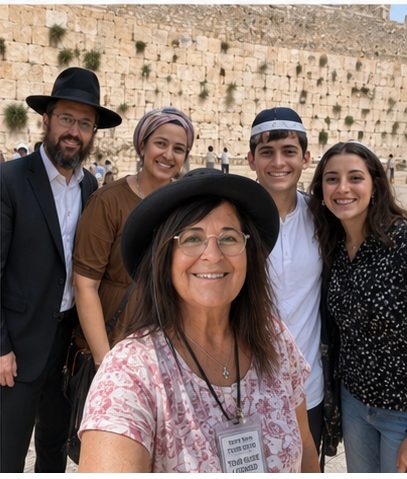
Inside the Old City, spiritual experience often depends on timing. The Western Wall late at night has a different energy from the middle of the day. The Via Dolorosa can feel crowded in peak hours, yet become more contemplative when walked more quietly. The Church of the Holy Sepulchre can be overwhelming, but with context and patience, it can also be one of the most profound places in the country. The trade-off is simple: the most famous places carry the most intensity, but also the most noise. Good planning changes everything.
The desert as a spiritual teacher
Not every sacred experience in Israel happens in a built sanctuary. The desert offers a very different kind of encounter – less verbal, less structured, and often surprisingly powerful.
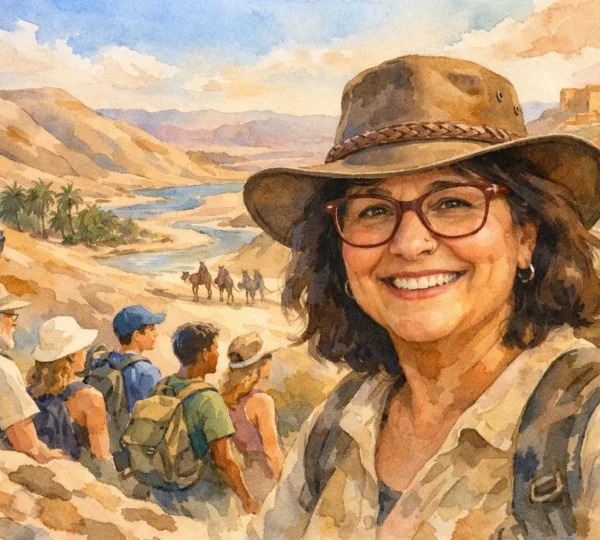
In the Negev or the Judean Desert, space does the work. The silence is not absolute, but it feels expansive enough to settle the mind. A sunrise walk near Masada, a slower hike through a desert wadi, or an evening under a wide sky can shift people from sightseeing mode into something more reflective.
This is one of the best choices for travelers who do not necessarily define themselves as religious but still want depth. The desert asks very little of you. It simply gives room. For some people, that feels more spiritual than any formal ritual.
It is also where customization matters. One traveler may want a challenging hike and a lookout point earned step by step. Another may prefer a gentle route, a scenic drive, or even an off-road desert journey with stops for conversation and stillness. The spiritual value is not in doing the hardest version. It is in choosing the one that lets you actually absorb the place.
The Sea of Galilee and the rhythm of reflection
Northern Israel offers another kind of spiritual atmosphere – softer, greener, and often more restorative. Around the Sea of Galilee, the landscape holds deep meaning for Christian travelers, of course, but its appeal is wider than that.
Water changes the experience. After Jerusalem and the desert, the Galilee can feel gentler and more inward. A quiet shoreline, a simple boat ride at the right hour, or time spent near places tied to teaching and healing can create a sense of calm that many people are not expecting.
This region also works well for travelers who want spirituality without emotional overload. Jerusalem can be intense. The Galilee often feels more spacious. Families, multi-generational groups, and business travelers looking for something short but meaningful often respond well to that balance.
Sacred sound and living tradition
One of the most overlooked spiritual experiences in Israel is listening. Not just hearing, but listening with attention – to prayer, chant, song, and the soundscape of communities in their own spaces.
A Friday evening in Jerusalem can be especially moving, even for visitors who are not traditionally observant. The city shifts. Streets change tempo. Songs drift from homes and synagogues. There is a feeling of preparation, welcome, and collective pause that many people find unexpectedly touching.
Elsewhere, sacred music and worship can open windows into local life in ways a museum never could. The key is sensitivity and context. These are not performances put on for tourists. When approached respectfully, they can become some of the most human and memorable moments of a trip.
Top spiritual experiences across Israel beyond the famous sites
The best itineraries do not rely only on major landmarks. Some of the strongest spiritual memories come from smaller encounters that feel personal rather than monumental.
That could mean meeting a local artisan whose work is shaped by faith and tradition, baking bread in a community setting, walking through an ancient mosaic site with someone who can explain not only what it is, but why it still matters, or sitting with a view and discussing how different people in Israel understand holiness, belonging, and ritual. These moments are less theatrical, yet often more transformative.
For repeat visitors, this is usually where Israel opens up again. Once the must-see sites are no longer the main goal, there is room for nuance. A hidden church, a quiet monastery garden, a mountain trail, a cemetery overlook, a desert farm, or a simple conversation can carry just as much meaning as the places everyone recognizes.
Choosing the right spiritual experience for your trip
The right experience depends less on your label and more on your temperament. Some travelers want prayer and sacred text brought vividly into place. Some want history as a path into meaning. Some want nature, stillness, or a chance to encounter communities with curiosity and respect.
That is why a personalized approach matters so much in Israel. A Catholic couple, a Jewish family with mixed levels of observance, a group of old friends, or travelers who do not identify with any religion at all may all want spiritual depth, but not in the same form. One person may be deeply moved at the Church of the Holy Sepulchre. Another may feel more connected on a cliff in the desert. Neither response is more valid.
The most effective planning usually blends the iconic and the unexpected. Pair Jerusalem with a quieter day in the hills. Balance the emotional weight of holy sites with time in nature. Add a local encounter that gives context to what you are seeing. That combination tends to create not just a busy itinerary, but a trip that lingers.
Why guidance changes the experience
Israel is dense with meaning, but meaning is not always obvious on the surface. A stone wall can be just a wall unless someone helps you read the layers. A scenic path can be lovely, but with the right guidance it becomes part of a much older human story.
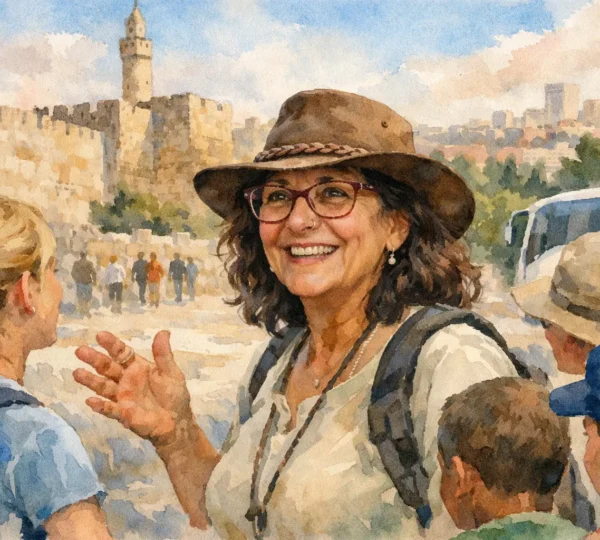
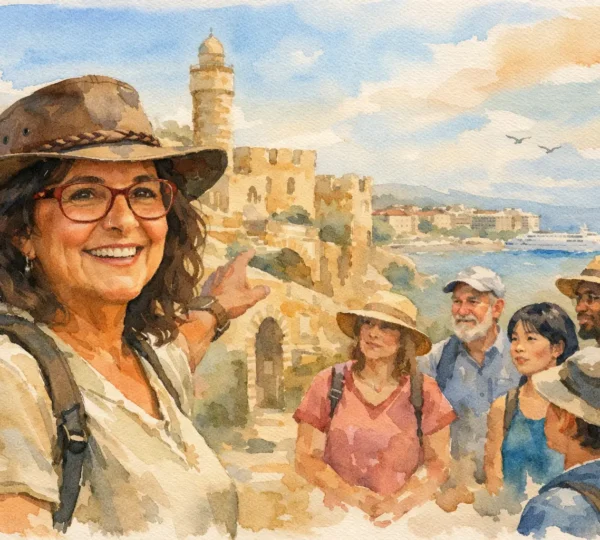
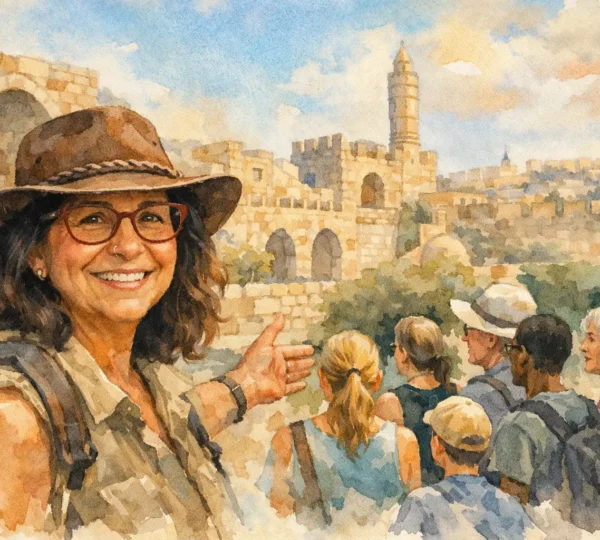
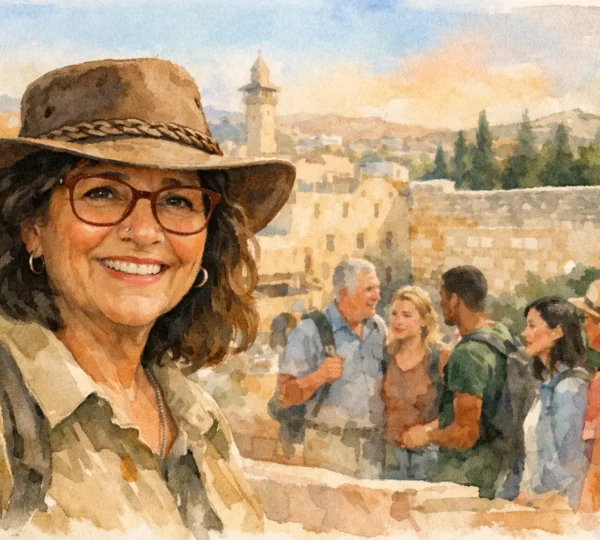
That is one reason travelers often get more from a tailored journey than from a standard package. A knowledgeable guide does more than manage logistics. She reads the group, adjusts the pace, knows when to speak, and knows when to let silence do its work. For a spiritually focused trip, that sensitivity makes a real difference.
With a company like Patchwork Israel, that can also mean designing a day that reflects who you are rather than what a generic schedule says you should do. Some people want sunrise over Jerusalem and an afternoon in the Old City. Others want a desert trail, a meaningful meal, and a conversation that stays with them longer than any photo.
The strongest spiritual experiences in Israel rarely come from checking off the maximum number of sites. They come from being in the right place, at the right pace, with enough room to feel something real. If you leave with fewer photos but a clearer sense of connection, that is usually a sign you chose well.

9 Top Spiritual Experiences Across Israel
Some places ask for your attention. Israel often asks for something quieter – your presence. The top spiritual experiences across Israel are not only found at famous holy sites, but also in the pauses between them: first light over stone, desert stillness, a shared meal, an ancient path under your feet. For many travelers, that is where the trip becomes personal.
What makes Israel different is not just the density of sacred geography. It is the way history, memory, prayer, landscape, and daily life sit side by side. You can stand in Jerusalem before breakfast, hear church bells and the call to prayer in the distance, watch worshippers moving toward the Old City, and feel that spiritual experience here is not staged. It is woven into the rhythm of the day.
What makes the top spiritual experiences across Israel so memorable
A spiritual moment means different things to different travelers. For some, it is rooted in faith and scripture. For others, it comes through silence, human connection, music, or the feeling of standing somewhere that has mattered for thousands of years. That flexibility matters in Israel because not every meaningful experience looks overtly religious.
It also depends on pace. A rushed visit to three major sites in one morning can feel impressive, but not always moving. Slowing down, choosing the right hour, and pairing iconic places with lesser-known settings often creates a deeper encounter. That is especially true for returning visitors who have already seen the headline landmarks and want something less packaged and more lived.
Jerusalem at first light
If there is one experience that consistently stays with people, it is Jerusalem early in the morning. Before the streets fill, the city feels almost suspended. The stone reflects soft gold, the air is cooler, and familiar places become more intimate.
The Mount of Olives at sunrise can be deeply affecting, whether you arrive with a strong religious framework or simply an openness to the setting. From there, Jerusalem is not a single monument but a layered whole. The view helps people grasp the city emotionally, not just geographically.
Inside the Old City, spiritual experience often depends on timing. The Western Wall late at night has a different energy from the middle of the day. The Via Dolorosa can feel crowded in peak hours, yet become more contemplative when walked more quietly. The Church of the Holy Sepulchre can be overwhelming, but with context and patience, it can also be one of the most profound places in the country. The trade-off is simple: the most famous places carry the most intensity, but also the most noise. Good planning changes everything.
The desert as a spiritual teacher
Not every sacred experience in Israel happens in a built sanctuary. The desert offers a very different kind of encounter – less verbal, less structured, and often surprisingly powerful.
In the Negev or the Judean Desert, space does the work. The silence is not absolute, but it feels expansive enough to settle the mind. A sunrise walk near Masada, a slower hike through a desert wadi, or an evening under a wide sky can shift people from sightseeing mode into something more reflective.
This is one of the best choices for travelers who do not necessarily define themselves as religious but still want depth. The desert asks very little of you. It simply gives room. For some people, that feels more spiritual than any formal ritual.
It is also where customization matters. One traveler may want a challenging hike and a lookout point earned step by step. Another may prefer a gentle route, a scenic drive, or even an off-road desert journey with stops for conversation and stillness. The spiritual value is not in doing the hardest version. It is in choosing the one that lets you actually absorb the place.
The Sea of Galilee and the rhythm of reflection
Northern Israel offers another kind of spiritual atmosphere – softer, greener, and often more restorative. Around the Sea of Galilee, the landscape holds deep meaning for Christian travelers, of course, but its appeal is wider than that.
Water changes the experience. After Jerusalem and the desert, the Galilee can feel gentler and more inward. A quiet shoreline, a simple boat ride at the right hour, or time spent near places tied to teaching and healing can create a sense of calm that many people are not expecting.
This region also works well for travelers who want spirituality without emotional overload. Jerusalem can be intense. The Galilee often feels more spacious. Families, multi-generational groups, and business travelers looking for something short but meaningful often respond well to that balance.
Sacred sound and living tradition
One of the most overlooked spiritual experiences in Israel is listening. Not just hearing, but listening with attention – to prayer, chant, song, and the soundscape of communities in their own spaces.
A Friday evening in Jerusalem can be especially moving, even for visitors who are not traditionally observant. The city shifts. Streets change tempo. Songs drift from homes and synagogues. There is a feeling of preparation, welcome, and collective pause that many people find unexpectedly touching.
Elsewhere, sacred music and worship can open windows into local life in ways a museum never could. The key is sensitivity and context. These are not performances put on for tourists. When approached respectfully, they can become some of the most human and memorable moments of a trip.
Top spiritual experiences across Israel beyond the famous sites
The best itineraries do not rely only on major landmarks. Some of the strongest spiritual memories come from smaller encounters that feel personal rather than monumental.
That could mean meeting a local artisan whose work is shaped by faith and tradition, baking bread in a community setting, walking through an ancient mosaic site with someone who can explain not only what it is, but why it still matters, or sitting with a view and discussing how different people in Israel understand holiness, belonging, and ritual. These moments are less theatrical, yet often more transformative.
For repeat visitors, this is usually where Israel opens up again. Once the must-see sites are no longer the main goal, there is room for nuance. A hidden church, a quiet monastery garden, a mountain trail, a cemetery overlook, a desert farm, or a simple conversation can carry just as much meaning as the places everyone recognizes.
Choosing the right spiritual experience for your trip
The right experience depends less on your label and more on your temperament. Some travelers want prayer and sacred text brought vividly into place. Some want history as a path into meaning. Some want nature, stillness, or a chance to encounter communities with curiosity and respect.
That is why a personalized approach matters so much in Israel. A Catholic couple, a Jewish family with mixed levels of observance, a group of old friends, or travelers who do not identify with any religion at all may all want spiritual depth, but not in the same form. One person may be deeply moved at the Church of the Holy Sepulchre. Another may feel more connected on a cliff in the desert. Neither response is more valid.
The most effective planning usually blends the iconic and the unexpected. Pair Jerusalem with a quieter day in the hills. Balance the emotional weight of holy sites with time in nature. Add a local encounter that gives context to what you are seeing. That combination tends to create not just a busy itinerary, but a trip that lingers.
Why guidance changes the experience
Israel is dense with meaning, but meaning is not always obvious on the surface. A stone wall can be just a wall unless someone helps you read the layers. A scenic path can be lovely, but with the right guidance it becomes part of a much older human story.
That is one reason travelers often get more from a tailored journey than from a standard package. A knowledgeable guide does more than manage logistics. She reads the group, adjusts the pace, knows when to speak, and knows when to let silence do its work. For a spiritually focused trip, that sensitivity makes a real difference.
With a company like Patchwork Israel, that can also mean designing a day that reflects who you are rather than what a generic schedule says you should do. Some people want sunrise over Jerusalem and an afternoon in the Old City. Others want a desert trail, a meaningful meal, and a conversation that stays with them longer than any photo.
The strongest spiritual experiences in Israel rarely come from checking off the maximum number of sites. They come from being in the right place, at the right pace, with enough room to feel something real. If you leave with fewer photos but a clearer sense of connection, that is usually a sign you chose well.
Get the latest blog updates in your inbox.