
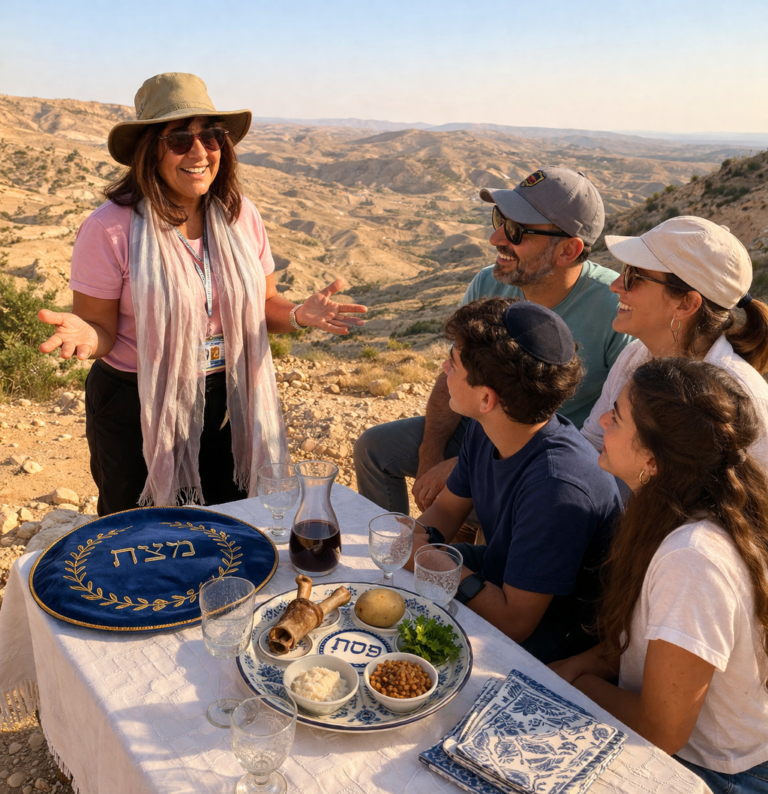
Passover in Israel: What Makes It Special
If you have ever wondered whether passover is better understood at a Seder table, on a desert trail, in Jerusalem stone alleyways, or beside an archaeological site where ancient stories feel close enough to touch, the honest answer is yes. In Israel, Passover is not confined to one room or one ritual. It spills into landscapes, kitchens, family traditions, sacred places, and conversations that make the holiday feel both intimate and expansive.
For travelers, that is what makes this season so memorable. You are not just learning about a holiday. You are stepping into a living rhythm that blends memory, movement, food, faith, and place in a way that is hard to recreate anywhere else.
Sadly, this year will not carry with it the usual holiday excitement and cheer, but there is always next year and now is the time to start planning! As the Jewish people around the world say every year on this holiday, “Next Year in Jerusalem”. That could be a reality for you!
Why passover feels different in Israel
Passover in Israel has a kind of texture that many visitors notice right away. The holiday is present in the practical details – special foods in markets, families preparing for gatherings, schools on break, and a pace that shifts as people make space for celebration. But it is also present in the land itself. The story of freedom, journey, wilderness, and identity feels especially vivid when you are standing in the Judean Desert, walking through Jerusalem, or looking out across regions where ancient trade routes and biblical memory still shape the atmosphere.
That does not mean there is one single “correct” Passover experience. It depends on who you are and what kind of connection you want. Some travelers want a deeply Jewish heritage journey centered on the Exodus story and Seder traditions. Some Christian travelers want to better understand the Jewish roots of stories they have long known.
That is one reason a customized trip matters so much during this time of year. Passover can be moving, but it can also be crowded, family-centered, and logistically different from an ordinary travel week. The right experience is rarely the most generic one.
Where to experience Passover beyond the Seder
Many visitors assume Passover begins and ends with one festive meal. The Seder is central, of course, but the holiday opens up beautifully when it is woven into a broader journey.
Jerusalem during Passover
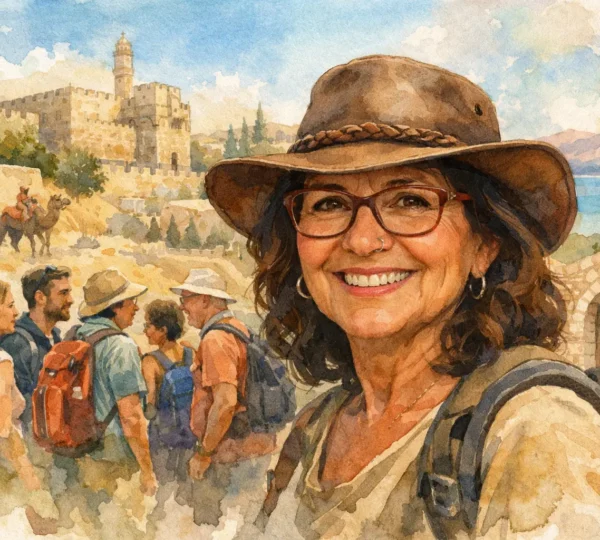
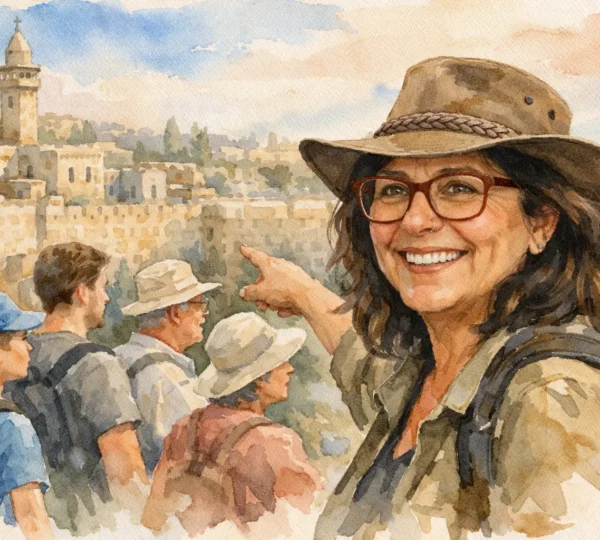
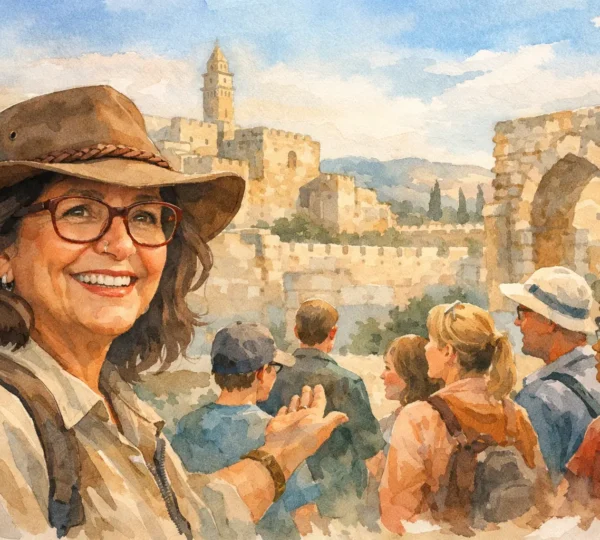
Jerusalem is one of the most powerful places to feel the layered meaning of the holiday. The city carries religious memory in a concentrated way, and during Passover there is an added sense of anticipation and gathering. Neighborhoods prepare differently, families move through the streets with purpose, and the city’s sacred and historical dimensions feel especially alive.
For some travelers, this is the time to explore the Jewish Quarter, the Western Wall area, ancient pilgrimage themes, and museums or archaeological sites that give context to the long story of Jewish continuity. For others, the experience is broader – hearing how different communities mark the season, tasting holiday foods, and understanding how an ancient festival continues to shape modern life.
The desert and the Exodus story
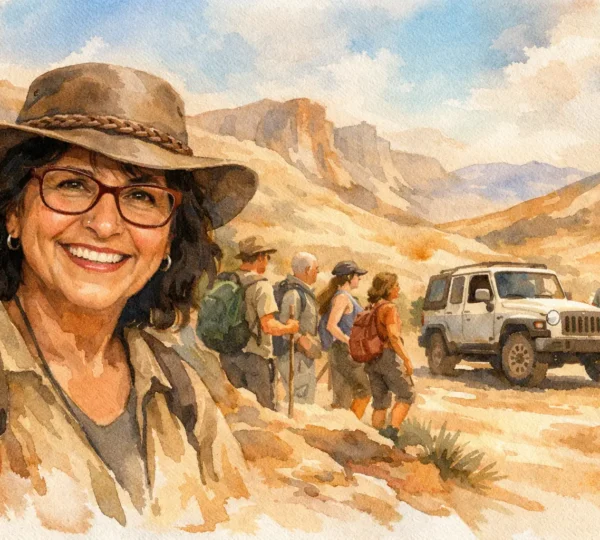
If there is one landscape that deepens the emotional side of Passover, it is the desert. Wide horizons, silence, raw beauty, and the physical reality of distance all bring the Exodus narrative into sharper focus. A morning in the Judean Desert, an overlook near Masada, or a quieter route through southern landscapes can turn abstract ideas like wandering, dependence, and freedom into something more tangible.
This is especially meaningful for travelers who do not want a holiday experience that stays indoors. Walking, hiking, or driving through desert terrain can add a physical layer to the story. It is not reenactment. It is perspective.
Galilee, coast, and hidden cultural encounters
Passover travel does not need to follow only the best-known route. The Galilee, the Carmel region, the coast, and smaller communities can offer a more personal pace during the holiday. This is often where travelers find the balance between major heritage sites and unexpected encounters – a culinary workshop, a visit with a local family, an artisan experience, a conversation with a farmer, or time in a village or neighborhood that opens a different window into Israeli society.
For returning visitors who have already seen the headline sites, this can be the most rewarding way to experience the season. The holiday becomes less about checking landmarks off a list and more about entering the country’s human texture.
Food is one of the clearest ways to understand Passover
You do not need to be an expert in Jewish practice to notice that Passover has its own culinary personality. Food is part memory, part symbolism, part family custom, and part creativity. Some dishes are familiar across many homes, while others vary widely depending on heritage and family background.
That is where Israel becomes especially interesting. You may encounter Ashkenazi traditions, Sephardi flavors, and Mizrahi influences in very different expressions. One family’s holiday table may feel restrained and ritual-focused. Another may be full of spice, song, and regional character. Even travelers who are not observing Passover themselves often find that food becomes their easiest entry point into the holiday’s meaning.
Markets, specialty bakeries, home hospitality, cooking experiences, and guided tastings can all help make sense of the season. And unlike reading about ritual foods, tasting them while hearing the stories behind them tends to stay with you.
Planning a Passover trip in Israel takes some finesse
Passover is a wonderful time to visit Israel, but it is not a week to plan casually. Some travelers love the festive atmosphere and family energy. Others are surprised by schedule changes, holiday closures, and the fact that popular areas can feel busier than usual.
That is why planning needs to start with your travel style. If you want spiritual depth, your itinerary should leave room for reflection rather than rushing between sites. If you are traveling as a family, you may want a mix of meaningful content and active experiences like desert adventures, hands-on workshops, or nature outings. If you are a repeat visitor, Passover can be the perfect frame for going deeper into communities, stories, and places you missed the first time.
It also helps to decide early whether the Seder itself is a priority. Some travelers want to participate in a traditional Seder. Others prefer to observe the season through touring, food, and context without joining a formal ritual meal. Neither choice is better. What matters is shaping the trip honestly around your comfort level and curiosity.
A personalized approach is especially helpful here. A holiday week has its own rhythm, and a tailor-made itinerary can work with that rhythm rather than fighting it.
Passover for different kinds of travelers
One of the strengths of a well-designed Passover trip is that it can speak to very different visitors without feeling forced.
Jewish travelers often want the emotional connection of being in Israel during one of the calendar’s most meaningful holidays, whether that means joining a Seder, exploring heritage sites, or giving children a stronger sense of historical continuity. Christian travelers may find this season especially powerful for understanding the Jewish setting of traditions and texts they know well. Also, Easter is always around the same time as Passover, making the patchwork of theological celebrations more prevalent for people interested in the cultural richness, hospitality, and historical depth of the holiday period.
The point is not to make everyone experience Passover the same way. The point is to let the holiday become a meaningful lens through which each traveler can connect with Israel.
A more personal way to experience passover
The most memorable Passover journeys are rarely the ones built only around traffic-heavy stops and standard commentary. They are the ones that combine the classic places with context, pacing, and the right human encounters. A morning in Jerusalem can pair beautifully with an afternoon culinary experience. A desert drive can complement a conversation about ancient travel and survival. A family-friendly day can still carry real depth if it is shaped with care.
That is where an experienced private guide makes a difference. At Patchwork Israel Tours, the focus is not on pushing everyone through the same holiday route. It is on understanding whether your Passover trip should feel reflective, adventurous, heritage-focused, family-centered, or layered with hidden gems that most visitors never see.
And that is really the heart of Passover in Israel. It is a story of movement, memory, and meaning – but also of people gathering around what matters. If you give yourself the chance to experience it thoughtfully, the holiday does more than fill a date on the calendar. It gives the land a deeper voice.

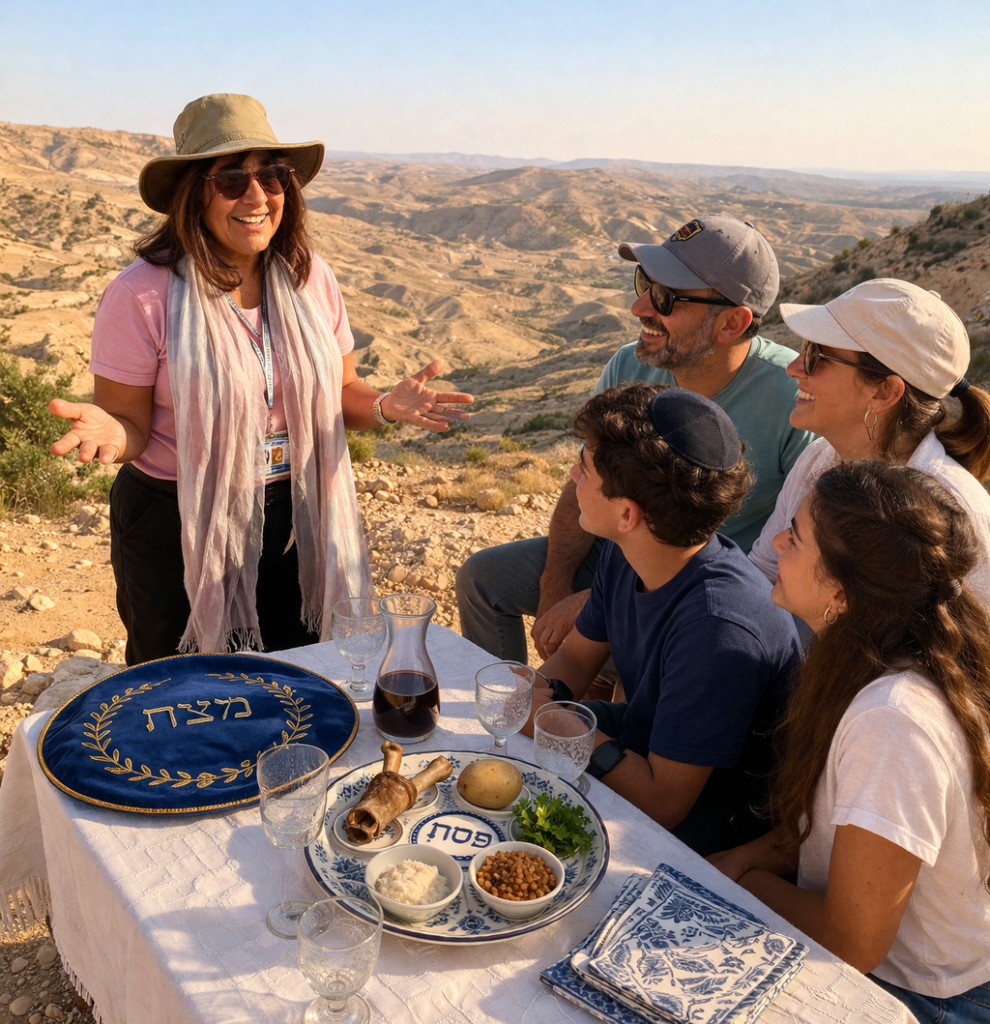
Passover in Israel: What Makes It Special
If you have ever wondered whether passover is better understood at a Seder table, on a desert trail, in Jerusalem stone alleyways, or beside an archaeological site where ancient stories feel close enough to touch, the honest answer is yes. In Israel, Passover is not confined to one room or one ritual. It spills into landscapes, kitchens, family traditions, sacred places, and conversations that make the holiday feel both intimate and expansive.
For travelers, that is what makes this season so memorable. You are not just learning about a holiday. You are stepping into a living rhythm that blends memory, movement, food, faith, and place in a way that is hard to recreate anywhere else.
Sadly, this year will not carry with it the usual holiday excitement and cheer, but there is always next year and now is the time to start planning! As the Jewish people around the world say every year on this holiday, “Next Year in Jerusalem”. That could be a reality for you!
Why passover feels different in Israel
Passover in Israel has a kind of texture that many visitors notice right away. The holiday is present in the practical details – special foods in markets, families preparing for gatherings, schools on break, and a pace that shifts as people make space for celebration. But it is also present in the land itself. The story of freedom, journey, wilderness, and identity feels especially vivid when you are standing in the Judean Desert, walking through Jerusalem, or looking out across regions where ancient trade routes and biblical memory still shape the atmosphere.
That does not mean there is one single “correct” Passover experience. It depends on who you are and what kind of connection you want. Some travelers want a deeply Jewish heritage journey centered on the Exodus story and Seder traditions. Some Christian travelers want to better understand the Jewish roots of stories they have long known.
That is one reason a customized trip matters so much during this time of year. Passover can be moving, but it can also be crowded, family-centered, and logistically different from an ordinary travel week. The right experience is rarely the most generic one.
Where to experience Passover beyond the Seder
Many visitors assume Passover begins and ends with one festive meal. The Seder is central, of course, but the holiday opens up beautifully when it is woven into a broader journey.
Jerusalem during Passover
Jerusalem is one of the most powerful places to feel the layered meaning of the holiday. The city carries religious memory in a concentrated way, and during Passover there is an added sense of anticipation and gathering. Neighborhoods prepare differently, families move through the streets with purpose, and the city’s sacred and historical dimensions feel especially alive.
For some travelers, this is the time to explore the Jewish Quarter, the Western Wall area, ancient pilgrimage themes, and museums or archaeological sites that give context to the long story of Jewish continuity. For others, the experience is broader – hearing how different communities mark the season, tasting holiday foods, and understanding how an ancient festival continues to shape modern life.
The desert and the Exodus story
If there is one landscape that deepens the emotional side of Passover, it is the desert. Wide horizons, silence, raw beauty, and the physical reality of distance all bring the Exodus narrative into sharper focus. A morning in the Judean Desert, an overlook near Masada, or a quieter route through southern landscapes can turn abstract ideas like wandering, dependence, and freedom into something more tangible.
This is especially meaningful for travelers who do not want a holiday experience that stays indoors. Walking, hiking, or driving through desert terrain can add a physical layer to the story. It is not reenactment. It is perspective.
Galilee, coast, and hidden cultural encounters
Passover travel does not need to follow only the best-known route. The Galilee, the Carmel region, the coast, and smaller communities can offer a more personal pace during the holiday. This is often where travelers find the balance between major heritage sites and unexpected encounters – a culinary workshop, a visit with a local family, an artisan experience, a conversation with a farmer, or time in a village or neighborhood that opens a different window into Israeli society.
For returning visitors who have already seen the headline sites, this can be the most rewarding way to experience the season. The holiday becomes less about checking landmarks off a list and more about entering the country’s human texture.
Food is one of the clearest ways to understand Passover
You do not need to be an expert in Jewish practice to notice that Passover has its own culinary personality. Food is part memory, part symbolism, part family custom, and part creativity. Some dishes are familiar across many homes, while others vary widely depending on heritage and family background.
That is where Israel becomes especially interesting. You may encounter Ashkenazi traditions, Sephardi flavors, and Mizrahi influences in very different expressions. One family’s holiday table may feel restrained and ritual-focused. Another may be full of spice, song, and regional character. Even travelers who are not observing Passover themselves often find that food becomes their easiest entry point into the holiday’s meaning.
Markets, specialty bakeries, home hospitality, cooking experiences, and guided tastings can all help make sense of the season. And unlike reading about ritual foods, tasting them while hearing the stories behind them tends to stay with you.
Planning a Passover trip in Israel takes some finesse
Passover is a wonderful time to visit Israel, but it is not a week to plan casually. Some travelers love the festive atmosphere and family energy. Others are surprised by schedule changes, holiday closures, and the fact that popular areas can feel busier than usual.
That is why planning needs to start with your travel style. If you want spiritual depth, your itinerary should leave room for reflection rather than rushing between sites. If you are traveling as a family, you may want a mix of meaningful content and active experiences like desert adventures, hands-on workshops, or nature outings. If you are a repeat visitor, Passover can be the perfect frame for going deeper into communities, stories, and places you missed the first time.
It also helps to decide early whether the Seder itself is a priority. Some travelers want to participate in a traditional Seder. Others prefer to observe the season through touring, food, and context without joining a formal ritual meal. Neither choice is better. What matters is shaping the trip honestly around your comfort level and curiosity.
A personalized approach is especially helpful here. A holiday week has its own rhythm, and a tailor-made itinerary can work with that rhythm rather than fighting it.
Passover for different kinds of travelers
One of the strengths of a well-designed Passover trip is that it can speak to very different visitors without feeling forced.
Jewish travelers often want the emotional connection of being in Israel during one of the calendar’s most meaningful holidays, whether that means joining a Seder, exploring heritage sites, or giving children a stronger sense of historical continuity. Christian travelers may find this season especially powerful for understanding the Jewish setting of traditions and texts they know well. Also, Easter is always around the same time as Passover, making the patchwork of theological celebrations more prevalent for people interested in the cultural richness, hospitality, and historical depth of the holiday period.
The point is not to make everyone experience Passover the same way. The point is to let the holiday become a meaningful lens through which each traveler can connect with Israel.
A more personal way to experience passover
The most memorable Passover journeys are rarely the ones built only around traffic-heavy stops and standard commentary. They are the ones that combine the classic places with context, pacing, and the right human encounters. A morning in Jerusalem can pair beautifully with an afternoon culinary experience. A desert drive can complement a conversation about ancient travel and survival. A family-friendly day can still carry real depth if it is shaped with care.
That is where an experienced private guide makes a difference. At Patchwork Israel Tours, the focus is not on pushing everyone through the same holiday route. It is on understanding whether your Passover trip should feel reflective, adventurous, heritage-focused, family-centered, or layered with hidden gems that most visitors never see.
And that is really the heart of Passover in Israel. It is a story of movement, memory, and meaning – but also of people gathering around what matters. If you give yourself the chance to experience it thoughtfully, the holiday does more than fill a date on the calendar. It gives the land a deeper voice.
Get the latest blog updates in your inbox.