
How to Book Multigenerational Israel Tours
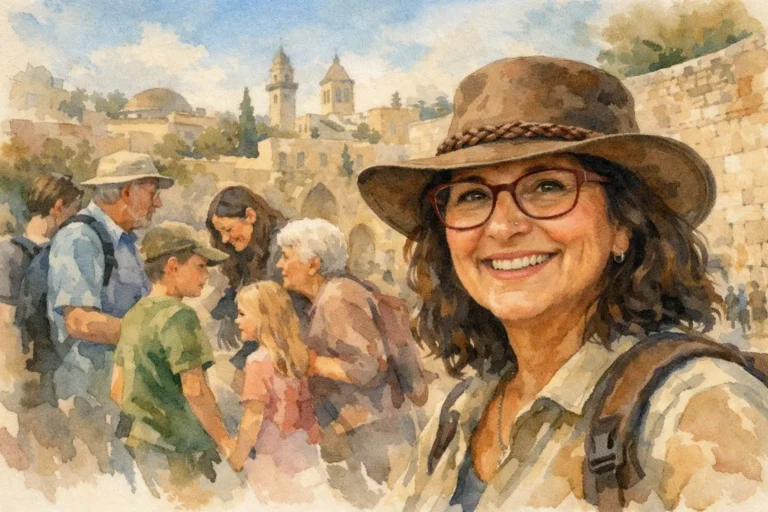
A grandparent may want time to stand quietly at the Western Wall. A teenager may remember rappelling in the desert, baking with a local host, or steering a 4×4 along a rugged trail. Parents often want both to happen without spending the week negotiating logistics. That is exactly why learning how to book multigenerational Israel tours begins with one essential choice: plan around people, not a fixed sightseeing checklist.
Israel is compact, but it is not a destination to rush. In a single day, a family can move from ancient stones and sacred places to a lively market, a nature reserve, or a remarkable meal. The right private itinerary makes room for those contrasts while respecting different energy levels, interests, mobility needs, and attention spans.
Start With the Family Conversation, Not the Itinerary
Before choosing hotels or reserving activities, ask each traveler one simple question: “What would make this trip feel worthwhile to you?” The answers are often more varied than expected. One person may be traveling for heritage, another for faith, another for food, and another simply because they want meaningful time with family.
Do not ask everyone to rank every possible site. Instead, have each person name two or three experiences they would be disappointed to miss. This gives your guide a clear picture of the group’s priorities without turning the planning process into a vote on every hour of the day.
It also helps to identify practical needs early. Consider walking distance, stairs, heat tolerance, dietary preferences, nap schedules for younger children, and whether anyone benefits from a slower start in the morning. These details do not limit a well-designed trip. They make it possible to choose the right routes, timing, transportation, and pace.
Choose a Private Format for Flexibility
For a family spanning several generations, a private tour is usually more comfortable than a large coach itinerary. The reason is simple: the day can adapt to the people in it.
A private guide can shorten a museum visit when younger travelers are ready for fresh air, build in a coffee break when grandparents need a rest, or linger at a place that has special family meaning. There is room for a child-friendly activity in the afternoon without making the morning feel less substantial for adults.
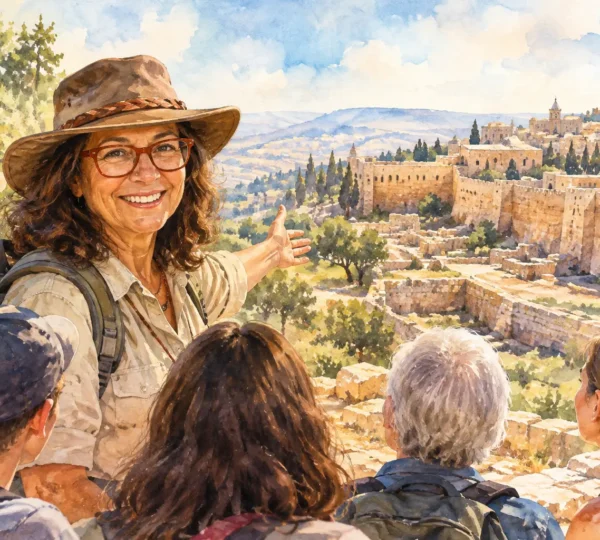
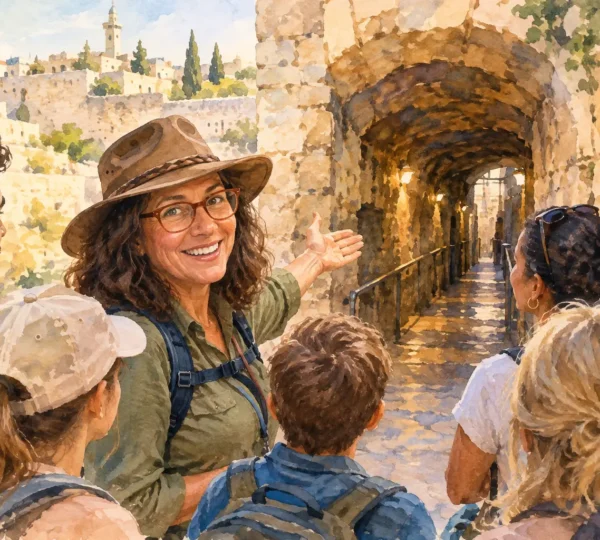
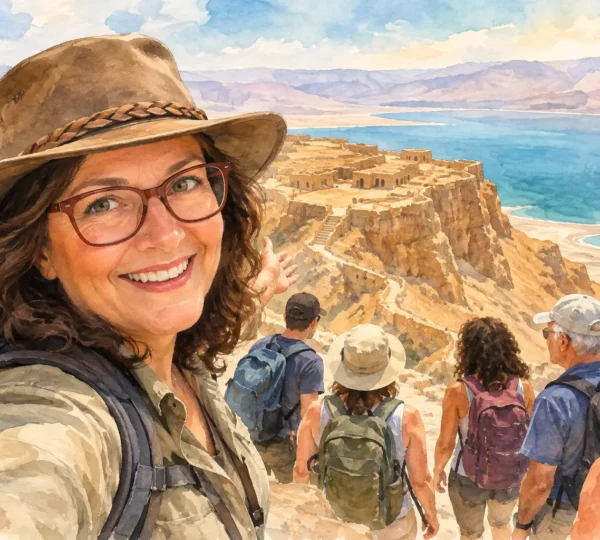
This does not mean every moment needs to be scheduled separately. The best multigenerational days include shared experiences that work on several levels. Jerusalem’s Old City can offer spiritual connection, architecture, history, stories, and excellent snack stops. At Masada, some family members may take the cable car while more active travelers choose an early hike. At the Dead Sea, the pace naturally slows and everyone can enjoy the setting in their own way.
When you book, ask whether the operator can adjust the itinerary during the day and whether the guide stays with your family rather than passing the group between different staff members. Continuity matters. A guide who gets to know your family can make better choices as the trip unfolds.
Build Days Around One Main Experience
A common planning mistake is trying to fit three major regions into one day because the map makes them look close. Travel time, parking, weather, entrances, meals, and the simple pleasure of being present all take longer with a larger family group.
Aim for one anchor experience each day, then add one or two complementary stops. For example, a day centered on Caesarea might include its harbor and archaeological remains, followed by a relaxed winery, a coastal walk, or a meal in a nearby town. A Tel Aviv and Jaffa day might pair old alleyways and layered history with a market tasting or a beachside break.
This approach leaves room for the unscripted moments that often become family favorites: a grandchild asking a question that starts a real conversation, a view worth stopping for, or a local food discovery that brings everyone to the table.
Plan for different energy levels without splitting the family
It is possible to serve active and relaxed travelers on the same day. The secret is not to force everyone into the same activity at the same intensity.
In the desert, one part of the family might enjoy a guided hike while others take a scenic drive to a viewpoint and meet them afterward. In a city, those who want to explore a market can do so while others enjoy a seated tasting nearby. A 4×4 outing can be adjusted from a gentle scenic route to a more adventurous experience, depending on the group.
Occasional separate activities are fine, especially for a few hours. But schedule at least one shared moment every day, whether it is a meal, a sunset, a cooking workshop, or a meaningful site visit. That is what keeps the trip feeling like a family journey rather than several vacations happening in parallel.
Select Accommodations That Support the Trip
Hotels are not merely where the family sleeps. They determine how easy it is to gather, rest, and begin each day calmly.
Look for properties with family rooms, connecting rooms, suites, or apartments where appropriate. Confirm elevator access, shower configuration, distance from the lobby, and whether breakfast can accommodate early departures. If relatives are arriving from different places, choose a first hotel that makes the arrival day easy rather than ambitious.
For many families, dividing the trip between Jerusalem and another base – such as Tel Aviv, the Galilee, or the desert – creates variety without constant packing. It depends on the number of nights and the travelers’ tolerance for changing hotels. A seven-night trip may benefit from two bases; a shorter visit is often better with fewer transitions.
Book Experiences That Invite Conversation
The strongest multigenerational tours are not just about seeing places. They create natural opportunities to talk, learn, and connect.
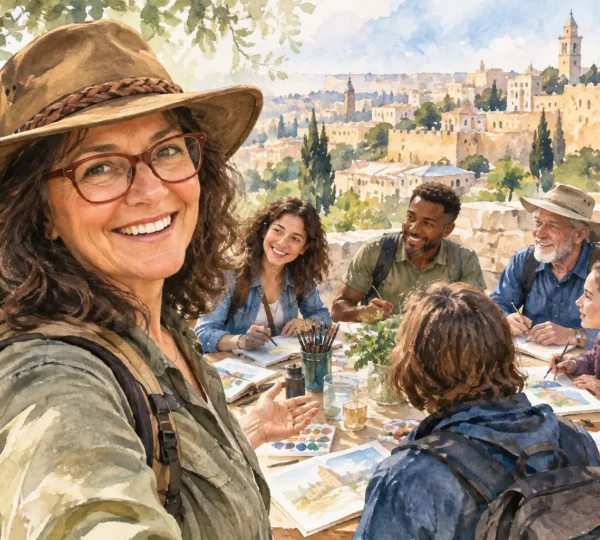
Choose a mix of landmark visits and participatory experiences. A family may spend one morning at a major heritage site and another afternoon making mosaics, cooking, foraging, sailing, or meeting people whose work offers a personal window into daily life in Israel. These experiences give younger travelers something to do and give adults something more lasting than another photo stop.
For repeat visitors, this is especially valuable. If some relatives have already seen the classic highlights, do not remove them entirely if they matter to first-time visitors. Instead, balance them with lesser-known neighborhoods, workshops, rural visits, nature routes, or tailored conversations that feel fresh for everyone.
A knowledgeable licensed guide can also shape the storytelling. Children do not need a simplified version of history; they need stories with people, choices, objects, and places they can picture. Adults appreciate depth, context, and space to ask their own questions. The right guide moves naturally between those needs.
Confirm the Details Before You Commit
Once you have a draft itinerary, review it as a family before finalizing. Check the start times, driving distances, physical demands, meal arrangements, and what is included in the tour price. Ask about private vehicle size, child seats if needed, luggage handling, entry fees, cancellation terms, and backup plans for weather or changing site hours.
Be honest about your budget from the beginning. A customized trip can be designed at different levels, but clarity helps your planner recommend where a private driver, special activity, upgraded hotel, or extra rest day will make the biggest difference. For some families, a single extraordinary desert night is worth more than a packed schedule of paid attractions. For others, convenience and central accommodations are the priority.
At Patchwork Israel, planning begins with these personal choices rather than a template. A family’s ages, memories, curiosity, and preferred rhythm are the material from which the journey is built.
Give the Trip Room to Breathe
Leave at least one unscheduled pocket of time every few days. It may become a hotel-pool afternoon, a longer stroll through a neighborhood, a chance to revisit a favorite market, or simply an earlier dinner together. Overplanning can make even beautiful places feel like obligations.
The best family travel does not require every generation to love every stop equally. It asks that each person feels considered, included, and occasionally surprised. Book with that standard in mind, and Israel becomes more than the setting for a vacation. It becomes the place where your family notices new things about the country, and about one another.

How to Book Multigenerational Israel Tours
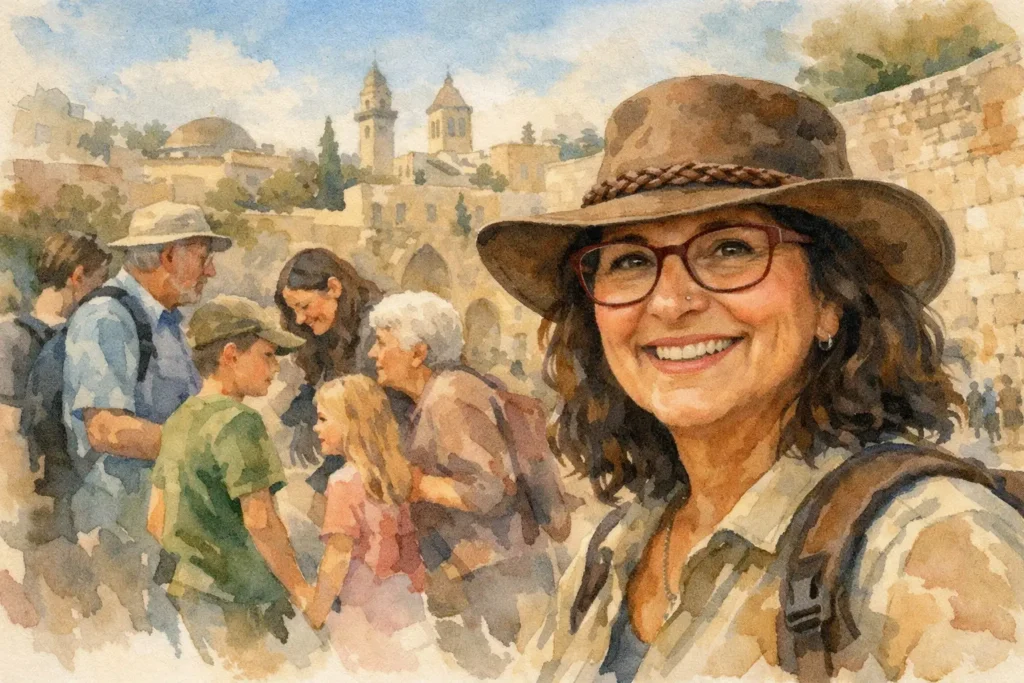
A grandparent may want time to stand quietly at the Western Wall. A teenager may remember rappelling in the desert, baking with a local host, or steering a 4×4 along a rugged trail. Parents often want both to happen without spending the week negotiating logistics. That is exactly why learning how to book multigenerational Israel tours begins with one essential choice: plan around people, not a fixed sightseeing checklist.
Israel is compact, but it is not a destination to rush. In a single day, a family can move from ancient stones and sacred places to a lively market, a nature reserve, or a remarkable meal. The right private itinerary makes room for those contrasts while respecting different energy levels, interests, mobility needs, and attention spans.
Start With the Family Conversation, Not the Itinerary
Before choosing hotels or reserving activities, ask each traveler one simple question: “What would make this trip feel worthwhile to you?” The answers are often more varied than expected. One person may be traveling for heritage, another for faith, another for food, and another simply because they want meaningful time with family.
Do not ask everyone to rank every possible site. Instead, have each person name two or three experiences they would be disappointed to miss. This gives your guide a clear picture of the group’s priorities without turning the planning process into a vote on every hour of the day.
It also helps to identify practical needs early. Consider walking distance, stairs, heat tolerance, dietary preferences, nap schedules for younger children, and whether anyone benefits from a slower start in the morning. These details do not limit a well-designed trip. They make it possible to choose the right routes, timing, transportation, and pace.
Choose a Private Format for Flexibility
For a family spanning several generations, a private tour is usually more comfortable than a large coach itinerary. The reason is simple: the day can adapt to the people in it.
A private guide can shorten a museum visit when younger travelers are ready for fresh air, build in a coffee break when grandparents need a rest, or linger at a place that has special family meaning. There is room for a child-friendly activity in the afternoon without making the morning feel less substantial for adults.
This does not mean every moment needs to be scheduled separately. The best multigenerational days include shared experiences that work on several levels. Jerusalem’s Old City can offer spiritual connection, architecture, history, stories, and excellent snack stops. At Masada, some family members may take the cable car while more active travelers choose an early hike. At the Dead Sea, the pace naturally slows and everyone can enjoy the setting in their own way.
When you book, ask whether the operator can adjust the itinerary during the day and whether the guide stays with your family rather than passing the group between different staff members. Continuity matters. A guide who gets to know your family can make better choices as the trip unfolds.
Build Days Around One Main Experience
A common planning mistake is trying to fit three major regions into one day because the map makes them look close. Travel time, parking, weather, entrances, meals, and the simple pleasure of being present all take longer with a larger family group.
Aim for one anchor experience each day, then add one or two complementary stops. For example, a day centered on Caesarea might include its harbor and archaeological remains, followed by a relaxed winery, a coastal walk, or a meal in a nearby town. A Tel Aviv and Jaffa day might pair old alleyways and layered history with a market tasting or a beachside break.
This approach leaves room for the unscripted moments that often become family favorites: a grandchild asking a question that starts a real conversation, a view worth stopping for, or a local food discovery that brings everyone to the table.
Plan for different energy levels without splitting the family
It is possible to serve active and relaxed travelers on the same day. The secret is not to force everyone into the same activity at the same intensity.
In the desert, one part of the family might enjoy a guided hike while others take a scenic drive to a viewpoint and meet them afterward. In a city, those who want to explore a market can do so while others enjoy a seated tasting nearby. A 4×4 outing can be adjusted from a gentle scenic route to a more adventurous experience, depending on the group.
Occasional separate activities are fine, especially for a few hours. But schedule at least one shared moment every day, whether it is a meal, a sunset, a cooking workshop, or a meaningful site visit. That is what keeps the trip feeling like a family journey rather than several vacations happening in parallel.
Select Accommodations That Support the Trip
Hotels are not merely where the family sleeps. They determine how easy it is to gather, rest, and begin each day calmly.
Look for properties with family rooms, connecting rooms, suites, or apartments where appropriate. Confirm elevator access, shower configuration, distance from the lobby, and whether breakfast can accommodate early departures. If relatives are arriving from different places, choose a first hotel that makes the arrival day easy rather than ambitious.
For many families, dividing the trip between Jerusalem and another base – such as Tel Aviv, the Galilee, or the desert – creates variety without constant packing. It depends on the number of nights and the travelers’ tolerance for changing hotels. A seven-night trip may benefit from two bases; a shorter visit is often better with fewer transitions.
Book Experiences That Invite Conversation
The strongest multigenerational tours are not just about seeing places. They create natural opportunities to talk, learn, and connect.
Choose a mix of landmark visits and participatory experiences. A family may spend one morning at a major heritage site and another afternoon making mosaics, cooking, foraging, sailing, or meeting people whose work offers a personal window into daily life in Israel. These experiences give younger travelers something to do and give adults something more lasting than another photo stop.
For repeat visitors, this is especially valuable. If some relatives have already seen the classic highlights, do not remove them entirely if they matter to first-time visitors. Instead, balance them with lesser-known neighborhoods, workshops, rural visits, nature routes, or tailored conversations that feel fresh for everyone.
A knowledgeable licensed guide can also shape the storytelling. Children do not need a simplified version of history; they need stories with people, choices, objects, and places they can picture. Adults appreciate depth, context, and space to ask their own questions. The right guide moves naturally between those needs.
Confirm the Details Before You Commit
Once you have a draft itinerary, review it as a family before finalizing. Check the start times, driving distances, physical demands, meal arrangements, and what is included in the tour price. Ask about private vehicle size, child seats if needed, luggage handling, entry fees, cancellation terms, and backup plans for weather or changing site hours.
Be honest about your budget from the beginning. A customized trip can be designed at different levels, but clarity helps your planner recommend where a private driver, special activity, upgraded hotel, or extra rest day will make the biggest difference. For some families, a single extraordinary desert night is worth more than a packed schedule of paid attractions. For others, convenience and central accommodations are the priority.
At Patchwork Israel, planning begins with these personal choices rather than a template. A family’s ages, memories, curiosity, and preferred rhythm are the material from which the journey is built.
Give the Trip Room to Breathe
Leave at least one unscheduled pocket of time every few days. It may become a hotel-pool afternoon, a longer stroll through a neighborhood, a chance to revisit a favorite market, or simply an earlier dinner together. Overplanning can make even beautiful places feel like obligations.
The best family travel does not require every generation to love every stop equally. It asks that each person feels considered, included, and occasionally surprised. Book with that standard in mind, and Israel becomes more than the setting for a vacation. It becomes the place where your family notices new things about the country, and about one another.
Get the latest blog updates in your inbox.