
12 Israel Attractions Worth Building a Trip Around
Israel attractions are rarely just places to photograph and move on from. A stone passage in Jerusalem can hold centuries of prayer and daily life. A Roman harbor can lead naturally to a chef’s kitchen, a desert lookout to a Bedouin-style coffee stop, and a beachside neighborhood to conversations that change how you see the country. The best trip is not about checking off the most famous names. It is about choosing the experiences that speak to you – then allowing enough time to feel their layers.
Start With the Israel Attractions That Fit Your Story
Israel is compact, but it is not small in experience. A traveler interested in Jewish heritage may want more time among Jerusalem’s historic quarters and Galilee’s ancient synagogues. A Catholic family may build a meaningful route around Jerusalem, the Sea of Galilee, Nazareth, and the Jordan River. Someone returning for a second or third visit may prefer an archaeological excavation, a studio visit, a food market tasting, or a 4×4 route through a landscape they have only seen from the highway.
That is why a personalized itinerary matters. Distances on a map can look easy, while traffic, walking conditions, opening hours, heat, and the depth of a site can reshape a day. A well-paced route creates room for the major landmarks without turning them into a race.
Jerusalem: Sacred Stone and Everyday Energy
The Old City Beyond the Obvious
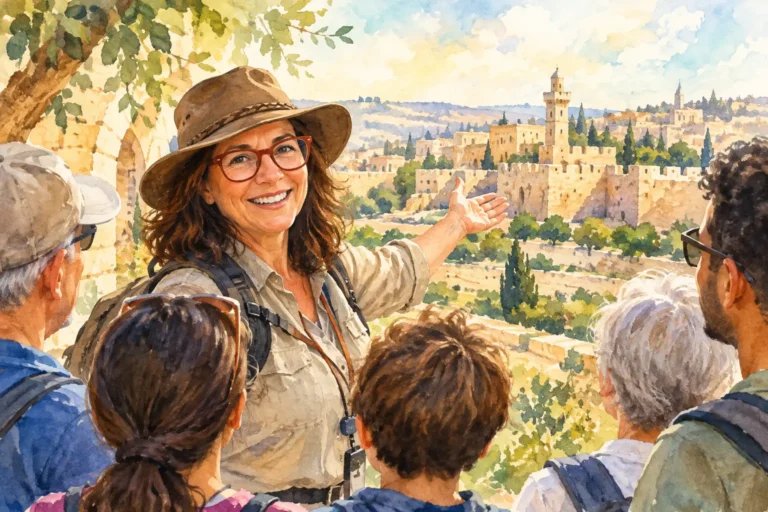
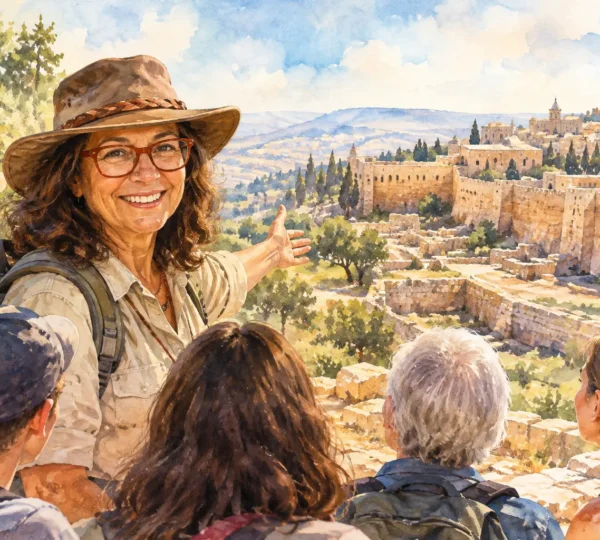
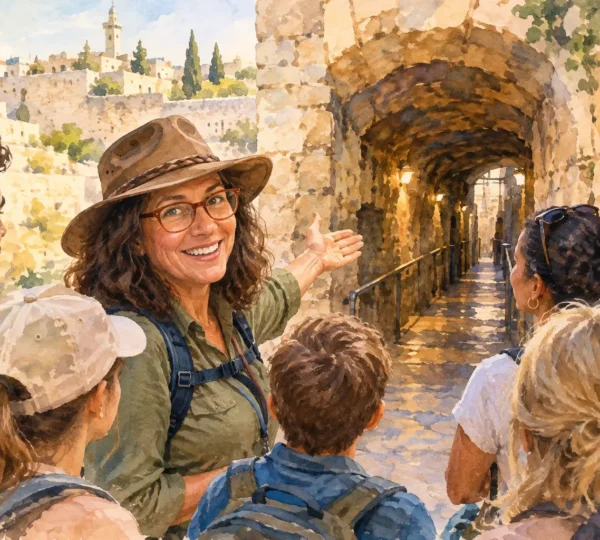
Jerusalem belongs on almost every first visit, but its power comes from how you experience it. The Western Wall, the Church of the Holy Sepulchre, and the Temple Mount area are essential reference points for many visitors. Each deserves context, quiet attention, and sensitivity to the people who hold these places sacred.
Yet the city becomes even more memorable when you step into its smaller details: a rooftop view that explains the city’s geography, a tucked-away courtyard, a market stall with a family story, or an archaeological layer beneath a modern street. Jerusalem is not a museum frozen in time. It is a living city where faith, memory, food, commerce, and family life meet in a very small space.
For travelers with limited time, a focused half-day can still be meaningful. For those who want more, pair the Old City with Yad Vashem, the Israel Museum, Mahane Yehuda Market, or an evening walk through one of the city’s historic neighborhoods. The right choice depends on whether your day is centered on spirituality, history, art, or contemporary local life.
The Coast: Ancient Ports, Urban Flavor, and Sea Air
Jaffa and Tel Aviv in One Day
Jaffa and Tel Aviv are a natural pairing because their contrast tells a larger story. In ancient Jaffa, narrow lanes, weathered stone, galleries, and harbor views invite a slower pace. Its history reaches far beyond any one era, and its position above the Mediterranean explains why it has drawn travelers for so long.
A short drive north, Tel Aviv brings a different rhythm. Its Bauhaus architecture, lively food scene, creative neighborhoods, and beach promenade show another side of Israel – energetic, informal, and wonderfully walkable. Spend time in the Carmel Market if food is part of your travel language, or explore Neve Tzedek for a quieter blend of restored architecture, boutiques, and cafés.
This is also an excellent option for business travelers who have one free afternoon and want something more meaningful than a hotel lobby. A thoughtfully planned few hours can include a historic port, local flavors, and a clear sense of the country’s coastal character.
Caesarea: Where Archaeology Meets the Mediterranean
Caesarea is one of those places where a guide’s storytelling can completely change the visit. The remains of Herod’s port city include a theater, palace complex, hippodrome, and harbor, all set against the sea. It is visually dramatic, but its real interest lies in the engineering, trade, and human ambition behind the stones.
Visit in the morning or later afternoon when the coastal light is softer. Combine it with a winery, a culinary stop, or an inland agricultural visit for a day that moves from ancient innovation to present-day creativity.
The Desert: Masada, the Dead Sea, and the Space Between
Masada Is Better When You Understand the Landscape
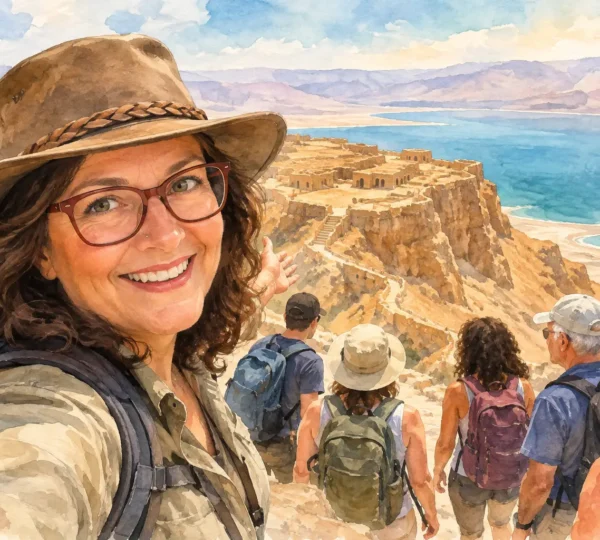
Masada is among the best-known Israel attractions, and it earns its reputation. The mountain fortress rises sharply above the Judean Desert, with wide views that make its remote setting immediately clear. Taking the cable car is practical for many visitors. Hiking the Snake Path before sunrise is unforgettable for active travelers, but it requires an early start, suitable fitness, and careful attention to weather.
The site is not only about the summit. The surrounding desert helps explain its strategic location, water systems, and isolation. A strong visit connects the ruins to the geography rather than treating Masada as a single photo stop.
The Dead Sea Requires a Little Planning
Floating in the Dead Sea is one of those unusual experiences that visitors remember for years. The sensation is real, funny, and far more buoyant than most people expect. Wear water shoes, avoid shaving immediately beforehand, and keep the mineral-rich water away from your eyes. A quick rinse afterward is welcome.
The Dead Sea can be paired with Masada, but do not overfill the day. Add a desert walk, a scenic overlook, or a relaxed meal, rather than trying to squeeze in too many stops. In warmer months, early starts are especially wise.
For travelers looking for adventure beyond the standard route, the Negev offers off-roading tracks, crater views, short hikes, stargazing, camel experiences, and desert hospitality. The landscape rewards patience. A road that appears empty often leads to a geological story, a hidden spring, or a viewpoint with no crowds at all.
Northern Israel: Water, Mountains, and Deep Roots
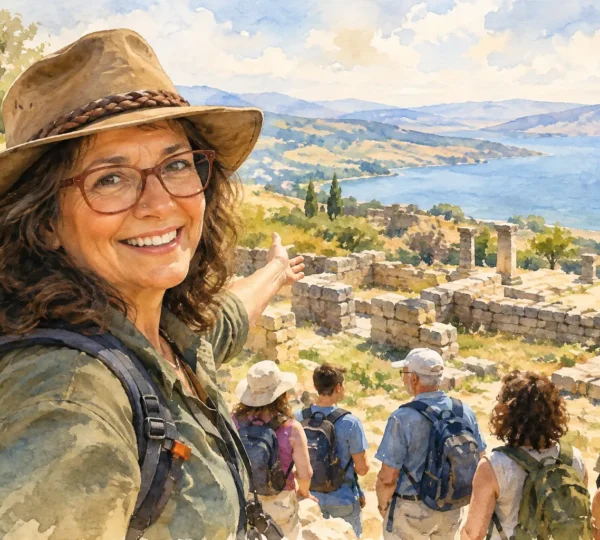
The north changes the pace again. Around the Sea of Galilee, faith-based sites can be arranged in a way that feels personal rather than rushed. A quiet boat ride or shoreline walk may matter as much as a formal visit, particularly for families who want time to reflect together.
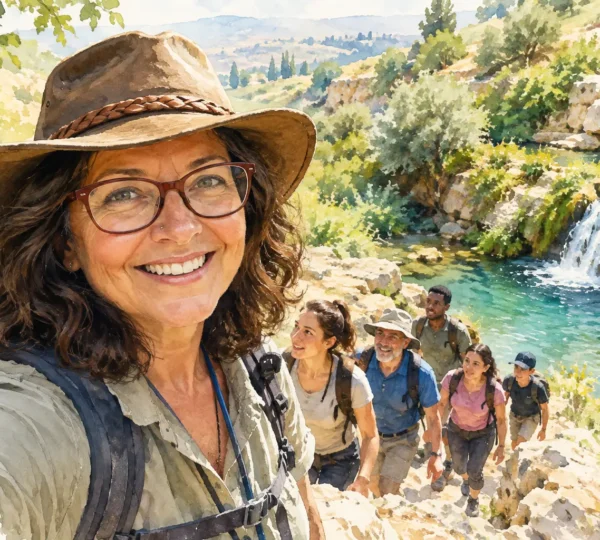
Further north, the Golan Heights offers open views, volcanic terrain, wineries, farms, and hiking routes that range from gentle to challenging. In the right season, streams and waterfalls create a refreshing contrast to the desert. This area is ideal for travelers who want their history with fresh air and movement.
Galilee also rewards visitors who are curious about daily life, food traditions, and the many communities that have shaped the region. A home meal, a local workshop, or a conversation with someone whose work is tied to the land can bring a trip closer to the people behind the scenery.
Make Room for Experiences No Landmark Can Replace
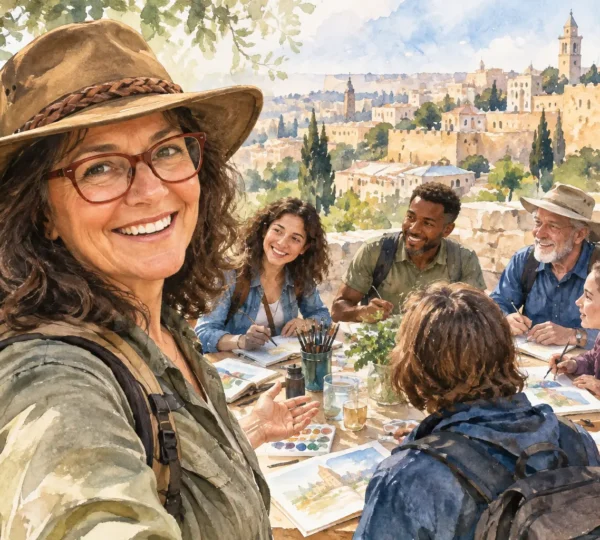
A memorable itinerary should include at least one experience that cannot be replicated by a postcard. That might be baking bread with a local host, making a mosaic, foraging in the hills, joining a market tasting, sailing, scuba diving, or taking a 4×4 into a less-traveled part of the country. Families may enjoy a hands-on activity between major heritage sites; adults returning to Israel may find that these encounters become the highlight of the trip.
These choices are not distractions from Israel’s history. They are often the most immediate way to understand it. Food reveals migration and memory. Farming reveals climate and ingenuity. Architecture reveals changing ideas about home and community. A personal conversation can add dimension that no information panel can provide.
For educational groups, the same principle applies. A large group can visit important places efficiently, but smaller discussions, active experiences, and carefully chosen local encounters help participants connect the facts to their own questions.
How to Build a Better Route
Choose three priorities before selecting sites: what you most want to understand, how active you want to be, and how much flexibility you need. A family traveling with different ages may balance a major historical site with a swim, food stop, or easy nature walk. A couple seeking a heritage-focused trip may spend longer in fewer places. Travelers who have already seen the classic highlights can go deeper with private visits, specialist conversations, themed walks, or regional routes built around a particular interest.
Avoid treating every day as a long-distance transfer. Israel rewards thoughtful pacing. Two meaningful stops, an excellent lunch, and time to ask questions can offer more than six hurried attractions. A licensed guide with deep local knowledge can adapt the day when weather shifts, a site is busier than expected, or an unexpected opportunity appears.
Patchwork Israel creates private days around these personal choices, from well-loved landmarks to places that rarely appear on standard itineraries. The goal is not simply to show you Israel, but to help you meet it in a way that feels like your own.
Leave one open window in your schedule. It may become a longer conversation, a return visit to a favorite view, or the unplanned stop that stays with you long after the trip ends.

12 Israel Attractions Worth Building a Trip Around
Israel attractions are rarely just places to photograph and move on from. A stone passage in Jerusalem can hold centuries of prayer and daily life. A Roman harbor can lead naturally to a chef’s kitchen, a desert lookout to a Bedouin-style coffee stop, and a beachside neighborhood to conversations that change how you see the country. The best trip is not about checking off the most famous names. It is about choosing the experiences that speak to you – then allowing enough time to feel their layers.
Start With the Israel Attractions That Fit Your Story
Israel is compact, but it is not small in experience. A traveler interested in Jewish heritage may want more time among Jerusalem’s historic quarters and Galilee’s ancient synagogues. A Catholic family may build a meaningful route around Jerusalem, the Sea of Galilee, Nazareth, and the Jordan River. Someone returning for a second or third visit may prefer an archaeological excavation, a studio visit, a food market tasting, or a 4×4 route through a landscape they have only seen from the highway.
That is why a personalized itinerary matters. Distances on a map can look easy, while traffic, walking conditions, opening hours, heat, and the depth of a site can reshape a day. A well-paced route creates room for the major landmarks without turning them into a race.
Jerusalem: Sacred Stone and Everyday Energy
The Old City Beyond the Obvious
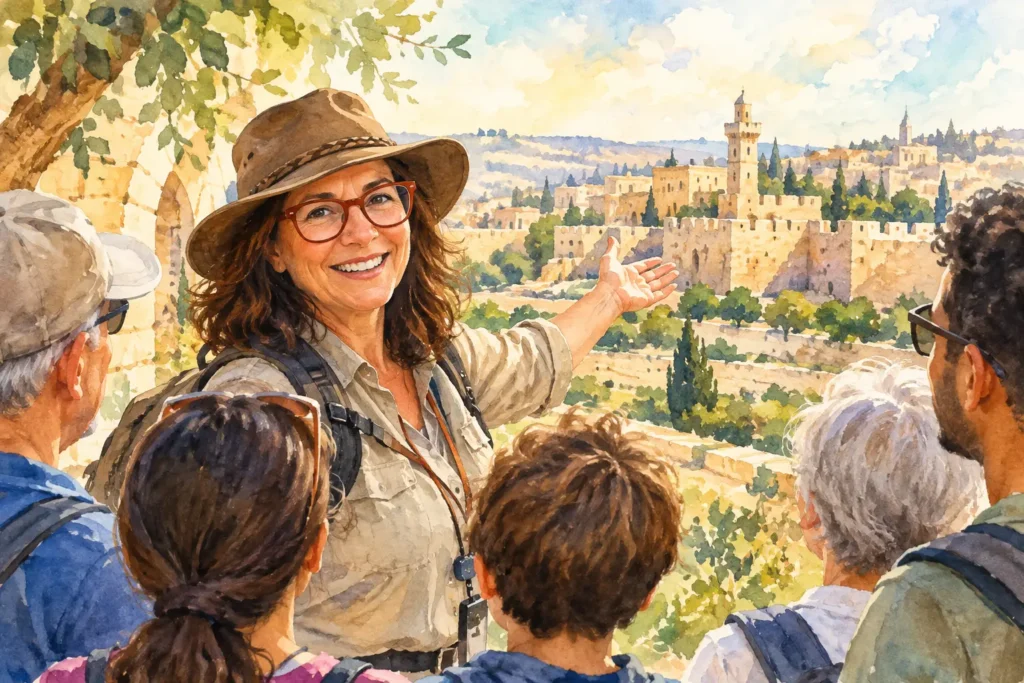
Jerusalem belongs on almost every first visit, but its power comes from how you experience it. The Western Wall, the Church of the Holy Sepulchre, and the Temple Mount area are essential reference points for many visitors. Each deserves context, quiet attention, and sensitivity to the people who hold these places sacred.
Yet the city becomes even more memorable when you step into its smaller details: a rooftop view that explains the city’s geography, a tucked-away courtyard, a market stall with a family story, or an archaeological layer beneath a modern street. Jerusalem is not a museum frozen in time. It is a living city where faith, memory, food, commerce, and family life meet in a very small space.
For travelers with limited time, a focused half-day can still be meaningful. For those who want more, pair the Old City with Yad Vashem, the Israel Museum, Mahane Yehuda Market, or an evening walk through one of the city’s historic neighborhoods. The right choice depends on whether your day is centered on spirituality, history, art, or contemporary local life.
The Coast: Ancient Ports, Urban Flavor, and Sea Air
Jaffa and Tel Aviv in One Day
Jaffa and Tel Aviv are a natural pairing because their contrast tells a larger story. In ancient Jaffa, narrow lanes, weathered stone, galleries, and harbor views invite a slower pace. Its history reaches far beyond any one era, and its position above the Mediterranean explains why it has drawn travelers for so long.
A short drive north, Tel Aviv brings a different rhythm. Its Bauhaus architecture, lively food scene, creative neighborhoods, and beach promenade show another side of Israel – energetic, informal, and wonderfully walkable. Spend time in the Carmel Market if food is part of your travel language, or explore Neve Tzedek for a quieter blend of restored architecture, boutiques, and cafés.
This is also an excellent option for business travelers who have one free afternoon and want something more meaningful than a hotel lobby. A thoughtfully planned few hours can include a historic port, local flavors, and a clear sense of the country’s coastal character.
Caesarea: Where Archaeology Meets the Mediterranean
Caesarea is one of those places where a guide’s storytelling can completely change the visit. The remains of Herod’s port city include a theater, palace complex, hippodrome, and harbor, all set against the sea. It is visually dramatic, but its real interest lies in the engineering, trade, and human ambition behind the stones.
Visit in the morning or later afternoon when the coastal light is softer. Combine it with a winery, a culinary stop, or an inland agricultural visit for a day that moves from ancient innovation to present-day creativity.
The Desert: Masada, the Dead Sea, and the Space Between
Masada Is Better When You Understand the Landscape
Masada is among the best-known Israel attractions, and it earns its reputation. The mountain fortress rises sharply above the Judean Desert, with wide views that make its remote setting immediately clear. Taking the cable car is practical for many visitors. Hiking the Snake Path before sunrise is unforgettable for active travelers, but it requires an early start, suitable fitness, and careful attention to weather.
The site is not only about the summit. The surrounding desert helps explain its strategic location, water systems, and isolation. A strong visit connects the ruins to the geography rather than treating Masada as a single photo stop.
The Dead Sea Requires a Little Planning
Floating in the Dead Sea is one of those unusual experiences that visitors remember for years. The sensation is real, funny, and far more buoyant than most people expect. Wear water shoes, avoid shaving immediately beforehand, and keep the mineral-rich water away from your eyes. A quick rinse afterward is welcome.
The Dead Sea can be paired with Masada, but do not overfill the day. Add a desert walk, a scenic overlook, or a relaxed meal, rather than trying to squeeze in too many stops. In warmer months, early starts are especially wise.
For travelers looking for adventure beyond the standard route, the Negev offers off-roading tracks, crater views, short hikes, stargazing, camel experiences, and desert hospitality. The landscape rewards patience. A road that appears empty often leads to a geological story, a hidden spring, or a viewpoint with no crowds at all.
Northern Israel: Water, Mountains, and Deep Roots
The north changes the pace again. Around the Sea of Galilee, faith-based sites can be arranged in a way that feels personal rather than rushed. A quiet boat ride or shoreline walk may matter as much as a formal visit, particularly for families who want time to reflect together.
Further north, the Golan Heights offers open views, volcanic terrain, wineries, farms, and hiking routes that range from gentle to challenging. In the right season, streams and waterfalls create a refreshing contrast to the desert. This area is ideal for travelers who want their history with fresh air and movement.
Galilee also rewards visitors who are curious about daily life, food traditions, and the many communities that have shaped the region. A home meal, a local workshop, or a conversation with someone whose work is tied to the land can bring a trip closer to the people behind the scenery.
Make Room for Experiences No Landmark Can Replace
A memorable itinerary should include at least one experience that cannot be replicated by a postcard. That might be baking bread with a local host, making a mosaic, foraging in the hills, joining a market tasting, sailing, scuba diving, or taking a 4×4 into a less-traveled part of the country. Families may enjoy a hands-on activity between major heritage sites; adults returning to Israel may find that these encounters become the highlight of the trip.
These choices are not distractions from Israel’s history. They are often the most immediate way to understand it. Food reveals migration and memory. Farming reveals climate and ingenuity. Architecture reveals changing ideas about home and community. A personal conversation can add dimension that no information panel can provide.
For educational groups, the same principle applies. A large group can visit important places efficiently, but smaller discussions, active experiences, and carefully chosen local encounters help participants connect the facts to their own questions.
How to Build a Better Route
Choose three priorities before selecting sites: what you most want to understand, how active you want to be, and how much flexibility you need. A family traveling with different ages may balance a major historical site with a swim, food stop, or easy nature walk. A couple seeking a heritage-focused trip may spend longer in fewer places. Travelers who have already seen the classic highlights can go deeper with private visits, specialist conversations, themed walks, or regional routes built around a particular interest.
Avoid treating every day as a long-distance transfer. Israel rewards thoughtful pacing. Two meaningful stops, an excellent lunch, and time to ask questions can offer more than six hurried attractions. A licensed guide with deep local knowledge can adapt the day when weather shifts, a site is busier than expected, or an unexpected opportunity appears.
Patchwork Israel creates private days around these personal choices, from well-loved landmarks to places that rarely appear on standard itineraries. The goal is not simply to show you Israel, but to help you meet it in a way that feels like your own.
Leave one open window in your schedule. It may become a longer conversation, a return visit to a favorite view, or the unplanned stop that stays with you long after the trip ends.
Get the latest blog updates in your inbox.