
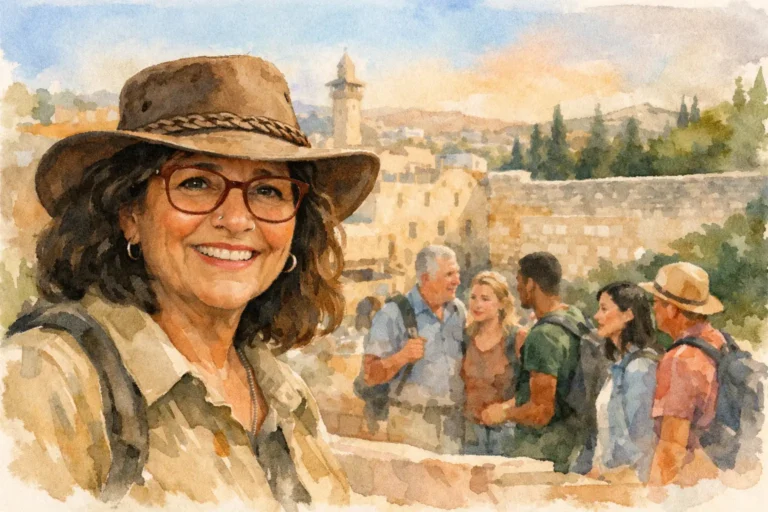
Can Israel Trips Include Local Meetings? Yes
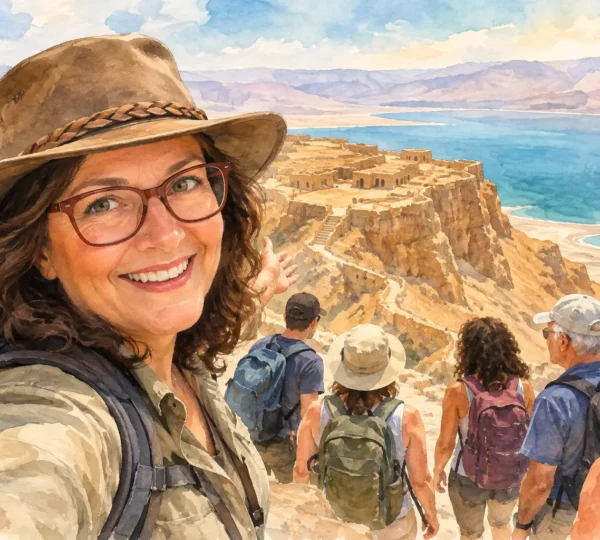
A sunrise at Masada, a walk through Jerusalem’s old lanes, and a float in the Dead Sea can be unforgettable. But for many travelers, the moments that stay longest are more personal: a conversation at a family table, time with a farmer in the field, or a studio visit with an artist. Can Israel trips include local meetings? Absolutely – when they are thoughtfully matched to your interests, arranged with care, and allowed enough time to become a real encounter rather than a quick stop.
For a first-time visitor, local meetings can bring context to the places on a classic itinerary. For someone returning to Israel after seeing the major sites, they can open an entirely different kind of journey. The right meeting adds voices, stories, and everyday perspective to a country that is far too layered to understand from a bus window.
Can Israel Trips Include Local Meetings That Feel Genuine?
Yes, but the quality of the planning matters. A meaningful local meeting is not a performance and should never feel like one. It works best when there is a natural reason for the visit, a shared subject to discuss, and enough flexibility for genuine conversation.
A licensed private guide can help identify people, workplaces, homes, and community settings that fit the traveler rather than forcing every traveler into the same appointment. A family interested in food may enjoy baking or cooking with a local host. A business traveler with one free afternoon may prefer a focused conversation with an innovator, entrepreneur, or agricultural professional. A heritage-minded group may want to meet someone whose personal story brings a neighborhood, faith tradition, or family history into sharper focus.
The goal is not to check off “meet a local” on an itinerary. It is to create a moment of connection that belongs naturally within the day.
Start With What You Want to Understand
The best local meetings begin with a simple question: what are you curious about? Israel offers extraordinary range within short driving distances, so a private trip can connect a traveler’s interests with people who live and work close to the route.
You may be drawn to food, architecture, archaeology, farming, education, art, technology, religion, desert life, or environmental innovation. Perhaps you are traveling with teenagers who learn best by doing, or with parents who would rather sit down over coffee than spend another hour in a museum. Perhaps you have visited before and want to move beyond the familiar highlights. These details are not small preferences. They are the foundation of a more personal itinerary.
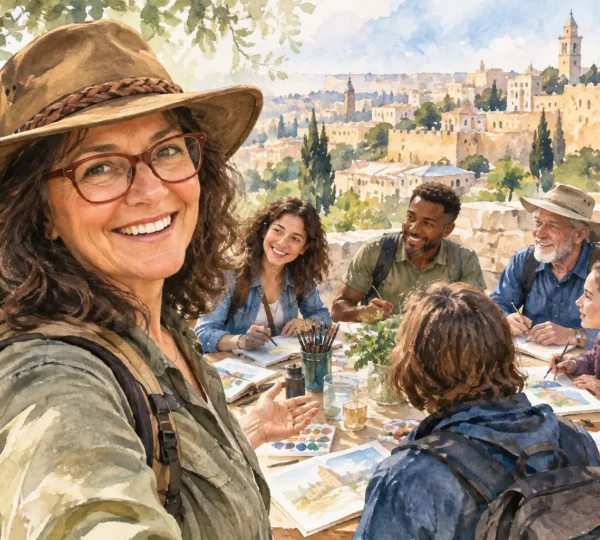
A meeting could take place in a kitchen, vineyard, workshop, gallery, family home, farm, university setting, or neighborhood business. It might be paired with an activity, such as foraging, a hands-on craft workshop, a tasting, or a walk through a landscape that explains why a particular community developed there. The setting changes the conversation. People often speak differently while preparing a meal, tending a garden, or walking a trail than they do in a formal presentation.
Match the Meeting to the Rhythm of the Day
Local encounters are most rewarding when they do not crowd out everything else. A full day in Jerusalem, for example, may include a major historic site in the morning, lunch in a market area, and a conversation with a local expert in the afternoon. In the Galilee, a farm visit can be followed by a scenic hike or a relaxed meal. Along the coast, a visit with a maker or architect may pair beautifully with Caesarea, Jaffa, or Tel Aviv.
Trying to schedule too many meetings can have the opposite effect. Conversations need breathing room. Travelers should be able to ask follow-up questions, linger over a cup of tea, and absorb what they have heard before moving on to the next place.
What a Local Meeting Can Add to Your Israel Trip
Historical sites tell us what happened. Landscapes show us where it happened. Local people can help visitors understand how traditions, work, family life, faith, creativity, and daily routines are experienced now.
That perspective is especially valuable for travelers who do not want a one-dimensional trip. A local host may explain the labor behind a small farm, the inspiration behind a piece of art, the ingredients in a regional dish, or the quiet rhythms of a neighborhood. There may be agreement, surprise, humor, and questions that were not on the original list. That is often where the learning happens.
For multigenerational families, shared meetings can also make the trip more memorable across ages. A grandparent may connect with stories of migration or tradition, while younger travelers engage through food, design, outdoor activity, or a candid conversation about work and ambition. No one has to enjoy Israel in exactly the same way for the day to feel cohesive.
Educational groups can benefit as well. A well-prepared visit gives students a chance to listen carefully, ask respectful questions, and see that Israel is made up of many lived experiences. The meeting should be age-appropriate, clearly framed, and balanced with active elements that keep the group engaged.
The Care Behind a Respectful Visit
Personal meetings require more preparation than an ordinary sightseeing stop. Hosts are giving their time, opening their workspace or home, and sharing something of themselves. Good planning respects that generosity.
First, the meeting should be arranged through trusted relationships and with clear expectations. Hosts need to know the size of the group, the language needs, the general purpose of the visit, and whether guests have particular interests. Travelers should know whether the gathering is a conversation, demonstration, meal, workshop, or tour of a working space.
Second, group size matters. An intimate meeting often works beautifully for a couple, family, or small private group. Larger groups may need a different setting, more structure, or separate sessions so that the host is not overwhelmed and everyone can participate. What feels warm and conversational for six people may not work the same way for fifty.
Third, discretion is essential. Not every host wants photographs, and not every question belongs in every setting. Your guide can set the tone, explain local etiquette, help bridge language differences when needed, and keep the visit comfortable for both guests and hosts. Respect is what turns access into hospitality.
Build It Around Your Interests, Not a Standard Template
At Patchwork Israel, customization means more than choosing between a city day and a desert day. It means shaping the pace, themes, activities, and human encounters around the people traveling.
A couple celebrating an anniversary might combine a private culinary experience with an evening walk in Jaffa. A family with active children could balance a farm visit or creative workshop with a hike, camel ride, or 4×4 outing. A returning visitor may choose hidden corners of Jerusalem, a conversation with a local specialist, and a hands-on experience that would never appear on a standard group itinerary.
A short visit can include a local meeting, too. If you are in Israel for business and have only a few hours, the key is choosing one well-placed encounter near your hotel, meeting location, or airport route. There is no need to turn a free afternoon into an exhausting race across the country. One good conversation, followed by a thoughtful meal or a walk through a place with character, can make limited time feel well used.
Leave Room for the Unexpected
The strongest itineraries have a plan, but they do not feel over-scripted. A host may mention a nearby viewpoint, recommend a local specialty, or share an idea that changes how you see the next stop. A private guide can adjust the day when these opportunities arise.
That flexibility is one reason private travel works so well for local meetings. You are not tied to a coach schedule or a fixed script. If a conversation is especially meaningful, you can stay a little longer. If younger travelers need movement after sitting, the next stop can shift toward an outdoor activity. Your vacation remains your choice.
A local meeting will not replace Israel’s great sites, and it should not try to. The Western Wall, the Church of the Holy Sepulchre, Masada, Caesarea, the Dead Sea, and the Galilee each deserve their place. Yet when a trip includes the right human encounters, those places often carry more meaning afterward. Leave space in your itinerary for one honest conversation. It may become the part of Israel you continue talking about long after you return home.

Can Israel Trips Include Local Meetings? Yes
A sunrise at Masada, a walk through Jerusalem’s old lanes, and a float in the Dead Sea can be unforgettable. But for many travelers, the moments that stay longest are more personal: a conversation at a family table, time with a farmer in the field, or a studio visit with an artist. Can Israel trips include local meetings? Absolutely – when they are thoughtfully matched to your interests, arranged with care, and allowed enough time to become a real encounter rather than a quick stop.
For a first-time visitor, local meetings can bring context to the places on a classic itinerary. For someone returning to Israel after seeing the major sites, they can open an entirely different kind of journey. The right meeting adds voices, stories, and everyday perspective to a country that is far too layered to understand from a bus window.
Can Israel Trips Include Local Meetings That Feel Genuine?
Yes, but the quality of the planning matters. A meaningful local meeting is not a performance and should never feel like one. It works best when there is a natural reason for the visit, a shared subject to discuss, and enough flexibility for genuine conversation.
A licensed private guide can help identify people, workplaces, homes, and community settings that fit the traveler rather than forcing every traveler into the same appointment. A family interested in food may enjoy baking or cooking with a local host. A business traveler with one free afternoon may prefer a focused conversation with an innovator, entrepreneur, or agricultural professional. A heritage-minded group may want to meet someone whose personal story brings a neighborhood, faith tradition, or family history into sharper focus.
The goal is not to check off “meet a local” on an itinerary. It is to create a moment of connection that belongs naturally within the day.
Start With What You Want to Understand
The best local meetings begin with a simple question: what are you curious about? Israel offers extraordinary range within short driving distances, so a private trip can connect a traveler’s interests with people who live and work close to the route.
You may be drawn to food, architecture, archaeology, farming, education, art, technology, religion, desert life, or environmental innovation. Perhaps you are traveling with teenagers who learn best by doing, or with parents who would rather sit down over coffee than spend another hour in a museum. Perhaps you have visited before and want to move beyond the familiar highlights. These details are not small preferences. They are the foundation of a more personal itinerary.
A meeting could take place in a kitchen, vineyard, workshop, gallery, family home, farm, university setting, or neighborhood business. It might be paired with an activity, such as foraging, a hands-on craft workshop, a tasting, or a walk through a landscape that explains why a particular community developed there. The setting changes the conversation. People often speak differently while preparing a meal, tending a garden, or walking a trail than they do in a formal presentation.
Match the Meeting to the Rhythm of the Day
Local encounters are most rewarding when they do not crowd out everything else. A full day in Jerusalem, for example, may include a major historic site in the morning, lunch in a market area, and a conversation with a local expert in the afternoon. In the Galilee, a farm visit can be followed by a scenic hike or a relaxed meal. Along the coast, a visit with a maker or architect may pair beautifully with Caesarea, Jaffa, or Tel Aviv.
Trying to schedule too many meetings can have the opposite effect. Conversations need breathing room. Travelers should be able to ask follow-up questions, linger over a cup of tea, and absorb what they have heard before moving on to the next place.
What a Local Meeting Can Add to Your Israel Trip
Historical sites tell us what happened. Landscapes show us where it happened. Local people can help visitors understand how traditions, work, family life, faith, creativity, and daily routines are experienced now.
That perspective is especially valuable for travelers who do not want a one-dimensional trip. A local host may explain the labor behind a small farm, the inspiration behind a piece of art, the ingredients in a regional dish, or the quiet rhythms of a neighborhood. There may be agreement, surprise, humor, and questions that were not on the original list. That is often where the learning happens.
For multigenerational families, shared meetings can also make the trip more memorable across ages. A grandparent may connect with stories of migration or tradition, while younger travelers engage through food, design, outdoor activity, or a candid conversation about work and ambition. No one has to enjoy Israel in exactly the same way for the day to feel cohesive.
Educational groups can benefit as well. A well-prepared visit gives students a chance to listen carefully, ask respectful questions, and see that Israel is made up of many lived experiences. The meeting should be age-appropriate, clearly framed, and balanced with active elements that keep the group engaged.
The Care Behind a Respectful Visit
Personal meetings require more preparation than an ordinary sightseeing stop. Hosts are giving their time, opening their workspace or home, and sharing something of themselves. Good planning respects that generosity.
First, the meeting should be arranged through trusted relationships and with clear expectations. Hosts need to know the size of the group, the language needs, the general purpose of the visit, and whether guests have particular interests. Travelers should know whether the gathering is a conversation, demonstration, meal, workshop, or tour of a working space.
Second, group size matters. An intimate meeting often works beautifully for a couple, family, or small private group. Larger groups may need a different setting, more structure, or separate sessions so that the host is not overwhelmed and everyone can participate. What feels warm and conversational for six people may not work the same way for fifty.
Third, discretion is essential. Not every host wants photographs, and not every question belongs in every setting. Your guide can set the tone, explain local etiquette, help bridge language differences when needed, and keep the visit comfortable for both guests and hosts. Respect is what turns access into hospitality.
Build It Around Your Interests, Not a Standard Template
At Patchwork Israel, customization means more than choosing between a city day and a desert day. It means shaping the pace, themes, activities, and human encounters around the people traveling.
A couple celebrating an anniversary might combine a private culinary experience with an evening walk in Jaffa. A family with active children could balance a farm visit or creative workshop with a hike, camel ride, or 4×4 outing. A returning visitor may choose hidden corners of Jerusalem, a conversation with a local specialist, and a hands-on experience that would never appear on a standard group itinerary.
A short visit can include a local meeting, too. If you are in Israel for business and have only a few hours, the key is choosing one well-placed encounter near your hotel, meeting location, or airport route. There is no need to turn a free afternoon into an exhausting race across the country. One good conversation, followed by a thoughtful meal or a walk through a place with character, can make limited time feel well used.
Leave Room for the Unexpected
The strongest itineraries have a plan, but they do not feel over-scripted. A host may mention a nearby viewpoint, recommend a local specialty, or share an idea that changes how you see the next stop. A private guide can adjust the day when these opportunities arise.
That flexibility is one reason private travel works so well for local meetings. You are not tied to a coach schedule or a fixed script. If a conversation is especially meaningful, you can stay a little longer. If younger travelers need movement after sitting, the next stop can shift toward an outdoor activity. Your vacation remains your choice.
A local meeting will not replace Israel’s great sites, and it should not try to. The Western Wall, the Church of the Holy Sepulchre, Masada, Caesarea, the Dead Sea, and the Galilee each deserve their place. Yet when a trip includes the right human encounters, those places often carry more meaning afterward. Leave space in your itinerary for one honest conversation. It may become the part of Israel you continue talking about long after you return home.
Get the latest blog updates in your inbox.