Water Technology Tours in Israel That Go Deeper
A water story in Israel is never just about pipes, pumps, or laboratories. It is about survival, creativity, agriculture, city planning, and the practical choices people make when every drop matters. That is what makes water technology tours in Israel so compelling for travelers who want more than a quick photo stop and a few facts from a brochure.
For some visitors, this kind of day fits naturally into a first trip. For others, especially those who have already seen Jerusalem, Masada, the Dead Sea, Jaffa, or Caesarea, it opens a completely different window into the country. You begin to see how landscapes, research, farming, and daily life connect. A good tour turns water from an abstract topic into something visible, local, and surprisingly personal.
Why water technology tours in Israel are worth your time
Israel is often mentioned in conversations about desalination, irrigation, wastewater reuse, and agricultural innovation. But hearing that in broad terms is not the same as seeing how these systems actually shape the country. A well-planned tour gives context. It helps you understand not only what has been built, but why it was built, what problems it solves, and where the limits still are.
That last part matters. The most interesting visits are not simple victory laps. Water innovation is impressive, but it also involves trade-offs. Desalination helps secure supply, yet it depends on energy and large infrastructure. Recycled water supports agriculture, but quality standards and end uses must be managed carefully. Precision irrigation can reduce waste, but it also depends on knowledge, maintenance, and the needs of each crop. If you are the kind of traveler who likes nuance, this topic rewards you.
It also works beautifully for mixed groups. One person may be fascinated by engineering, another by environmental questions, another by farming, and another simply by how a small country built practical answers to difficult conditions. Water ties those interests together.
What a strong Israel water technology day can include
The best itineraries are built around people and places, not just concepts. That usually means combining one or two serious content visits with time in the field, where you can actually see the wider picture.
A desalination-focused day may include a coastal perspective, discussion of how urban water supply has changed, and a look at how treated or desalinated water reaches different users. An agriculture-focused day might move into farming regions where irrigation methods, greenhouse growing, crop choices, and water efficiency become very concrete. If your group is more academic or professional, the day can include meetings with researchers, agricultural specialists, or others working in the sector.
This is where customization makes the difference. A business traveler with one free day needs a different pace than a family with teenagers, a faith-based group looking for a wider understanding of modern Israel, or return visitors who want behind-the-scenes access rather than a textbook introduction. Sometimes the most meaningful part of the day is not the facility itself, but the conversation with someone who works in the field.
From desalination to reuse
Many travelers arrive already knowing that desalination is a major part of Israel’s water story. It deserves attention, but it should not be the whole day. Desalination explains supply, yet reuse and distribution explain how water becomes part of everyday life.
Treated wastewater for agriculture is one of the most important pieces of the puzzle. When you connect that subject to actual farmland, orchards, vineyards, or greenhouse operations, it stops feeling technical and starts feeling real. You can see how water policy, engineering, and food production meet on the ground.
Irrigation as a window into the land
Irrigation visits are often among the most engaging because they blend technology with landscape. A conversation about drip irrigation sounds dry on paper, but standing in a cultivated area and seeing how growers adapt to terrain, crop type, and climate brings the topic alive.
This is also where a guide with wider geographical knowledge adds value. Water is not an isolated subject. It connects to regional development, food culture, desert agriculture, and the way different communities have learned to work with their environment.
Who enjoys these tours most
You do not need to be an engineer to enjoy a water-focused itinerary. In fact, many guests who end up loving these days are simply curious travelers who want to understand how a country functions beyond its headline sites.
These tours are a strong fit for people who have visited before and are looking for something fresh and intelligent. They also work well for educational groups, Jewish heritage travelers who want to pair ancient history with contemporary Israel, Catholic visitors with a broad interest in the land and its people, and professionals who want a half-day or full-day experience that feels substantial without being overly technical.
Families can enjoy them too, although the format matters. Younger children may do better with a shorter day that combines one water-related stop with hands-on agriculture, a nature walk, or a food experience. Adults and older teens often enjoy going deeper, especially if the itinerary includes real-world applications rather than only presentations.
The difference between a generic visit and a curated one
There is a big gap between visiting a site and understanding it. A generic tour can leave you with a handful of impressive statistics and not much else. A curated day connects the dots.
That connection may include geography, climate patterns, agriculture, urban growth, environmental planning, and the everyday realities that pushed innovation forward. It may also include the human side – the researcher, grower, planner, educator, or specialist who explains not just what works, but what still needs improvement.
With the right guide, the day can be shaped around your interests. If you are drawn to sustainability, the focus can lean there. If your group is fascinated by agri-tech, the itinerary can emphasize farming applications. If you want a broader picture of modern Israeli society through one practical lens, water is an excellent way in.
How to plan water technology tours in Israel well
The biggest mistake is trying to make this into a box-checking exercise. More stops do not automatically mean a better day. In fact, water-related touring is often strongest when the schedule is focused.
Choose depth over speed. One strong site visit, one conversation with a knowledgeable person, and one landscape-based stop can create a richer experience than racing between four unrelated locations. Some facilities also have access restrictions, visitor rules, or timing considerations, so advance planning matters more here than on a standard sightseeing day.
Season matters too. Agricultural visits can be excellent year-round, but what you actually see will vary by crop cycle and region. Summer can highlight irrigation and field conditions vividly, while cooler months may be more comfortable for combining technical visits with outdoor touring. If you are fitting this into a wider Israel trip, it helps to place the day where it complements your route rather than forcing a long detour.
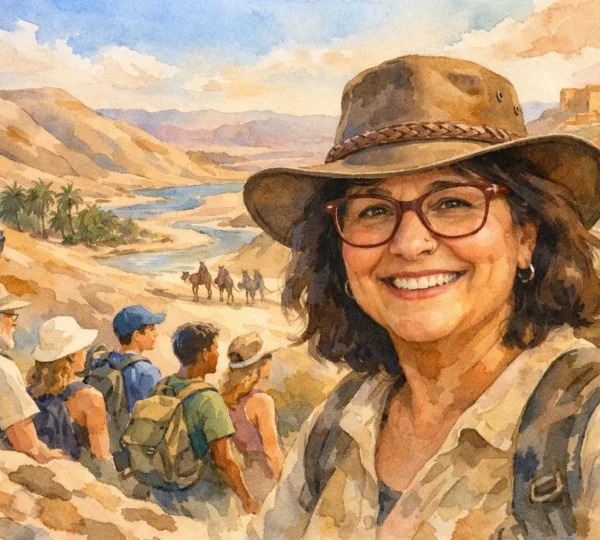
This is especially true for travelers who want to blend subjects. A water technology day can pair beautifully with culinary touring, rural encounters, desert landscapes, or meetings with people working in agriculture and innovation. When designed thoughtfully, it feels less like a niche specialty tour and more like a meaningful thread in a bigger journey.
Why this subject feels so different in Israel
Many countries can offer a museum, a utility tour, or a science center. What makes this topic different in Israel is how close the question of water is to daily life and national development. The scale is small enough that connections become visible, yet varied enough that you can see very different applications within a relatively compact trip.
You might discuss urban supply in the morning, stand in an agricultural setting by midday, and end the day with a wider conversation about innovation, environment, and resilience. Few subjects allow you to move so naturally between technology, landscape, and lived experience.
That is one reason these tours often surprise people. Guests may book them expecting a specialized technical day and come away feeling they have understood the country more deeply. When a tour is done well, the topic never stays narrow.
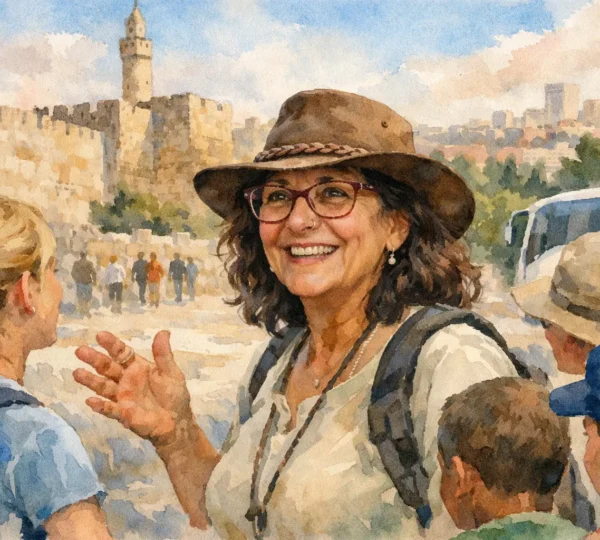
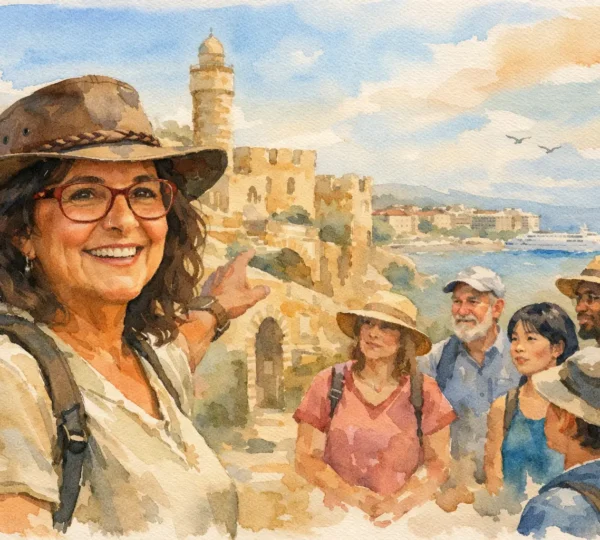
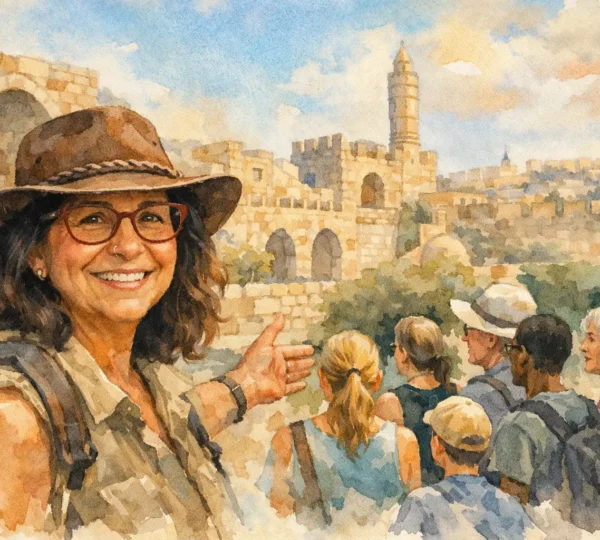
For travelers who want Israel beyond the usual postcard route, this is one of the smartest ways to spend a day. It is thoughtful, relevant, and grounded in real places and real people. And if you build it carefully with an experienced local guide such as Patchwork Israel, it can become one of those rare travel days that stays with you long after the trip ends.
If you are curious about how a country turns challenge into practice, water is an excellent place to start.

Water Technology Tours in Israel That Go Deeper
A water story in Israel is never just about pipes, pumps, or laboratories. It is about survival, creativity, agriculture, city planning, and the practical choices people make when every drop matters. That is what makes water technology tours in Israel so compelling for travelers who want more than a quick photo stop and a few facts from a brochure.
For some visitors, this kind of day fits naturally into a first trip. For others, especially those who have already seen Jerusalem, Masada, the Dead Sea, Jaffa, or Caesarea, it opens a completely different window into the country. You begin to see how landscapes, research, farming, and daily life connect. A good tour turns water from an abstract topic into something visible, local, and surprisingly personal.
Why water technology tours in Israel are worth your time
Israel is often mentioned in conversations about desalination, irrigation, wastewater reuse, and agricultural innovation. But hearing that in broad terms is not the same as seeing how these systems actually shape the country. A well-planned tour gives context. It helps you understand not only what has been built, but why it was built, what problems it solves, and where the limits still are.
That last part matters. The most interesting visits are not simple victory laps. Water innovation is impressive, but it also involves trade-offs. Desalination helps secure supply, yet it depends on energy and large infrastructure. Recycled water supports agriculture, but quality standards and end uses must be managed carefully. Precision irrigation can reduce waste, but it also depends on knowledge, maintenance, and the needs of each crop. If you are the kind of traveler who likes nuance, this topic rewards you.
It also works beautifully for mixed groups. One person may be fascinated by engineering, another by environmental questions, another by farming, and another simply by how a small country built practical answers to difficult conditions. Water ties those interests together.
What a strong Israel water technology day can include
The best itineraries are built around people and places, not just concepts. That usually means combining one or two serious content visits with time in the field, where you can actually see the wider picture.
A desalination-focused day may include a coastal perspective, discussion of how urban water supply has changed, and a look at how treated or desalinated water reaches different users. An agriculture-focused day might move into farming regions where irrigation methods, greenhouse growing, crop choices, and water efficiency become very concrete. If your group is more academic or professional, the day can include meetings with researchers, agricultural specialists, or others working in the sector.
This is where customization makes the difference. A business traveler with one free day needs a different pace than a family with teenagers, a faith-based group looking for a wider understanding of modern Israel, or return visitors who want behind-the-scenes access rather than a textbook introduction. Sometimes the most meaningful part of the day is not the facility itself, but the conversation with someone who works in the field.
From desalination to reuse
Many travelers arrive already knowing that desalination is a major part of Israel’s water story. It deserves attention, but it should not be the whole day. Desalination explains supply, yet reuse and distribution explain how water becomes part of everyday life.
Treated wastewater for agriculture is one of the most important pieces of the puzzle. When you connect that subject to actual farmland, orchards, vineyards, or greenhouse operations, it stops feeling technical and starts feeling real. You can see how water policy, engineering, and food production meet on the ground.
Irrigation as a window into the land
Irrigation visits are often among the most engaging because they blend technology with landscape. A conversation about drip irrigation sounds dry on paper, but standing in a cultivated area and seeing how growers adapt to terrain, crop type, and climate brings the topic alive.
This is also where a guide with wider geographical knowledge adds value. Water is not an isolated subject. It connects to regional development, food culture, desert agriculture, and the way different communities have learned to work with their environment.
Who enjoys these tours most
You do not need to be an engineer to enjoy a water-focused itinerary. In fact, many guests who end up loving these days are simply curious travelers who want to understand how a country functions beyond its headline sites.
These tours are a strong fit for people who have visited before and are looking for something fresh and intelligent. They also work well for educational groups, Jewish heritage travelers who want to pair ancient history with contemporary Israel, Catholic visitors with a broad interest in the land and its people, and professionals who want a half-day or full-day experience that feels substantial without being overly technical.
Families can enjoy them too, although the format matters. Younger children may do better with a shorter day that combines one water-related stop with hands-on agriculture, a nature walk, or a food experience. Adults and older teens often enjoy going deeper, especially if the itinerary includes real-world applications rather than only presentations.
The difference between a generic visit and a curated one
There is a big gap between visiting a site and understanding it. A generic tour can leave you with a handful of impressive statistics and not much else. A curated day connects the dots.
That connection may include geography, climate patterns, agriculture, urban growth, environmental planning, and the everyday realities that pushed innovation forward. It may also include the human side – the researcher, grower, planner, educator, or specialist who explains not just what works, but what still needs improvement.
With the right guide, the day can be shaped around your interests. If you are drawn to sustainability, the focus can lean there. If your group is fascinated by agri-tech, the itinerary can emphasize farming applications. If you want a broader picture of modern Israeli society through one practical lens, water is an excellent way in.
How to plan water technology tours in Israel well
The biggest mistake is trying to make this into a box-checking exercise. More stops do not automatically mean a better day. In fact, water-related touring is often strongest when the schedule is focused.
Choose depth over speed. One strong site visit, one conversation with a knowledgeable person, and one landscape-based stop can create a richer experience than racing between four unrelated locations. Some facilities also have access restrictions, visitor rules, or timing considerations, so advance planning matters more here than on a standard sightseeing day.
Season matters too. Agricultural visits can be excellent year-round, but what you actually see will vary by crop cycle and region. Summer can highlight irrigation and field conditions vividly, while cooler months may be more comfortable for combining technical visits with outdoor touring. If you are fitting this into a wider Israel trip, it helps to place the day where it complements your route rather than forcing a long detour.
This is especially true for travelers who want to blend subjects. A water technology day can pair beautifully with culinary touring, rural encounters, desert landscapes, or meetings with people working in agriculture and innovation. When designed thoughtfully, it feels less like a niche specialty tour and more like a meaningful thread in a bigger journey.
Why this subject feels so different in Israel
Many countries can offer a museum, a utility tour, or a science center. What makes this topic different in Israel is how close the question of water is to daily life and national development. The scale is small enough that connections become visible, yet varied enough that you can see very different applications within a relatively compact trip.
You might discuss urban supply in the morning, stand in an agricultural setting by midday, and end the day with a wider conversation about innovation, environment, and resilience. Few subjects allow you to move so naturally between technology, landscape, and lived experience.
That is one reason these tours often surprise people. Guests may book them expecting a specialized technical day and come away feeling they have understood the country more deeply. When a tour is done well, the topic never stays narrow.
For travelers who want Israel beyond the usual postcard route, this is one of the smartest ways to spend a day. It is thoughtful, relevant, and grounded in real places and real people. And if you build it carefully with an experienced local guide such as Patchwork Israel, it can become one of those rare travel days that stays with you long after the trip ends.
If you are curious about how a country turns challenge into practice, water is an excellent place to start.
Get the latest blog updates in your inbox.