
Israel Agri Tech Visits That Go Deeper
A greenhouse in the Negev can tell you as much about Israel as any famous skyline. Step inside and you are suddenly in a conversation about water, climate, food, ingenuity, and daily life. That is what makes Israel agri tech visits so compelling – they are not only about technology, but about people solving real problems under real conditions.
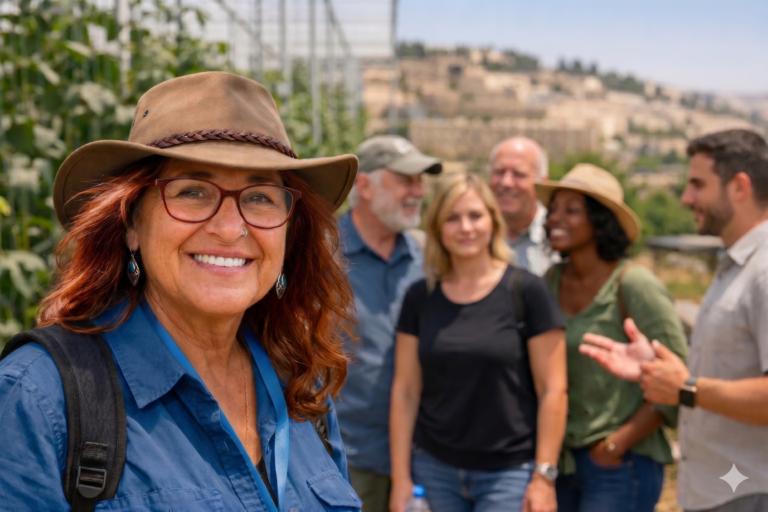
For many travelers, this kind of day becomes the unexpected highlight of a trip. It suits business visitors with limited time, returning travelers who have already seen the major landmarks, families with curious teens, and anyone who wants to understand Israel through what it builds and grows. Instead of standing at a distance and hearing a script, you are meeting growers, entrepreneurs, researchers, and field professionals where the work actually happens.
Why Israel agri tech visits feel different
Israel is small, which changes the rhythm of a visit. In one day, you can move from urban innovation to agricultural landscapes and still have time for a thoughtful conversation on site. The distances are manageable, but the contrasts are striking. A visit can include advanced irrigation systems, greenhouse cultivation, desert farming, dairy innovation, vineyard work, or research-based growing methods, depending on your interests.
What makes the experience memorable is that agriculture here is rarely presented as an abstract concept. You can see how limitations in land, water, and climate helped shape a culture of experimentation. That gives these visits a grounded quality. They are practical, often hands-on, and easy to connect to everyday concerns like food quality, sustainability, and resource management.
There is also a human side that matters. The best agri-tech encounters are not just presentations. They are conversations with people who live this work, from growers adapting to regional conditions to innovators testing systems that may later be used elsewhere in the world. For visitors who like meaningful travel, that personal access changes everything.
What an agri-tech day in Israel can include
There is no single model for Israel agri tech visits, and that is a strength. Some travelers want a compact half-day built around one excellent meeting. Others want a full day that combines several perspectives so the story feels complete.
A well-planned visit might begin at a farm or agricultural site, where the practical challenges become visible right away. Soil conditions, temperature, water use, labor needs, and crop selection all come into focus quickly when you are standing in the field or greenhouse. From there, it often makes sense to add a conversation with a startup, research center, or industry expert who can explain how specific technologies are developed and applied.
Sometimes the most rewarding version is not the most technical one. A traveler may think they want a heavy innovation program, then find that the strongest moment is speaking with a farmer who can explain what changed over the past decade and why. Another visitor may want to understand export crops, food security, or climate adaptation. It depends on whether your main interest is business, sustainability, education, or simply seeing a side of Israel that most tourists miss.
That is why personalized planning matters. A generic visit can feel like a corporate appointment. A customized one feels like travel with substance.
Different travelers, different priorities
Business travelers often want efficiency. If you are in Israel for meetings and only have a few open hours, an agri-tech visit can be shaped into a short and worthwhile program with one or two high-value encounters. You do not need a full week to get insight.
Families and multigenerational groups usually do better with variety. A day that mixes innovation with food, scenery, or a hands-on element tends to hold everyone’s attention. For teens and young adults, seeing technology applied to food production can feel far more immediate than a formal museum visit.
Returning visitors often appreciate depth over breadth. If Jerusalem, Masada, Caesarea, Jaffa, and Tel Aviv are already familiar, agri-tech offers another way into the country. It can be paired with a culinary stop, a regional drive, or a conversation with local professionals that adds texture to places you might otherwise pass through quickly.
What to expect on the ground
Most visitors are surprised by how varied these settings can be. Some sites are polished and presentation-ready. Others are working environments where things are busy, weather matters, and timing has to remain flexible. That is part of the appeal, but it is also why expectations should be realistic.
If you want highly technical access, planning ahead is essential. The right host, timing, and fit matter. Not every operation is set up for casual drop-ins, and not every excellent site is equally strong for every audience. Some are better for industry professionals. Others are ideal for travelers who want a clear, engaging introduction.
Seasonality also changes the experience. A greenhouse visit in one month may look very different a few months later. Harvest periods, planting cycles, and climate conditions affect what you will actually see. This is not a drawback. It simply means the best itinerary is built around what is genuinely happening during your dates.
The value of pairing agri-tech with the right region
Agri-tech works especially well when it is connected to the landscape around it. A visit in the south can open up conversations about desert conditions and adaptation. In other regions, the focus may shift toward orchards, vineyards, dairy, field crops, or controlled growing systems. The setting helps the story make sense.
This is where a guided, custom approach makes a difference. Instead of assembling random appointments, the day can flow naturally. You are not just checking off visits. You are understanding why this place, this method, and this person belong together.
That is often the difference between an interesting outing and a day people talk about long after they return home.
Who gets the most from these visits
You do not need an agricultural background to enjoy this kind of experience. Curiosity matters more than technical knowledge. Some travelers come because they work in food systems, sustainability, investment, education, or innovation. Others simply want something real and current alongside the classic sites.
These visits are also a strong fit for faith-based travelers, community groups, and educational travelers who want to broaden the story of Israel beyond the expected route. They offer a way to connect ancient landscapes with present-day creativity without forcing the experience into a textbook format.
For travelers who care about culture, agri-tech can also become an entry point into regional life. Farming is never only about production. It is tied to community, routine, land use, hospitality, and food. Add a meal, a market element, or a local conversation, and the day becomes richer without losing focus.
Why custom planning matters more here than almost anywhere
Agri-tech is one of those topics that sounds simple until you try to arrange it well. On paper, it seems enough to visit a farm and a company. In practice, the quality depends on relevance, pacing, and access.
The right day has to match your interests and your level. If you are a professional delegation, you may want technical depth and strategic conversations. If you are a couple or family, the visit should feel engaging without becoming overly specialized. If you are part of a group, logistics matter just as much as content.
A custom planner can also balance the day so it feels like travel, not work. There may be time for a scenic route, a strong lunch, a tasting, or another meaningful stop nearby. That softer layer is not a distraction. It helps the day breathe.
For travelers who want a more personal, expertly guided version of Israel, this is exactly where experience counts. A company like Patchwork Israel can shape Israel agri tech visits around the individual traveler rather than forcing the traveler into a fixed format. That approach is especially valuable when the goal is not only to see impressive things, but to come away understanding them.
A smarter way to add substance to an Israel trip
There are many ways to fill an itinerary in Israel. Some are iconic. Some are adventurous. Some are deeply spiritual. Agri-tech visits offer something a little different: a chance to see how creativity, necessity, landscape, and human effort meet in everyday life.
If that sounds more meaningful than another standard stop, it probably is. The best version is not the one with the most appointments. It is the one that fits your curiosity, your schedule, and the kind of story you want your trip to tell.
A well-chosen agri-tech day can leave you with more than information. It can give you a sharper, more personal sense of how Israel works when you look past the obvious and spend time where ideas are actually being put to the test.

Israel Agri Tech Visits That Go Deeper
A greenhouse in the Negev can tell you as much about Israel as any famous skyline. Step inside and you are suddenly in a conversation about water, climate, food, ingenuity, and daily life. That is what makes Israel agri tech visits so compelling – they are not only about technology, but about people solving real problems under real conditions.
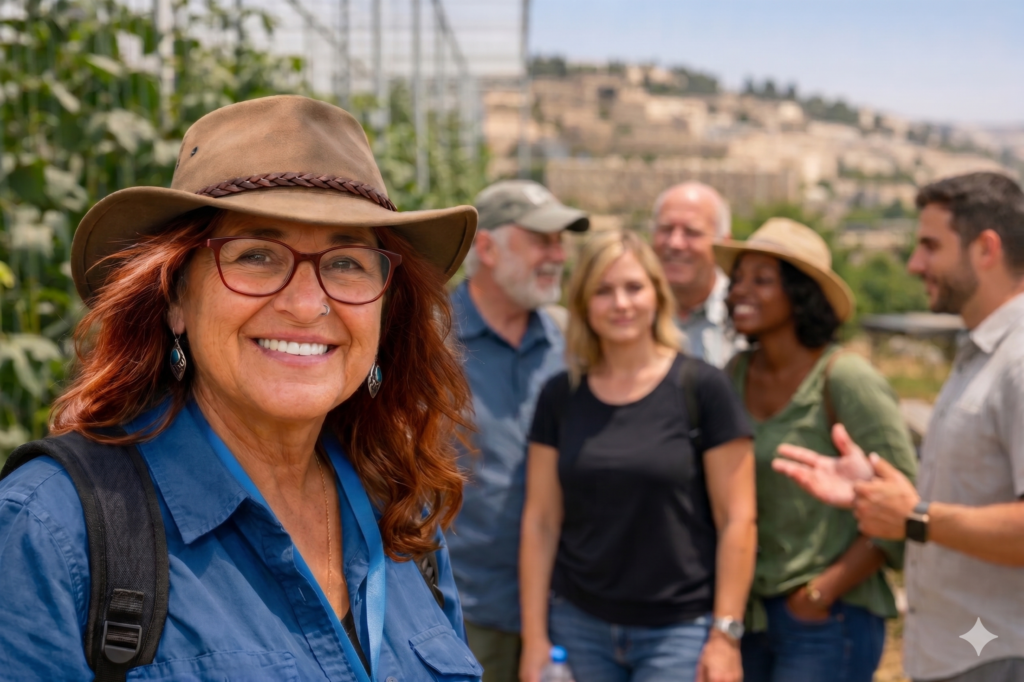
For many travelers, this kind of day becomes the unexpected highlight of a trip. It suits business visitors with limited time, returning travelers who have already seen the major landmarks, families with curious teens, and anyone who wants to understand Israel through what it builds and grows. Instead of standing at a distance and hearing a script, you are meeting growers, entrepreneurs, researchers, and field professionals where the work actually happens.
Why Israel agri tech visits feel different
Israel is small, which changes the rhythm of a visit. In one day, you can move from urban innovation to agricultural landscapes and still have time for a thoughtful conversation on site. The distances are manageable, but the contrasts are striking. A visit can include advanced irrigation systems, greenhouse cultivation, desert farming, dairy innovation, vineyard work, or research-based growing methods, depending on your interests.
What makes the experience memorable is that agriculture here is rarely presented as an abstract concept. You can see how limitations in land, water, and climate helped shape a culture of experimentation. That gives these visits a grounded quality. They are practical, often hands-on, and easy to connect to everyday concerns like food quality, sustainability, and resource management.
There is also a human side that matters. The best agri-tech encounters are not just presentations. They are conversations with people who live this work, from growers adapting to regional conditions to innovators testing systems that may later be used elsewhere in the world. For visitors who like meaningful travel, that personal access changes everything.
What an agri-tech day in Israel can include
There is no single model for Israel agri tech visits, and that is a strength. Some travelers want a compact half-day built around one excellent meeting. Others want a full day that combines several perspectives so the story feels complete.
A well-planned visit might begin at a farm or agricultural site, where the practical challenges become visible right away. Soil conditions, temperature, water use, labor needs, and crop selection all come into focus quickly when you are standing in the field or greenhouse. From there, it often makes sense to add a conversation with a startup, research center, or industry expert who can explain how specific technologies are developed and applied.
Sometimes the most rewarding version is not the most technical one. A traveler may think they want a heavy innovation program, then find that the strongest moment is speaking with a farmer who can explain what changed over the past decade and why. Another visitor may want to understand export crops, food security, or climate adaptation. It depends on whether your main interest is business, sustainability, education, or simply seeing a side of Israel that most tourists miss.
That is why personalized planning matters. A generic visit can feel like a corporate appointment. A customized one feels like travel with substance.
Different travelers, different priorities
Business travelers often want efficiency. If you are in Israel for meetings and only have a few open hours, an agri-tech visit can be shaped into a short and worthwhile program with one or two high-value encounters. You do not need a full week to get insight.
Families and multigenerational groups usually do better with variety. A day that mixes innovation with food, scenery, or a hands-on element tends to hold everyone’s attention. For teens and young adults, seeing technology applied to food production can feel far more immediate than a formal museum visit.
Returning visitors often appreciate depth over breadth. If Jerusalem, Masada, Caesarea, Jaffa, and Tel Aviv are already familiar, agri-tech offers another way into the country. It can be paired with a culinary stop, a regional drive, or a conversation with local professionals that adds texture to places you might otherwise pass through quickly.
What to expect on the ground
Most visitors are surprised by how varied these settings can be. Some sites are polished and presentation-ready. Others are working environments where things are busy, weather matters, and timing has to remain flexible. That is part of the appeal, but it is also why expectations should be realistic.
If you want highly technical access, planning ahead is essential. The right host, timing, and fit matter. Not every operation is set up for casual drop-ins, and not every excellent site is equally strong for every audience. Some are better for industry professionals. Others are ideal for travelers who want a clear, engaging introduction.
Seasonality also changes the experience. A greenhouse visit in one month may look very different a few months later. Harvest periods, planting cycles, and climate conditions affect what you will actually see. This is not a drawback. It simply means the best itinerary is built around what is genuinely happening during your dates.
The value of pairing agri-tech with the right region
Agri-tech works especially well when it is connected to the landscape around it. A visit in the south can open up conversations about desert conditions and adaptation. In other regions, the focus may shift toward orchards, vineyards, dairy, field crops, or controlled growing systems. The setting helps the story make sense.
This is where a guided, custom approach makes a difference. Instead of assembling random appointments, the day can flow naturally. You are not just checking off visits. You are understanding why this place, this method, and this person belong together.
That is often the difference between an interesting outing and a day people talk about long after they return home.
Who gets the most from these visits
You do not need an agricultural background to enjoy this kind of experience. Curiosity matters more than technical knowledge. Some travelers come because they work in food systems, sustainability, investment, education, or innovation. Others simply want something real and current alongside the classic sites.
These visits are also a strong fit for faith-based travelers, community groups, and educational travelers who want to broaden the story of Israel beyond the expected route. They offer a way to connect ancient landscapes with present-day creativity without forcing the experience into a textbook format.
For travelers who care about culture, agri-tech can also become an entry point into regional life. Farming is never only about production. It is tied to community, routine, land use, hospitality, and food. Add a meal, a market element, or a local conversation, and the day becomes richer without losing focus.
Why custom planning matters more here than almost anywhere
Agri-tech is one of those topics that sounds simple until you try to arrange it well. On paper, it seems enough to visit a farm and a company. In practice, the quality depends on relevance, pacing, and access.
The right day has to match your interests and your level. If you are a professional delegation, you may want technical depth and strategic conversations. If you are a couple or family, the visit should feel engaging without becoming overly specialized. If you are part of a group, logistics matter just as much as content.
A custom planner can also balance the day so it feels like travel, not work. There may be time for a scenic route, a strong lunch, a tasting, or another meaningful stop nearby. That softer layer is not a distraction. It helps the day breathe.
For travelers who want a more personal, expertly guided version of Israel, this is exactly where experience counts. A company like Patchwork Israel can shape Israel agri tech visits around the individual traveler rather than forcing the traveler into a fixed format. That approach is especially valuable when the goal is not only to see impressive things, but to come away understanding them.
A smarter way to add substance to an Israel trip
There are many ways to fill an itinerary in Israel. Some are iconic. Some are adventurous. Some are deeply spiritual. Agri-tech visits offer something a little different: a chance to see how creativity, necessity, landscape, and human effort meet in everyday life.
If that sounds more meaningful than another standard stop, it probably is. The best version is not the one with the most appointments. It is the one that fits your curiosity, your schedule, and the kind of story you want your trip to tell.
A well-chosen agri-tech day can leave you with more than information. It can give you a sharper, more personal sense of how Israel works when you look past the obvious and spend time where ideas are actually being put to the test.




Get the latest blog updates in your inbox.