
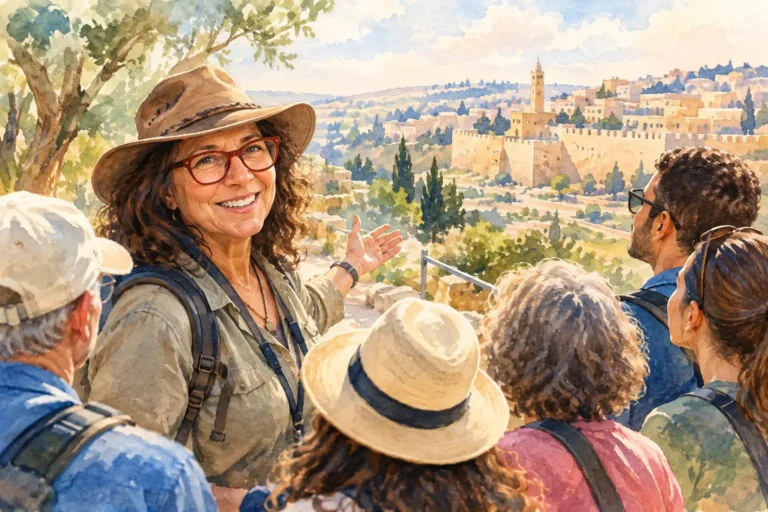
How to Tour Israel Seasonally With Purpose
Israel can offer wildflowers and cool walking weather one month, beach heat and desert dawns the next, then green hills and rushing streams after winter rain. Knowing how to tour Israel seasonally is not about finding one perfect month. It is about choosing the version of the country that best fits your pace, interests, comfort level, and the memories you hope to bring home.
A private itinerary makes that choice much easier. Rather than pushing through a fixed list of sights in weather that does not suit you, you can shape each day around the season – lingering in Jerusalem’s stone lanes, heading north for a hike, arranging a culinary visit, or taking a 4×4 route into the open desert when the conditions are right.
How to Tour Israel Seasonally: Begin With Your Priorities
Before choosing dates, decide what matters most. If your trip is centered on heritage, faith, archaeology, and city life, almost every season can work beautifully with thoughtful timing. If you want long hikes, desert adventures, swimming, or outdoor family activities, weather becomes a much bigger part of the plan.
Crowds matter, too. School breaks, major holidays, and popular travel windows can bring a livelier atmosphere and more demand for hotels, restaurants, and guides. That can be wonderful for travelers who enjoy the energy of a busy country. For others, quieter dates and earlier starts create more room to absorb a place.
A well-designed seasonal tour also respects the rhythm of the week. Some businesses, markets, museums, and transportation options operate differently from late Friday through Saturday, while certain neighborhoods become especially atmospheric. This is not a reason to avoid those days. It is a reason to plan them intentionally, perhaps with a walk, a relaxed meal, a scenic drive, or an experience arranged in advance.
Spring: Green Trails, Flowers, and Active Days
Spring is often the easiest season for travelers who want variety. From roughly March through May, the landscape can be green, fields may be bright with wildflowers, and hiking conditions are generally more comfortable than in midsummer. It is a particularly appealing time for combining Jerusalem and Tel Aviv with the Galilee, the Golan, coastal ruins, or the Negev.
This is the season for travelers who picture themselves walking rather than simply looking. A morning trail above the Sea of Galilee, a visit to an archaeological site before lunch, and an afternoon tasting or hands-on workshop can all fit naturally into one day. Families and multigenerational groups often appreciate spring because there is room for both active and relaxed experiences.
Spring is also popular, so flexibility helps. A private guide can start early at an iconic site, then shift to a quieter village, a farm visit, a hidden overlook, or an intimate food experience when the busiest hours arrive. The goal is not to avoid the classics. It is to give them context and balance.
The trade-off is that spring weather can be variable. A warm afternoon, a cool evening, and an occasional rainy day are all possible. Pack layers, proper walking shoes, sun protection, and a light rain layer. Those simple choices keep an active day enjoyable.
Summer: Plan Around the Sun, Not Against It
Summer brings bright skies, long days, warm Mediterranean water, and a lively outdoor feeling. It is an excellent time for coastal experiences in Jaffa and Tel Aviv, early-morning explorations of Masada, evenings in Jerusalem, sailing, snorkeling, family activities, and culinary tours after the heat eases.
The key is honest pacing. Summer is not the best time to schedule a long, exposed hike at midday or spend hours crossing the desert without shade and water. Yet it can be a terrific season for the desert when approached properly. Start before sunrise, choose shorter walks with dramatic views, add a shaded stop, and let a 4×4 route carry you deeper into landscapes that would be difficult to reach on foot.
For travelers with only a few business days free, summer can work especially well when the itinerary is concentrated. A meaningful half-day in Jerusalem, an evening food walk, a private visit with a local expert, or a sunrise desert excursion can feel far more memorable than rushing between major sites in the hottest part of the day.
Choose accommodations with a location that supports your plans, not merely a prestigious address. Being able to walk to dinner, return for an afternoon rest, or avoid a long drive in the heat changes the entire experience. Summer rewards smart logistics.
Fall: Warm Water, Harvest Flavors, and a Softer Pace
Fall, especially from late September through November, has a special balance. The sea remains inviting, summer’s sharpest heat begins to fade, and city streets take on a more comfortable rhythm. It is a strong choice for couples, first-time visitors, and returning travelers who want to combine classic highlights with less familiar places.
Food becomes a particularly natural thread in a fall itinerary. Seasonal produce, wine-country visits, cooking sessions, bakery stops, and conversations with growers or culinary professionals add texture to the historical story of the land. A tour can move from Caesarea’s ancient harbor to a family-style meal or from a Jerusalem neighborhood walk to a kitchen where recipes carry personal history.
Fall dates require attention to the holiday calendar. At certain times, hotel availability can tighten and the character of cities changes. For many visitors, that is precisely the appeal: the chance to feel the country’s living traditions rather than viewing them from a distance. For travelers seeking a quieter visit, dates can be adjusted while preserving the same destinations and themes.
Winter: Green Israel and Deeper Indoor Stories
Winter is Israel’s most underestimated travel season. Between December and February, rain is possible, temperatures vary by region, and a flexible itinerary is essential. In return, you may find greener landscapes, clearer light, fewer visitors at some sites, and a more reflective feel in cities and small communities.
Winter is ideal for travelers who value depth over nonstop outdoor activity. Jerusalem’s museums, archaeological layers, markets, religious sites, and distinctive neighborhoods can fill a day even when rain passes through. A private visit, a conversation with an artist or historian, a mosaic workshop, a cooking class, or a tasting experience can turn a wet afternoon into one of the trip’s warmest memories.
When the weather cooperates, winter also brings striking outdoor opportunities. Northern hills can be lush, streams may be flowing, and the desert often feels pleasantly cool for walking. Conditions can change quickly after rain, however. Trails, road access, and stream crossings should be selected with current local knowledge rather than assumptions made weeks earlier.
For visitors who have already seen the major landmarks, winter is a wonderful time to slow down. Instead of repeating a checklist, build a journey around one question: What part of Israel have you not yet had the chance to understand? The answer might lead to architecture, agriculture, contemporary innovation, music, food, or a community encounter that is not found in a standard group itinerary.
Let the Season Shape Each Day, Not Limit It
The best seasonal itinerary is rarely confined to one region. Israel’s geography is compact enough to create options. A hot coastal afternoon may call for a late museum visit and dinner by the sea. A chilly Jerusalem morning may be followed by a sunnier desert afternoon. In winter, a forecast can suggest swapping a hike for a cultural visit, then returning outdoors the following day.
That flexibility is where a knowledgeable private guide adds real value. At Patchwork Israel, a personalized route can pair the well-known places you came to see with hidden gems that make the trip feel distinctly yours. It might mean choosing a forest track over a crowded viewpoint, arranging a meaningful meeting instead of another museum, or finding the right hour for a sacred site when it is quiet enough to truly take in.
Pack for range rather than for averages. Comfortable shoes are useful year-round. Spring and winter call for layers, summer calls for sun protection and a refillable water bottle, and fall benefits from both light clothes and an extra layer for evening. Most of all, leave a little open space in the schedule. Israel is full of worthwhile detours.
Choose your season with care, then allow the country to surprise you. The right day may not be the one you planned most tightly, but the one that gives you time to listen, taste, walk, and see beyond the obvious.

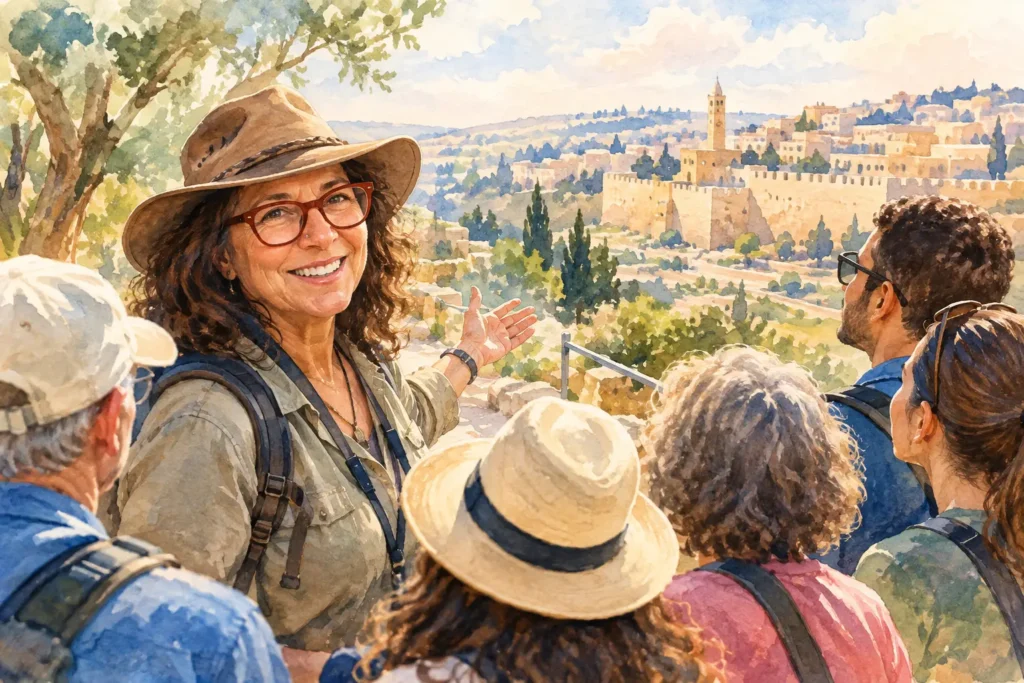
How to Tour Israel Seasonally With Purpose
Israel can offer wildflowers and cool walking weather one month, beach heat and desert dawns the next, then green hills and rushing streams after winter rain. Knowing how to tour Israel seasonally is not about finding one perfect month. It is about choosing the version of the country that best fits your pace, interests, comfort level, and the memories you hope to bring home.
A private itinerary makes that choice much easier. Rather than pushing through a fixed list of sights in weather that does not suit you, you can shape each day around the season – lingering in Jerusalem’s stone lanes, heading north for a hike, arranging a culinary visit, or taking a 4×4 route into the open desert when the conditions are right.
How to Tour Israel Seasonally: Begin With Your Priorities
Before choosing dates, decide what matters most. If your trip is centered on heritage, faith, archaeology, and city life, almost every season can work beautifully with thoughtful timing. If you want long hikes, desert adventures, swimming, or outdoor family activities, weather becomes a much bigger part of the plan.
Crowds matter, too. School breaks, major holidays, and popular travel windows can bring a livelier atmosphere and more demand for hotels, restaurants, and guides. That can be wonderful for travelers who enjoy the energy of a busy country. For others, quieter dates and earlier starts create more room to absorb a place.
A well-designed seasonal tour also respects the rhythm of the week. Some businesses, markets, museums, and transportation options operate differently from late Friday through Saturday, while certain neighborhoods become especially atmospheric. This is not a reason to avoid those days. It is a reason to plan them intentionally, perhaps with a walk, a relaxed meal, a scenic drive, or an experience arranged in advance.
Spring: Green Trails, Flowers, and Active Days
Spring is often the easiest season for travelers who want variety. From roughly March through May, the landscape can be green, fields may be bright with wildflowers, and hiking conditions are generally more comfortable than in midsummer. It is a particularly appealing time for combining Jerusalem and Tel Aviv with the Galilee, the Golan, coastal ruins, or the Negev.
This is the season for travelers who picture themselves walking rather than simply looking. A morning trail above the Sea of Galilee, a visit to an archaeological site before lunch, and an afternoon tasting or hands-on workshop can all fit naturally into one day. Families and multigenerational groups often appreciate spring because there is room for both active and relaxed experiences.
Spring is also popular, so flexibility helps. A private guide can start early at an iconic site, then shift to a quieter village, a farm visit, a hidden overlook, or an intimate food experience when the busiest hours arrive. The goal is not to avoid the classics. It is to give them context and balance.
The trade-off is that spring weather can be variable. A warm afternoon, a cool evening, and an occasional rainy day are all possible. Pack layers, proper walking shoes, sun protection, and a light rain layer. Those simple choices keep an active day enjoyable.
Summer: Plan Around the Sun, Not Against It
Summer brings bright skies, long days, warm Mediterranean water, and a lively outdoor feeling. It is an excellent time for coastal experiences in Jaffa and Tel Aviv, early-morning explorations of Masada, evenings in Jerusalem, sailing, snorkeling, family activities, and culinary tours after the heat eases.
The key is honest pacing. Summer is not the best time to schedule a long, exposed hike at midday or spend hours crossing the desert without shade and water. Yet it can be a terrific season for the desert when approached properly. Start before sunrise, choose shorter walks with dramatic views, add a shaded stop, and let a 4×4 route carry you deeper into landscapes that would be difficult to reach on foot.
For travelers with only a few business days free, summer can work especially well when the itinerary is concentrated. A meaningful half-day in Jerusalem, an evening food walk, a private visit with a local expert, or a sunrise desert excursion can feel far more memorable than rushing between major sites in the hottest part of the day.
Choose accommodations with a location that supports your plans, not merely a prestigious address. Being able to walk to dinner, return for an afternoon rest, or avoid a long drive in the heat changes the entire experience. Summer rewards smart logistics.
Fall: Warm Water, Harvest Flavors, and a Softer Pace
Fall, especially from late September through November, has a special balance. The sea remains inviting, summer’s sharpest heat begins to fade, and city streets take on a more comfortable rhythm. It is a strong choice for couples, first-time visitors, and returning travelers who want to combine classic highlights with less familiar places.
Food becomes a particularly natural thread in a fall itinerary. Seasonal produce, wine-country visits, cooking sessions, bakery stops, and conversations with growers or culinary professionals add texture to the historical story of the land. A tour can move from Caesarea’s ancient harbor to a family-style meal or from a Jerusalem neighborhood walk to a kitchen where recipes carry personal history.
Fall dates require attention to the holiday calendar. At certain times, hotel availability can tighten and the character of cities changes. For many visitors, that is precisely the appeal: the chance to feel the country’s living traditions rather than viewing them from a distance. For travelers seeking a quieter visit, dates can be adjusted while preserving the same destinations and themes.
Winter: Green Israel and Deeper Indoor Stories
Winter is Israel’s most underestimated travel season. Between December and February, rain is possible, temperatures vary by region, and a flexible itinerary is essential. In return, you may find greener landscapes, clearer light, fewer visitors at some sites, and a more reflective feel in cities and small communities.
Winter is ideal for travelers who value depth over nonstop outdoor activity. Jerusalem’s museums, archaeological layers, markets, religious sites, and distinctive neighborhoods can fill a day even when rain passes through. A private visit, a conversation with an artist or historian, a mosaic workshop, a cooking class, or a tasting experience can turn a wet afternoon into one of the trip’s warmest memories.
When the weather cooperates, winter also brings striking outdoor opportunities. Northern hills can be lush, streams may be flowing, and the desert often feels pleasantly cool for walking. Conditions can change quickly after rain, however. Trails, road access, and stream crossings should be selected with current local knowledge rather than assumptions made weeks earlier.
For visitors who have already seen the major landmarks, winter is a wonderful time to slow down. Instead of repeating a checklist, build a journey around one question: What part of Israel have you not yet had the chance to understand? The answer might lead to architecture, agriculture, contemporary innovation, music, food, or a community encounter that is not found in a standard group itinerary.
Let the Season Shape Each Day, Not Limit It
The best seasonal itinerary is rarely confined to one region. Israel’s geography is compact enough to create options. A hot coastal afternoon may call for a late museum visit and dinner by the sea. A chilly Jerusalem morning may be followed by a sunnier desert afternoon. In winter, a forecast can suggest swapping a hike for a cultural visit, then returning outdoors the following day.
That flexibility is where a knowledgeable private guide adds real value. At Patchwork Israel, a personalized route can pair the well-known places you came to see with hidden gems that make the trip feel distinctly yours. It might mean choosing a forest track over a crowded viewpoint, arranging a meaningful meeting instead of another museum, or finding the right hour for a sacred site when it is quiet enough to truly take in.
Pack for range rather than for averages. Comfortable shoes are useful year-round. Spring and winter call for layers, summer calls for sun protection and a refillable water bottle, and fall benefits from both light clothes and an extra layer for evening. Most of all, leave a little open space in the schedule. Israel is full of worthwhile detours.
Choose your season with care, then allow the country to surprise you. The right day may not be the one you planned most tightly, but the one that gives you time to listen, taste, walk, and see beyond the obvious.

Get the latest blog updates in your inbox.