
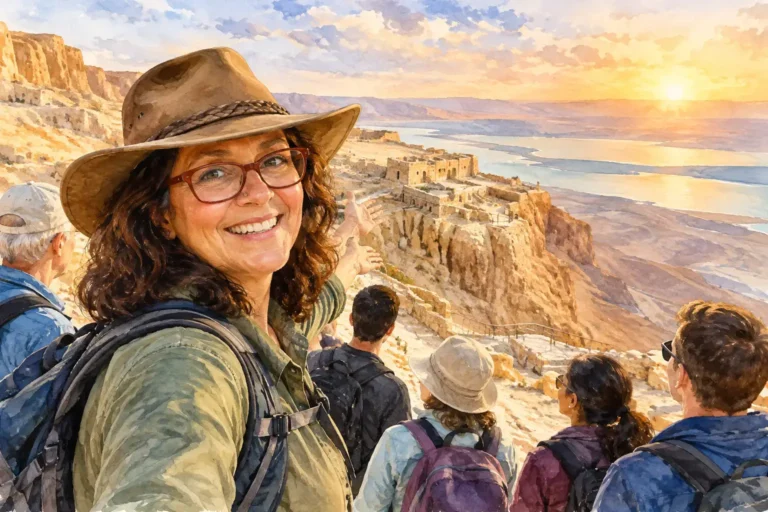
Best Time to Visit Masada for Weather and Sunrise
Masada is not a site to squeeze between breakfast and lunch. It rises above the Judean Desert in dramatic isolation, with a story that becomes more powerful when you can feel the scale of the cliffs, the heat, and the vast Dead Sea below. The best time to visit Masada depends on whether your priority is a sunrise hike, comfortable weather, lighter crowds, or pairing the fortress with a relaxed Dead Sea experience.
For most travelers, spring and fall offer the best balance. But a well-planned visit can be deeply rewarding in every season, especially when the day is shaped around your pace, interests, and ability level.
The best months to visit Masada
The most comfortable overall windows are March through April and October through November. During these months, daytime temperatures are usually more pleasant for walking around the mountaintop, while mornings remain cool enough for a hike up the Snake Path.
Spring brings clear desert light, occasional wildflowers in the surrounding landscape, and warmer temperatures without the intensity of midsummer. It is an excellent choice for families, heritage travelers, and anyone who wants time to explore the storerooms, bathhouse, synagogue, water systems, and palaces without rushing toward shade.
Autumn has a different beauty. The desert begins to lose its summer glare, the Dead Sea feels inviting, and the air often has a clean clarity that makes the views from Masada especially striking. October can still be quite warm at midday, so an early start remains wise. By November, hiking conditions are often ideal.
These popular seasons also draw more visitors, particularly around school breaks and major holidays. That does not mean Masada will feel overcrowded all day. It means timing matters. Arriving early, choosing a weekday when possible, or entering by cable car after the first rush can transform the experience.
Sunrise at Masada: memorable, but not for everyone
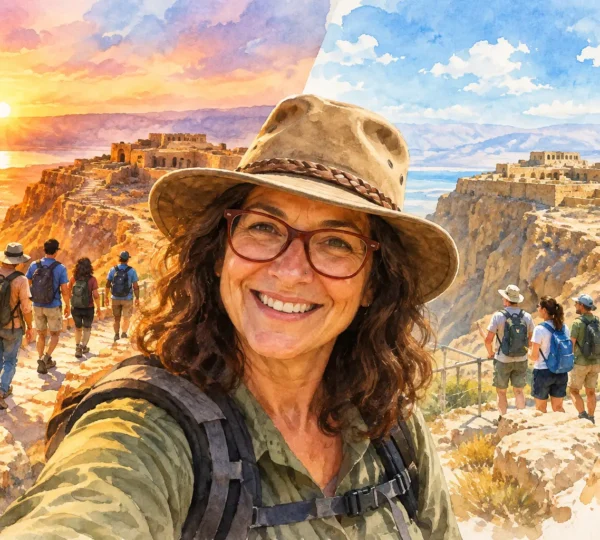
A Masada sunrise is deservedly famous. Hiking the Snake Path in darkness, then watching the desert shift from violet to gold, can be one of the defining moments of an Israel trip. It is especially meaningful for travelers drawn to the human story of the mountain: a palace-fortress built by Herod, later associated with an extraordinary final chapter in Jewish history.
The trade-off is simple: sunrise requires an early wake-up, a sustained uphill walk, and readiness for desert conditions. The Snake Path is steep and exposed. It is not technical climbing, but it demands secure footwear, water, a flashlight or headlamp, and a realistic assessment of everyone in your group. In warmer months, the hike must begin very early to finish before the heat builds.
For some visitors, sunrise is perfect. For others, the best Masada experience starts after breakfast. The cable car offers a comfortable ascent and leaves more energy for the site itself. You can still enjoy magnificent morning light, quieter corners of the fortress, and a meaningful explanation of what happened here without turning the day into an athletic challenge.
A private itinerary can also use the Roman Ramp approach, which is shorter and gentler than the Snake Path. It does not offer the same classic sunrise hike, but it suits travelers who want to walk into Masada while keeping the physical demand manageable.
What sunrise hikers should bring
Desert conditions change quickly between pre-dawn and midmorning. Wear closed-toe shoes with grip, carry more water than you think you need, and bring a light layer for the cooler start. A hat and sunscreen become essential as soon as the sun rises. Do not rely on the idea that an early morning automatically means cool weather, particularly from late spring through early fall.
Visiting Masada in summer
Summer at Masada is hot, bright, and uncompromising. From June through September, daytime desert temperatures can become extreme, especially around midday. This is not the season for a leisurely late-morning Snake Path hike or extended outdoor wandering without a plan.
Yet summer can work beautifully for travelers who organize the day intelligently. Start before sunrise for a hike, or take the first available cable car after opening. Explore the summit early, then continue to the Dead Sea, where a float and shaded break can provide welcome relief. Alternatively, combine Masada with an air-conditioned museum visit, a relaxed lunch, or a later-afternoon desert drive when the light softens.
Summer is often a practical choice for families traveling during school vacation and for business travelers with only a short free day. The key is not to fight the desert schedule. Give Masada the morning and save less exposed activities for later.
Winter at Masada: quiet, atmospheric, and changeable
Winter, roughly December through February, is often overlooked. On a crisp, sunny day, it can be one of the loveliest times to be at Masada. The air is cooler, hiking is more comfortable, and the desert landscape can feel unexpectedly green after rain.
Winter also brings variables. Rain is infrequent in the desert, but when it comes, it can be dramatic. Flash-flood conditions may affect nearby roads and hiking routes, while strong winds can make the exposed summit feel quite cold. The cable car and site operations can also be affected by weather, so current opening hours and conditions should always be checked close to your visit.
If your schedule is flexible, winter rewards you with a quieter, more contemplative Masada. This is a wonderful season for travelers who care less about a classic sunrise photo and more about taking their time with the archaeology, the desert silence, and the views across the Dead Sea.
When are crowds lightest?
The quietest feeling at Masada is usually found early in the morning, before larger tour groups arrive, or later in the afternoon when the heat and long drive discourage lingering. Weekdays are generally calmer than weekends, though holiday periods can change the pattern.
If you are visiting during a busy travel season, do not assume you need to abandon Masada. Instead, adjust the rhythm. Begin with an early ascent, explore areas beyond the main viewing points, and avoid trying to cover every corner at the same pace. The summit is large enough to reward curiosity. The northern palace terraces, the ingenious water system, the Roman siege landscape, and the small details of daily life all deserve attention.
A guide can make a substantial difference here. Masada is visually impressive on its own, but its meaning is found in the connections: why Herod chose this mountaintop, how water was collected in such a dry place, how Roman camps remain visible in the desert, and why the site continues to resonate with so many visitors.
Pairing Masada with the Dead Sea
Masada and the Dead Sea belong together, but the order should reflect the season. In spring and fall, an early Masada visit followed by a late morning or early afternoon Dead Sea stop often works well. In summer, make Masada the very first priority and keep the Dead Sea portion flexible, shaded, and unhurried.
In winter, the Dead Sea can still be enjoyable on a mild day, though the experience is less predictable than during warmer months. Some travelers prefer to pair Masada with a desert overlook, a short nature walk, or a scenic drive instead. The right choice depends on whether your ideal day is active, reflective, family-friendly, or centered on relaxation.
This is where a personalized route becomes more valuable than a standard checklist. A strong Masada day might include sunrise hiking and breakfast by the Dead Sea, or a cable-car ascent with archaeology, desert scenery, and a calm afternoon float. For returning visitors, it can also open the door to lesser-known desert landscapes and stories beyond the fortress itself.
Plan for your energy, not just the calendar
The best time to visit Masada is ultimately the time that lets you be present once you get there. A determined hiker may treasure a pre-dawn climb in April. A multigenerational family may have a far better day arriving by cable car in November. A traveler visiting in July can still have an exceptional experience by respecting the early desert hours.
Masada asks for a little planning, then gives back a rare sense of place. With the right timing, enough water, and an itinerary that leaves room to absorb the view, the mountain becomes more than a famous stop. It becomes a day you will keep replaying long after the desert dust is off your shoes.
Patchwork Israel can shape a Masada day around the way you travel, whether that means a sunrise hike, a comfortable cultural visit, or a wider desert adventure that feels entirely your own.

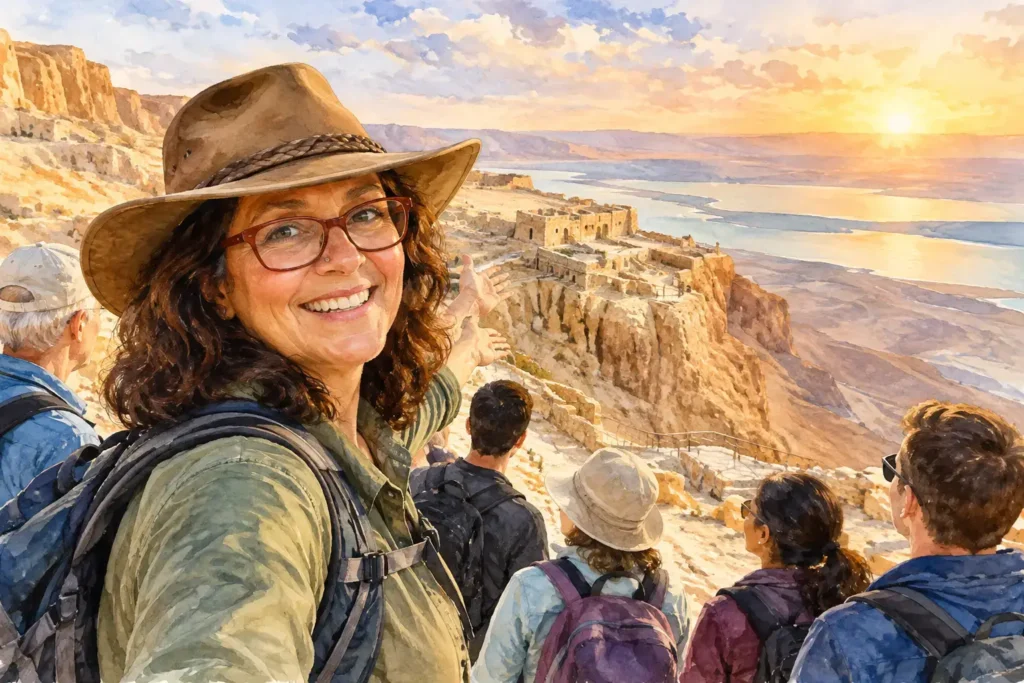
Best Time to Visit Masada for Weather and Sunrise
Masada is not a site to squeeze between breakfast and lunch. It rises above the Judean Desert in dramatic isolation, with a story that becomes more powerful when you can feel the scale of the cliffs, the heat, and the vast Dead Sea below. The best time to visit Masada depends on whether your priority is a sunrise hike, comfortable weather, lighter crowds, or pairing the fortress with a relaxed Dead Sea experience.
For most travelers, spring and fall offer the best balance. But a well-planned visit can be deeply rewarding in every season, especially when the day is shaped around your pace, interests, and ability level.
The best months to visit Masada
The most comfortable overall windows are March through April and October through November. During these months, daytime temperatures are usually more pleasant for walking around the mountaintop, while mornings remain cool enough for a hike up the Snake Path.
Spring brings clear desert light, occasional wildflowers in the surrounding landscape, and warmer temperatures without the intensity of midsummer. It is an excellent choice for families, heritage travelers, and anyone who wants time to explore the storerooms, bathhouse, synagogue, water systems, and palaces without rushing toward shade.
Autumn has a different beauty. The desert begins to lose its summer glare, the Dead Sea feels inviting, and the air often has a clean clarity that makes the views from Masada especially striking. October can still be quite warm at midday, so an early start remains wise. By November, hiking conditions are often ideal.
These popular seasons also draw more visitors, particularly around school breaks and major holidays. That does not mean Masada will feel overcrowded all day. It means timing matters. Arriving early, choosing a weekday when possible, or entering by cable car after the first rush can transform the experience.
Sunrise at Masada: memorable, but not for everyone
A Masada sunrise is deservedly famous. Hiking the Snake Path in darkness, then watching the desert shift from violet to gold, can be one of the defining moments of an Israel trip. It is especially meaningful for travelers drawn to the human story of the mountain: a palace-fortress built by Herod, later associated with an extraordinary final chapter in Jewish history.
The trade-off is simple: sunrise requires an early wake-up, a sustained uphill walk, and readiness for desert conditions. The Snake Path is steep and exposed. It is not technical climbing, but it demands secure footwear, water, a flashlight or headlamp, and a realistic assessment of everyone in your group. In warmer months, the hike must begin very early to finish before the heat builds.
For some visitors, sunrise is perfect. For others, the best Masada experience starts after breakfast. The cable car offers a comfortable ascent and leaves more energy for the site itself. You can still enjoy magnificent morning light, quieter corners of the fortress, and a meaningful explanation of what happened here without turning the day into an athletic challenge.
A private itinerary can also use the Roman Ramp approach, which is shorter and gentler than the Snake Path. It does not offer the same classic sunrise hike, but it suits travelers who want to walk into Masada while keeping the physical demand manageable.
What sunrise hikers should bring
Desert conditions change quickly between pre-dawn and midmorning. Wear closed-toe shoes with grip, carry more water than you think you need, and bring a light layer for the cooler start. A hat and sunscreen become essential as soon as the sun rises. Do not rely on the idea that an early morning automatically means cool weather, particularly from late spring through early fall.
Visiting Masada in summer
Summer at Masada is hot, bright, and uncompromising. From June through September, daytime desert temperatures can become extreme, especially around midday. This is not the season for a leisurely late-morning Snake Path hike or extended outdoor wandering without a plan.
Yet summer can work beautifully for travelers who organize the day intelligently. Start before sunrise for a hike, or take the first available cable car after opening. Explore the summit early, then continue to the Dead Sea, where a float and shaded break can provide welcome relief. Alternatively, combine Masada with an air-conditioned museum visit, a relaxed lunch, or a later-afternoon desert drive when the light softens.
Summer is often a practical choice for families traveling during school vacation and for business travelers with only a short free day. The key is not to fight the desert schedule. Give Masada the morning and save less exposed activities for later.
Winter at Masada: quiet, atmospheric, and changeable
Winter, roughly December through February, is often overlooked. On a crisp, sunny day, it can be one of the loveliest times to be at Masada. The air is cooler, hiking is more comfortable, and the desert landscape can feel unexpectedly green after rain.
Winter also brings variables. Rain is infrequent in the desert, but when it comes, it can be dramatic. Flash-flood conditions may affect nearby roads and hiking routes, while strong winds can make the exposed summit feel quite cold. The cable car and site operations can also be affected by weather, so current opening hours and conditions should always be checked close to your visit.
If your schedule is flexible, winter rewards you with a quieter, more contemplative Masada. This is a wonderful season for travelers who care less about a classic sunrise photo and more about taking their time with the archaeology, the desert silence, and the views across the Dead Sea.
When are crowds lightest?
The quietest feeling at Masada is usually found early in the morning, before larger tour groups arrive, or later in the afternoon when the heat and long drive discourage lingering. Weekdays are generally calmer than weekends, though holiday periods can change the pattern.
If you are visiting during a busy travel season, do not assume you need to abandon Masada. Instead, adjust the rhythm. Begin with an early ascent, explore areas beyond the main viewing points, and avoid trying to cover every corner at the same pace. The summit is large enough to reward curiosity. The northern palace terraces, the ingenious water system, the Roman siege landscape, and the small details of daily life all deserve attention.
A guide can make a substantial difference here. Masada is visually impressive on its own, but its meaning is found in the connections: why Herod chose this mountaintop, how water was collected in such a dry place, how Roman camps remain visible in the desert, and why the site continues to resonate with so many visitors.
Pairing Masada with the Dead Sea
Masada and the Dead Sea belong together, but the order should reflect the season. In spring and fall, an early Masada visit followed by a late morning or early afternoon Dead Sea stop often works well. In summer, make Masada the very first priority and keep the Dead Sea portion flexible, shaded, and unhurried.
In winter, the Dead Sea can still be enjoyable on a mild day, though the experience is less predictable than during warmer months. Some travelers prefer to pair Masada with a desert overlook, a short nature walk, or a scenic drive instead. The right choice depends on whether your ideal day is active, reflective, family-friendly, or centered on relaxation.
This is where a personalized route becomes more valuable than a standard checklist. A strong Masada day might include sunrise hiking and breakfast by the Dead Sea, or a cable-car ascent with archaeology, desert scenery, and a calm afternoon float. For returning visitors, it can also open the door to lesser-known desert landscapes and stories beyond the fortress itself.
Plan for your energy, not just the calendar
The best time to visit Masada is ultimately the time that lets you be present once you get there. A determined hiker may treasure a pre-dawn climb in April. A multigenerational family may have a far better day arriving by cable car in November. A traveler visiting in July can still have an exceptional experience by respecting the early desert hours.
Masada asks for a little planning, then gives back a rare sense of place. With the right timing, enough water, and an itinerary that leaves room to absorb the view, the mountain becomes more than a famous stop. It becomes a day you will keep replaying long after the desert dust is off your shoes.
Patchwork Israel can shape a Masada day around the way you travel, whether that means a sunrise hike, a comfortable cultural visit, or a wider desert adventure that feels entirely your own.



Get the latest blog updates in your inbox.