
Masada Sunrise Tours Worth the Early Wake-Up
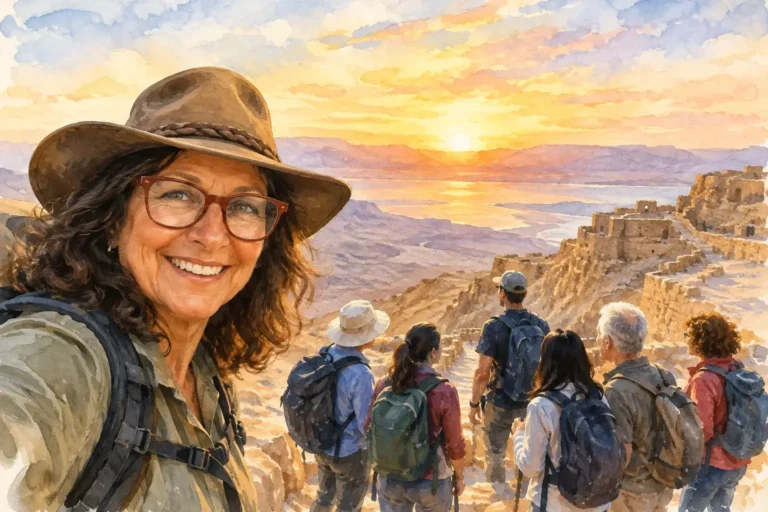
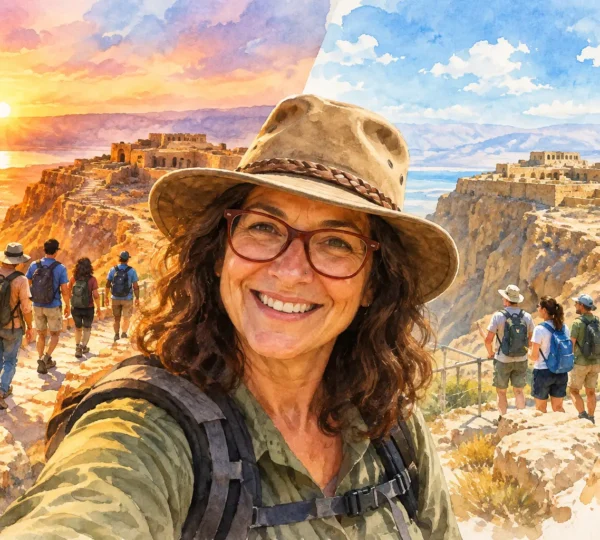
At 4:30 in the morning, the desert is still holding onto the night. Then a thin line of light appears beyond the mountains of Moab, the cliffs around Masada soften from black to rose, and the Dead Sea begins to shine below. That is the moment people travel for when they choose Masada sunrise tours. It is not simply about arriving at a famous fortress before the crowds. It is about experiencing a place where landscape, history, effort, and quiet come together.
The early alarm is real, especially if you are staying in Jerusalem or Tel Aviv. But for many travelers, this is one of the few days on an Israel itinerary that feels entirely different from the pace of cities, museums, and busy holy sites. With the right route, timing, and guide, a sunrise at Masada can become the beginning of a memorable desert day rather than a rushed checkmark.
Why Masada at Sunrise Feels Different
Masada is dramatic at any hour, but sunrise changes the scale of the place. Before the heat rises, the Judean Desert is cool and quiet. The long ascent puts you in the landscape rather than above it, and the changing light reveals why this isolated plateau was chosen as a fortified refuge more than 2,000 years ago.
The site holds layers of history. It was built and expanded by King Herod, whose ambitious palaces, bathhouses, storerooms, and water systems still challenge the idea that a desert stronghold had to be austere. It later became associated with the revolt against Rome and has remained a powerful symbol in Jewish memory. A thoughtful visit gives space to both the archaeology and the human stories, without turning either into a slogan.
Sunrise also brings a useful contrast. You begin with a physical climb through an ancient desert landscape, then stand among the remains of sophisticated royal architecture. Below you lies the Dead Sea, one of the most extraordinary natural settings in the region. Few heritage sites offer such a complete sense of place before breakfast.
Choosing the Right Masada Sunrise Tour
Not every Masada sunrise experience is the same. The central choice is whether to hike the Snake Path or take the cable car after daylight. Both can be excellent, and the better option depends on your fitness, interests, schedule, and comfort with an early start.
The Snake Path: For Travelers Who Want the Full Experience
The Snake Path is the classic route. It winds up the eastern face of the mountain in a steady climb, with uneven stone steps and switchbacks. The hike is not technical, but it is demanding enough to deserve honest preparation. Most reasonably active travelers can do it at a measured pace, yet the steepness, darkness at the start, and desert conditions should not be underestimated.
A guided ascent is especially valuable for travelers who want to understand what they are seeing along the way. The path itself becomes part of the story: the changing views, the sheer drop of the cliffs, the logic of the mountain’s defenses, and the surprising ingenuity required to sustain life here.
This option works beautifully for active couples, families with older children and teens, hikers, and anyone who wants the satisfaction of reaching the top under their own power. It is less suitable for travelers with knee concerns, limited mobility, a fear of heights, or a trip schedule that already includes several strenuous days.
The Cable Car: For Access Without the Climb
Taking the cable car is not a lesser visit. It is the right choice when comfort, accessibility, or time matters more than the hike. You can still see Masada in the gentler light of early morning, explore the fortress with care, and preserve energy for the Dead Sea or another destination later in the day.
For multigenerational families, travelers recovering from a long flight, business visitors with only a limited window, or those who prefer cultural depth over a physical challenge, this can be the smarter plan. A private itinerary can also combine approaches, with some members of the group hiking and others arriving by cable car when logistics allow.
The key is not to choose based on what sounds most impressive. Choose the way you will genuinely enjoy. Travel is more memorable when you are present enough to notice the details.
What a Well-Planned Sunrise Morning Includes
A Masada sunrise requires more planning than an afternoon visit. Departure times shift by season, and opening arrangements can vary, so the day should be built around current conditions rather than a fixed online itinerary. In summer, starting early is essential. In winter, the later sunrise gives a little more breathing room, but mornings can be surprisingly cold and windy on the mountaintop.
Bring a refillable water bottle, a small snack, sturdy walking shoes, a light layer, sun protection, and a headlamp if hiking before first light. Avoid sandals, even if you plan to float in the Dead Sea afterward. The rocky path and ruins call for secure footwear.
A good guide also knows when not to force the plan. Very hot conditions, high winds, fatigue, or a family member who is not feeling well can change the experience. Flexibility is part of good travel planning, not a failure of it. There are other ways to encounter the desert, and Masada is far more rewarding when you can approach it safely and comfortably.
Beyond the Fortress: Build a Desert Day With Meaning
The most satisfying Masada sunrise tours do not always end at the exit gate. Once you are already in the Judean Desert, it makes sense to shape the rest of the day around what interests you.
For some travelers, the natural next stop is the Dead Sea. A relaxed float offers a complete change of pace after the climb, though it is wise to keep expectations realistic. This is a mineral-rich natural environment, not necessarily a luxury beach day, and facilities vary by location. A short float, a rinse, and time to take in the view may be all you need.
Others prefer a desert walk in Ein Gedi, where springs and greenery appear in striking contrast to the surrounding cliffs. Birdlife, ibex, waterfalls in season, and shaded trails can make it an especially good addition for families and nature lovers. It is important to choose a route appropriate to the weather and your group’s energy level.
You might also focus more deeply on Masada itself. The northern palace, the Roman ramp, the synagogue, the bathhouse, and the water system each offer a different lens on the site. Travelers who have visited Israel before often appreciate slowing down here rather than racing from landmark to landmark. Archaeology becomes more vivid when its practical questions are explored: How did water reach this summit? What did people eat? What did daily life feel like under pressure?
With Patchwork Israel, a private day can be designed around exactly that kind of curiosity. One group may want a sunrise hike and a quiet breakfast overlooking the desert. Another may prefer the cable car, detailed historical interpretation, and time at the Dead Sea. A family may want a manageable trail and stories that bring the ruins to life for different ages. Your vacation should not have to follow someone else’s pace.
The Value of a Guide at Masada
Masada can be visited independently, but a knowledgeable guide changes the experience from seeing ruins to reading a landscape. The remains are extensive, and their meaning is not always obvious from a signboard. A guide can connect Herod’s architectural ambitions to the desert terrain, point out details that are easy to miss, and explain where historical evidence is clear, complex, or still debated.
There is also the practical side. Pre-dawn travel, trail pacing, heat management, timing the sunrise viewpoint, and coordinating the next stop require attention. When these details are handled well, you are free to enjoy the stillness of the mountain rather than watch the clock.
For faith-based visitors, heritage travelers, and culturally curious guests, the conversation can go further. Masada raises enduring questions about resilience, memory, leadership, freedom, and the ways communities tell their own stories. Those questions are often more meaningful than a quick recitation of dates.
Is a Sunrise Tour Right for You?
If you love hiking, photography, history, or landscapes that make you stop talking for a minute, the answer is probably yes. If you have only one free morning and want a concentrated experience beyond the cities, Masada can also be a wonderful choice.
But it depends. Travelers who strongly dislike early mornings, are sensitive to heat, or need a low-mobility itinerary may enjoy Masada more later in the day by cable car. The goal is not to collect the most dramatic version of every destination. It is to create a day that fits you well enough to stay with you.
The desert rewards an early start with something rare: a chance to watch the light arrive slowly over a landscape shaped by time, determination, and imagination. Leave room in your Israel itinerary for that kind of morning.

Masada Sunrise Tours Worth the Early Wake-Up
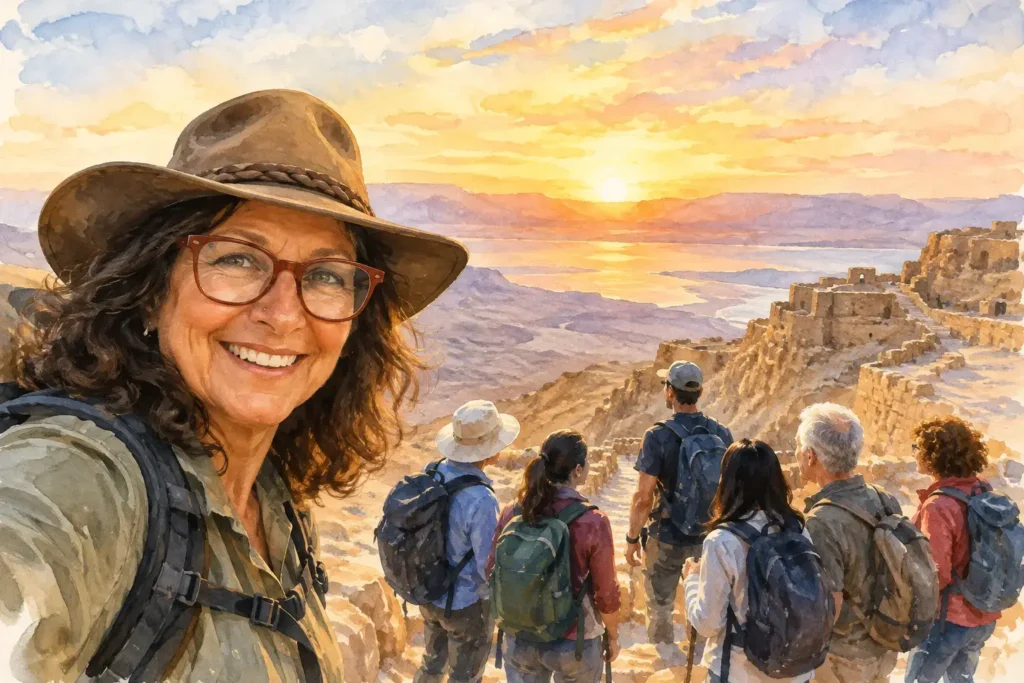
At 4:30 in the morning, the desert is still holding onto the night. Then a thin line of light appears beyond the mountains of Moab, the cliffs around Masada soften from black to rose, and the Dead Sea begins to shine below. That is the moment people travel for when they choose Masada sunrise tours. It is not simply about arriving at a famous fortress before the crowds. It is about experiencing a place where landscape, history, effort, and quiet come together.
The early alarm is real, especially if you are staying in Jerusalem or Tel Aviv. But for many travelers, this is one of the few days on an Israel itinerary that feels entirely different from the pace of cities, museums, and busy holy sites. With the right route, timing, and guide, a sunrise at Masada can become the beginning of a memorable desert day rather than a rushed checkmark.
Why Masada at Sunrise Feels Different
Masada is dramatic at any hour, but sunrise changes the scale of the place. Before the heat rises, the Judean Desert is cool and quiet. The long ascent puts you in the landscape rather than above it, and the changing light reveals why this isolated plateau was chosen as a fortified refuge more than 2,000 years ago.
The site holds layers of history. It was built and expanded by King Herod, whose ambitious palaces, bathhouses, storerooms, and water systems still challenge the idea that a desert stronghold had to be austere. It later became associated with the revolt against Rome and has remained a powerful symbol in Jewish memory. A thoughtful visit gives space to both the archaeology and the human stories, without turning either into a slogan.
Sunrise also brings a useful contrast. You begin with a physical climb through an ancient desert landscape, then stand among the remains of sophisticated royal architecture. Below you lies the Dead Sea, one of the most extraordinary natural settings in the region. Few heritage sites offer such a complete sense of place before breakfast.
Choosing the Right Masada Sunrise Tour
Not every Masada sunrise experience is the same. The central choice is whether to hike the Snake Path or take the cable car after daylight. Both can be excellent, and the better option depends on your fitness, interests, schedule, and comfort with an early start.
The Snake Path: For Travelers Who Want the Full Experience
The Snake Path is the classic route. It winds up the eastern face of the mountain in a steady climb, with uneven stone steps and switchbacks. The hike is not technical, but it is demanding enough to deserve honest preparation. Most reasonably active travelers can do it at a measured pace, yet the steepness, darkness at the start, and desert conditions should not be underestimated.
A guided ascent is especially valuable for travelers who want to understand what they are seeing along the way. The path itself becomes part of the story: the changing views, the sheer drop of the cliffs, the logic of the mountain’s defenses, and the surprising ingenuity required to sustain life here.
This option works beautifully for active couples, families with older children and teens, hikers, and anyone who wants the satisfaction of reaching the top under their own power. It is less suitable for travelers with knee concerns, limited mobility, a fear of heights, or a trip schedule that already includes several strenuous days.
The Cable Car: For Access Without the Climb
Taking the cable car is not a lesser visit. It is the right choice when comfort, accessibility, or time matters more than the hike. You can still see Masada in the gentler light of early morning, explore the fortress with care, and preserve energy for the Dead Sea or another destination later in the day.
For multigenerational families, travelers recovering from a long flight, business visitors with only a limited window, or those who prefer cultural depth over a physical challenge, this can be the smarter plan. A private itinerary can also combine approaches, with some members of the group hiking and others arriving by cable car when logistics allow.
The key is not to choose based on what sounds most impressive. Choose the way you will genuinely enjoy. Travel is more memorable when you are present enough to notice the details.
What a Well-Planned Sunrise Morning Includes
A Masada sunrise requires more planning than an afternoon visit. Departure times shift by season, and opening arrangements can vary, so the day should be built around current conditions rather than a fixed online itinerary. In summer, starting early is essential. In winter, the later sunrise gives a little more breathing room, but mornings can be surprisingly cold and windy on the mountaintop.
Bring a refillable water bottle, a small snack, sturdy walking shoes, a light layer, sun protection, and a headlamp if hiking before first light. Avoid sandals, even if you plan to float in the Dead Sea afterward. The rocky path and ruins call for secure footwear.
A good guide also knows when not to force the plan. Very hot conditions, high winds, fatigue, or a family member who is not feeling well can change the experience. Flexibility is part of good travel planning, not a failure of it. There are other ways to encounter the desert, and Masada is far more rewarding when you can approach it safely and comfortably.
Beyond the Fortress: Build a Desert Day With Meaning
The most satisfying Masada sunrise tours do not always end at the exit gate. Once you are already in the Judean Desert, it makes sense to shape the rest of the day around what interests you.
For some travelers, the natural next stop is the Dead Sea. A relaxed float offers a complete change of pace after the climb, though it is wise to keep expectations realistic. This is a mineral-rich natural environment, not necessarily a luxury beach day, and facilities vary by location. A short float, a rinse, and time to take in the view may be all you need.
Others prefer a desert walk in Ein Gedi, where springs and greenery appear in striking contrast to the surrounding cliffs. Birdlife, ibex, waterfalls in season, and shaded trails can make it an especially good addition for families and nature lovers. It is important to choose a route appropriate to the weather and your group’s energy level.
You might also focus more deeply on Masada itself. The northern palace, the Roman ramp, the synagogue, the bathhouse, and the water system each offer a different lens on the site. Travelers who have visited Israel before often appreciate slowing down here rather than racing from landmark to landmark. Archaeology becomes more vivid when its practical questions are explored: How did water reach this summit? What did people eat? What did daily life feel like under pressure?
With Patchwork Israel, a private day can be designed around exactly that kind of curiosity. One group may want a sunrise hike and a quiet breakfast overlooking the desert. Another may prefer the cable car, detailed historical interpretation, and time at the Dead Sea. A family may want a manageable trail and stories that bring the ruins to life for different ages. Your vacation should not have to follow someone else’s pace.
The Value of a Guide at Masada
Masada can be visited independently, but a knowledgeable guide changes the experience from seeing ruins to reading a landscape. The remains are extensive, and their meaning is not always obvious from a signboard. A guide can connect Herod’s architectural ambitions to the desert terrain, point out details that are easy to miss, and explain where historical evidence is clear, complex, or still debated.
There is also the practical side. Pre-dawn travel, trail pacing, heat management, timing the sunrise viewpoint, and coordinating the next stop require attention. When these details are handled well, you are free to enjoy the stillness of the mountain rather than watch the clock.
For faith-based visitors, heritage travelers, and culturally curious guests, the conversation can go further. Masada raises enduring questions about resilience, memory, leadership, freedom, and the ways communities tell their own stories. Those questions are often more meaningful than a quick recitation of dates.
Is a Sunrise Tour Right for You?
If you love hiking, photography, history, or landscapes that make you stop talking for a minute, the answer is probably yes. If you have only one free morning and want a concentrated experience beyond the cities, Masada can also be a wonderful choice.
But it depends. Travelers who strongly dislike early mornings, are sensitive to heat, or need a low-mobility itinerary may enjoy Masada more later in the day by cable car. The goal is not to collect the most dramatic version of every destination. It is to create a day that fits you well enough to stay with you.
The desert rewards an early start with something rare: a chance to watch the light arrive slowly over a landscape shaped by time, determination, and imagination. Leave room in your Israel itinerary for that kind of morning.

Get the latest blog updates in your inbox.