
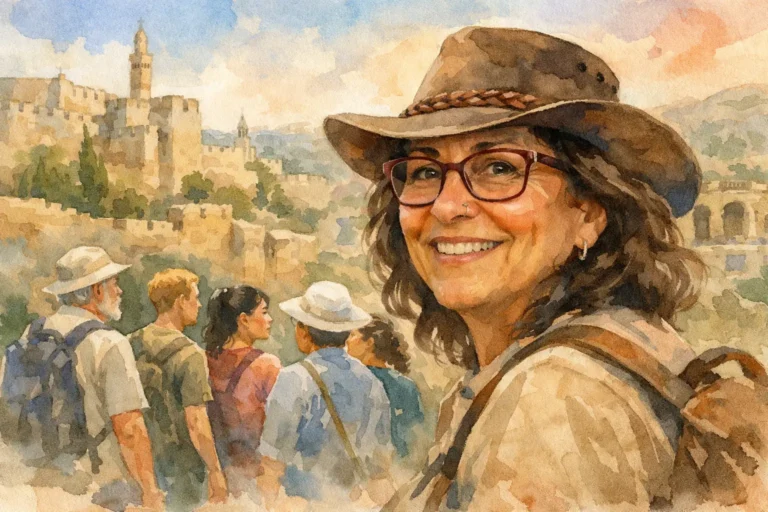
A Guide to Repeat Israel Visits That Go Deeper
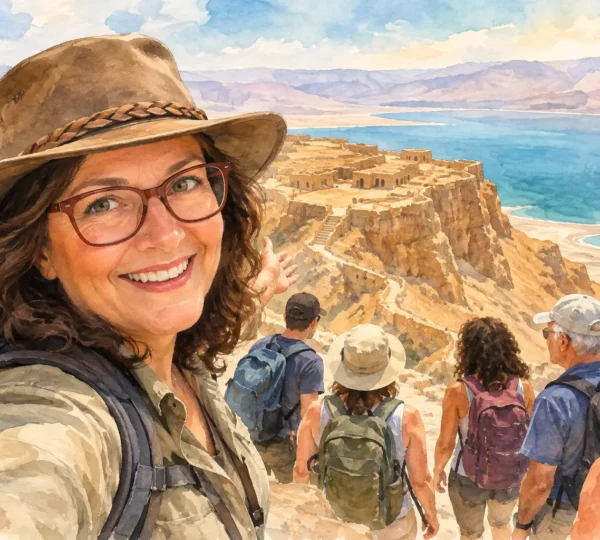
You have stood at the Western Wall, floated in the Dead Sea, walked the old stones of Jerusalem, and watched the sun settle over Masada. So what comes next? The best guide to repeat Israel visits begins with a simple shift: stop trying to see everything, and start choosing experiences that reveal something new about the place, its people, and your own connection to it.
A first trip often follows a wonderful, essential route. A return trip can be more personal. It might lead you down a quiet alley in Jaffa with an architect, into a working farm for a conversation over coffee, or onto a desert track that a large bus could never reach. Israel is compact, but it is not small. Its layers reward curiosity.
Why a Return Trip Can Feel More Meaningful
First-time visitors understandably want the landmarks. They want to place familiar stories in a real landscape, see the great archaeological sites, and experience the energy of Jerusalem and Tel Aviv. Those moments matter. But once you are no longer measuring a trip by how many famous places fit into a week, you can travel with more attention.
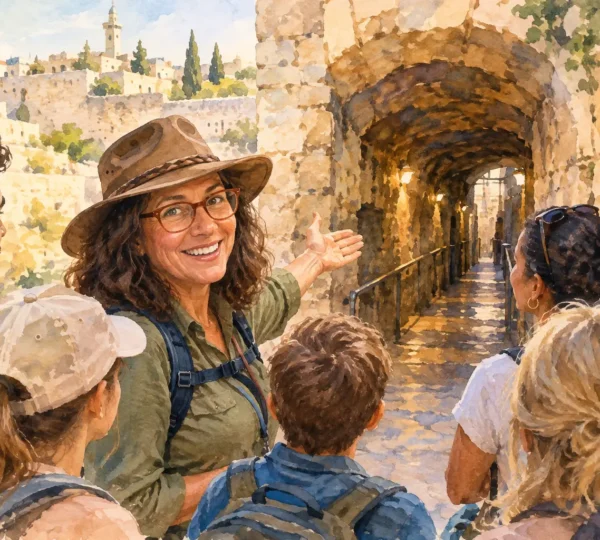
On a repeat visit, a single neighborhood can be more revealing than three rushed stops. You may spend a morning tracing the changing architecture of Tel Aviv, then share a home-cooked meal with someone whose family story adds a human dimension to the country. You may return to a sacred site at a quieter hour, with time to ask questions that did not occur to you the first time.
This is especially valuable for families traveling across generations. One person may be drawn to heritage, another to food, another to hiking, and another simply wants a memorable day away from a business schedule. A well-planned private day does not force everyone into the same version of a good time. It gives each traveler a reason to be engaged.
How to Plan Repeat Israel Visits Around Your Interests
The most satisfying return itineraries usually have a point of view. Rather than beginning with a map, begin with the conversations, landscapes, skills, tastes, or stories you want to bring home.
Choose a lens, not a checklist
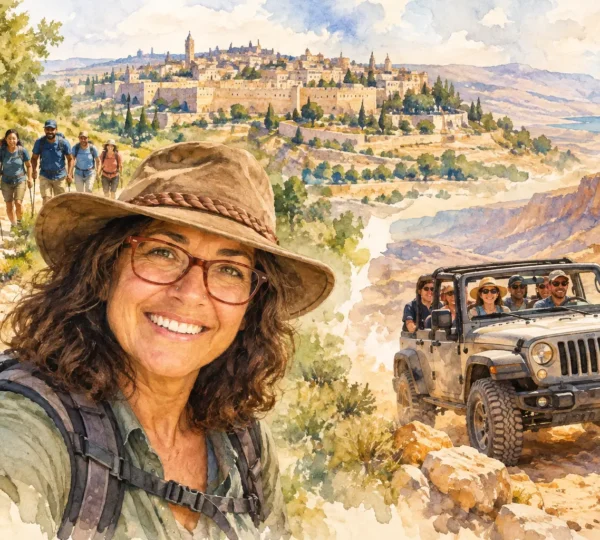
Perhaps your lens is the land itself. That could mean a sunrise hike in the desert, a 4×4 route through forest or mountain terrain, a foraging walk, or time around the Sea of Galilee with an emphasis on ecology and ancient routes. If you enjoy activity but do not want an extreme itinerary, the pace can be adjusted. A short, scenic walk with excellent context may be far more enjoyable than a demanding trek in midday heat.
Food is another strong lens. Instead of simply eating at good restaurants, consider how ingredients, migration, seasonality, and family traditions shape a meal. A market visit, baking session, cooking workshop, vineyard stop, or conversation with a culinary expert can turn lunch into a fuller cultural experience.
For travelers with a spiritual or heritage connection, the lens may be more reflective. Return to a familiar place with a different question in mind. Add lesser-known churches, synagogues, monasteries, archaeological areas, or local communities that broaden the story without making the day feel academic or heavy.
Revisit a favorite place with fresh context
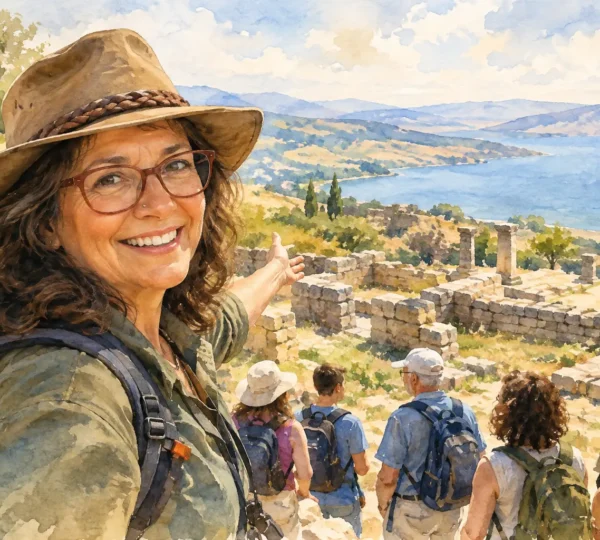
There is no rule saying you should never repeat a major site. In fact, returning can be one of the pleasures of a second or third trip. Jerusalem at dawn feels different from Jerusalem in the afternoon. Caesarea can become a story about engineering, trade, and daily life rather than only impressive ruins. Jaffa can be explored through art, ports, food, and changing urban design.
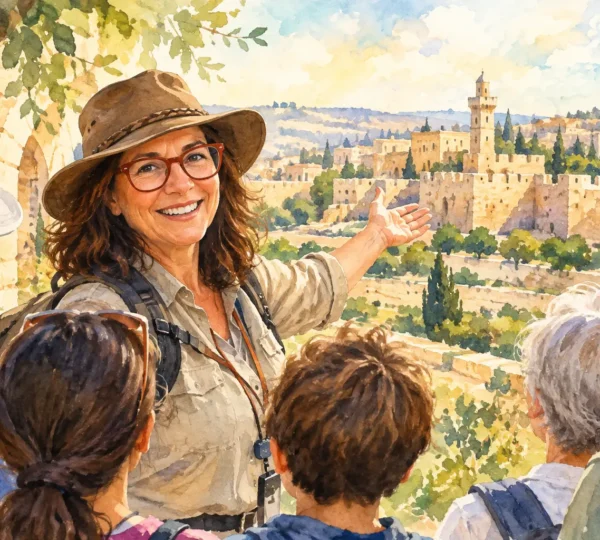
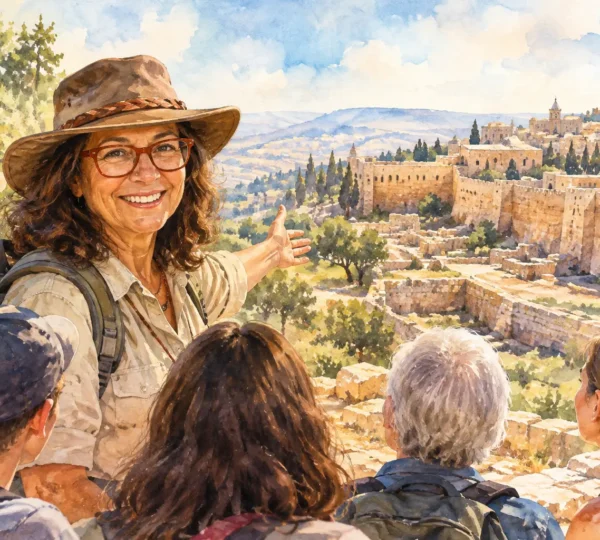
The difference is in the framing. A first visit may answer, “What happened here?” A later visit can ask, “Who lived here, how did they work, and what remains beneath the surface?” With an experienced licensed guide, even a familiar stop can become a new chapter rather than a repeat performance.
Make Room for Encounters, Not Just Attractions
Some of the most memorable travel moments happen in places that would never appear on a standard bus itinerary. A return trip creates space for respectful, prearranged encounters with people who can speak from experience about their work, community, craft, or field of expertise.
You might visit a farmer and learn what it takes to grow food in a challenging climate. You may meet an artist in a working studio, speak with an academic, spend time with an entrepreneur, or see a technology-focused workplace through the eyes of someone who knows it well. These are not performances. The value comes from genuine conversation, thoughtful preparation, and enough time to listen.
For many travelers, these meetings provide the context that monuments alone cannot offer. They make the country feel less like a collection of sites and more like a living, varied place. They can also be tailored carefully for adult travelers, multigenerational families, student groups, or a small group of colleagues with only one meaningful day available.
Add an activity that changes the rhythm
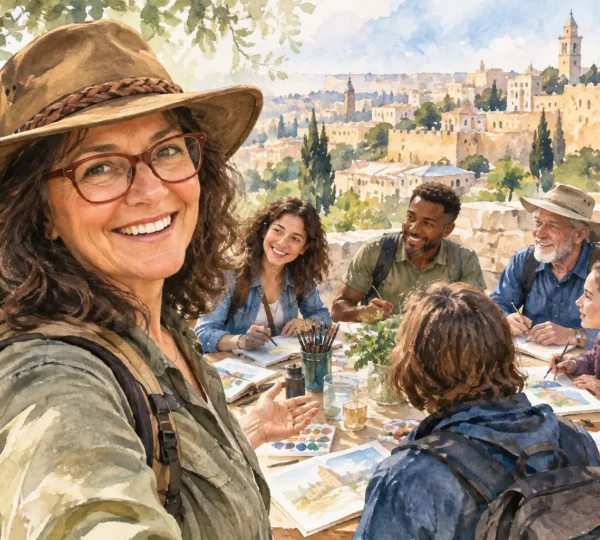
A great itinerary needs contrast. After a morning of history, hands-on activity can reset everyone’s attention. Mosaic making, bread baking, camel riding, sailing, scuba diving, a flight simulation, or an off-road excursion can give the day a completely different energy.
The right choice depends on your travelers. Families may prefer an activity where everyone can participate and laugh together. Active adults may want a hike followed by a local meal. Travelers who have seen the major sites several times may be ready for a desert driving day, a behind-the-scenes workshop, or a route designed around photography and landscapes.
Do not add activities simply to fill time. One well-chosen experience is better than a crowded day that leaves no room for conversation, rest, or an unplanned stop when something catches your eye.
Let the Geography Shape the Day
Israel’s distances can look deceptively short on a map. A return trip should still respect driving time, weather, walking distances, and the pace of the people traveling. Trying to combine Jerusalem, the Dead Sea, and a detailed desert hike in one day may be possible on paper, but it can feel hurried in real life.
Instead, give each day a natural center. A Jerusalem day might focus on one district, one period of history, and one food experience. A northern day might combine a mountain view, a village visit, and a leisurely lunch. A desert day may work best when it begins early, includes shaded breaks, and leaves time to absorb the silence rather than rushing to the next stop.
Season matters, too. Summer calls for early starts, water, shade, and realistic outdoor plans. Cooler months can be ideal for hiking and off-roading, while spring often invites field walks and agricultural visits. Flexibility is not a luxury here. It is what allows a carefully designed day to feel effortless.
What to Share With Your Guide Before You Arrive
The more specific you are, the more personal your return trip can become. Share what you loved on earlier visits and what felt too rushed. Mention whether you prefer gentle walking or challenging trails, lively markets or quiet landscapes, deep historical discussion or practical encounters with contemporary life.
It also helps to say what you do not need to repeat. If you have already visited every major viewpoint and museum, that is useful information, not a limitation. It gives your guide permission to suggest the small road, the lesser-known excavation, the home visit, or the workshop that would otherwise be left out.
At Patchwork Israel, each private itinerary can be built around those details, with the confidence that comes from decades of local guiding and the freedom to follow your interests rather than a fixed group schedule.
Leave a little open space in your plan. The return trip you remember most may not be the famous landmark you expected to revisit, but the unexpected conversation, scent of fresh bread, desert view, or shared laugh that made Israel feel newly familiar.

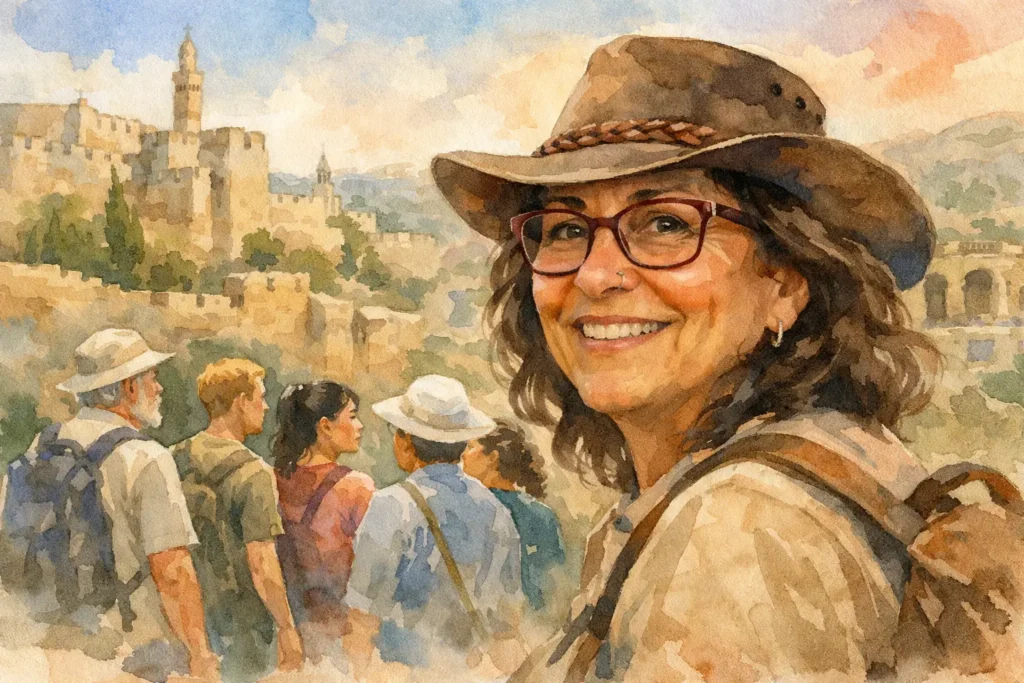
A Guide to Repeat Israel Visits That Go Deeper
You have stood at the Western Wall, floated in the Dead Sea, walked the old stones of Jerusalem, and watched the sun settle over Masada. So what comes next? The best guide to repeat Israel visits begins with a simple shift: stop trying to see everything, and start choosing experiences that reveal something new about the place, its people, and your own connection to it.
A first trip often follows a wonderful, essential route. A return trip can be more personal. It might lead you down a quiet alley in Jaffa with an architect, into a working farm for a conversation over coffee, or onto a desert track that a large bus could never reach. Israel is compact, but it is not small. Its layers reward curiosity.
Why a Return Trip Can Feel More Meaningful
First-time visitors understandably want the landmarks. They want to place familiar stories in a real landscape, see the great archaeological sites, and experience the energy of Jerusalem and Tel Aviv. Those moments matter. But once you are no longer measuring a trip by how many famous places fit into a week, you can travel with more attention.
On a repeat visit, a single neighborhood can be more revealing than three rushed stops. You may spend a morning tracing the changing architecture of Tel Aviv, then share a home-cooked meal with someone whose family story adds a human dimension to the country. You may return to a sacred site at a quieter hour, with time to ask questions that did not occur to you the first time.
This is especially valuable for families traveling across generations. One person may be drawn to heritage, another to food, another to hiking, and another simply wants a memorable day away from a business schedule. A well-planned private day does not force everyone into the same version of a good time. It gives each traveler a reason to be engaged.
How to Plan Repeat Israel Visits Around Your Interests
The most satisfying return itineraries usually have a point of view. Rather than beginning with a map, begin with the conversations, landscapes, skills, tastes, or stories you want to bring home.
Choose a lens, not a checklist
Perhaps your lens is the land itself. That could mean a sunrise hike in the desert, a 4×4 route through forest or mountain terrain, a foraging walk, or time around the Sea of Galilee with an emphasis on ecology and ancient routes. If you enjoy activity but do not want an extreme itinerary, the pace can be adjusted. A short, scenic walk with excellent context may be far more enjoyable than a demanding trek in midday heat.
Food is another strong lens. Instead of simply eating at good restaurants, consider how ingredients, migration, seasonality, and family traditions shape a meal. A market visit, baking session, cooking workshop, vineyard stop, or conversation with a culinary expert can turn lunch into a fuller cultural experience.
For travelers with a spiritual or heritage connection, the lens may be more reflective. Return to a familiar place with a different question in mind. Add lesser-known churches, synagogues, monasteries, archaeological areas, or local communities that broaden the story without making the day feel academic or heavy.
Revisit a favorite place with fresh context
There is no rule saying you should never repeat a major site. In fact, returning can be one of the pleasures of a second or third trip. Jerusalem at dawn feels different from Jerusalem in the afternoon. Caesarea can become a story about engineering, trade, and daily life rather than only impressive ruins. Jaffa can be explored through art, ports, food, and changing urban design.
The difference is in the framing. A first visit may answer, “What happened here?” A later visit can ask, “Who lived here, how did they work, and what remains beneath the surface?” With an experienced licensed guide, even a familiar stop can become a new chapter rather than a repeat performance.
Make Room for Encounters, Not Just Attractions
Some of the most memorable travel moments happen in places that would never appear on a standard bus itinerary. A return trip creates space for respectful, prearranged encounters with people who can speak from experience about their work, community, craft, or field of expertise.
You might visit a farmer and learn what it takes to grow food in a challenging climate. You may meet an artist in a working studio, speak with an academic, spend time with an entrepreneur, or see a technology-focused workplace through the eyes of someone who knows it well. These are not performances. The value comes from genuine conversation, thoughtful preparation, and enough time to listen.
For many travelers, these meetings provide the context that monuments alone cannot offer. They make the country feel less like a collection of sites and more like a living, varied place. They can also be tailored carefully for adult travelers, multigenerational families, student groups, or a small group of colleagues with only one meaningful day available.
Add an activity that changes the rhythm
A great itinerary needs contrast. After a morning of history, hands-on activity can reset everyone’s attention. Mosaic making, bread baking, camel riding, sailing, scuba diving, a flight simulation, or an off-road excursion can give the day a completely different energy.
The right choice depends on your travelers. Families may prefer an activity where everyone can participate and laugh together. Active adults may want a hike followed by a local meal. Travelers who have seen the major sites several times may be ready for a desert driving day, a behind-the-scenes workshop, or a route designed around photography and landscapes.
Do not add activities simply to fill time. One well-chosen experience is better than a crowded day that leaves no room for conversation, rest, or an unplanned stop when something catches your eye.
Let the Geography Shape the Day
Israel’s distances can look deceptively short on a map. A return trip should still respect driving time, weather, walking distances, and the pace of the people traveling. Trying to combine Jerusalem, the Dead Sea, and a detailed desert hike in one day may be possible on paper, but it can feel hurried in real life.
Instead, give each day a natural center. A Jerusalem day might focus on one district, one period of history, and one food experience. A northern day might combine a mountain view, a village visit, and a leisurely lunch. A desert day may work best when it begins early, includes shaded breaks, and leaves time to absorb the silence rather than rushing to the next stop.
Season matters, too. Summer calls for early starts, water, shade, and realistic outdoor plans. Cooler months can be ideal for hiking and off-roading, while spring often invites field walks and agricultural visits. Flexibility is not a luxury here. It is what allows a carefully designed day to feel effortless.
What to Share With Your Guide Before You Arrive
The more specific you are, the more personal your return trip can become. Share what you loved on earlier visits and what felt too rushed. Mention whether you prefer gentle walking or challenging trails, lively markets or quiet landscapes, deep historical discussion or practical encounters with contemporary life.
It also helps to say what you do not need to repeat. If you have already visited every major viewpoint and museum, that is useful information, not a limitation. It gives your guide permission to suggest the small road, the lesser-known excavation, the home visit, or the workshop that would otherwise be left out.
At Patchwork Israel, each private itinerary can be built around those details, with the confidence that comes from decades of local guiding and the freedom to follow your interests rather than a fixed group schedule.
Leave a little open space in your plan. The return trip you remember most may not be the famous landmark you expected to revisit, but the unexpected conversation, scent of fresh bread, desert view, or shared laugh that made Israel feel newly familiar.
Get the latest blog updates in your inbox.