How to Build Israel Seminars That Matter
A strong seminar in Israel falls apart fast when it tries to be everything at once. Too many sites, too many lectures, too little time to think, and guests leave feeling rushed instead of changed. If you are asking how to build Israel seminars that people actually remember, the answer is not more content. It is better design.
The best Israel seminars feel personal, even when the group is not small. They give people context, room for questions, and a sense that the country is being encountered rather than simply checked off. That usually means building around a clear purpose first, and only then choosing locations, activities, and speakers.
Start with the real reason for the seminar
Before you book a bus, reserve a hotel, or reach out to speakers, decide what this seminar is meant to do. That may sound obvious, but this is where most programs become generic. Israel can support a heritage journey, a faith-based encounter, an academic exploration, a leadership experience, a business add-on, or a family learning trip. Each one needs a different rhythm.
A seminar for first-time visitors may need grounding in major places and the broad story behind them. A seminar for returning travelers can go deeper and become more layered, with home hospitality, niche conversations, field-based learning, and places most visitors never reach. A short seminar for professionals in town for work needs efficiency and emotional impact. A multi-day educational trip for a family or community group may need more reflection, more flexibility, and more age-sensitive pacing.
If the purpose is fuzzy, every later choice becomes harder. If the purpose is sharp, the rest begins to align.
How to build Israel seminars around people, not just places
Many planners begin with a map. A better place to begin is with the participants. Who are they when they travel? What excites them? What makes them tune out?
Some groups want text, tradition, archaeology, and sacred geography. Others are drawn to food, innovation, agriculture, environmental questions, architecture, music, desert life, or social encounters. Most do best with a thoughtful blend. People connect more deeply when a seminar moves between landscapes and lived experience.
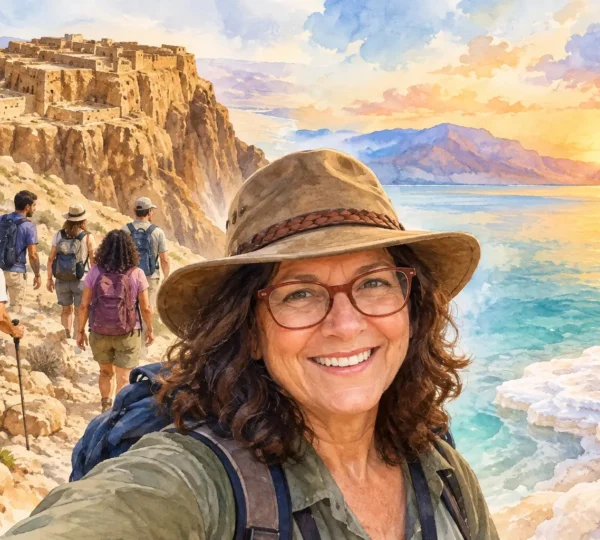
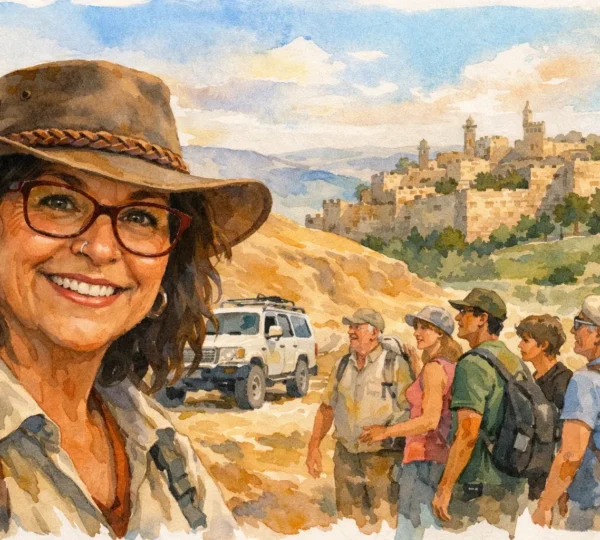
That is why a strong Israel seminar rarely succeeds as a string of bus stops. It works when the group meets the country through different lenses. A morning in Jerusalem may call for historical framing and layered storytelling. An afternoon might be better spent in conversation with people whose daily lives illuminate the present. Another day may open up in the desert, where hiking, silence, or an off-road route changes the energy completely.
The point is not variety for its own sake. The point is that Israel is dense with meaning, and different travelers access that meaning in different ways.
Build for the group you actually have
A family group, a synagogue cohort, a church community, an alumni circle, and a mixed-interest private group all need different seminar design. So do guests who have already visited the major sites and want more than the standard route.
For some, a seminar should feel anchored and structured. For others, it should leave room for detours, conversation, and surprise. Neither approach is more serious. It just depends on the group and the goal.
Choose fewer themes and go deeper
One of the biggest mistakes in seminar planning is trying to cover all of Israel in one trip. The country may be compact, but meaningful travel still requires selectivity. When a seminar attempts to do history, religion, cuisine, innovation, desert adventure, and beach time all at once, none of it lands fully.
Instead, choose two to four core themes and let them shape the itinerary. You might center a program around sacred history and contemporary life. Or food and culture. Or text and terrain. Or memory, identity, and encounter. Once those themes are set, every site visit, conversation, and activity can support them.
This creates continuity. It also helps participants understand why they are going where they are going. A seminar should feel curated, not crowded.
Pace matters more than most planners think
Great seminar design is as much about energy as content. A packed schedule can look impressive on paper and fail completely on the ground. People need transitions. They need time to ask questions, absorb what they heard, and notice where they are.
This is especially true in Israel, where a single day can move from ancient stones to a modern city, from intense emotional material to lunch by the sea, from a deep conversation to a physically active experience. Without thoughtful pacing, that richness becomes noise.
A good rule is to alternate intensity. If the morning is heavy and intellectually demanding, the afternoon may be better with movement, open scenery, or a hands-on activity. If one day is built around major landmarks, the next might be more intimate and local.
Travel time also deserves honesty. Distances may look short, but seminar leaders should not fill every minute just because they can. A well-timed pause often teaches more than one extra stop.
Leave room for the unplanned
Some of the best moments in Israel are not the ones printed in the original program. A conversation runs longer because the group is engaged. A market visit sparks curiosity. A scenic stop becomes a reflective one. A simple meal turns into the most memorable discussion of the trip.
That flexibility is easier to create when the itinerary is not overloaded from the start.
Use speakers and encounters wisely
A seminar becomes meaningful when participants hear from people, not just guides. That said, more speakers does not always mean more value. The right encounter should deepen the theme, not interrupt it.
Invite speakers, hosts, or local experts because they add something the landscape alone cannot provide. A historian can frame a place differently. A culinary expert can make regional identity tangible. An archaeologist can sharpen how a site is read. A farmer, educator, artist, clergy member, entrepreneur, or community voice can turn an abstract topic into a human one.
What matters is fit. A brilliant speaker who does not understand the audience can lose the room. A modest but thoughtful conversation, placed at the right moment, can become the emotional center of the seminar.
Preparation helps here. Guests should know why this person is part of the program and what they should be listening for.
Add activities that support the learning
Not every seminar needs formal sessions all day. In fact, many do better when learning is woven into experience. Cooking, foraging, mosaic work, jeep or 4×4 excursions, desert walks, sailing, market visits, and other hands-on activities can deepen a seminar when they are tied to its themes.
This is where planners need judgment. Activities should not feel like filler or entertainment pasted onto a serious program. They should give participants another way to understand place, memory, community, landscape, or daily life.
A desert experience, for example, can be framed around ecology, movement, biblical setting, personal reflection, or simply the physical scale of the land. A culinary workshop can open up migration stories, regional ingredients, hospitality, and tradition. The same activity can be shallow or powerful depending on how it is integrated.
Logistics are part of the experience
People often treat logistics as separate from content. In reality, logistics shape whether the seminar feels thoughtful or exhausting. The right bus size, sensible hotel choices, realistic travel days, good meal timing, and clear communication all influence how open people are to learning.
Group size matters too. A seminar for ten can be nimble and conversational. A seminar for fifty-five needs stronger structure and more careful timing. Neither is automatically better. Smaller groups allow more spontaneity and intimacy. Larger groups can create shared energy and communal momentum. The planning needs to reflect the format honestly.
The same goes for accommodations. If a seminar is rooted in old city walking, choose a base that reduces friction. If it includes desert activity, plan around climate and recovery time. If some participants are less mobile, design accordingly from the beginning rather than adjusting awkwardly later.
Work with a guide who can curate, not just lead
This may be the most practical answer to how to build Israel seminars well. You need someone on the ground who understands both Israel and people. Not just facts, not just driving routes, but flow, tone, group energy, and how to translate a planning vision into an experience that feels alive.
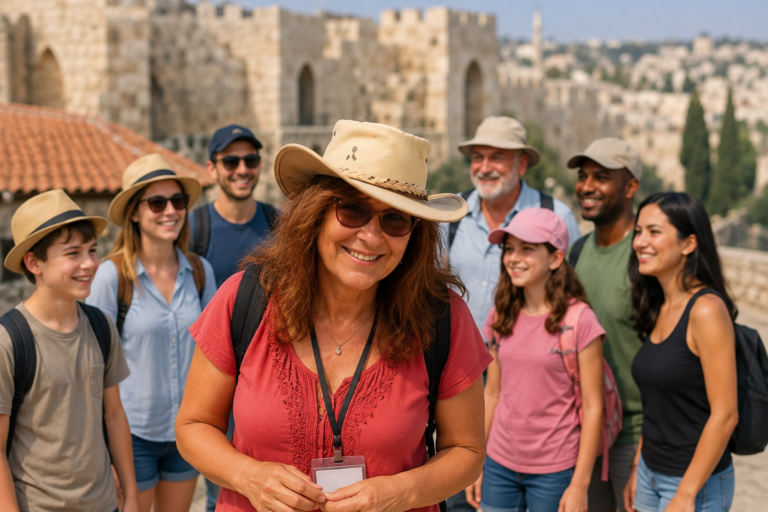
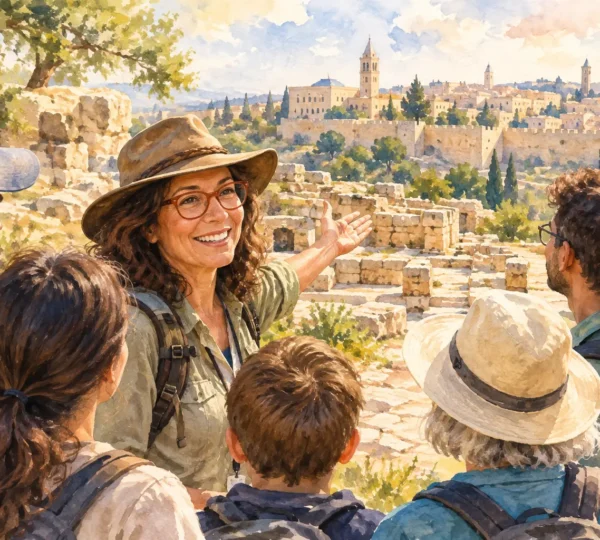
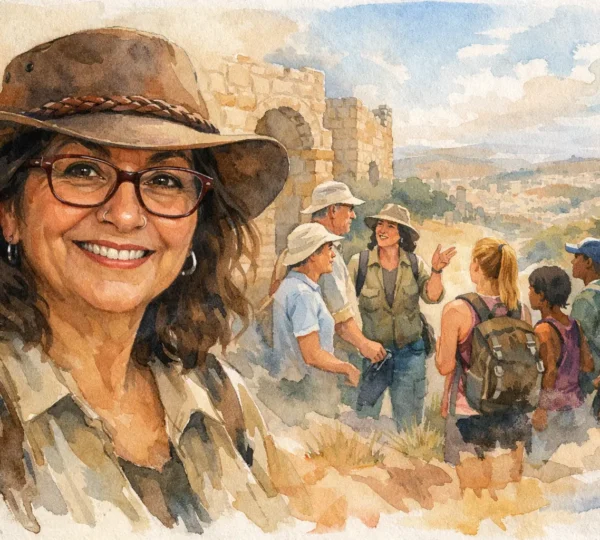
A licensed guide with long local experience can do more than explain sites. She can spot when a day needs to breathe, when a speaker needs context, when a hidden gem will serve the group better than a famous stop, and when a carefully chosen conversation will achieve more than one more museum label ever could. That kind of curation is what turns a seminar into something personal.
This is especially true for travelers who want more than the usual highlights. Patchwork Israel, for example, builds around exactly that kind of customized, experience-driven approach, pairing classic sites with deeper encounters and lesser-known places when they serve the traveler’s purpose.
Measure success by what stays with people
A successful seminar is not the one with the longest itinerary. It is the one participants keep talking about after they return home. They remember a view, a question, a meal, a speaker, a conversation on the bus, or a place they had never heard of before but now cannot forget.
If you are building an Israel seminar, think less like a scheduler and more like a host. Shape the trip with intention. Give people substance, but also space. Let the country be complex, warm, surprising, and human. That is usually when the learning lasts.

How to Build Israel Seminars That Matter
A strong seminar in Israel falls apart fast when it tries to be everything at once. Too many sites, too many lectures, too little time to think, and guests leave feeling rushed instead of changed. If you are asking how to build Israel seminars that people actually remember, the answer is not more content. It is better design.
The best Israel seminars feel personal, even when the group is not small. They give people context, room for questions, and a sense that the country is being encountered rather than simply checked off. That usually means building around a clear purpose first, and only then choosing locations, activities, and speakers.
Start with the real reason for the seminar
Before you book a bus, reserve a hotel, or reach out to speakers, decide what this seminar is meant to do. That may sound obvious, but this is where most programs become generic. Israel can support a heritage journey, a faith-based encounter, an academic exploration, a leadership experience, a business add-on, or a family learning trip. Each one needs a different rhythm.
A seminar for first-time visitors may need grounding in major places and the broad story behind them. A seminar for returning travelers can go deeper and become more layered, with home hospitality, niche conversations, field-based learning, and places most visitors never reach. A short seminar for professionals in town for work needs efficiency and emotional impact. A multi-day educational trip for a family or community group may need more reflection, more flexibility, and more age-sensitive pacing.
If the purpose is fuzzy, every later choice becomes harder. If the purpose is sharp, the rest begins to align.
How to build Israel seminars around people, not just places
Many planners begin with a map. A better place to begin is with the participants. Who are they when they travel? What excites them? What makes them tune out?
Some groups want text, tradition, archaeology, and sacred geography. Others are drawn to food, innovation, agriculture, environmental questions, architecture, music, desert life, or social encounters. Most do best with a thoughtful blend. People connect more deeply when a seminar moves between landscapes and lived experience.
That is why a strong Israel seminar rarely succeeds as a string of bus stops. It works when the group meets the country through different lenses. A morning in Jerusalem may call for historical framing and layered storytelling. An afternoon might be better spent in conversation with people whose daily lives illuminate the present. Another day may open up in the desert, where hiking, silence, or an off-road route changes the energy completely.
The point is not variety for its own sake. The point is that Israel is dense with meaning, and different travelers access that meaning in different ways.
Build for the group you actually have
A family group, a synagogue cohort, a church community, an alumni circle, and a mixed-interest private group all need different seminar design. So do guests who have already visited the major sites and want more than the standard route.
For some, a seminar should feel anchored and structured. For others, it should leave room for detours, conversation, and surprise. Neither approach is more serious. It just depends on the group and the goal.
Choose fewer themes and go deeper
One of the biggest mistakes in seminar planning is trying to cover all of Israel in one trip. The country may be compact, but meaningful travel still requires selectivity. When a seminar attempts to do history, religion, cuisine, innovation, desert adventure, and beach time all at once, none of it lands fully.
Instead, choose two to four core themes and let them shape the itinerary. You might center a program around sacred history and contemporary life. Or food and culture. Or text and terrain. Or memory, identity, and encounter. Once those themes are set, every site visit, conversation, and activity can support them.
This creates continuity. It also helps participants understand why they are going where they are going. A seminar should feel curated, not crowded.
Pace matters more than most planners think
Great seminar design is as much about energy as content. A packed schedule can look impressive on paper and fail completely on the ground. People need transitions. They need time to ask questions, absorb what they heard, and notice where they are.
This is especially true in Israel, where a single day can move from ancient stones to a modern city, from intense emotional material to lunch by the sea, from a deep conversation to a physically active experience. Without thoughtful pacing, that richness becomes noise.
A good rule is to alternate intensity. If the morning is heavy and intellectually demanding, the afternoon may be better with movement, open scenery, or a hands-on activity. If one day is built around major landmarks, the next might be more intimate and local.
Travel time also deserves honesty. Distances may look short, but seminar leaders should not fill every minute just because they can. A well-timed pause often teaches more than one extra stop.
Leave room for the unplanned
Some of the best moments in Israel are not the ones printed in the original program. A conversation runs longer because the group is engaged. A market visit sparks curiosity. A scenic stop becomes a reflective one. A simple meal turns into the most memorable discussion of the trip.
That flexibility is easier to create when the itinerary is not overloaded from the start.
Use speakers and encounters wisely
A seminar becomes meaningful when participants hear from people, not just guides. That said, more speakers does not always mean more value. The right encounter should deepen the theme, not interrupt it.
Invite speakers, hosts, or local experts because they add something the landscape alone cannot provide. A historian can frame a place differently. A culinary expert can make regional identity tangible. An archaeologist can sharpen how a site is read. A farmer, educator, artist, clergy member, entrepreneur, or community voice can turn an abstract topic into a human one.
What matters is fit. A brilliant speaker who does not understand the audience can lose the room. A modest but thoughtful conversation, placed at the right moment, can become the emotional center of the seminar.
Preparation helps here. Guests should know why this person is part of the program and what they should be listening for.
Add activities that support the learning
Not every seminar needs formal sessions all day. In fact, many do better when learning is woven into experience. Cooking, foraging, mosaic work, jeep or 4×4 excursions, desert walks, sailing, market visits, and other hands-on activities can deepen a seminar when they are tied to its themes.
This is where planners need judgment. Activities should not feel like filler or entertainment pasted onto a serious program. They should give participants another way to understand place, memory, community, landscape, or daily life.
A desert experience, for example, can be framed around ecology, movement, biblical setting, personal reflection, or simply the physical scale of the land. A culinary workshop can open up migration stories, regional ingredients, hospitality, and tradition. The same activity can be shallow or powerful depending on how it is integrated.
Logistics are part of the experience
People often treat logistics as separate from content. In reality, logistics shape whether the seminar feels thoughtful or exhausting. The right bus size, sensible hotel choices, realistic travel days, good meal timing, and clear communication all influence how open people are to learning.
Group size matters too. A seminar for ten can be nimble and conversational. A seminar for fifty-five needs stronger structure and more careful timing. Neither is automatically better. Smaller groups allow more spontaneity and intimacy. Larger groups can create shared energy and communal momentum. The planning needs to reflect the format honestly.
The same goes for accommodations. If a seminar is rooted in old city walking, choose a base that reduces friction. If it includes desert activity, plan around climate and recovery time. If some participants are less mobile, design accordingly from the beginning rather than adjusting awkwardly later.
Work with a guide who can curate, not just lead
This may be the most practical answer to how to build Israel seminars well. You need someone on the ground who understands both Israel and people. Not just facts, not just driving routes, but flow, tone, group energy, and how to translate a planning vision into an experience that feels alive.
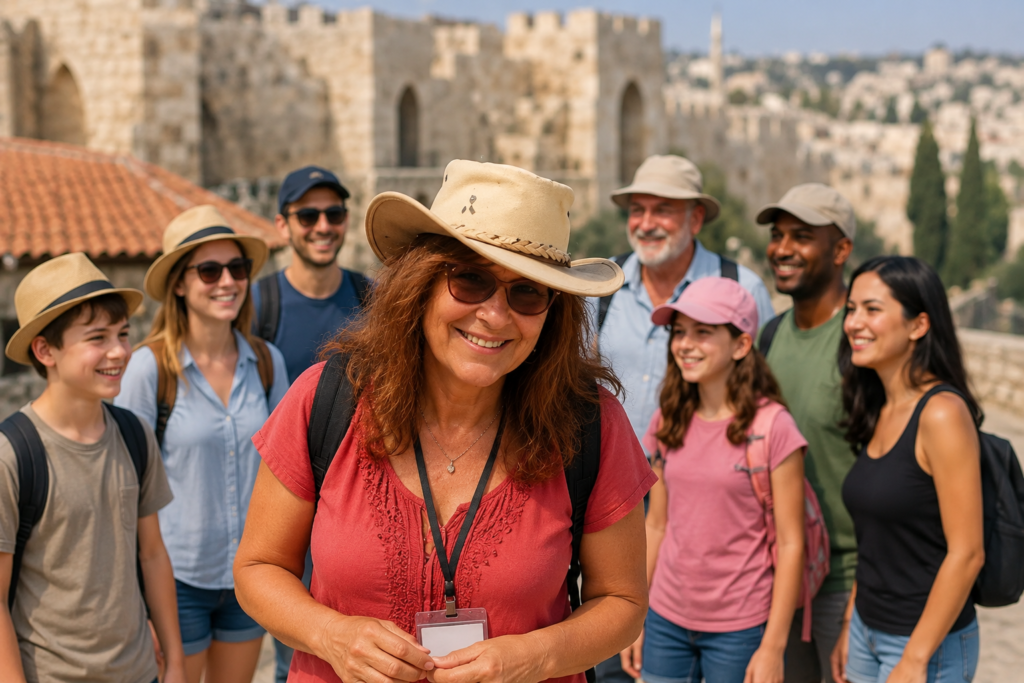
A licensed guide with long local experience can do more than explain sites. She can spot when a day needs to breathe, when a speaker needs context, when a hidden gem will serve the group better than a famous stop, and when a carefully chosen conversation will achieve more than one more museum label ever could. That kind of curation is what turns a seminar into something personal.
This is especially true for travelers who want more than the usual highlights. Patchwork Israel, for example, builds around exactly that kind of customized, experience-driven approach, pairing classic sites with deeper encounters and lesser-known places when they serve the traveler’s purpose.
Measure success by what stays with people
A successful seminar is not the one with the longest itinerary. It is the one participants keep talking about after they return home. They remember a view, a question, a meal, a speaker, a conversation on the bus, or a place they had never heard of before but now cannot forget.
If you are building an Israel seminar, think less like a scheduler and more like a host. Shape the trip with intention. Give people substance, but also space. Let the country be complex, warm, surprising, and human. That is usually when the learning lasts.

Get the latest blog updates in your inbox.