
How to Choose an Israel Private Guide for Your Trip
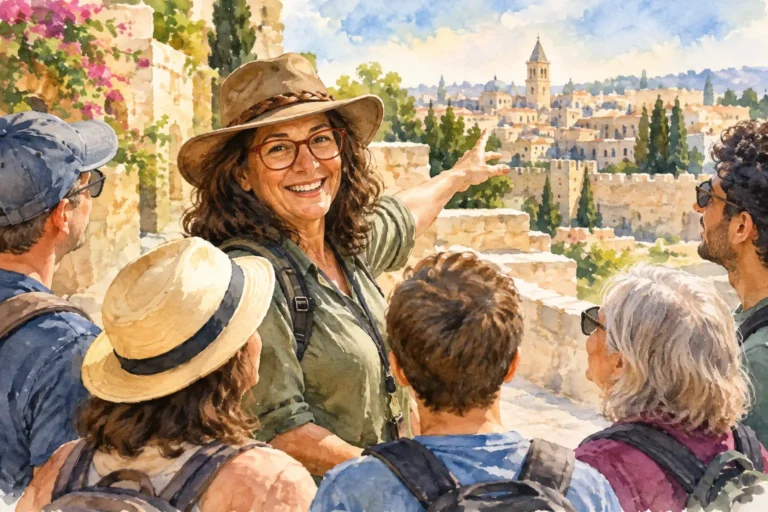
A private day in Jerusalem can mean standing quietly at an ancient overlook, tasting warm bread in a neighborhood bakery, meeting a local craftsperson, or hiking to a desert view before sunset. The difference is not just the itinerary. It is the person helping you make sense of what you see. Knowing how to choose an Israel private guide can turn a good trip into one that feels personal, unhurried, and genuinely memorable.
Israel is compact, but it is not simple. Sacred places, archaeological layers, lively cities, farms, coastlines, forests, and desert landscapes can sit surprisingly close together. A guide should do more than move you efficiently from one stop to the next. They should listen carefully, bring context to each place, and know when a planned moment deserves more time.
How to Choose an Israel Private Guide Who Fits You
Start with a simple question: what do you want to carry home from this trip? The answer may be family stories, a stronger connection to faith and heritage, a taste of daily life, beautiful photographs, a demanding hike, or a fresh perspective after a previous visit. There is no one right Israel itinerary, and the best private guide will not treat yours as if there is.
Some travelers want a first introduction to Jerusalem, Caesarea, Masada, the Dead Sea, Jaffa, and Tel Aviv. Others have already seen the headline sites and want to go further: a small village visit, a culinary workshop, an architectural walk, a conversation with a specialist, a quiet trail, or a day built around a personal interest. Be clear about where you fall on that spectrum before you begin comparing guides.
It also helps to consider the rhythm you enjoy. A family with children may prefer fewer stops, room for snacks and rest, and activities that invite participation. A couple may want a thoughtful balance of major sites and quiet local corners. A business traveler with one free afternoon may need something focused, meaningful, and close to their hotel. A guide who asks about pace early is usually planning for people, not simply filling hours.
Look First for Licensing and Deep Local Experience
Israel is a place where a wall, path, or hilltop can hold centuries of stories. A licensed guide has completed formal training and is qualified to interpret the country’s landscapes, history, faith traditions, and heritage sites with care. Licensing is not the only measure of a good guide, but it is a meaningful starting point, especially for travelers who want more than surface-level commentary.
Experience matters just as much. Ask how long the guide has been working in the field and what kinds of travelers they guide most often. Someone who has led tours for decades has learned how to read a group, adjust when weather changes, avoid a crowded moment when possible, and make a complicated place feel approachable.
The strongest guides combine knowledge with judgment. They know facts, but they also know which details will matter to you. They can explain the broad story of a place, then pause for the human detail that makes it real: a culinary tradition, a building technique, a landscape shaped by water and stone, or an encounter that adds a living voice to the day.
Ask About the Guide’s Specialty, Not Just Their Destinations
Many guides can take you to the same famous sites. The more useful question is how they guide them. If you love archaeology, look for someone who can go beyond dates and ruins. If your trip centers on faith, seek a guide comfortable with the spiritual and historical dimensions of the places that matter to you. If you want food, nature, photography, art, or family history, ask for examples of days they have created around those interests.
For active travelers, qualifications and practical experience are especially relevant. A desert hike, mountain walk, stream outing, or 4×4 day needs thoughtful route selection, realistic timing, and close attention to the group’s comfort level. Adventure should feel exciting, not rushed or poorly matched to your abilities.
Notice How They Build an Itinerary
A private guide should be able to explain not only what you will see, but why the day is arranged in a particular order. Timing can shape the entire experience. An early start may bring cooler desert temperatures. A later visit may suit a neighborhood that comes alive around lunch. A short drive between stops can be used for a story, a rest, or a worthwhile detour.
Customization is more than adding your favorite destination to a standard route. It means making choices about depth, logistics, energy, and atmosphere. A well-designed day may include one major heritage site, one lesser-known stop, a meal with character, and enough breathing room to enjoy all of it. Trying to see everything often means connecting with very little.
Ask whether the itinerary can shift during the day. Flexibility is valuable, but it should be purposeful. You may linger at a site that moves you, shorten a museum visit in favor of a walk, or decide that a conversation with a local host deserves more time. At the same time, a professional guide will be honest when traffic, opening hours, travel distances, or reservations make a last-minute change impractical.
Hidden Gems Should Have a Purpose
“Hidden gems” can be a wonderful part of a private tour, but the phrase should mean more than a secret stop added for novelty. The best lesser-known experiences reveal something about the region, its people, its food, its landscape, or your own interests. They might be a family-run workshop, a scenic route few visitors take, a market stall with a story, or an activity where you create something yourself.
If you have visited Israel before, this is where a private guide can be especially valuable. Tell them what you have already done, what felt meaningful, and what you would rather skip. A return trip does not need to repeat the same checklist. It can become more personal, more active, and more curious.
Make Sure Communication Feels Easy
The planning conversation is often a preview of the tour itself. Does the guide respond clearly? Do they ask thoughtful questions, or do they immediately send a generic schedule? Are they direct about what is possible within your available time and budget? Good communication builds trust long before you meet.
You should feel comfortable discussing practical needs as well. Mention mobility considerations, food preferences, religious observance, children’s ages, interests within a multigenerational family, or the desire for quiet time. None of these details are minor. They shape the route, the timing, and the kind of experiences that will feel welcoming.
Language is part of this, too. English-speaking travelers should not have to work hard to follow a guide’s explanations or ask questions. The best conversations are not lectures. They are lively exchanges where curiosity is welcomed, whether you are asking about an ancient inscription, a local ingredient, or what life feels like beyond the familiar visitor route.
Compare Value, Not Just the Daily Rate
Private guiding has a cost, and travelers should feel comfortable asking what is included. Is transportation part of the day? Are entrance fees, meals, tastings, activities, or special reservations separate? How many hours are planned, and what happens if the day runs longer? Clear answers prevent surprises and help you compare options fairly.
The lowest price is not always the best value, particularly when your trip time is limited. A deeply knowledgeable guide with a thoughtful route, reliable planning, and the ability to adapt can save you from wasted hours and forgettable stops. On the other hand, a high rate does not automatically guarantee a better experience. Look for clarity, professionalism, and a plan that reflects your actual priorities.
A private tour can also be shaped to your budget. Perhaps you choose one full day with a guide and explore independently on other days. Perhaps you invest in a specialized desert adventure or an in-depth Jerusalem day, then keep the rest of your schedule simple. The right choice depends on where expert context and personal access will add the most to your visit.
Choose a Guide You Can Imagine Spending the Day With
Credentials, routes, and logistics matter, but so does chemistry. Your guide will be beside you during moments of excitement, fatigue, surprise, and reflection. Look for someone who is warm without being intrusive, confident without talking over you, and organized without making the day feel rigid.
Read reviews with a specific eye. Rather than only looking for words such as “excellent” or “knowledgeable,” notice whether travelers mention listening, flexibility, patience, storytelling, and personal attention. These are the qualities that often separate a pleasant tour from a day that stays with you.
At Patchwork Israel, the aim is never to hand every traveler the same version of the country. It is to shape a day around the places, people, flavors, trails, and stories that will mean something to you.
When you find a guide who asks good questions and makes you feel heard, share the details that matter most: the places you dream of seeing, the experiences you do not want to miss, and the unexpected directions you would be happy to follow. That conversation is where your Israel journey truly begins.

How to Choose an Israel Private Guide for Your Trip
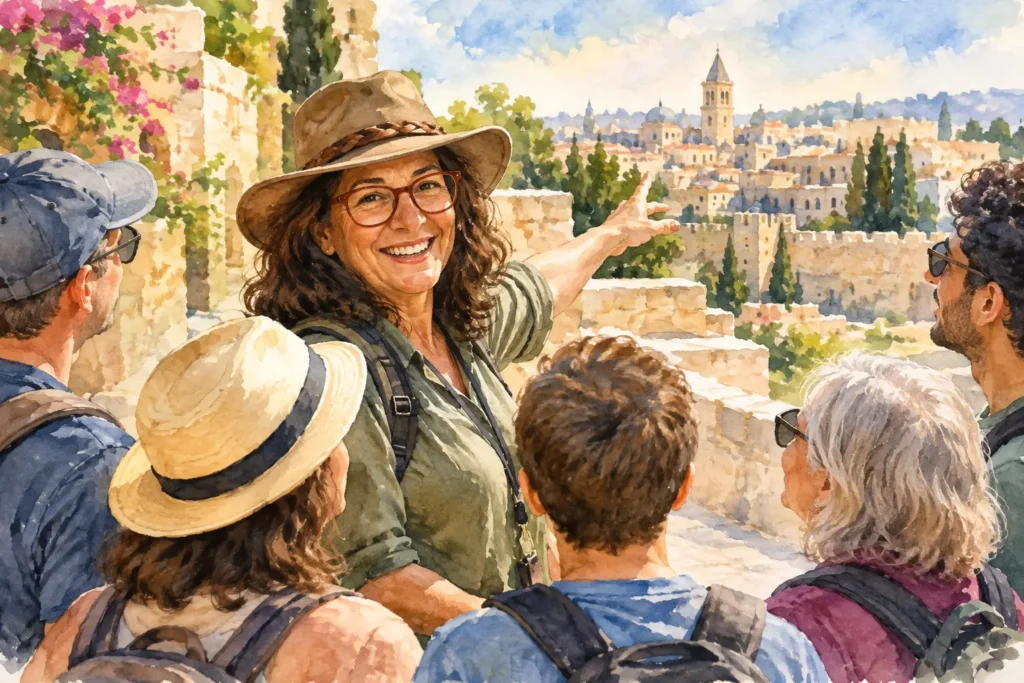
A private day in Jerusalem can mean standing quietly at an ancient overlook, tasting warm bread in a neighborhood bakery, meeting a local craftsperson, or hiking to a desert view before sunset. The difference is not just the itinerary. It is the person helping you make sense of what you see. Knowing how to choose an Israel private guide can turn a good trip into one that feels personal, unhurried, and genuinely memorable.
Israel is compact, but it is not simple. Sacred places, archaeological layers, lively cities, farms, coastlines, forests, and desert landscapes can sit surprisingly close together. A guide should do more than move you efficiently from one stop to the next. They should listen carefully, bring context to each place, and know when a planned moment deserves more time.
How to Choose an Israel Private Guide Who Fits You
Start with a simple question: what do you want to carry home from this trip? The answer may be family stories, a stronger connection to faith and heritage, a taste of daily life, beautiful photographs, a demanding hike, or a fresh perspective after a previous visit. There is no one right Israel itinerary, and the best private guide will not treat yours as if there is.
Some travelers want a first introduction to Jerusalem, Caesarea, Masada, the Dead Sea, Jaffa, and Tel Aviv. Others have already seen the headline sites and want to go further: a small village visit, a culinary workshop, an architectural walk, a conversation with a specialist, a quiet trail, or a day built around a personal interest. Be clear about where you fall on that spectrum before you begin comparing guides.
It also helps to consider the rhythm you enjoy. A family with children may prefer fewer stops, room for snacks and rest, and activities that invite participation. A couple may want a thoughtful balance of major sites and quiet local corners. A business traveler with one free afternoon may need something focused, meaningful, and close to their hotel. A guide who asks about pace early is usually planning for people, not simply filling hours.
Look First for Licensing and Deep Local Experience
Israel is a place where a wall, path, or hilltop can hold centuries of stories. A licensed guide has completed formal training and is qualified to interpret the country’s landscapes, history, faith traditions, and heritage sites with care. Licensing is not the only measure of a good guide, but it is a meaningful starting point, especially for travelers who want more than surface-level commentary.
Experience matters just as much. Ask how long the guide has been working in the field and what kinds of travelers they guide most often. Someone who has led tours for decades has learned how to read a group, adjust when weather changes, avoid a crowded moment when possible, and make a complicated place feel approachable.
The strongest guides combine knowledge with judgment. They know facts, but they also know which details will matter to you. They can explain the broad story of a place, then pause for the human detail that makes it real: a culinary tradition, a building technique, a landscape shaped by water and stone, or an encounter that adds a living voice to the day.
Ask About the Guide’s Specialty, Not Just Their Destinations
Many guides can take you to the same famous sites. The more useful question is how they guide them. If you love archaeology, look for someone who can go beyond dates and ruins. If your trip centers on faith, seek a guide comfortable with the spiritual and historical dimensions of the places that matter to you. If you want food, nature, photography, art, or family history, ask for examples of days they have created around those interests.
For active travelers, qualifications and practical experience are especially relevant. A desert hike, mountain walk, stream outing, or 4×4 day needs thoughtful route selection, realistic timing, and close attention to the group’s comfort level. Adventure should feel exciting, not rushed or poorly matched to your abilities.
Notice How They Build an Itinerary
A private guide should be able to explain not only what you will see, but why the day is arranged in a particular order. Timing can shape the entire experience. An early start may bring cooler desert temperatures. A later visit may suit a neighborhood that comes alive around lunch. A short drive between stops can be used for a story, a rest, or a worthwhile detour.
Customization is more than adding your favorite destination to a standard route. It means making choices about depth, logistics, energy, and atmosphere. A well-designed day may include one major heritage site, one lesser-known stop, a meal with character, and enough breathing room to enjoy all of it. Trying to see everything often means connecting with very little.
Ask whether the itinerary can shift during the day. Flexibility is valuable, but it should be purposeful. You may linger at a site that moves you, shorten a museum visit in favor of a walk, or decide that a conversation with a local host deserves more time. At the same time, a professional guide will be honest when traffic, opening hours, travel distances, or reservations make a last-minute change impractical.
Hidden Gems Should Have a Purpose
“Hidden gems” can be a wonderful part of a private tour, but the phrase should mean more than a secret stop added for novelty. The best lesser-known experiences reveal something about the region, its people, its food, its landscape, or your own interests. They might be a family-run workshop, a scenic route few visitors take, a market stall with a story, or an activity where you create something yourself.
If you have visited Israel before, this is where a private guide can be especially valuable. Tell them what you have already done, what felt meaningful, and what you would rather skip. A return trip does not need to repeat the same checklist. It can become more personal, more active, and more curious.
Make Sure Communication Feels Easy
The planning conversation is often a preview of the tour itself. Does the guide respond clearly? Do they ask thoughtful questions, or do they immediately send a generic schedule? Are they direct about what is possible within your available time and budget? Good communication builds trust long before you meet.
You should feel comfortable discussing practical needs as well. Mention mobility considerations, food preferences, religious observance, children’s ages, interests within a multigenerational family, or the desire for quiet time. None of these details are minor. They shape the route, the timing, and the kind of experiences that will feel welcoming.
Language is part of this, too. English-speaking travelers should not have to work hard to follow a guide’s explanations or ask questions. The best conversations are not lectures. They are lively exchanges where curiosity is welcomed, whether you are asking about an ancient inscription, a local ingredient, or what life feels like beyond the familiar visitor route.
Compare Value, Not Just the Daily Rate
Private guiding has a cost, and travelers should feel comfortable asking what is included. Is transportation part of the day? Are entrance fees, meals, tastings, activities, or special reservations separate? How many hours are planned, and what happens if the day runs longer? Clear answers prevent surprises and help you compare options fairly.
The lowest price is not always the best value, particularly when your trip time is limited. A deeply knowledgeable guide with a thoughtful route, reliable planning, and the ability to adapt can save you from wasted hours and forgettable stops. On the other hand, a high rate does not automatically guarantee a better experience. Look for clarity, professionalism, and a plan that reflects your actual priorities.
A private tour can also be shaped to your budget. Perhaps you choose one full day with a guide and explore independently on other days. Perhaps you invest in a specialized desert adventure or an in-depth Jerusalem day, then keep the rest of your schedule simple. The right choice depends on where expert context and personal access will add the most to your visit.
Choose a Guide You Can Imagine Spending the Day With
Credentials, routes, and logistics matter, but so does chemistry. Your guide will be beside you during moments of excitement, fatigue, surprise, and reflection. Look for someone who is warm without being intrusive, confident without talking over you, and organized without making the day feel rigid.
Read reviews with a specific eye. Rather than only looking for words such as “excellent” or “knowledgeable,” notice whether travelers mention listening, flexibility, patience, storytelling, and personal attention. These are the qualities that often separate a pleasant tour from a day that stays with you.
At Patchwork Israel, the aim is never to hand every traveler the same version of the country. It is to shape a day around the places, people, flavors, trails, and stories that will mean something to you.
When you find a guide who asks good questions and makes you feel heard, share the details that matter most: the places you dream of seeing, the experiences you do not want to miss, and the unexpected directions you would be happy to follow. That conversation is where your Israel journey truly begins.

Get the latest blog updates in your inbox.