
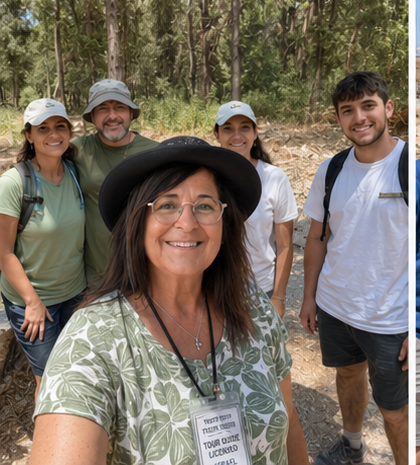
A Guide to Israel Second Visits
Your first trip to Israel often moves fast. Jerusalem, Masada, the Dead Sea, Tel Aviv, maybe Caesarea and the Galilee – beautiful, essential, unforgettable. But a guide to Israel second visits should begin with a simple truth: the return trip is often the one people remember most deeply, because this is when Israel stops feeling like a checklist and starts feeling personal.
On a second visit, you no longer need to prove you have seen the famous places. You can slow down. You can revisit one site with fresh eyes, skip another entirely, and leave room for the kinds of encounters that do not fit neatly into a standard bus itinerary. That shift matters. Israel is a small country, but it contains layers of history, spirituality, creativity, food, landscape, and human complexity that reveal themselves differently when you are not rushing from landmark to landmark.
Why a guide to Israel second visits needs a different mindset
The biggest mistake on a return trip is planning it like a first trip with a few substitutions. Second visits work best when they are built around depth instead of coverage. Rather than trying to see more places, aim to understand a few places better.
That might mean spending a full day in Jerusalem without trying to “do Jerusalem.” Instead of moving quickly between the major quarters and viewpoints, you might focus on one neighborhood, one market at different times of day, one archaeological thread, or one community story. The same is true almost anywhere in the country. Jaffa changes when you walk it with an eye for architecture and daily life rather than just old stones and sea views. The Galilee changes when food, farming, or local crafts become part of the day instead of a stop between churches or scenic overlooks.
A second visit also gives you permission to follow your own interests. If you are fascinated by archaeology, culinary traditions, desert landscapes, innovation, faith history, or contemporary culture, this is the trip where that interest should shape the route.
What to do on Israel second visits instead of repeating the classics
Some travelers really do want to return to iconic sites, and that can be a wise choice. A place like Jerusalem rarely feels finished after one visit. Masada at sunrise is different from Masada in the heat of midday. The Dead Sea can pair well with a quieter regional day if you avoid turning it into a rushed photo stop. Revisiting is not the problem. Repeating without intention is.
The stronger approach is to mix one or two anchors with experiences that widen the picture. If your first trip was heavy on biblical and heritage highlights, your second might include culinary workshops, artist studios, desert off-roading, nature hikes, or conversations with people whose daily lives offer a more textured understanding of the country. If your first trip focused on Christian or Jewish heritage, your second can still honor that while making space for broader cultural encounters.
This is often where a private, customized approach makes the biggest difference. A return traveler usually needs less explanation of the basics and more help finding the right doors to open.
Go narrower, not broader
A narrow theme often creates the richest day. Pick food and build around it. Pick water and explore streams, coastal cities, sailing, or desert springs. Pick craftsmanship and include mosaic work, culinary traditions, local design, or regional materials. Pick landscape and let the day move from forest to mountain to desert rather than from museum to museum.
There is no prize for squeezing the entire country into a second itinerary. The reward is in noticing more.
Choose encounters, not just attractions
Many second-time visitors discover that the most memorable moments are not at monuments at all. They happen over coffee in a home, in a workshop, at a vineyard, in a kitchen, on a farm, beside an excavation, or during a conversation with someone deeply rooted in their field or community.
These encounters bring context to places you may already know by name. They also make the trip feel less like tourism and more like engagement.
Regions that work especially well for second visits
Jerusalem remains one of the strongest choices for a return trip, but not necessarily for the reasons first-timers expect. The city rewards slower pacing. You can explore one layer at a time – archaeology, food, neighborhoods, art, sacred geography, or the rhythm of different communities across the week. Even travelers who think they have already “done” Jerusalem are often surprised by how much they missed simply because the city is dense and demanding.
The north also shines on second visits. The Galilee and Golan offer a balance many returning travelers appreciate: beautiful landscapes, meaningful heritage sites, wineries, food, hiking, and room to breathe. If your first trip was urban and historical, the north can feel like a reset. If your first trip already included the headline stops, a second trip lets you combine scenic routes with smaller local experiences that are harder to access in a rigid group format.
The Negev is another excellent choice, especially for travelers who want something active or contemplative. Desert travel changes the pace of a trip in the best way. A day of hiking, jeep touring, camel riding, foraging, or simply watching the light shift across the landscape can balance a schedule that might otherwise become too city-heavy. The desert tends to create memorable space – literal and emotional.
Tel Aviv and Jaffa also deserve more than a quick pass. On first trips, they are sometimes treated as modern counterpoints to ancient Israel. On second visits, they can become central: architecture, street life, culinary culture, coastline, markets, and creative energy all come forward when there is time to linger.
How long should an Israel second visit be?
It depends on your goal. If you are returning for a short business trip add-on or a family visit, even one or two well-designed days can be worthwhile. In that case, it is better to choose a focused experience than to attempt a miniature grand tour. A Jerusalem deep dive, a culinary day in Tel Aviv and Jaffa, or a desert adventure can stand on its own.
If you have five to seven days, the trip can start to breathe. That is enough time to combine two or three regions without turning every day into a transfer day. Eight to ten days gives the best flexibility for travelers who want a mix of heritage, culture, nature, and hands-on activities.
The trade-off is simple. The more regions you include, the less depth you get in each one. On second visits, depth usually wins.
Planning a guide to Israel second visits around your interests
The best return itineraries are not built around what is famous. They are built around what you care about. A family with older teens may want active days with enough meaning to hold everyone’s attention – hiking, off-roading, food, and a few carefully chosen heritage sites. A couple may want slower travel, boutique experiences, and conversations that add nuance. Faith-based travelers may want to revisit sacred places while expanding the journey through local context, music, food, or regional landscapes. Business travelers with limited time often do best with one compact but memorable experience rather than a generic half-day city tour.
This is also the stage when travelers often want access, not just transportation. They want someone to help shape the day around tempo, personality, and curiosity. That is where a seasoned guide matters most – not just for facts, but for judgment. Which places are worth revisiting? Which can be skipped? Which combinations make sense geographically and emotionally? A good return trip feels intentional, not crowded.
Sample directions for Israel second visits
One strong pattern is to pair a familiar place with a less expected one. You might revisit Jerusalem, then spend the next day in the hills with food, nature, and artisan encounters. You might combine the Dead Sea region with a deeper desert day instead of repeating the usual in-and-out route. You might use Tel Aviv as a base for coastal culture one day and inland heritage or agriculture the next.
Another pattern is to build around a single passion. Travelers interested in food can shape several days around markets, cooking, wine, regional specialties, and the people behind them. Travelers drawn to spirituality can revisit key sacred sites while giving more time to reflection and setting. Those who want movement can blend hiking, jeep routes, water activities, and scenic drives without losing the cultural side of the trip.
This is where a company like Patchwork Israel becomes especially valuable, because second visits are rarely about standard answers. They are about fit.
What returning travelers often appreciate most
They appreciate flexibility. Weather changes, energy shifts, and sometimes a place you thought would be a short stop becomes the center of the day. They appreciate honesty. Not every famous stop needs repeating. They appreciate context. The country becomes more meaningful when places are connected through story, landscape, tradition, and daily life rather than treated as isolated attractions.
Most of all, returning travelers appreciate feeling that the trip belongs to them. Not to a template. Not to a brochure. To them.
If you are planning a second visit, give yourself permission to travel differently this time. Go deeper, ask better questions, and leave space for surprise. That is often where Israel becomes less familiar and far more unforgettable.

A Guide to Israel Second Visits
Your first trip to Israel often moves fast. Jerusalem, Masada, the Dead Sea, Tel Aviv, maybe Caesarea and the Galilee – beautiful, essential, unforgettable. But a guide to Israel second visits should begin with a simple truth: the return trip is often the one people remember most deeply, because this is when Israel stops feeling like a checklist and starts feeling personal.
On a second visit, you no longer need to prove you have seen the famous places. You can slow down. You can revisit one site with fresh eyes, skip another entirely, and leave room for the kinds of encounters that do not fit neatly into a standard bus itinerary. That shift matters. Israel is a small country, but it contains layers of history, spirituality, creativity, food, landscape, and human complexity that reveal themselves differently when you are not rushing from landmark to landmark.
Why a guide to Israel second visits needs a different mindset
The biggest mistake on a return trip is planning it like a first trip with a few substitutions. Second visits work best when they are built around depth instead of coverage. Rather than trying to see more places, aim to understand a few places better.
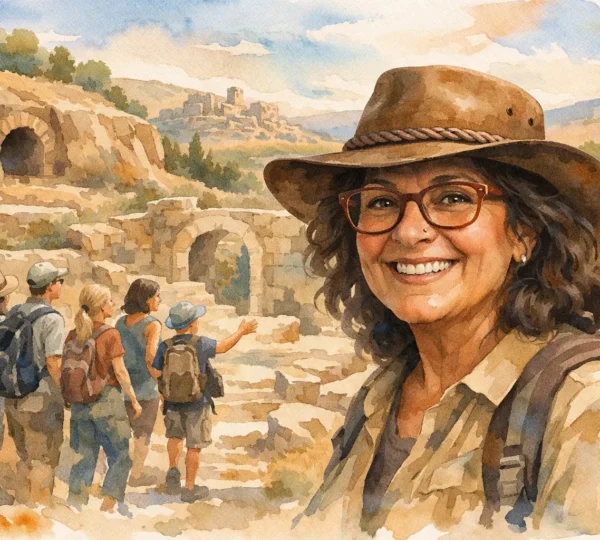
That might mean spending a full day in Jerusalem without trying to “do Jerusalem.” Instead of moving quickly between the major quarters and viewpoints, you might focus on one neighborhood, one market at different times of day, one archaeological thread, or one community story. The same is true almost anywhere in the country. Jaffa changes when you walk it with an eye for architecture and daily life rather than just old stones and sea views. The Galilee changes when food, farming, or local crafts become part of the day instead of a stop between churches or scenic overlooks.
A second visit also gives you permission to follow your own interests. If you are fascinated by archaeology, culinary traditions, desert landscapes, innovation, faith history, or contemporary culture, this is the trip where that interest should shape the route.
What to do on Israel second visits instead of repeating the classics
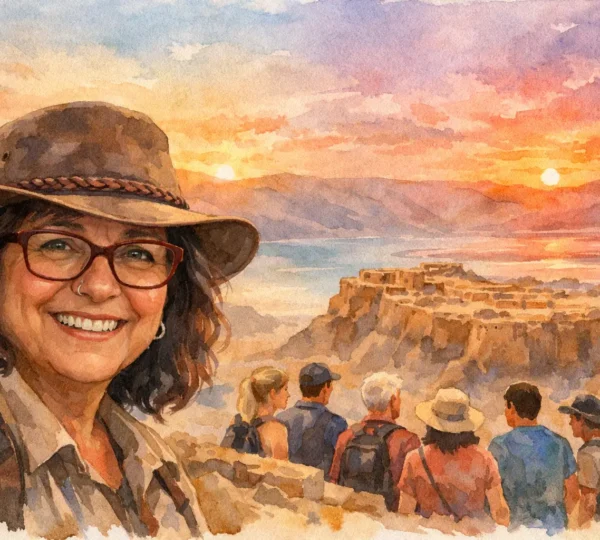
Some travelers really do want to return to iconic sites, and that can be a wise choice. A place like Jerusalem rarely feels finished after one visit. Masada at sunrise is different from Masada in the heat of midday. The Dead Sea can pair well with a quieter regional day if you avoid turning it into a rushed photo stop. Revisiting is not the problem. Repeating without intention is.
The stronger approach is to mix one or two anchors with experiences that widen the picture. If your first trip was heavy on biblical and heritage highlights, your second might include culinary workshops, artist studios, desert off-roading, nature hikes, or conversations with people whose daily lives offer a more textured understanding of the country. If your first trip focused on Christian or Jewish heritage, your second can still honor that while making space for broader cultural encounters.
This is often where a private, customized approach makes the biggest difference. A return traveler usually needs less explanation of the basics and more help finding the right doors to open.
Go narrower, not broader
A narrow theme often creates the richest day. Pick food and build around it. Pick water and explore streams, coastal cities, sailing, or desert springs. Pick craftsmanship and include mosaic work, culinary traditions, local design, or regional materials. Pick landscape and let the day move from forest to mountain to desert rather than from museum to museum.
There is no prize for squeezing the entire country into a second itinerary. The reward is in noticing more.
Choose encounters, not just attractions
Many second-time visitors discover that the most memorable moments are not at monuments at all. They happen over coffee in a home, in a workshop, at a vineyard, in a kitchen, on a farm, beside an excavation, or during a conversation with someone deeply rooted in their field or community.
These encounters bring context to places you may already know by name. They also make the trip feel less like tourism and more like engagement.
Regions that work especially well for second visits
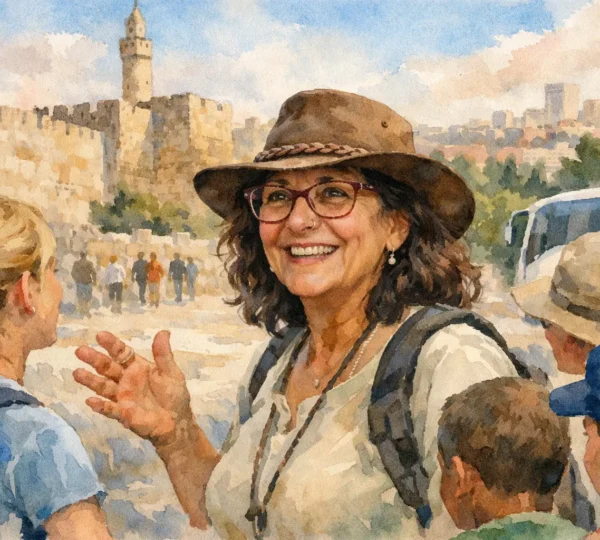
Jerusalem remains one of the strongest choices for a return trip, but not necessarily for the reasons first-timers expect. The city rewards slower pacing. You can explore one layer at a time – archaeology, food, neighborhoods, art, sacred geography, or the rhythm of different communities across the week. Even travelers who think they have already “done” Jerusalem are often surprised by how much they missed simply because the city is dense and demanding.
The north also shines on second visits. The Galilee and Golan offer a balance many returning travelers appreciate: beautiful landscapes, meaningful heritage sites, wineries, food, hiking, and room to breathe. If your first trip was urban and historical, the north can feel like a reset. If your first trip already included the headline stops, a second trip lets you combine scenic routes with smaller local experiences that are harder to access in a rigid group format.
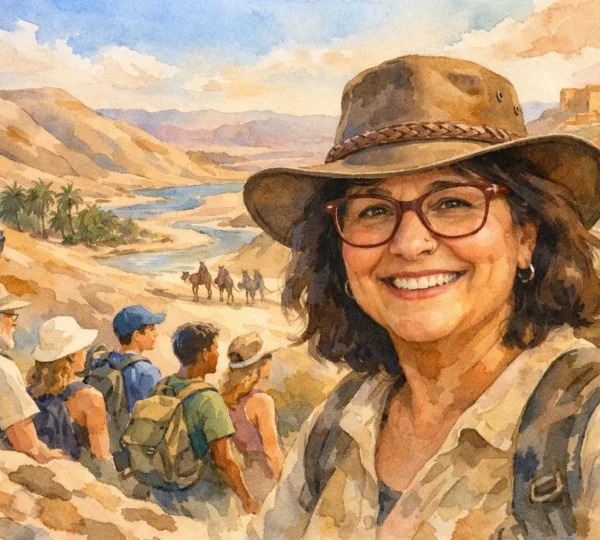
The Negev is another excellent choice, especially for travelers who want something active or contemplative. Desert travel changes the pace of a trip in the best way. A day of hiking, jeep touring, camel riding, foraging, or simply watching the light shift across the landscape can balance a schedule that might otherwise become too city-heavy. The desert tends to create memorable space – literal and emotional.
Tel Aviv and Jaffa also deserve more than a quick pass. On first trips, they are sometimes treated as modern counterpoints to ancient Israel. On second visits, they can become central: architecture, street life, culinary culture, coastline, markets, and creative energy all come forward when there is time to linger.
How long should an Israel second visit be?
It depends on your goal. If you are returning for a short business trip add-on or a family visit, even one or two well-designed days can be worthwhile. In that case, it is better to choose a focused experience than to attempt a miniature grand tour. A Jerusalem deep dive, a culinary day in Tel Aviv and Jaffa, or a desert adventure can stand on its own.
If you have five to seven days, the trip can start to breathe. That is enough time to combine two or three regions without turning every day into a transfer day. Eight to ten days gives the best flexibility for travelers who want a mix of heritage, culture, nature, and hands-on activities.
The trade-off is simple. The more regions you include, the less depth you get in each one. On second visits, depth usually wins.
Planning a guide to Israel second visits around your interests
The best return itineraries are not built around what is famous. They are built around what you care about. A family with older teens may want active days with enough meaning to hold everyone’s attention – hiking, off-roading, food, and a few carefully chosen heritage sites. A couple may want slower travel, boutique experiences, and conversations that add nuance. Faith-based travelers may want to revisit sacred places while expanding the journey through local context, music, food, or regional landscapes. Business travelers with limited time often do best with one compact but memorable experience rather than a generic half-day city tour.
This is also the stage when travelers often want access, not just transportation. They want someone to help shape the day around tempo, personality, and curiosity. That is where a seasoned guide matters most – not just for facts, but for judgment. Which places are worth revisiting? Which can be skipped? Which combinations make sense geographically and emotionally? A good return trip feels intentional, not crowded.
Sample directions for Israel second visits
One strong pattern is to pair a familiar place with a less expected one. You might revisit Jerusalem, then spend the next day in the hills with food, nature, and artisan encounters. You might combine the Dead Sea region with a deeper desert day instead of repeating the usual in-and-out route. You might use Tel Aviv as a base for coastal culture one day and inland heritage or agriculture the next.
Another pattern is to build around a single passion. Travelers interested in food can shape several days around markets, cooking, wine, regional specialties, and the people behind them. Travelers drawn to spirituality can revisit key sacred sites while giving more time to reflection and setting. Those who want movement can blend hiking, jeep routes, water activities, and scenic drives without losing the cultural side of the trip.
This is where a company like Patchwork Israel becomes especially valuable, because second visits are rarely about standard answers. They are about fit.
What returning travelers often appreciate most
They appreciate flexibility. Weather changes, energy shifts, and sometimes a place you thought would be a short stop becomes the center of the day. They appreciate honesty. Not every famous stop needs repeating. They appreciate context. The country becomes more meaningful when places are connected through story, landscape, tradition, and daily life rather than treated as isolated attractions.
Most of all, returning travelers appreciate feeling that the trip belongs to them. Not to a template. Not to a brochure. To them.
If you are planning a second visit, give yourself permission to travel differently this time. Go deeper, ask better questions, and leave space for surprise. That is often where Israel becomes less familiar and far more unforgettable.
Get the latest blog updates in your inbox.