
Israel Food Tours That Show the Real Country
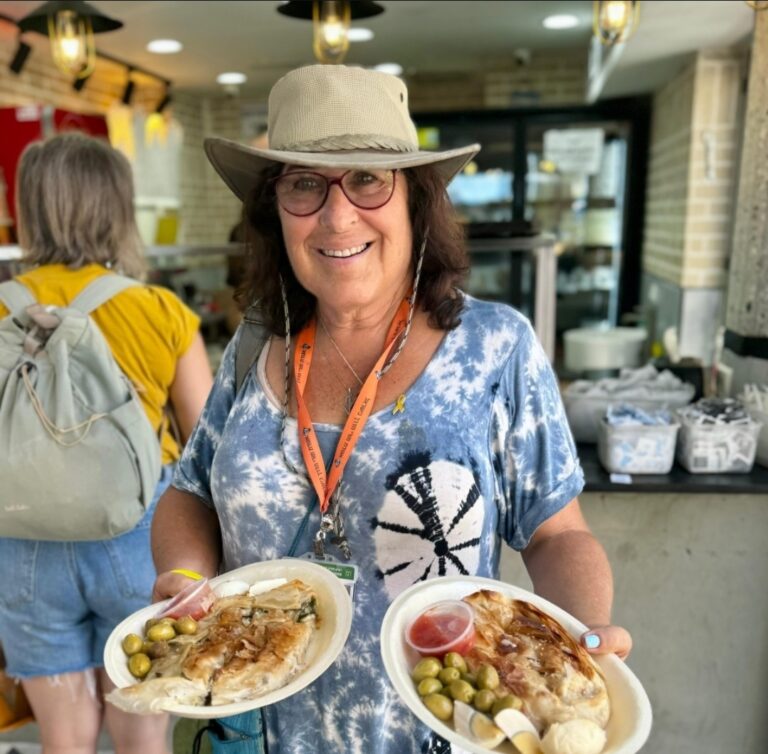
A plate of hummus tells you one story. A spice market at midday tells another. Sit down with a Druze host in the north, taste fresh bread in a village setting, or follow the scent of cardamom coffee through Jerusalem, and Israel food tours start to feel much bigger than a meal. They become one of the most natural ways to understand the country – through people, memory, tradition, migration, and the small details you would miss on your own.
For many travelers, food is the thread that ties a trip together. It gives shape to a city, texture to a conversation, and context to places that can otherwise feel rushed. In Israel, that matters even more. Distances are short, but the cultural range is wide. Jewish, Christian, Muslim, Alawite, Druze, and non-religious communities all contribute to the country’s daily life, and food often offers the most immediate, welcoming introduction.
Why Israel food tours work so well
Israel is not a one-note destination, and its food is not one cuisine. That is exactly why culinary touring here can be so rewarding. In a single trip, you might move from a bakery in Jerusalem to a market stall in Jaffa, from boutique wine country to a desert farm, from a chef-driven Tel Aviv lunch to a family kitchen where recipes have been passed down for generations.
A good food experience also solves a practical travel problem. Many visitors want depth, but not in a classroom way. They want to taste, ask questions, wander, and make sense of what they are seeing without feeling herded along. Food creates a relaxed entry point. People open up. Stories come naturally. A neighborhood becomes more than a stop on an itinerary.
That said, not every traveler wants the same kind of culinary day. Some are looking for iconic flavors and lively markets. Others have already seen the major sites and want a more personal window into daily life – a home visit, a conversation with a local producer, a slower look at a region beyond the standard route. The best approach depends on your pace, interests, dietary needs, and how much you want food to lead the day versus complement it.
What great Israel food tours include
The strongest food tours are not built around nonstop eating. They are built around context. A tasting in Mahane Yehuda Market is more meaningful when you understand who shops there, how the market changes from morning to evening, and why certain ingredients matter in different communities. A walk through Old Jaffa lands differently when the food is connected to the port city’s layered history and contemporary local life.
This is where private, customized touring makes a real difference. Rather than following a fixed script, the day can be shaped around what genuinely interests you. If you care about heritage, culinary stops can be paired with neighborhoods, sacred spaces, archaeological sites, or family stories. If you are adventurous, food can be woven into hiking, desert landscapes, wineries, or agricultural visits. If you have visited Israel before, the experience can go beyond the famous dishes and into lesser-known places, regional specialties, and conversations you would never find in a large group.
The right guide matters here. You want someone who knows when to pause at a bakery because the bread is exceptional, but also when to detour to a hidden street, a local producer, or a host family because the real value is in the encounter. That is a different experience from simply being shown where to snack.
Jerusalem, Tel Aviv, Jaffa, and beyond
Jerusalem and Tel Aviv usually anchor Israel food tours, and for good reason, but they offer very different moods.
Jerusalem is layered, intimate, and deeply tied to tradition. Its food scene moves between market energy and old family recipes, between religious rhythms and modern creativity. A culinary day here might include market tastings, neighborhood walks, pastries, coffee, and regional specialties that reflect the city’s many communities. Jerusalem is especially rewarding for travelers who want meaning alongside flavor.
Tel Aviv is more informal, contemporary, and fast-moving. It is a city of chef culture, street food, innovation, and beachside ease. Here, the pleasure often comes from contrast – old Yemenite influences, modern restaurants, boutique bakeries, vegan creativity, and markets that feel casual but serious about ingredients. If you love food as an expression of urban life, Tel Aviv delivers.
Jaffa adds another layer. It is compact, atmospheric, and ideal for travelers who want a day that feels both culinary and cultural. The food here often pairs beautifully with a stroll through historic lanes, artist quarters, and sea views. It works well for first-time visitors and repeat travelers alike.
But some of the most memorable culinary experiences happen outside the obvious centers. Northern villages, wineries, farms, desert settings, and home hospitality can turn a food day into something much more personal. For travelers who have already done the classic route, these are often the moments that stay with them longest.
Food as a doorway to people and place
The real strength of israel food tours is not just what you taste. It is who you meet and what opens up around the meal. A conversation over coffee can reveal more than a museum label. A farm visit can explain a landscape in a practical, grounded way. A family table can show hospitality, ritual, and memory with a warmth no formal attraction can reproduce.
This is especially valuable for travelers who want Israel to feel human and not just historic. Yes, major landmarks matter. But so do the living communities around them. Food can connect those layers beautifully. One day might combine a significant site with a market and a local lunch. Another might center on women’s stories, agricultural innovation, wine, or regional identity. There is no single correct version, which is exactly why customization matters.
For families, food touring can also be one of the easiest ways to keep everyone engaged. Children and adults experience it differently, but both can participate. For faith-based travelers, culinary experiences can add texture and everyday life to a trip with spiritual goals. For repeat visitors, food often becomes the bridge to deeper, less obvious Israel.
Is a private culinary tour worth it?
Often, yes – especially if your time is limited or your interests are specific. Private touring gives you flexibility with pace, timing, and emphasis. You can focus on markets, chef spots, regional traditions, home hospitality, wine, desert agriculture, or a mix of culinary and heritage experiences. If you keep kosher, prefer vegetarian meals, need gluten-free options, or want a day designed for multiple generations, private planning is simply easier.
There is a trade-off, of course. A private experience can cost more than joining a standard group outing. But it usually offers a better fit, less waiting, more conversation, and access to places that are not designed for mass tourism. When travelers want more than a checklist, that difference becomes obvious quickly.
At Patchwork Israel, this is where the day can become truly personal – built around your taste, your pace, and the kind of encounters you actually want to remember.
How to choose the right Israel food tours for your trip
Start by asking what kind of connection you want. If you are a first-time visitor, a market-based day in Jerusalem or Tel Aviv may give you the clearest, most enjoyable introduction. If you are returning to Israel, it may be time to look beyond the obvious and include villages, farms, wineries, or home visits. If your trip already includes heritage touring, culinary stops can be woven in rather than treated as a separate category.
Season also matters. Summer calls for a slightly different rhythm than winter. Religious holidays, market schedules, and Shabbat timing can shape what is possible and what atmosphere you will encounter. Some travelers want the buzz of a crowded market. Others prefer a quieter weekday with more room for conversation. Neither is better. It depends on your style.
And then there is the simplest question of all: what do you enjoy? Some people want classic street food and strong coffee. Others care more about wine, olive oil, cheese, bread, or contemporary chef culture. The most memorable tour is rarely the one with the most stops. It is the one that feels like it was designed for you.
The best meals in Israel are not always the fanciest ones. Sometimes they are the ones that help a place make sense. If your trip leaves room for that kind of experience, food can do more than satisfy your appetite – it can bring the country closer, one thoughtful stop at a time.

Israel Food Tours That Show the Real Country
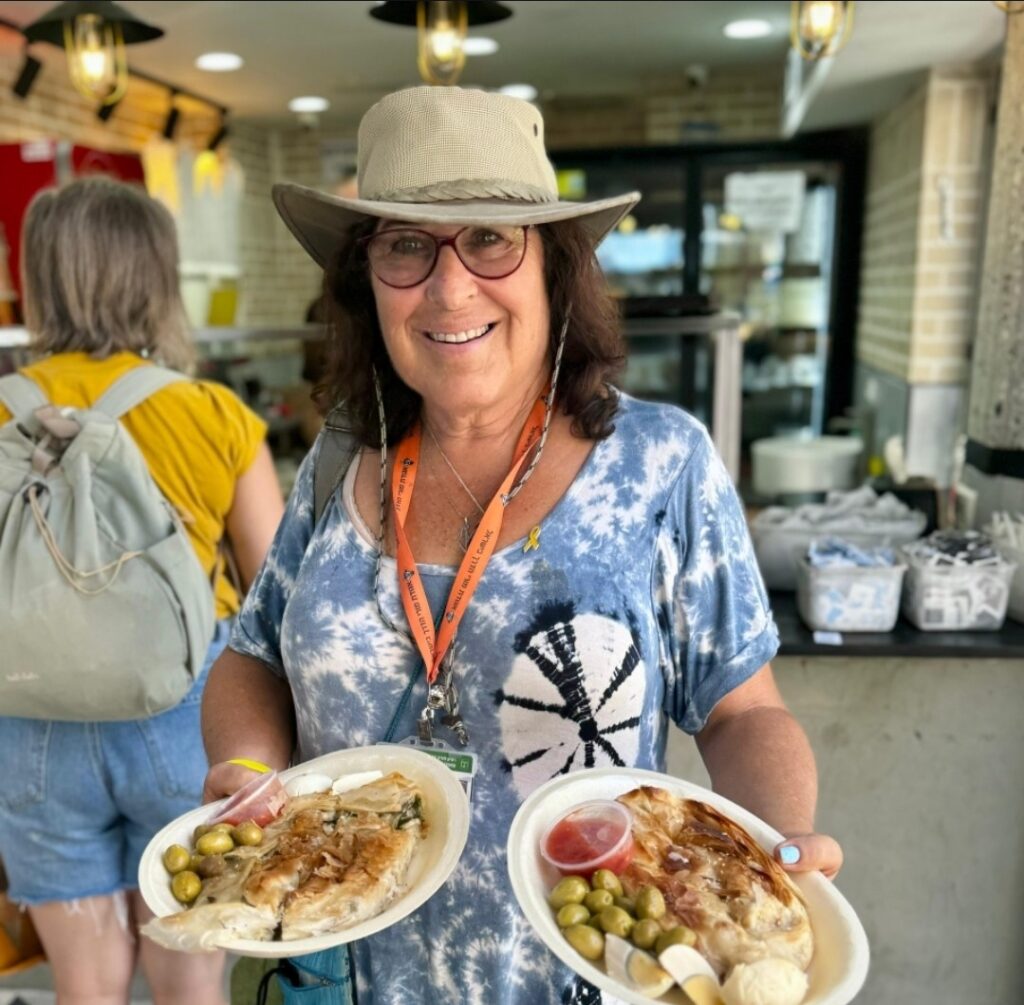
A plate of hummus tells you one story. A spice market at midday tells another. Sit down with a Druze host in the north, taste fresh bread in a village setting, or follow the scent of cardamom coffee through Jerusalem, and Israel food tours start to feel much bigger than a meal. They become one of the most natural ways to understand the country – through people, memory, tradition, migration, and the small details you would miss on your own.
For many travelers, food is the thread that ties a trip together. It gives shape to a city, texture to a conversation, and context to places that can otherwise feel rushed. In Israel, that matters even more. Distances are short, but the cultural range is wide. Jewish, Christian, Muslim, Alawite, Druze, and non-religious communities all contribute to the country’s daily life, and food often offers the most immediate, welcoming introduction.
Why Israel food tours work so well
Israel is not a one-note destination, and its food is not one cuisine. That is exactly why culinary touring here can be so rewarding. In a single trip, you might move from a bakery in Jerusalem to a market stall in Jaffa, from boutique wine country to a desert farm, from a chef-driven Tel Aviv lunch to a family kitchen where recipes have been passed down for generations.
A good food experience also solves a practical travel problem. Many visitors want depth, but not in a classroom way. They want to taste, ask questions, wander, and make sense of what they are seeing without feeling herded along. Food creates a relaxed entry point. People open up. Stories come naturally. A neighborhood becomes more than a stop on an itinerary.
That said, not every traveler wants the same kind of culinary day. Some are looking for iconic flavors and lively markets. Others have already seen the major sites and want a more personal window into daily life – a home visit, a conversation with a local producer, a slower look at a region beyond the standard route. The best approach depends on your pace, interests, dietary needs, and how much you want food to lead the day versus complement it.
What great Israel food tours include
The strongest food tours are not built around nonstop eating. They are built around context. A tasting in Mahane Yehuda Market is more meaningful when you understand who shops there, how the market changes from morning to evening, and why certain ingredients matter in different communities. A walk through Old Jaffa lands differently when the food is connected to the port city’s layered history and contemporary local life.
This is where private, customized touring makes a real difference. Rather than following a fixed script, the day can be shaped around what genuinely interests you. If you care about heritage, culinary stops can be paired with neighborhoods, sacred spaces, archaeological sites, or family stories. If you are adventurous, food can be woven into hiking, desert landscapes, wineries, or agricultural visits. If you have visited Israel before, the experience can go beyond the famous dishes and into lesser-known places, regional specialties, and conversations you would never find in a large group.
The right guide matters here. You want someone who knows when to pause at a bakery because the bread is exceptional, but also when to detour to a hidden street, a local producer, or a host family because the real value is in the encounter. That is a different experience from simply being shown where to snack.
Jerusalem, Tel Aviv, Jaffa, and beyond
Jerusalem and Tel Aviv usually anchor Israel food tours, and for good reason, but they offer very different moods.
Jerusalem is layered, intimate, and deeply tied to tradition. Its food scene moves between market energy and old family recipes, between religious rhythms and modern creativity. A culinary day here might include market tastings, neighborhood walks, pastries, coffee, and regional specialties that reflect the city’s many communities. Jerusalem is especially rewarding for travelers who want meaning alongside flavor.
Tel Aviv is more informal, contemporary, and fast-moving. It is a city of chef culture, street food, innovation, and beachside ease. Here, the pleasure often comes from contrast – old Yemenite influences, modern restaurants, boutique bakeries, vegan creativity, and markets that feel casual but serious about ingredients. If you love food as an expression of urban life, Tel Aviv delivers.
Jaffa adds another layer. It is compact, atmospheric, and ideal for travelers who want a day that feels both culinary and cultural. The food here often pairs beautifully with a stroll through historic lanes, artist quarters, and sea views. It works well for first-time visitors and repeat travelers alike.
But some of the most memorable culinary experiences happen outside the obvious centers. Northern villages, wineries, farms, desert settings, and home hospitality can turn a food day into something much more personal. For travelers who have already done the classic route, these are often the moments that stay with them longest.
Food as a doorway to people and place
The real strength of israel food tours is not just what you taste. It is who you meet and what opens up around the meal. A conversation over coffee can reveal more than a museum label. A farm visit can explain a landscape in a practical, grounded way. A family table can show hospitality, ritual, and memory with a warmth no formal attraction can reproduce.
This is especially valuable for travelers who want Israel to feel human and not just historic. Yes, major landmarks matter. But so do the living communities around them. Food can connect those layers beautifully. One day might combine a significant site with a market and a local lunch. Another might center on women’s stories, agricultural innovation, wine, or regional identity. There is no single correct version, which is exactly why customization matters.
For families, food touring can also be one of the easiest ways to keep everyone engaged. Children and adults experience it differently, but both can participate. For faith-based travelers, culinary experiences can add texture and everyday life to a trip with spiritual goals. For repeat visitors, food often becomes the bridge to deeper, less obvious Israel.
Is a private culinary tour worth it?
Often, yes – especially if your time is limited or your interests are specific. Private touring gives you flexibility with pace, timing, and emphasis. You can focus on markets, chef spots, regional traditions, home hospitality, wine, desert agriculture, or a mix of culinary and heritage experiences. If you keep kosher, prefer vegetarian meals, need gluten-free options, or want a day designed for multiple generations, private planning is simply easier.
There is a trade-off, of course. A private experience can cost more than joining a standard group outing. But it usually offers a better fit, less waiting, more conversation, and access to places that are not designed for mass tourism. When travelers want more than a checklist, that difference becomes obvious quickly.
At Patchwork Israel, this is where the day can become truly personal – built around your taste, your pace, and the kind of encounters you actually want to remember.
How to choose the right Israel food tours for your trip
Start by asking what kind of connection you want. If you are a first-time visitor, a market-based day in Jerusalem or Tel Aviv may give you the clearest, most enjoyable introduction. If you are returning to Israel, it may be time to look beyond the obvious and include villages, farms, wineries, or home visits. If your trip already includes heritage touring, culinary stops can be woven in rather than treated as a separate category.
Season also matters. Summer calls for a slightly different rhythm than winter. Religious holidays, market schedules, and Shabbat timing can shape what is possible and what atmosphere you will encounter. Some travelers want the buzz of a crowded market. Others prefer a quieter weekday with more room for conversation. Neither is better. It depends on your style.
And then there is the simplest question of all: what do you enjoy? Some people want classic street food and strong coffee. Others care more about wine, olive oil, cheese, bread, or contemporary chef culture. The most memorable tour is rarely the one with the most stops. It is the one that feels like it was designed for you.
The best meals in Israel are not always the fanciest ones. Sometimes they are the ones that help a place make sense. If your trip leaves room for that kind of experience, food can do more than satisfy your appetite – it can bring the country closer, one thoughtful stop at a time.
Get the latest blog updates in your inbox.