How to Customize Israel Travel That Fits You
Some travelers land in Israel with a long checklist. Others arrive with one clear feeling – they want the trip to mean something. If you are wondering how to customize Israel travel, the real starting point is not the map. It is your pace, your interests, and the kind of moments you want to remember after you get home.
That matters more in Israel than in many destinations. Distances are short, but the range of experiences is wide. In a single trip, you can stand in Jerusalem’s stone lanes, float in the Dead Sea, eat your way through Tel Aviv, hike desert landscapes, visit ancient ruins, and sit down for a conversation that changes how you understand the country. The challenge is not finding enough to do. It is choosing what deserves your time.
How to customize Israel travel without overpacking the itinerary
The most common mistake is trying to fit everything into one visit. Israel rewards focus. A traveler interested in biblical history needs a different rhythm from a family with teenagers, a couple celebrating an anniversary, or a repeat visitor who has already seen the major landmarks and now wants something more personal.
Start by deciding what kind of trip this is. Is it heritage-driven, faith-centered, culinary, active, cultural, or a mix? There is no wrong answer, but there is a wrong method: treating every interest as equally important. If history is your anchor, build around that and let food or scenery support it. If connection is your goal, leave room for conversations, home visits, workshops, and slower discoveries that do not fit neatly into a standard bus schedule.
Pace is just as important as content. Some travelers love full days with early starts and lots of ground covered. Others want one major site, a relaxed lunch, and time to absorb what they have seen. A customized trip should reflect your energy, not test it.
Build around your real interests, not just famous places
Jerusalem, Masada, the Dead Sea, Jaffa, Caesarea, and Tel Aviv earn their reputation. They belong on many itineraries for good reason. But the most memorable trips usually pair the classics with experiences that feel more personal.
If you love archaeology, you may want less time shopping and more time at sites where the layers of history are easier to read with an expert guide. If food is your language, a market visit can lead into a cooking workshop, bakery stop, wine tasting, or dinner shaped around regional flavors. If you are drawn to landscapes, a day in the desert might work better with a hike, a 4×4 route, or a quiet overlook than with another museum.
For repeat visitors, customization becomes even more valuable. Once the headline sites are checked off, Israel opens up in a different way. You can spend time in neighborhoods most visitors pass through quickly, explore lesser-known nature areas, meet people working in fields that interest you, or add hands-on activities that turn a sightseeing trip into an experience.
That is often where the trip becomes richer. Not bigger – richer.
Ask better questions before you plan
A useful itinerary starts with specific questions. What are you curious about right now? What have you already seen? What would feel too rushed? Are you traveling for spiritual connection, family bonding, learning, fun, or a bit of all four?
It also helps to be honest about what you do not enjoy. Not everyone wants long museum visits, steep hikes, crowded markets, or very early mornings. Good customization is not adding more. It is editing well.
Choose regions that work together
One reason custom trips succeed in Israel is that strong contrasts are close to each other. You do not need long internal flights to experience variety. But that does not mean every combination makes sense.
Jerusalem often asks for emotional and mental space. It is layered, intense, and rewarding when you do not rush it. Tel Aviv is different – more coastal, contemporary, and easier to enjoy at a looser pace. The desert offers yet another rhythm, especially if you want silence, big views, jeep routes, or hiking. The north can bring greener landscapes, mountain air, wineries, and a different cultural texture.
The smartest itineraries group experiences by mood as much as geography. A few days that blend Jerusalem with nearby historical and faith sites can be followed by a lighter stretch in Tel Aviv and Jaffa. A desert section works best when it is not squeezed between two heavy city days. If you want both adventure and reflection, sequence matters.
Balance iconic sites with hidden gems
A personalized itinerary should not avoid famous places just to seem original. It should give them the right context. Seeing Masada at sunrise can be extraordinary. So can ending the day with a desert experience that most visitors never add. Visiting Jerusalem’s major sacred sites is essential for many travelers, but quieter corners, local encounters, and in-depth guiding often shape the deeper memory.
This is where local knowledge makes a real difference. Hidden gems are not only secret viewpoints. Sometimes they are the right hour to visit a well-known site, a neighborhood bakery you would never find on your own, or a conversation in a setting that brings the country into focus.
Match activities to who is traveling
A customized trip for a multigenerational family should look different from a trip for a couple, a solo traveler, or a business visitor with one free day. This sounds obvious, but many itineraries still treat every group the same.
Families often do best with a mix of meaning and movement. A serious historical morning can pair well with a hands-on workshop, nature stop, or something playful in the afternoon. Adult travelers may want longer site visits, better wine, slower meals, and more nuanced conversation. Travelers returning to Israel after previous visits may care less about seeing everything and more about going deeper.
Business travelers are a category of their own. If you only have a short window, customization is even more important. One well-shaped day can combine a major site, excellent food, and a meaningful encounter without feeling frantic. The goal is not to sample Israel quickly. It is to experience one part of it well.
Let logistics serve the experience
The practical side of planning matters because poor logistics can flatten a great idea. Travel time, heat, walking level, hotel location, start times, and meal planning all affect how a day feels.
For example, summer may call for early desert departures and indoor cultural experiences later in the day. Travelers with limited mobility may still enjoy a rich itinerary, but site selection and timing have to be handled with care. Religious interests may shape which days are best for certain places. Food preferences can be woven in naturally, but only if someone is paying attention.
A custom itinerary should also leave breathing room. Not every hour needs to be programmed. Sometimes the best moments happen because there is time to linger, ask one more question, stop at a lookout, or follow an unexpected recommendation.
Work with a guide who can shape, not just deliver
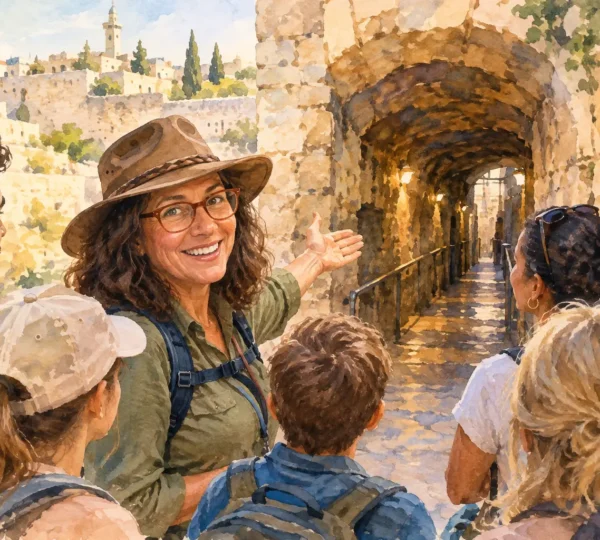
If you really want to know how to customize Israel travel, this may be the most important piece: choose guidance that is flexible enough to respond to you. A generic schedule can move people from point A to point B. A skilled licensed guide can read the group, adjust the day, add context, and connect the visible landscape with the human one.
That is especially important in Israel, where places often carry multiple layers at once – historical, spiritual, cultural, culinary, and personal. The right guide helps you see more than the site. She helps you understand why this stop belongs on your itinerary and why another one might not.
With a company like Patchwork Israel, customization can include both the expected highlights and the experiences most travelers never think to request until someone local suggests them. That could mean a deeper look at a site you thought you knew, a visit built around a professional interest, an outdoor adventure that changes the pace of the trip, or a meaningful encounter that makes the country feel less abstract and more human.
The best custom trips feel coherent
The final test of a personalized itinerary is simple. Does it feel like one trip, or like five unrelated days? The strongest custom journeys have a thread running through them. Maybe that thread is faith. Maybe it is food, family roots, landscape, conversation, or curiosity. Whatever it is, each day should add to it.
That does not mean every day must match. Contrast is part of Israel’s appeal. But there should be a reason behind the choices. A morning in an ancient city, an afternoon tasting local flavors, and the next day on a desert trail can absolutely belong together – if they reflect who you are and how you want to experience the country.
Israel does not need to be done all at once. It is better when it is shaped with intention, guided with insight, and paced for real enjoyment. The more honestly you define what you want, the more personal the journey becomes – and that is usually where the trip starts to feel unforgettable.

How to Customize Israel Travel That Fits You
Some travelers land in Israel with a long checklist. Others arrive with one clear feeling – they want the trip to mean something. If you are wondering how to customize Israel travel, the real starting point is not the map. It is your pace, your interests, and the kind of moments you want to remember after you get home.
That matters more in Israel than in many destinations. Distances are short, but the range of experiences is wide. In a single trip, you can stand in Jerusalem’s stone lanes, float in the Dead Sea, eat your way through Tel Aviv, hike desert landscapes, visit ancient ruins, and sit down for a conversation that changes how you understand the country. The challenge is not finding enough to do. It is choosing what deserves your time.
How to customize Israel travel without overpacking the itinerary
The most common mistake is trying to fit everything into one visit. Israel rewards focus. A traveler interested in biblical history needs a different rhythm from a family with teenagers, a couple celebrating an anniversary, or a repeat visitor who has already seen the major landmarks and now wants something more personal.
Start by deciding what kind of trip this is. Is it heritage-driven, faith-centered, culinary, active, cultural, or a mix? There is no wrong answer, but there is a wrong method: treating every interest as equally important. If history is your anchor, build around that and let food or scenery support it. If connection is your goal, leave room for conversations, home visits, workshops, and slower discoveries that do not fit neatly into a standard bus schedule.
Pace is just as important as content. Some travelers love full days with early starts and lots of ground covered. Others want one major site, a relaxed lunch, and time to absorb what they have seen. A customized trip should reflect your energy, not test it.
Build around your real interests, not just famous places
Jerusalem, Masada, the Dead Sea, Jaffa, Caesarea, and Tel Aviv earn their reputation. They belong on many itineraries for good reason. But the most memorable trips usually pair the classics with experiences that feel more personal.
If you love archaeology, you may want less time shopping and more time at sites where the layers of history are easier to read with an expert guide. If food is your language, a market visit can lead into a cooking workshop, bakery stop, wine tasting, or dinner shaped around regional flavors. If you are drawn to landscapes, a day in the desert might work better with a hike, a 4×4 route, or a quiet overlook than with another museum.
For repeat visitors, customization becomes even more valuable. Once the headline sites are checked off, Israel opens up in a different way. You can spend time in neighborhoods most visitors pass through quickly, explore lesser-known nature areas, meet people working in fields that interest you, or add hands-on activities that turn a sightseeing trip into an experience.
That is often where the trip becomes richer. Not bigger – richer.
Ask better questions before you plan
A useful itinerary starts with specific questions. What are you curious about right now? What have you already seen? What would feel too rushed? Are you traveling for spiritual connection, family bonding, learning, fun, or a bit of all four?
It also helps to be honest about what you do not enjoy. Not everyone wants long museum visits, steep hikes, crowded markets, or very early mornings. Good customization is not adding more. It is editing well.
Choose regions that work together
One reason custom trips succeed in Israel is that strong contrasts are close to each other. You do not need long internal flights to experience variety. But that does not mean every combination makes sense.
Jerusalem often asks for emotional and mental space. It is layered, intense, and rewarding when you do not rush it. Tel Aviv is different – more coastal, contemporary, and easier to enjoy at a looser pace. The desert offers yet another rhythm, especially if you want silence, big views, jeep routes, or hiking. The north can bring greener landscapes, mountain air, wineries, and a different cultural texture.
The smartest itineraries group experiences by mood as much as geography. A few days that blend Jerusalem with nearby historical and faith sites can be followed by a lighter stretch in Tel Aviv and Jaffa. A desert section works best when it is not squeezed between two heavy city days. If you want both adventure and reflection, sequence matters.
Balance iconic sites with hidden gems
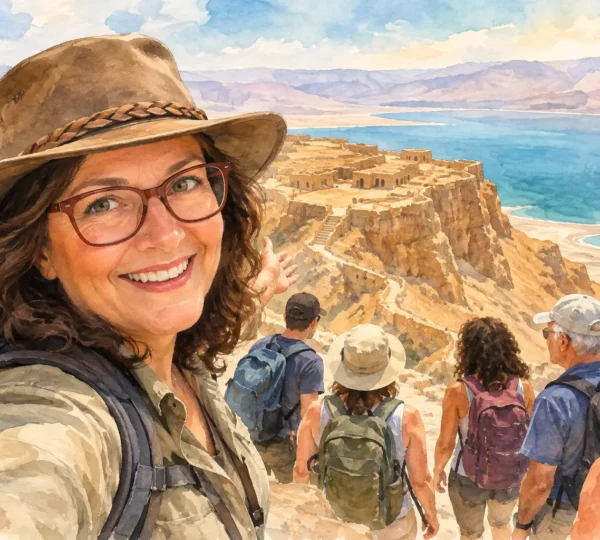
A personalized itinerary should not avoid famous places just to seem original. It should give them the right context. Seeing Masada at sunrise can be extraordinary. So can ending the day with a desert experience that most visitors never add. Visiting Jerusalem’s major sacred sites is essential for many travelers, but quieter corners, local encounters, and in-depth guiding often shape the deeper memory.
This is where local knowledge makes a real difference. Hidden gems are not only secret viewpoints. Sometimes they are the right hour to visit a well-known site, a neighborhood bakery you would never find on your own, or a conversation in a setting that brings the country into focus.
Match activities to who is traveling
A customized trip for a multigenerational family should look different from a trip for a couple, a solo traveler, or a business visitor with one free day. This sounds obvious, but many itineraries still treat every group the same.
Families often do best with a mix of meaning and movement. A serious historical morning can pair well with a hands-on workshop, nature stop, or something playful in the afternoon. Adult travelers may want longer site visits, better wine, slower meals, and more nuanced conversation. Travelers returning to Israel after previous visits may care less about seeing everything and more about going deeper.
Business travelers are a category of their own. If you only have a short window, customization is even more important. One well-shaped day can combine a major site, excellent food, and a meaningful encounter without feeling frantic. The goal is not to sample Israel quickly. It is to experience one part of it well.
Let logistics serve the experience
The practical side of planning matters because poor logistics can flatten a great idea. Travel time, heat, walking level, hotel location, start times, and meal planning all affect how a day feels.
For example, summer may call for early desert departures and indoor cultural experiences later in the day. Travelers with limited mobility may still enjoy a rich itinerary, but site selection and timing have to be handled with care. Religious interests may shape which days are best for certain places. Food preferences can be woven in naturally, but only if someone is paying attention.
A custom itinerary should also leave breathing room. Not every hour needs to be programmed. Sometimes the best moments happen because there is time to linger, ask one more question, stop at a lookout, or follow an unexpected recommendation.
Work with a guide who can shape, not just deliver
If you really want to know how to customize Israel travel, this may be the most important piece: choose guidance that is flexible enough to respond to you. A generic schedule can move people from point A to point B. A skilled licensed guide can read the group, adjust the day, add context, and connect the visible landscape with the human one.
That is especially important in Israel, where places often carry multiple layers at once – historical, spiritual, cultural, culinary, and personal. The right guide helps you see more than the site. She helps you understand why this stop belongs on your itinerary and why another one might not.
With a company like Patchwork Israel, customization can include both the expected highlights and the experiences most travelers never think to request until someone local suggests them. That could mean a deeper look at a site you thought you knew, a visit built around a professional interest, an outdoor adventure that changes the pace of the trip, or a meaningful encounter that makes the country feel less abstract and more human.
The best custom trips feel coherent
The final test of a personalized itinerary is simple. Does it feel like one trip, or like five unrelated days? The strongest custom journeys have a thread running through them. Maybe that thread is faith. Maybe it is food, family roots, landscape, conversation, or curiosity. Whatever it is, each day should add to it.
That does not mean every day must match. Contrast is part of Israel’s appeal. But there should be a reason behind the choices. A morning in an ancient city, an afternoon tasting local flavors, and the next day on a desert trail can absolutely belong together – if they reflect who you are and how you want to experience the country.
Israel does not need to be done all at once. It is better when it is shaped with intention, guided with insight, and paced for real enjoyment. The more honestly you define what you want, the more personal the journey becomes – and that is usually where the trip starts to feel unforgettable.
Get the latest blog updates in your inbox.