

Some of the best hidden gems in Israel are the places people almost drive past – a cliff with silence instead of crowds, a village lane with layered history, a spring where the light changes by the minute. If you have already seen Jerusalem, Masada, the Dead Sea, Jaffa, and Tel Aviv, or if you simply want a trip that feels more personal from the start, these are the places that often stay with you longest.
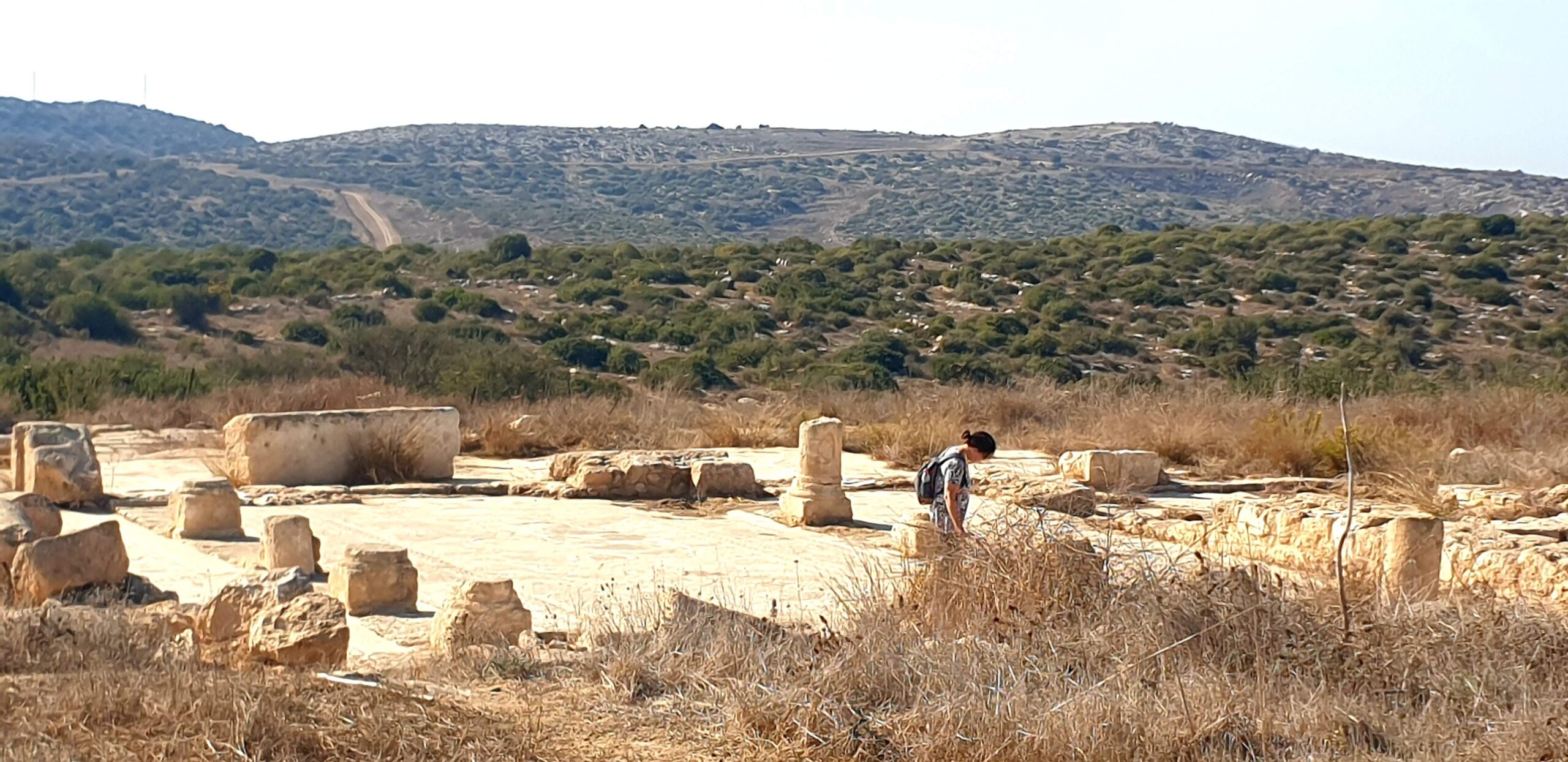
What makes Israel so rewarding is not only the famous sites. It is the density of experience. In one day, you can move from a mosaic-rich national park to a mountain village, then end with a meal and a conversation that gives the landscape a human voice. That is where a well-planned itinerary matters. The lesser-known places are wonderful, but the right sequence, timing, and context make them come alive.
Why hidden gems in Israel matter
A hidden gem is not just a place without tour buses. It is a place that reveals something essential about the country – its geography, faith traditions, food, archaeology, communities, or outdoor life – in a more intimate way. Sometimes that means a small site near a major destination. Sometimes it means heading into the desert, the Galilee, or the Golan with a guide who knows when the light is best and what story the stones are telling.
These places are especially good for return travelers, families with mixed interests, and visitors from all religious or non-religious backgrounds who want more than a standard checklist. The key is to match the place to the person. A history lover and a hiker may both enjoy the same region, but not in the same way.
11 hidden gems in Israel to add to your trip
1. Rock Drawings Above Ein Avdat
In the Negev, Ein Avdat offers a dramatic canyon, desert cliffs, and surprising water in a setting that feels almost cinematic. It is not an unknown site, but compared with Israel’s headline attractions, it still feels refreshingly spacious.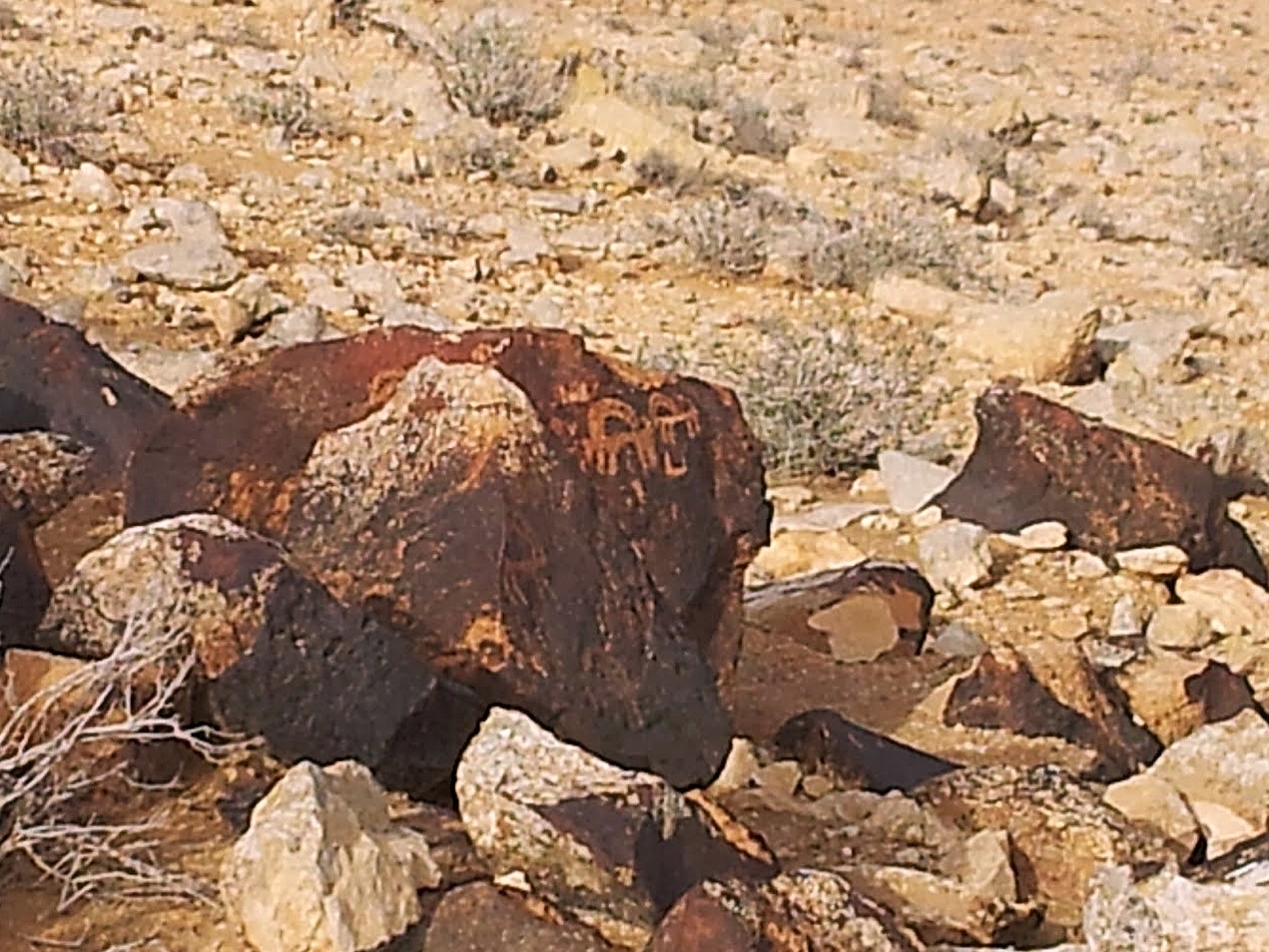 But if you have already been there and want to delve a little deeper into the area, a quick walk up the hill and you will find stones with painted drawings that have been there for thousands of years. They tell a story – but the interpretation of the story is where it gets interesting.
This is a smart choice for travelers who want desert beauty without a full extreme hike. The trail is fairly easy, but uphill, so it depends on your comfort level, but the payoff is excellent. Pair it with a secret and ancient Nabataean water reservoir hidden in plain sight, or a longer Negev day for a deeper sense of the southern landscape.
2. Shivta
If you love archaeology but prefer quiet over crowds, Shivta is one of the most compelling stops in the Negev. This ancient desert settlement that was once home to Nabataeans, Romans, Byzantines and Muslims has a haunting, open feel.
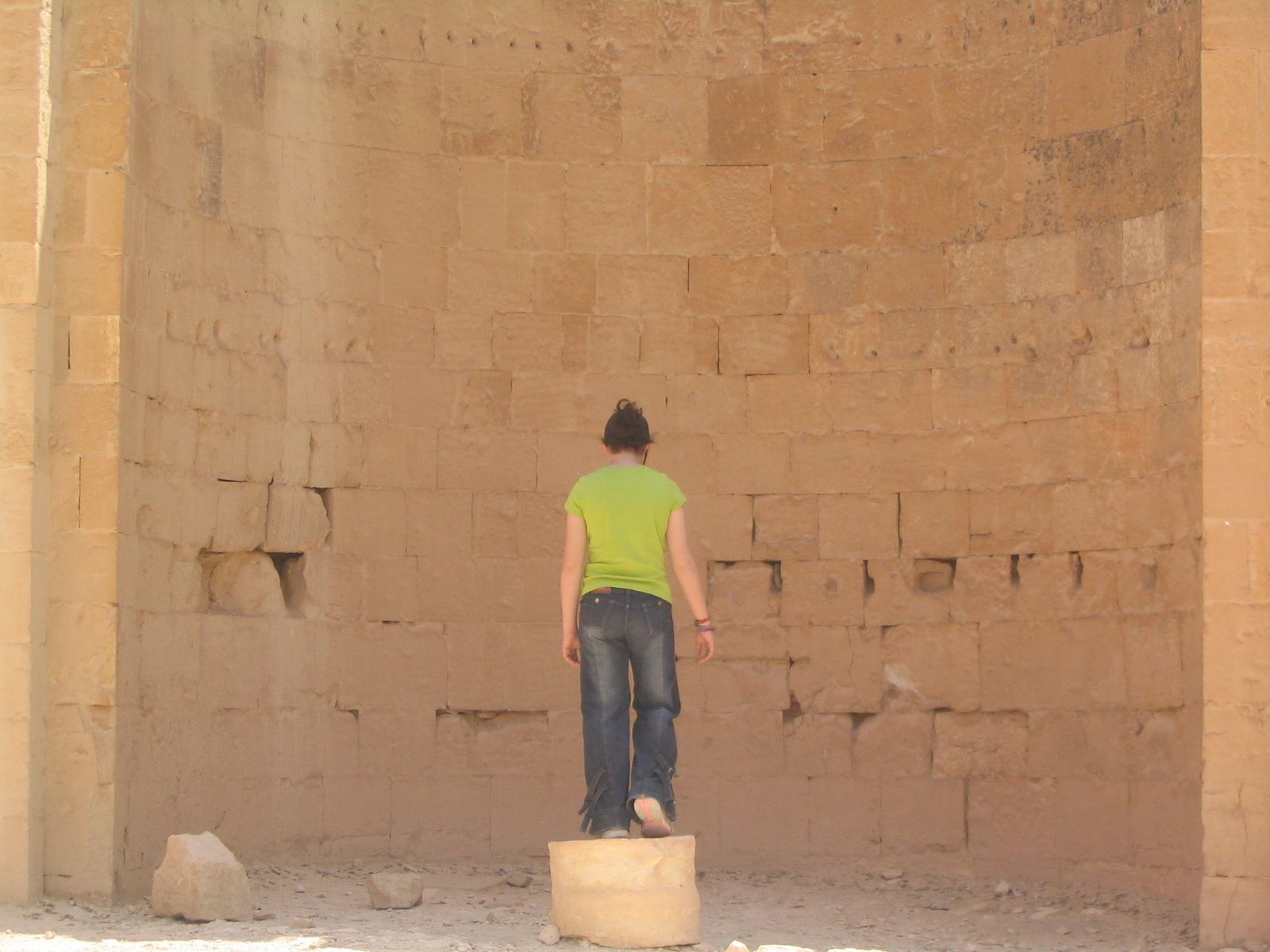
Churches,(but not only) streets, and stone structures remain in a way that makes you feel what the daily life had been like rather than just admire ruins from a distance.
It works particularly well for travelers interested in early Christian history, desert settlement, and photography. Midday sun can be intense, so timing matters here.
3. Khirbet Itri
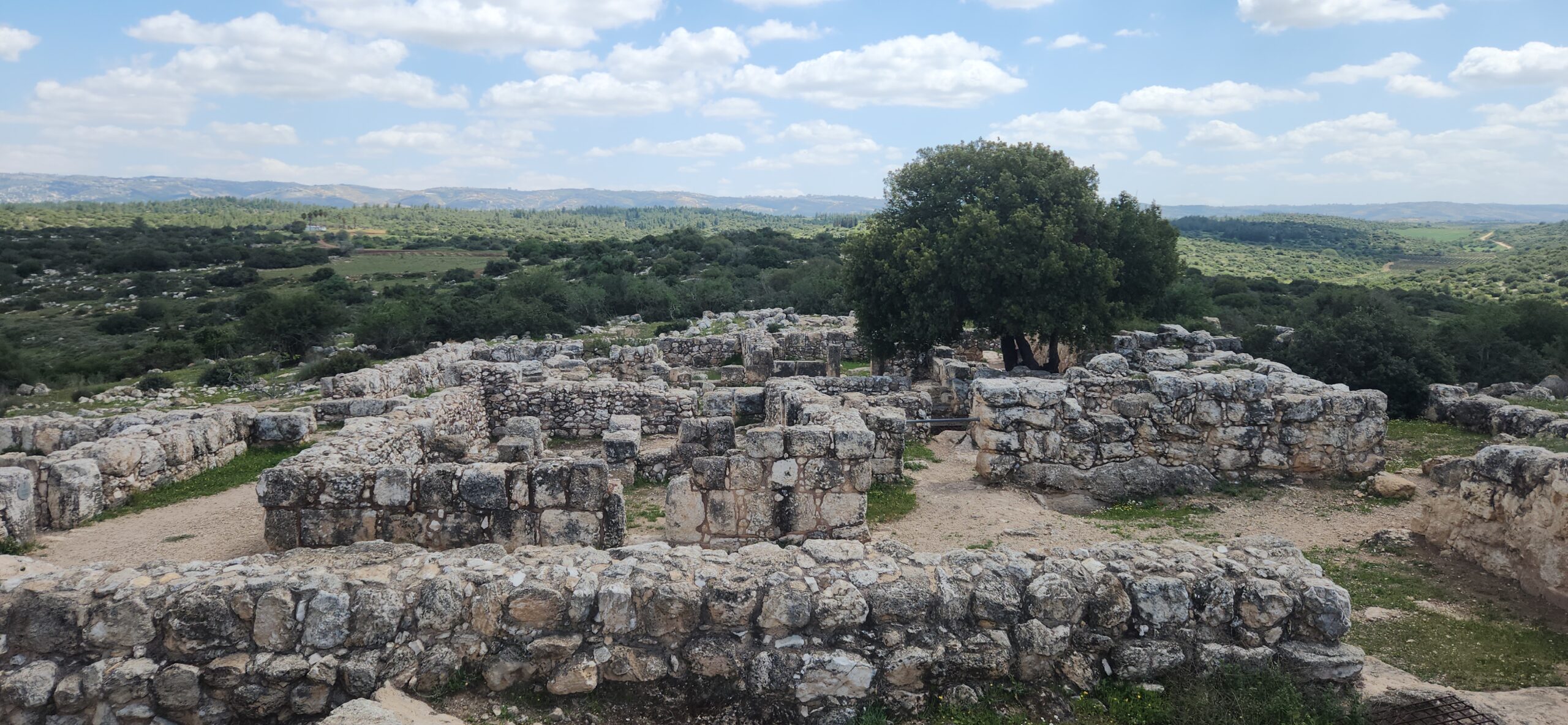
Khirbet Itri, in the Judean Lowlands (Shfela) is the kind of site most visitors never hear about before they arrive. It combines ancient remains, cave hideouts, underground water systems, ritual baths and synagogue history in a setting that feels both remote and deeply rooted.
While still a minor site, for Jewish heritage travelers, it can be especially meaningful. For families and culturally curious visitors, it opens a wider conversation about how people lived in this rugged region. The landscape itself adds to the experience – broad, fertile, and quietly beautiful. The area is particularly good for hiking and off-roading.
4. Ein Keshatot
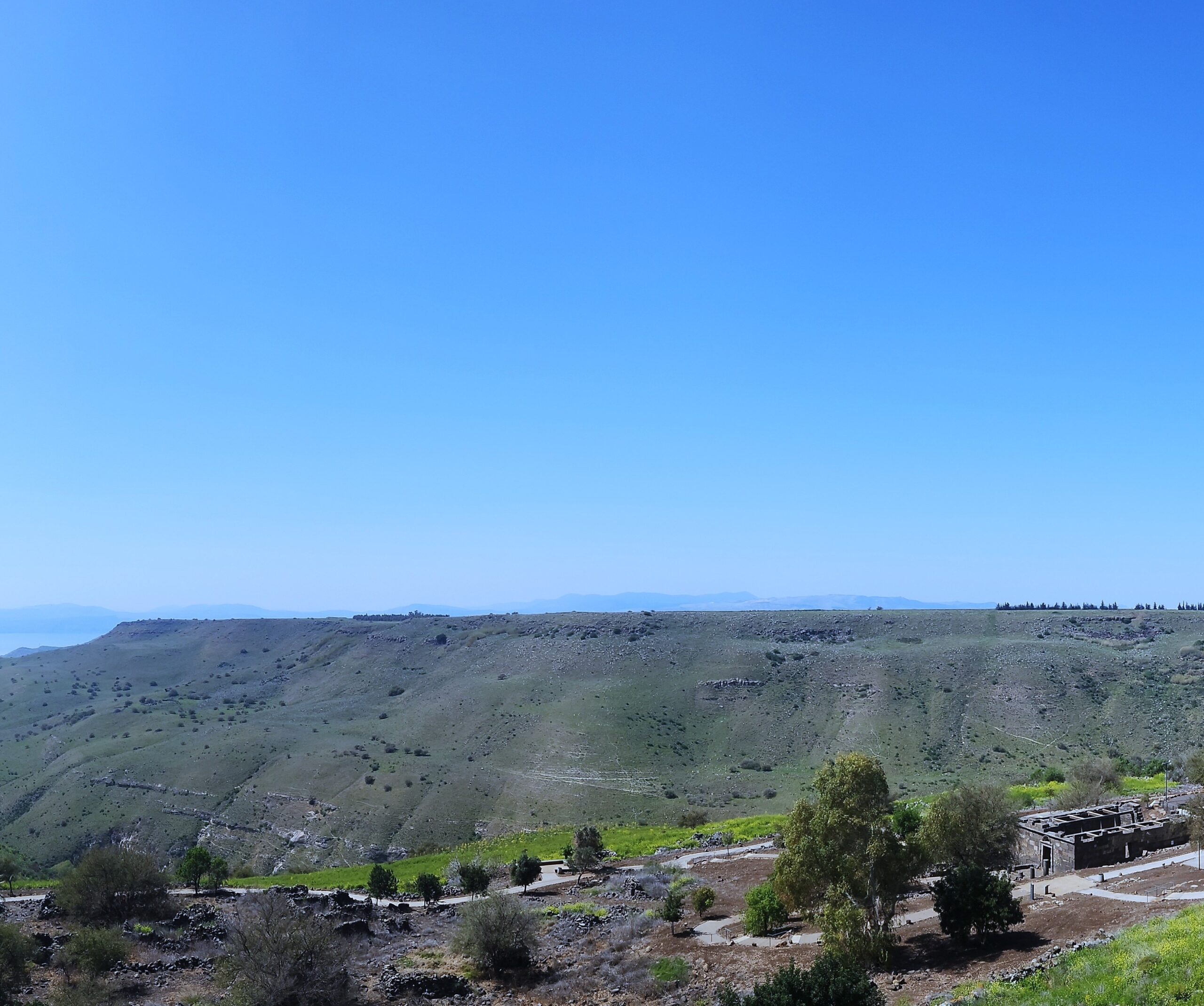 In the Golan, Ein Keshatot is one of those places that surprises people. The reconstructed ancient synagogue is impressive, but what makes the visit memorable is the way the site combines archaeology, craftsmanship, and setting. You can feel the care that went into bringing the story forward.
This stop works well for travelers who enjoy history with substance but do not want another overwhelming museum day. It pairs nicely with scenic driving, wineries, or nature in the Golan.
5. Peki’in
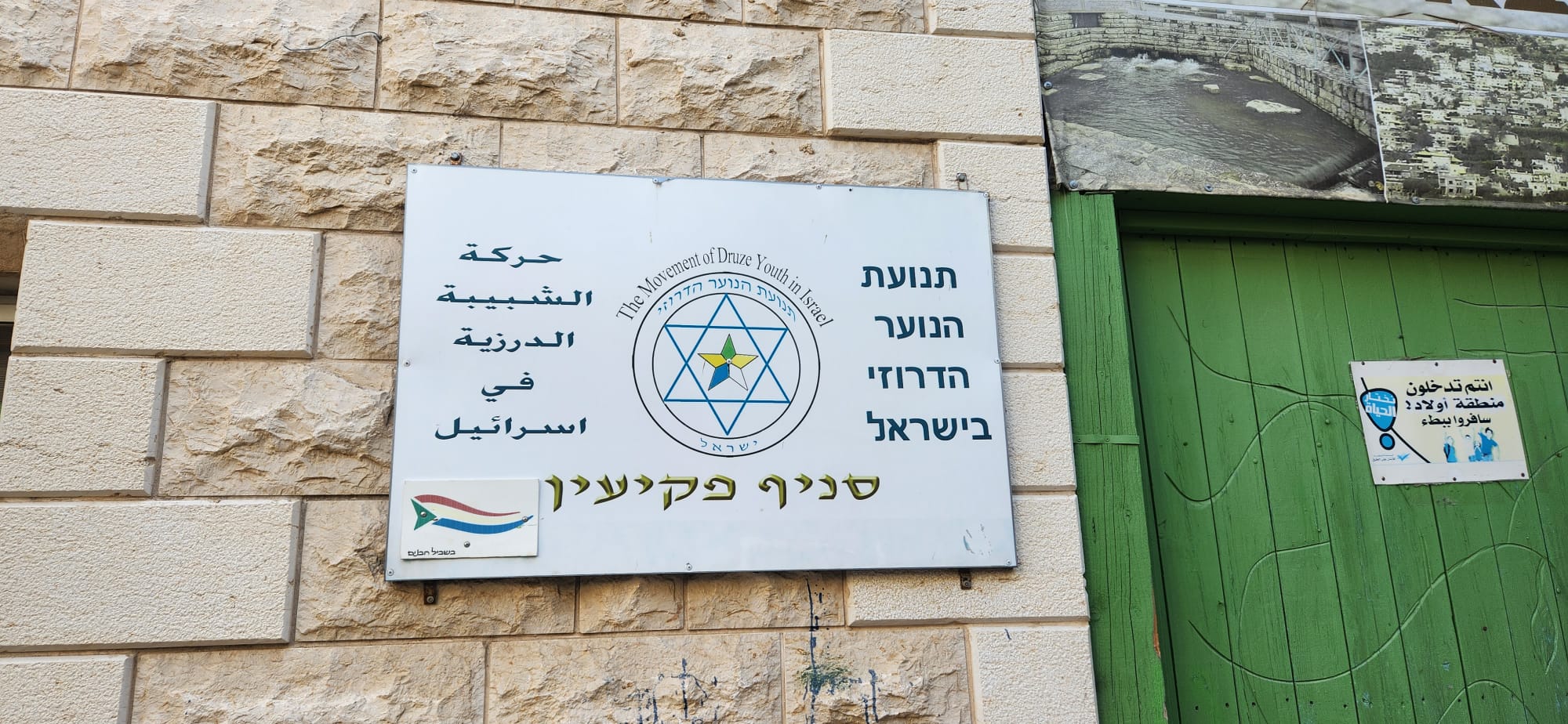
Peki’in is a small Galilee village with a layered identity and a very human scale. It is one of the rare places where the story is not only in monuments, but in the ongoing life of the village itself. Walking here feels different from walking through a polished tourist center.
This is the kind of destination that benefits enormously from context. A good visit is not just about seeing a few corners. It is about understanding the communities, traditions, continuity and change that make the place meaningful.
6.Pool of the Arches
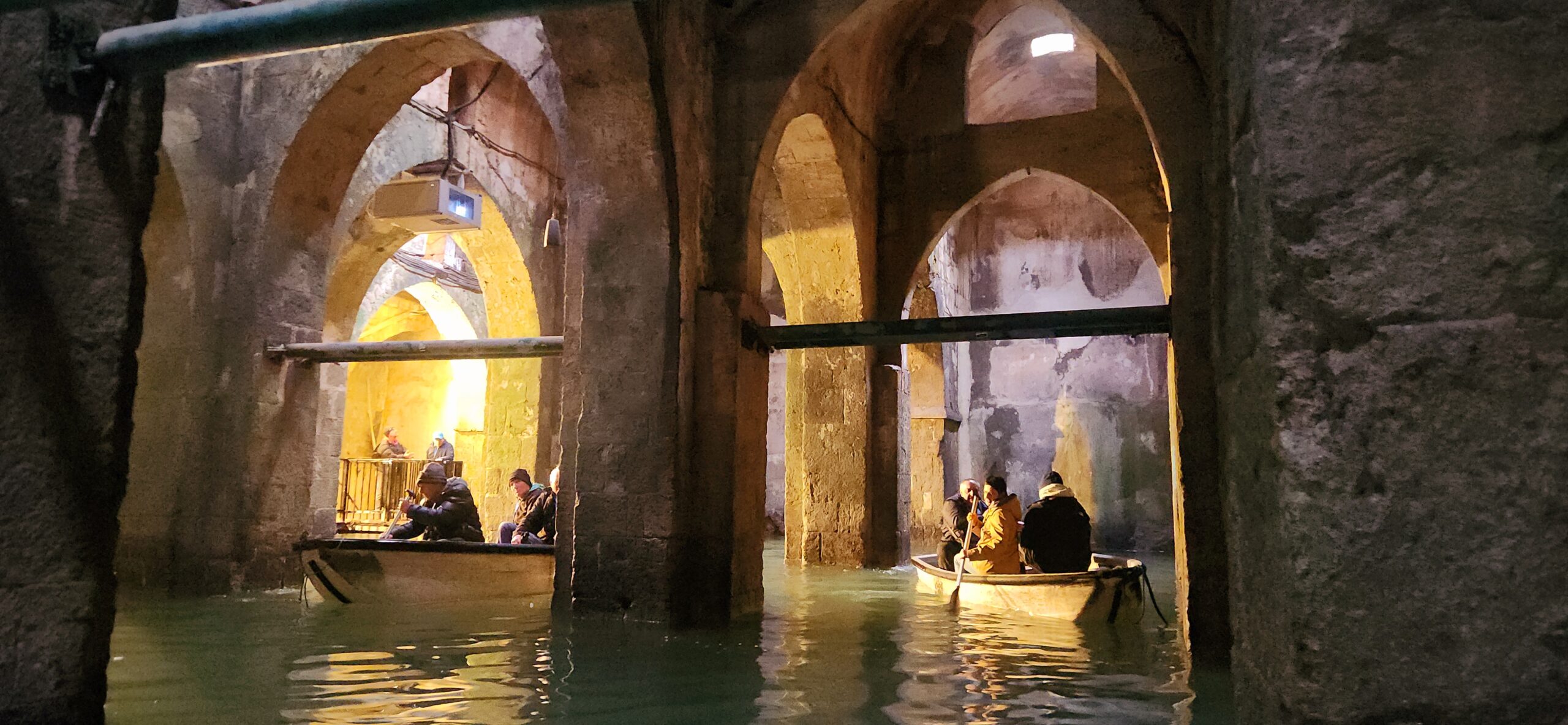
For travelers who want something unexpected, the Pool of the Arches provides a beautiful surprise. This underground pool in Ramla was built by one of the Islamic dynasties that ruled here for a time centuries ago.
It is ideal for active travelers, families with children, and anyone wanting a break from the main sightseeing attractions. Feel free to get into one of the little rowboats and take a spin in this ancient reservoir.
7. Rosh Hanikra’s quieter corners
Many people know the grottoes, but fewer take the time to experience the surrounding coastline more thoughtfully. The real hidden-gem version of this area is slower – less rush, more attention to sea, cliffs, and nearby northern landscapes.
This is a good example of how a familiar stop can still become personal. Instead of treating it as a quick box to check, you build a northern day around it, with food, conversation, and one or two nearby places that most itineraries skip.
8. Mount Arbel at the right hour
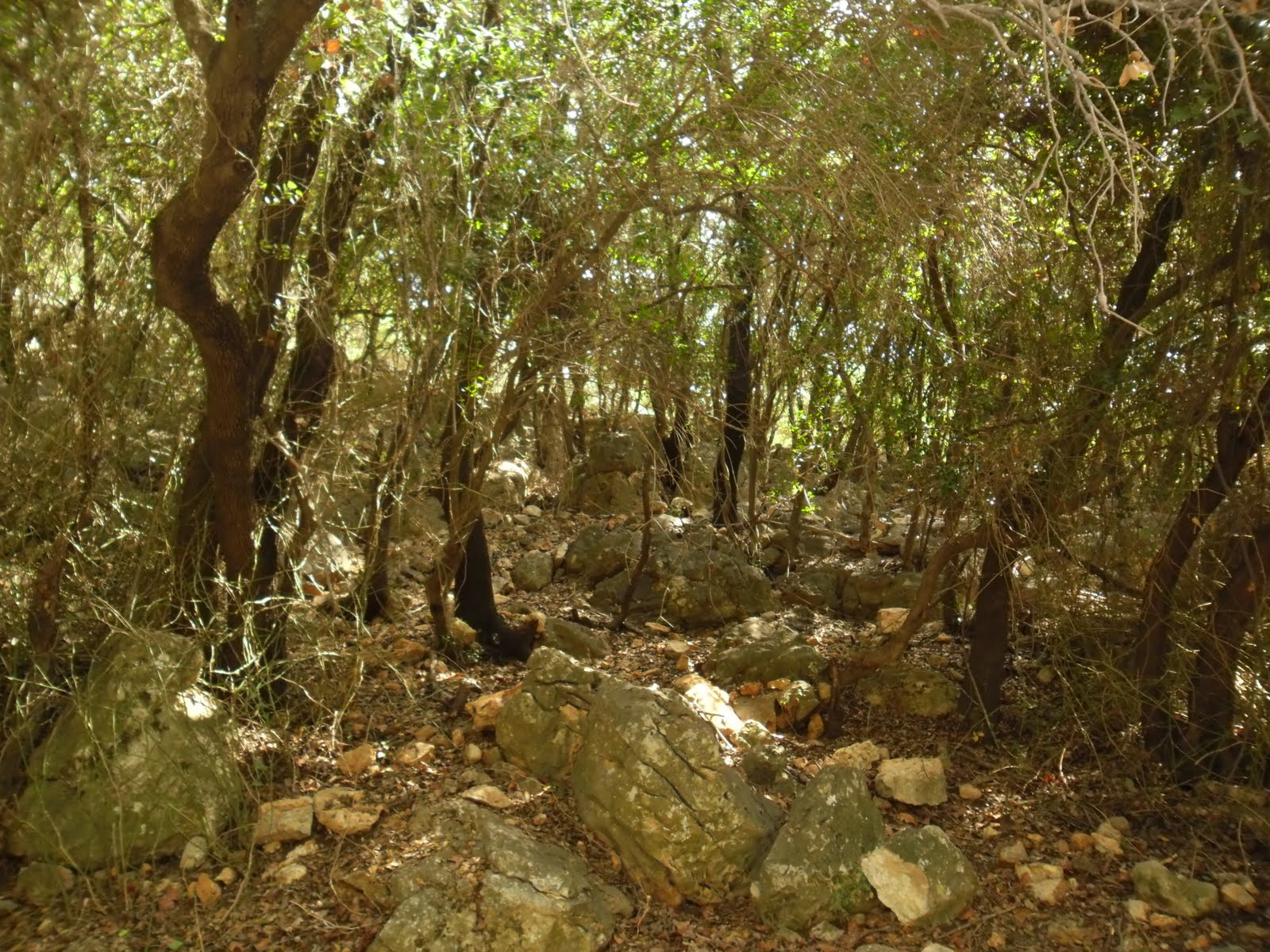
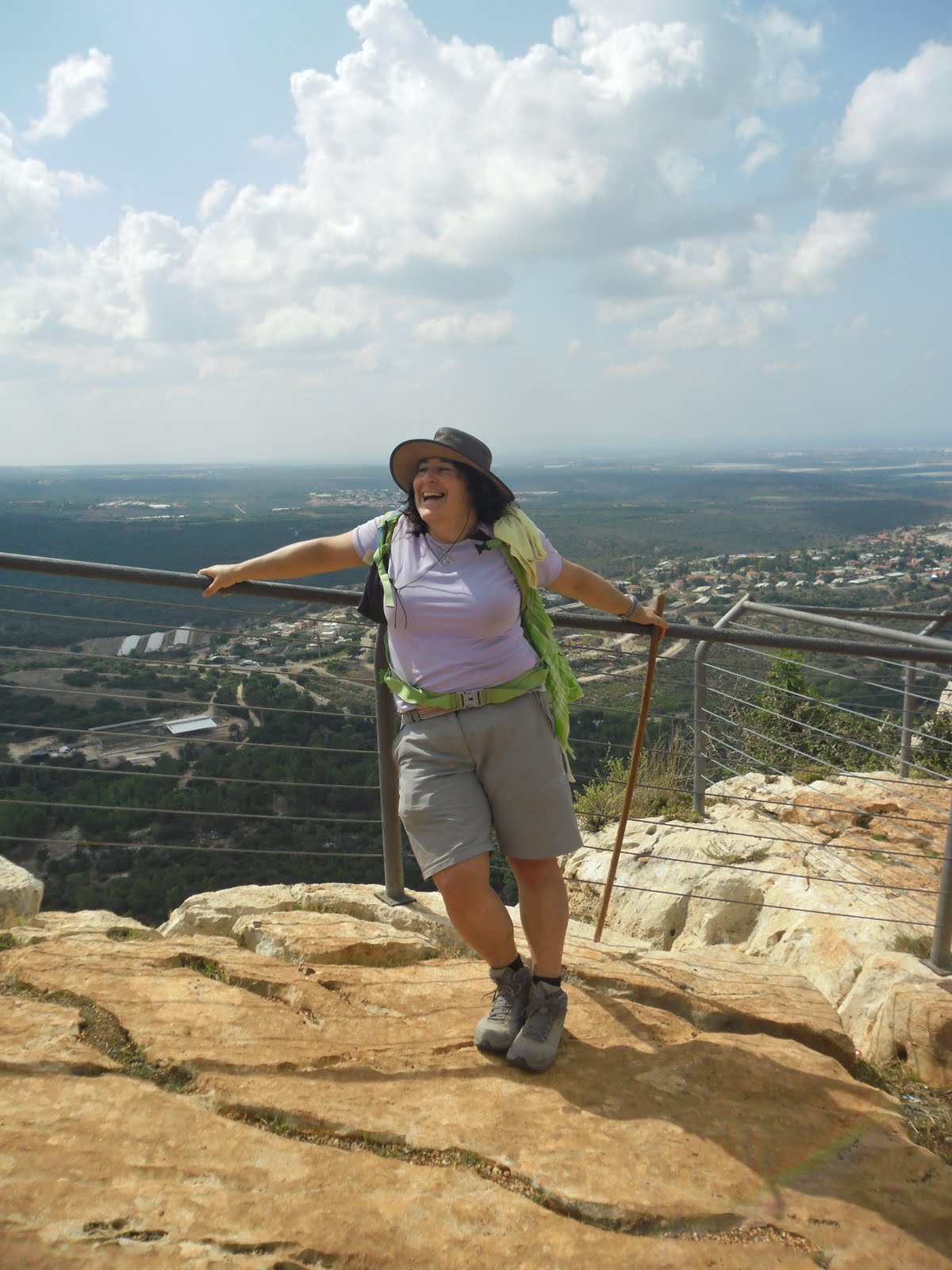
Mount Arbel is not exactly secret, but timing changes everything. Early morning or late afternoon transforms it. The views over the Sea of Galilee become softer, wider, and far more moving than a crowded midday stop.
For Christian travelers, this region often carries deep resonance. For hikers and photographers, it offers one of the most rewarding vantage points in the country. The trade-off is exposure and elevation, so it is best approached honestly according to fitness and weather.
9. Ubeidiya and the Jordan Valley
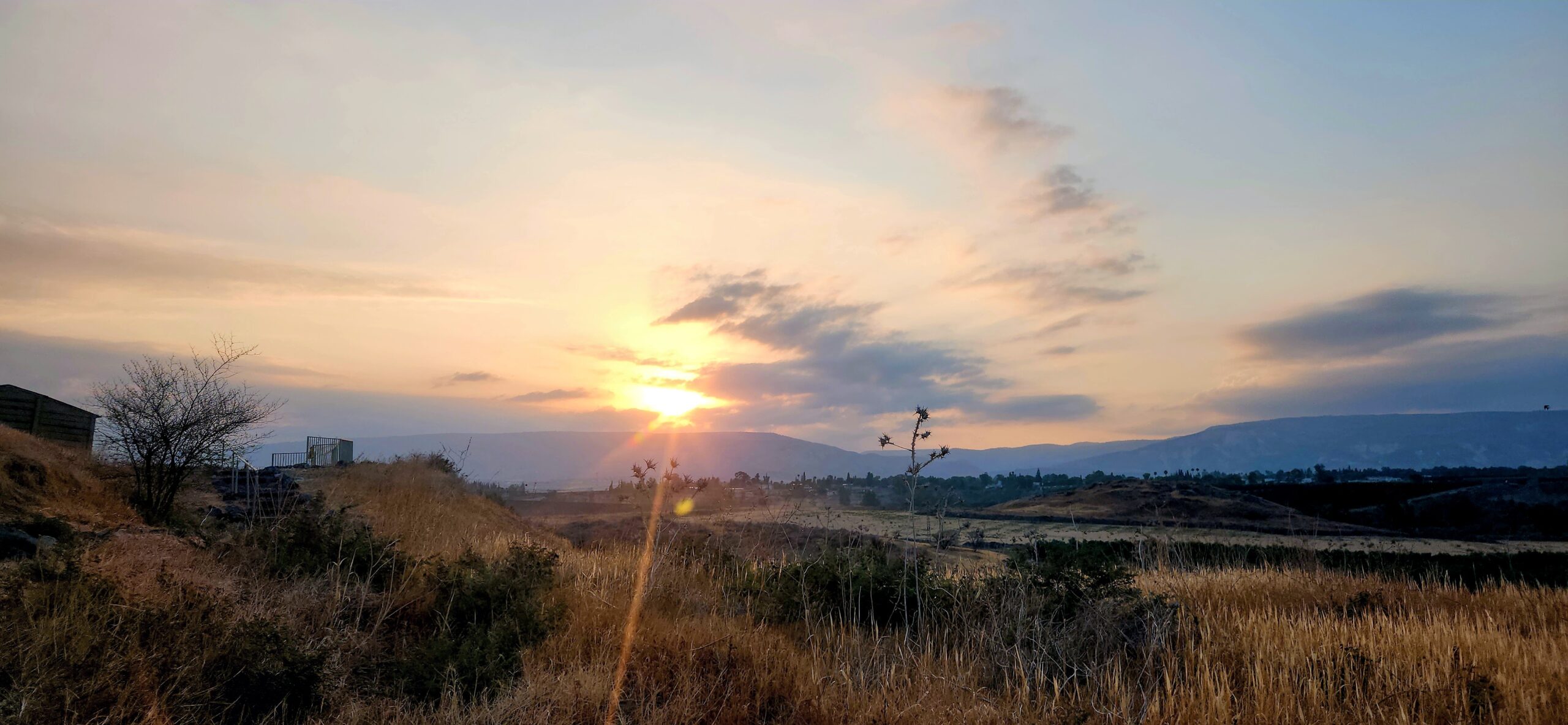
Some hidden gems are not polished in a conventional sense. They matter because they reveal how ancient and geographically varied Israel really is. The Jordan Valley has places that feel raw, open, and deeply old. This one has been dated back 1.9 million years!
This kind of stop is best for travelers who enjoy prehistory, landscape, and the pleasure of understanding a place beyond its postcard image. It often works best as part of a custom route rather than a standalone headline destination.
10. Durijat
Durijat, another site in the Negev, tends to get less attention than it deserves. It has impressive remains, desert atmosphere, and a sense of the history that once crossed this region. The cave dwelling farmers of this village tell a story spanning generations and several countries.
If you are drawn to the different cultures and desert civilizations, or seeing what a modern day cave home is all about, Durijat and the stories told there combine well with off-roading and a stop at the local Yatir winery for some libations and culinary desert experiences.
11. Ayalon Institute
Near the center of the country, Ayalon Institute offers something different – an underground story told through place, ingenuity, and atmosphere. Even travelers who are not usually museum people often connect with it because the setting feels immediate and unusual.
This is a strong option for multigenerational groups. It is accessible, engaging, and easy to combine with other nearby stops. If your trip includes both first-time and repeat visitors, it can satisfy both.
How to find the right hidden gems in Israel for you
The best itinerary is rarely a list of the most obscure places. It is a thoughtful mix of energy, geography, interests, and pacing. If you love food and culture, a hidden gem may be a market visit followed by a home-hosted meal or a hands-on workshop. If you prefer nature, it may be a spring, a canyon, or a 4×4 route that takes you into a part of the land most visitors never reach.
That is also why customization matters. Some travelers want sacred sites with more depth and fewer crowds. Some want archaeology in places where they can actually hear themselves think. Others want to meet the country through winemakers, farmers, artists, clergy, academics, or culinary experts. All of those can be hidden gems if they are chosen well.
A personalized day might include a lesser-known church or synagogue, a scenic overlook, and a visit with a local community member. Or it might pair a hike with mosaic making, foraging, baking, camel riding, or a desert drive. The point is not to make the day busy. The point is to make it yours.
When lesser-known sites work better than famous ones
Sometimes the answer is simple – crowd levels. Sometimes it is emotional tone. A smaller site can leave more room for reflection than a major attraction with lines, noise, and tight timing. That can matter a great deal for heritage travel, faith-based travel, and family trips where people want space to ask questions and absorb what they are seeing.
There is also a practical advantage. Hidden gems often fit beautifully around the major highlights. You do not have to choose one or the other. The strongest trips usually combine iconic anchors with quieter moments. That balance is where many travelers feel Israel most deeply.
For visitors who want that kind of layered journey, Patchwork Israel builds private days around exactly this idea – not just seeing more places, but seeing the right places in the right way.
If you are planning an Israel trip, leave room for one place you have never heard of yet. Very often, that is the stop you will talk about on the flight home.