
Israel Pilgrimage Planning Guide
A meaningful Israel pilgrimage rarely falls into place by accident. The travelers who come home feeling grounded, moved, and genuinely connected are usually the ones who planned for more than a checklist. A strong Israel pilgrimage planning guide should help you think about pace, purpose, and personal fit – not just which sites to squeeze into each day.
That matters because Israel is compact, but it is not simple. Sacred places sit beside living neighborhoods. A hillside, a church, an archaeological site, and a local market can all belong in the same day, yet they create very different emotional rhythms. If your trip is built only around famous names, it can feel rushed. If it is built around your reasons for coming, it starts to feel like a pilgrimage.
What kind of pilgrimage are you actually planning?
Before dates, hotels, or routes, start with the deeper question: what are you hoping this journey will do for you? Some travelers want to walk through the life of Jesus with care and historical context. Others are drawn by Jewish heritage, family history, Scripture, prayer, or a desire to understand the land through lived experience. Some are not strictly religious at all, but want a trip that feels reflective, intelligent, and personal rather than commercial.
There is no single correct answer. But there is a practical benefit to being honest here. The clearer your purpose, the easier it becomes to decide whether you need more time in Jerusalem, whether the Galilee should be central, whether desert landscapes belong in your trip, and whether meetings, conversations, or hands-on experiences would deepen the journey.
A pilgrimage can include iconic holy sites and still make room for quieter moments. In fact, it usually should. Many travelers remember not only the places they expected to see, but also the unexpected hour overlooking a valley, a thoughtful conversation over lunch, or the sense of scale you only understand when you stand in the desert yourself.
The smartest way to build an Israel pilgrimage itinerary
The best itineraries are not the ones with the most stops. They are the ones with the right sequence.
Jerusalem often carries the greatest emotional and spiritual weight, so it deserves energy and time. If you schedule it after too many early starts and long drives, you may arrive physically present but mentally tired. For many travelers, it works better to treat Jerusalem as a true anchor, with enough room for major sites, the Old City, prayer or reflection time, and at least one slower half-day.
The Galilee brings a different atmosphere. It is gentler in rhythm, more open in landscape, and often better suited to travelers who want space to absorb what they are seeing. If your pilgrimage includes the ministry of Jesus in a central way, this region should not feel like an afterthought.
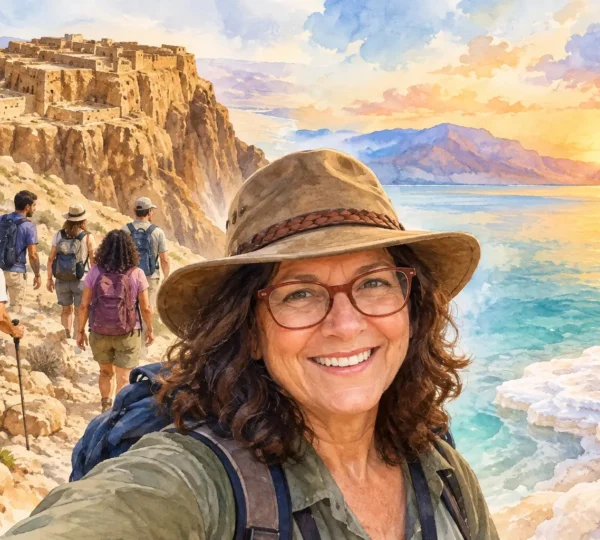
Then there is the desert. Masada, the Dead Sea, and the Judean desert can add important perspective to a pilgrimage, even for travelers who first imagined a purely biblical route. The land itself helps tell the story. These places are not only visually striking. They expand your understanding of endurance, isolation, and scale.
A good Israel pilgrimage planning guide also leaves room for your own style of travel. Families may need shorter days and fewer hotel changes. Mature travelers may want comfort, smart pacing, and minimal logistical friction. Repeat visitors may already know the headline sites and be ready for a more layered route that adds archaeology, food, hiking, local encounters, or lesser-known sacred spaces.
Timing changes the experience more than most people expect
When people ask when to come, the honest answer is: it depends on your priorities.
Spring and fall are often the easiest seasons for a broad itinerary. The weather is generally more comfortable for walking, outdoor sites, and desert excursions. Summer offers long days and school-break convenience for families, but the heat can make exposed sites more demanding, especially in Jerusalem stone corridors or at low-elevation desert locations. Winter can be beautiful, greener, and sometimes quieter, though shorter daylight and occasional rain call for flexibility.
Religious calendars matter too. Major Christian and Jewish holiday periods can make certain places feel especially meaningful, but they can also be busier and more logistically complex. That does not mean you should avoid them. It means you should choose intentionally. Some travelers want the added energy of a sacred season. Others want more physical space and a calmer rhythm.
Why private guidance often changes a pilgrimage
A pilgrimage is not only about getting from site to site. It is about understanding what you are seeing while still feeling free to respond to it personally.
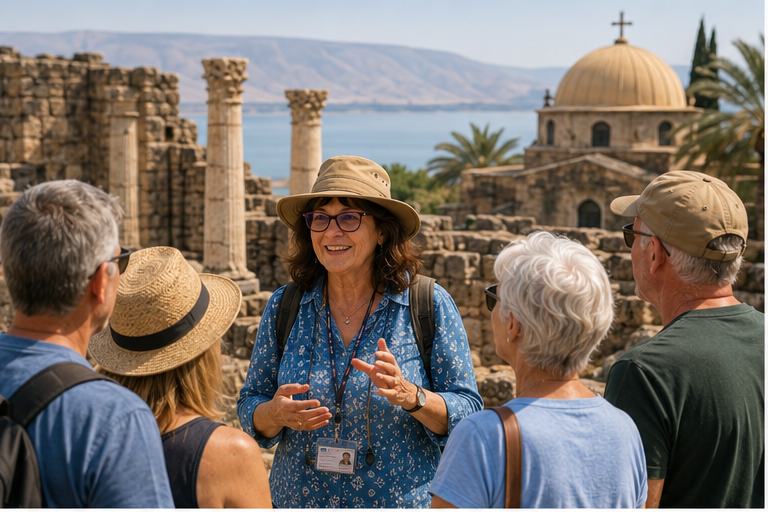
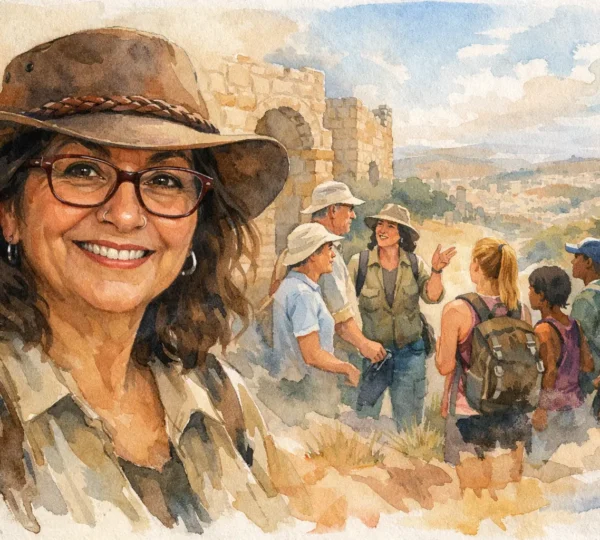
That is where guided travel can make a real difference. Not because every minute needs narration, but because context changes everything. A licensed local guide can help connect geography, scripture, history, architecture, and present-day life in a way that makes the land feel coherent rather than fragmented. Just as important, a good guide knows when to step back and let a place breathe.
Private guiding also helps with the practical side of the trip. Routes can be adjusted based on energy, weather, interests, and pace. If one member of the family wants a deeper archaeological lens and another wants more spiritual reflection, the day can be shaped accordingly. If you have visited before, the experience can move beyond the standard circuit and into hidden corners, nuanced stories, and encounters that feel genuinely personal.
This is where a customized approach stands apart from a large fixed itinerary. You are not forced into someone else’s priorities. Your vacation, your choice is not just a nice phrase. In Israel, it often determines whether the trip feels performative or transformative.
Sacred sites matter, but so does the space between them
One mistake travelers make is assuming pilgrimage means moving only from one holy landmark to the next. In reality, the spaces in between often help the experience settle.
A meal that reflects the region, a walk through an old neighborhood, a lookout over terraced hills, or a visit that adds human context can keep the journey from becoming flat. Faith-based travelers often appreciate this balance more than they expect. So do culturally curious travelers who want the trip to hold spiritual depth without feeling narrow.
You do not need to choose between reverence and discovery. Israel is layered enough to hold both. A thoughtful pilgrimage can include ancient stones, prayer, conversation, landscape, and even a bit of adventure if that suits your style. For some, that may mean light hiking. For others, it may mean stepping away from crowds and seeing a side of the country many visitors miss.
Practical decisions that shape the whole trip
Hotels matter less for prestige than for location and flow. A well-placed base can save energy, reduce bus or car time, and make early or late visits easier. Transportation matters too, especially if you are traveling with older relatives, teenagers, or a multigenerational group with different stamina levels.
Pacing deserves just as much attention as destinations. Two major sites and one meaningful stop may serve you better than five rushed ones. Build in time for coffee, questions, rest, and the possibility that one place will affect you more deeply than expected. Pilgrimage is one of the few kinds of travel where being slightly under-scheduled can be a strength.
If you are traveling with a church group, extended family, or educational group, the same principle applies at a larger scale. Clear goals, realistic drive times, and a guide who can read the group well make an enormous difference. A trip for 15 people and a trip for 50 should not be designed in the same way, even if they visit some of the same locations.
Israel pilgrimage planning guide for repeat visitors
If this is not your first visit, your pilgrimage can become more personal, not less. Returning travelers often have the freedom to go deeper instead of wider. That may mean revisiting Jerusalem with better context, choosing a more focused Galilee experience, spending time on overlooked sites, or adding encounters that connect the land to contemporary life and community.
This is often where the trip becomes most memorable. Once the pressure to see everything falls away, there is room for substance. You notice details. You ask better questions. You leave with something richer than photographs.
Patchwork Israel was built around exactly this kind of travel – thoughtful, customized, and shaped around the person or group in front of you rather than a generic formula.
A pilgrimage to Israel does not need to be perfect to be profound. It just needs to be planned with honesty about who you are, why you are coming, and how you want to experience the land when you get here.

Israel Pilgrimage Planning Guide
A meaningful Israel pilgrimage rarely falls into place by accident. The travelers who come home feeling grounded, moved, and genuinely connected are usually the ones who planned for more than a checklist. A strong Israel pilgrimage planning guide should help you think about pace, purpose, and personal fit – not just which sites to squeeze into each day.
That matters because Israel is compact, but it is not simple. Sacred places sit beside living neighborhoods. A hillside, a church, an archaeological site, and a local market can all belong in the same day, yet they create very different emotional rhythms. If your trip is built only around famous names, it can feel rushed. If it is built around your reasons for coming, it starts to feel like a pilgrimage.
What kind of pilgrimage are you actually planning?
Before dates, hotels, or routes, start with the deeper question: what are you hoping this journey will do for you? Some travelers want to walk through the life of Jesus with care and historical context. Others are drawn by Jewish heritage, family history, Scripture, prayer, or a desire to understand the land through lived experience. Some are not strictly religious at all, but want a trip that feels reflective, intelligent, and personal rather than commercial.
There is no single correct answer. But there is a practical benefit to being honest here. The clearer your purpose, the easier it becomes to decide whether you need more time in Jerusalem, whether the Galilee should be central, whether desert landscapes belong in your trip, and whether meetings, conversations, or hands-on experiences would deepen the journey.
A pilgrimage can include iconic holy sites and still make room for quieter moments. In fact, it usually should. Many travelers remember not only the places they expected to see, but also the unexpected hour overlooking a valley, a thoughtful conversation over lunch, or the sense of scale you only understand when you stand in the desert yourself.
The smartest way to build an Israel pilgrimage itinerary
The best itineraries are not the ones with the most stops. They are the ones with the right sequence.
Jerusalem often carries the greatest emotional and spiritual weight, so it deserves energy and time. If you schedule it after too many early starts and long drives, you may arrive physically present but mentally tired. For many travelers, it works better to treat Jerusalem as a true anchor, with enough room for major sites, the Old City, prayer or reflection time, and at least one slower half-day.
The Galilee brings a different atmosphere. It is gentler in rhythm, more open in landscape, and often better suited to travelers who want space to absorb what they are seeing. If your pilgrimage includes the ministry of Jesus in a central way, this region should not feel like an afterthought.
Then there is the desert. Masada, the Dead Sea, and the Judean desert can add important perspective to a pilgrimage, even for travelers who first imagined a purely biblical route. The land itself helps tell the story. These places are not only visually striking. They expand your understanding of endurance, isolation, and scale.
A good Israel pilgrimage planning guide also leaves room for your own style of travel. Families may need shorter days and fewer hotel changes. Mature travelers may want comfort, smart pacing, and minimal logistical friction. Repeat visitors may already know the headline sites and be ready for a more layered route that adds archaeology, food, hiking, local encounters, or lesser-known sacred spaces.
Timing changes the experience more than most people expect
When people ask when to come, the honest answer is: it depends on your priorities.
Spring and fall are often the easiest seasons for a broad itinerary. The weather is generally more comfortable for walking, outdoor sites, and desert excursions. Summer offers long days and school-break convenience for families, but the heat can make exposed sites more demanding, especially in Jerusalem stone corridors or at low-elevation desert locations. Winter can be beautiful, greener, and sometimes quieter, though shorter daylight and occasional rain call for flexibility.
Religious calendars matter too. Major Christian and Jewish holiday periods can make certain places feel especially meaningful, but they can also be busier and more logistically complex. That does not mean you should avoid them. It means you should choose intentionally. Some travelers want the added energy of a sacred season. Others want more physical space and a calmer rhythm.
Why private guidance often changes a pilgrimage
A pilgrimage is not only about getting from site to site. It is about understanding what you are seeing while still feeling free to respond to it personally.
That is where guided travel can make a real difference. Not because every minute needs narration, but because context changes everything. A licensed local guide can help connect geography, scripture, history, architecture, and present-day life in a way that makes the land feel coherent rather than fragmented. Just as important, a good guide knows when to step back and let a place breathe.
Private guiding also helps with the practical side of the trip. Routes can be adjusted based on energy, weather, interests, and pace. If one member of the family wants a deeper archaeological lens and another wants more spiritual reflection, the day can be shaped accordingly. If you have visited before, the experience can move beyond the standard circuit and into hidden corners, nuanced stories, and encounters that feel genuinely personal.
This is where a customized approach stands apart from a large fixed itinerary. You are not forced into someone else’s priorities. Your vacation, your choice is not just a nice phrase. In Israel, it often determines whether the trip feels performative or transformative.
Sacred sites matter, but so does the space between them
One mistake travelers make is assuming pilgrimage means moving only from one holy landmark to the next. In reality, the spaces in between often help the experience settle.
A meal that reflects the region, a walk through an old neighborhood, a lookout over terraced hills, or a visit that adds human context can keep the journey from becoming flat. Faith-based travelers often appreciate this balance more than they expect. So do culturally curious travelers who want the trip to hold spiritual depth without feeling narrow.
You do not need to choose between reverence and discovery. Israel is layered enough to hold both. A thoughtful pilgrimage can include ancient stones, prayer, conversation, landscape, and even a bit of adventure if that suits your style. For some, that may mean light hiking. For others, it may mean stepping away from crowds and seeing a side of the country many visitors miss.
Practical decisions that shape the whole trip
Hotels matter less for prestige than for location and flow. A well-placed base can save energy, reduce bus or car time, and make early or late visits easier. Transportation matters too, especially if you are traveling with older relatives, teenagers, or a multigenerational group with different stamina levels.
Pacing deserves just as much attention as destinations. Two major sites and one meaningful stop may serve you better than five rushed ones. Build in time for coffee, questions, rest, and the possibility that one place will affect you more deeply than expected. Pilgrimage is one of the few kinds of travel where being slightly under-scheduled can be a strength.
If you are traveling with a church group, extended family, or educational group, the same principle applies at a larger scale. Clear goals, realistic drive times, and a guide who can read the group well make an enormous difference. A trip for 15 people and a trip for 50 should not be designed in the same way, even if they visit some of the same locations.
Israel pilgrimage planning guide for repeat visitors
If this is not your first visit, your pilgrimage can become more personal, not less. Returning travelers often have the freedom to go deeper instead of wider. That may mean revisiting Jerusalem with better context, choosing a more focused Galilee experience, spending time on overlooked sites, or adding encounters that connect the land to contemporary life and community.
This is often where the trip becomes most memorable. Once the pressure to see everything falls away, there is room for substance. You notice details. You ask better questions. You leave with something richer than photographs.
Patchwork Israel was built around exactly this kind of travel – thoughtful, customized, and shaped around the person or group in front of you rather than a generic formula.
A pilgrimage to Israel does not need to be perfect to be profound. It just needs to be planned with honesty about who you are, why you are coming, and how you want to experience the land when you get here.

Get the latest blog updates in your inbox.