

10 Best Lesser Known Israel Sites
Some of the best lesser known Israel sites are the places travelers remember most – not because they are bigger or busier, but because they feel personal. If you have already stood at the Western Wall, floated in the Dead Sea, or walked through Jaffa, the next trip often calls for something richer: a quiet ruin at sunrise, a mountain village with a surprising story, or a conversation that changes how you understand the country.
That is where Israel becomes especially rewarding. It is compact, but never one-note. Within a few hours, you can move from green hills to crater landscapes, from a Druze village to a Byzantine mosaic, from a cliffside monastery to a boutique farm or family kitchen. For returning visitors, and for first-time travelers who prefer texture over crowds, these places add depth that classic itineraries often miss.
What makes the best lesser known Israel sites worth your time
A hidden gem is not simply a place with fewer tourists. The best ones add something the headline destinations cannot. Sometimes that means silence. Sometimes it means a stronger sense of daily life. Sometimes it is the chance to connect archaeology, faith, food, hiking, and landscape in one day instead of checking off one famous stop after another.
These sites also work especially well for travelers who want a customized trip. Jews, Christians, Muslims, and non-religious visitors can all find meaning here, because the experience is less about standing in line and more about following your interests. One traveler may want monastery history and desert solitude. Another may want culinary stops, easy walks, and conversations with local communities. Both can be right.
10 best lesser known Israel sites to add to your itinerary
Umm el-Kanatir area and hidden Golan viewpoints
In the southern Golan, Ein Keshatot has one of the most moving reconstructed ancient synagogues in the country, yet it still feels under the radar compared with better-known heritage sites. The stonework is beautiful, the archaeological story is clear, and the setting has a spacious calm that suits travelers who like history without the rush.
This stop works well for Jewish heritage travelers, history lovers, and families who want a site that feels significant but manageable. Pair it with a scenic drive, a winery, or a Druze culinary stop, and the day immediately feels fuller and more personal.
Susya
Susya offers a different rhythm from the bigger archaeological parks. Located in the southern Hebron Hills, it preserves an ancient Jewish village with a synagogue, homes, cisterns, and lanes that still read clearly in the landscape. It is the kind of site where a good guide matters, because the remains come alive through context rather than spectacle.
For repeat visitors especially, Susya can be a strong alternative to crowded biblical sites. The landscape itself adds to the experience – broad, open, and deeply tied to the story of settlement and daily life in earlier centuries.
Shivta
In the Negev, Shivta is one of those places that surprises people. It is a beautifully preserved Nabataean and Byzantine desert town, with churches, streets, and agricultural remains in a setting that feels almost cinematic. Unlike some better-known desert sites, Shivta often gives you room to breathe and imagine.
This is an excellent choice for travelers interested in early Christianity, desert adaptation, archaeology, or photography. The light here is exceptional, especially in the late afternoon. The trade-off is location – it works best as part of a Negev day rather than as a quick add-on from the center of the country.
Wadi Qelt and the Monastery of St. George
Not every hidden gem is completely unknown, and Wadi Qelt is a good example. Many travelers have heard of it, but far fewer actually experience it properly. The dramatic desert canyon, the monastery clinging to the cliff, and the hiking options make it one of the most memorable landscapes in the country.
This site can be approached in different ways depending on your energy and comfort. Some travelers want a viewpoint and a shorter walk. Others are ready for a more substantial hike. For Christian travelers, the spiritual resonance is obvious, but the site also appeals to anyone drawn to desert beauty and dramatic terrain.
Hurvat Midras
The Judean Lowlands hide remarkable places, and Hurvat Midras is one of them. It combines ancient ruins, a pyramid-like tomb, underground hideout caves, and an easy walking route through open countryside. It is ideal for travelers who enjoy archaeology but prefer a site that feels active and tactile rather than formal.
Families often do well here, as do adults who want a half-day outing with substance. Spring is especially lovely, when the hills are green and the walk feels generous rather than harsh.
Peki’in
Peki’in in the Upper Galilee is not just a pretty village. It is a place where layered identities and long memory are part of the everyday atmosphere. Walking here offers a different kind of discovery – less monument-centered, more rooted in community, food, tradition, and continuity.
This is where a personalized day can shine. You might combine the village with a local meal, nearby nature, artisan visits, or conversations that help visitors understand the many social and cultural textures of northern Israel. For travelers who want people as much as places, Peki’in is a smart choice.
Rosh Hanikra’s quieter northern neighbors
Rosh Hanikra itself is well known, but the western Galilee around it still hides many quieter corners. Rather than treating the grottoes as the whole destination, it is often better to use the area as a gateway to lesser-visited beaches, coastal lookouts, small farms, and village-based culinary experiences.
This is a good example of how the best lesser known Israel sites are not always single headline attractions. Sometimes they are regional experiences. If you like combining scenery with food and a relaxed pace, the western Galilee can deliver beautifully.
Avdat National Park beyond the postcard stop
Avdat is not unknown, but many people treat it as a brief scenic stop and move on too quickly. Done well, it becomes much more. The Nabataean story, the desert farming ingenuity, and the expansive Negev views reward travelers who linger.
The difference is in how you build the day. Add a short hike, a vineyard, a spice farm, or a 4×4 desert route, and Avdat becomes part of a textured Negev experience instead of a checkbox. It is especially good for travelers who want archaeology and landscape in the same frame.
Susita
Perched above the Sea of Galilee in the southern Golan Heights, Susita (Hippos) blends dramatic landscapes with evocative ruins that feel like a ready-made family adventure. Families can stroll along the ancient Roman street, spot fallen columns, and peek into the remains of churches and public buildings, all while enjoying sweeping views over the Kinneret that make even reluctant kids stop and look.
Because much of the city was frozen in place by a powerful earthquake in 749 CE, everyday details are still visible, turning the site into a huge open-air time capsule. Parents can weave simple stories about Roman soldiers, early Christian communities, and modern battles over this ridge, making Susita an ideal southern Golan stop that connects history, nature, and imagination in one easy hike.
Mitzpe Ramon beyond the crater rim
Mitzpe Ramon is becoming more popular, but much of what makes it special still sits beyond the standard viewpoint. The real magic starts when you enter the Ramon Crater landscape more thoughtfully – on foot, in a 4×4, through geology, stargazing, or a meeting with people who live and work in the desert.
For adventure-oriented travelers, this can be one of the most rewarding regions in Israel. For others, the appeal is slower: big silence, clean air, and a sense of scale that is hard to find elsewhere. It depends on pace. You can make it active, contemplative, or both.
How to choose the right lesser known sites for your trip
The smartest itinerary is not the one with the most hidden gems. It is the one with the right hidden gems for you. If your trip is faith-centered, quieter monastic sites, ancient synagogues, and small heritage locations may be more meaningful than another famous landmark. If you are traveling with teens, underground caves, off-roading, food experiences, or hands-on activities may land better than one more museum.
Season matters too. Desert sites can be glorious in cooler months and demanding in high heat. Northern mountain and forest regions are wonderful in spring and fall, while winter can add drama or limit access, depending on the day. Distances in Israel are short by American standards, but stacking too many remote places into one day can still flatten the experience.
This is also why tailor-made planning matters. A site that feels magical for one traveler may feel too quiet for another. With the right guide, however, a day can be shaped around your interests – archaeology with culinary stops, spiritual reflection with scenic drives, hiking with village visits, or a return trip that goes far beyond the usual route. That is where a company like Patchwork Israel has real value: not just knowing where the hidden gems are, but knowing which ones fit you.
The best trips here are rarely built around fame alone. They are built around connection – to landscape, story, people, and the kind of moments that stay with you long after the suitcase is unpacked.

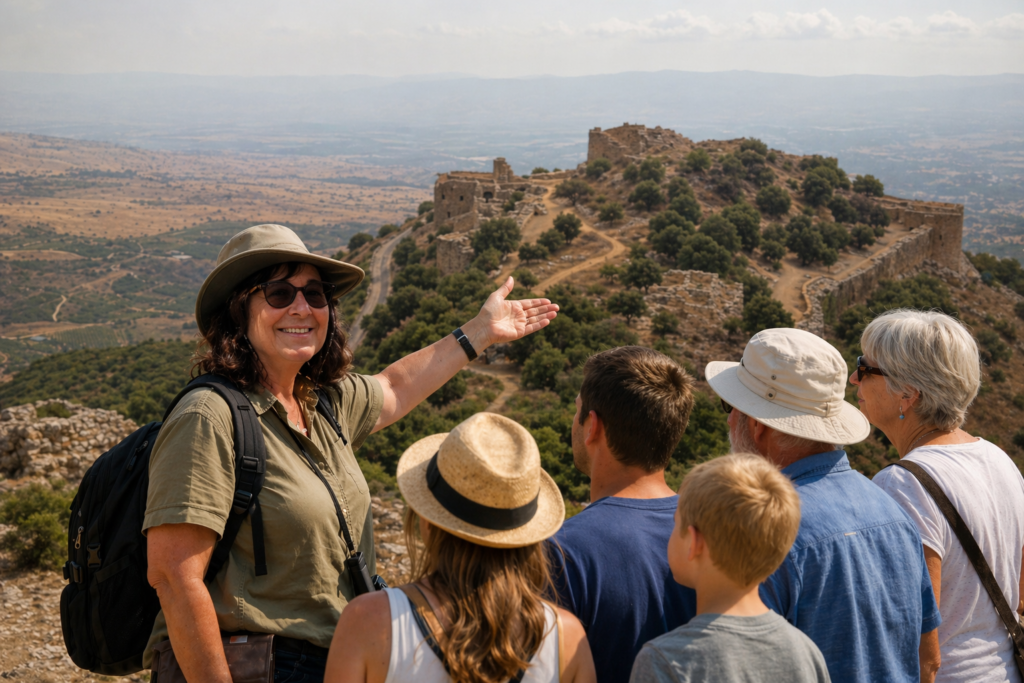
10 Best Lesser Known Israel Sites
Some of the best lesser known Israel sites are the places travelers remember most – not because they are bigger or busier, but because they feel personal. If you have already stood at the Western Wall, floated in the Dead Sea, or walked through Jaffa, the next trip often calls for something richer: a quiet ruin at sunrise, a mountain village with a surprising story, or a conversation that changes how you understand the country.
That is where Israel becomes especially rewarding. It is compact, but never one-note. Within a few hours, you can move from green hills to crater landscapes, from a Druze village to a Byzantine mosaic, from a cliffside monastery to a boutique farm or family kitchen. For returning visitors, and for first-time travelers who prefer texture over crowds, these places add depth that classic itineraries often miss.
What makes the best lesser known Israel sites worth your time
A hidden gem is not simply a place with fewer tourists. The best ones add something the headline destinations cannot. Sometimes that means silence. Sometimes it means a stronger sense of daily life. Sometimes it is the chance to connect archaeology, faith, food, hiking, and landscape in one day instead of checking off one famous stop after another.
These sites also work especially well for travelers who want a customized trip. Jews, Christians, Muslims, and non-religious visitors can all find meaning here, because the experience is less about standing in line and more about following your interests. One traveler may want monastery history and desert solitude. Another may want culinary stops, easy walks, and conversations with local communities. Both can be right.
10 best lesser known Israel sites to add to your itinerary
Umm el-Kanatir area and hidden Golan viewpoints
In the southern Golan, Ein Keshatot has one of the most moving reconstructed ancient synagogues in the country, yet it still feels under the radar compared with better-known heritage sites. The stonework is beautiful, the archaeological story is clear, and the setting has a spacious calm that suits travelers who like history without the rush.
This stop works well for Jewish heritage travelers, history lovers, and families who want a site that feels significant but manageable. Pair it with a scenic drive, a winery, or a Druze culinary stop, and the day immediately feels fuller and more personal.
Susya
Susya offers a different rhythm from the bigger archaeological parks. Located in the southern Hebron Hills, it preserves an ancient Jewish village with a synagogue, homes, cisterns, and lanes that still read clearly in the landscape. It is the kind of site where a good guide matters, because the remains come alive through context rather than spectacle.
For repeat visitors especially, Susya can be a strong alternative to crowded biblical sites. The landscape itself adds to the experience – broad, open, and deeply tied to the story of settlement and daily life in earlier centuries.
Shivta
In the Negev, Shivta is one of those places that surprises people. It is a beautifully preserved Nabataean and Byzantine desert town, with churches, streets, and agricultural remains in a setting that feels almost cinematic. Unlike some better-known desert sites, Shivta often gives you room to breathe and imagine.
This is an excellent choice for travelers interested in early Christianity, desert adaptation, archaeology, or photography. The light here is exceptional, especially in the late afternoon. The trade-off is location – it works best as part of a Negev day rather than as a quick add-on from the center of the country.
Wadi Qelt and the Monastery of St. George
Not every hidden gem is completely unknown, and Wadi Qelt is a good example. Many travelers have heard of it, but far fewer actually experience it properly. The dramatic desert canyon, the monastery clinging to the cliff, and the hiking options make it one of the most memorable landscapes in the country.
This site can be approached in different ways depending on your energy and comfort. Some travelers want a viewpoint and a shorter walk. Others are ready for a more substantial hike. For Christian travelers, the spiritual resonance is obvious, but the site also appeals to anyone drawn to desert beauty and dramatic terrain.
Hurvat Midras
The Judean Lowlands hide remarkable places, and Hurvat Midras is one of them. It combines ancient ruins, a pyramid-like tomb, underground hideout caves, and an easy walking route through open countryside. It is ideal for travelers who enjoy archaeology but prefer a site that feels active and tactile rather than formal.
Families often do well here, as do adults who want a half-day outing with substance. Spring is especially lovely, when the hills are green and the walk feels generous rather than harsh.
Peki’in
Peki’in in the Upper Galilee is not just a pretty village. It is a place where layered identities and long memory are part of the everyday atmosphere. Walking here offers a different kind of discovery – less monument-centered, more rooted in community, food, tradition, and continuity.
This is where a personalized day can shine. You might combine the village with a local meal, nearby nature, artisan visits, or conversations that help visitors understand the many social and cultural textures of northern Israel. For travelers who want people as much as places, Peki’in is a smart choice.
Rosh Hanikra’s quieter northern neighbors
Rosh Hanikra itself is well known, but the western Galilee around it still hides many quieter corners. Rather than treating the grottoes as the whole destination, it is often better to use the area as a gateway to lesser-visited beaches, coastal lookouts, small farms, and village-based culinary experiences.
This is a good example of how the best lesser known Israel sites are not always single headline attractions. Sometimes they are regional experiences. If you like combining scenery with food and a relaxed pace, the western Galilee can deliver beautifully.
Avdat National Park beyond the postcard stop
Avdat is not unknown, but many people treat it as a brief scenic stop and move on too quickly. Done well, it becomes much more. The Nabataean story, the desert farming ingenuity, and the expansive Negev views reward travelers who linger.
The difference is in how you build the day. Add a short hike, a vineyard, a spice farm, or a 4×4 desert route, and Avdat becomes part of a textured Negev experience instead of a checkbox. It is especially good for travelers who want archaeology and landscape in the same frame.
Susita
Perched above the Sea of Galilee in the southern Golan Heights, Susita (Hippos) blends dramatic landscapes with evocative ruins that feel like a ready-made family adventure. Families can stroll along the ancient Roman street, spot fallen columns, and peek into the remains of churches and public buildings, all while enjoying sweeping views over the Kinneret that make even reluctant kids stop and look.
Because much of the city was frozen in place by a powerful earthquake in 749 CE, everyday details are still visible, turning the site into a huge open-air time capsule. Parents can weave simple stories about Roman soldiers, early Christian communities, and modern battles over this ridge, making Susita an ideal southern Golan stop that connects history, nature, and imagination in one easy hike.
Mitzpe Ramon beyond the crater rim
Mitzpe Ramon is becoming more popular, but much of what makes it special still sits beyond the standard viewpoint. The real magic starts when you enter the Ramon Crater landscape more thoughtfully – on foot, in a 4×4, through geology, stargazing, or a meeting with people who live and work in the desert.
For adventure-oriented travelers, this can be one of the most rewarding regions in Israel. For others, the appeal is slower: big silence, clean air, and a sense of scale that is hard to find elsewhere. It depends on pace. You can make it active, contemplative, or both.
How to choose the right lesser known sites for your trip
The smartest itinerary is not the one with the most hidden gems. It is the one with the right hidden gems for you. If your trip is faith-centered, quieter monastic sites, ancient synagogues, and small heritage locations may be more meaningful than another famous landmark. If you are traveling with teens, underground caves, off-roading, food experiences, or hands-on activities may land better than one more museum.
Season matters too. Desert sites can be glorious in cooler months and demanding in high heat. Northern mountain and forest regions are wonderful in spring and fall, while winter can add drama or limit access, depending on the day. Distances in Israel are short by American standards, but stacking too many remote places into one day can still flatten the experience.
This is also why tailor-made planning matters. A site that feels magical for one traveler may feel too quiet for another. With the right guide, however, a day can be shaped around your interests – archaeology with culinary stops, spiritual reflection with scenic drives, hiking with village visits, or a return trip that goes far beyond the usual route. That is where a company like Patchwork Israel has real value: not just knowing where the hidden gems are, but knowing which ones fit you.
The best trips here are rarely built around fame alone. They are built around connection – to landscape, story, people, and the kind of moments that stay with you long after the suitcase is unpacked.
Get the latest blog updates in your inbox.