
12 Best Places in Israel for Families
Some family trips feel like a tug-of-war. One person wants history, another wants beach time, someone else needs space to run, and everyone gets tired faster than expected. That is exactly why the best places in Israel for families are the ones that can hold more than one kind of day at once – a meaningful morning, a fun afternoon, and enough flexibility to keep the trip enjoyable for kids, teens, parents, and grandparents.
Israel works especially well for families because distances are short, the variety is huge, and the experiences can be tailored closely to your interests. A family with young children may want animal encounters, easy walks, and interactive sites. A multigenerational group may want sacred places, archaeology, scenic drives, and relaxed meals. Families returning to Israel often want something deeper – not just the headline sites, but personal encounters, hidden corners, and activities that make the country feel alive rather than staged.
What makes the best places in Israel for families work
The strongest family destinations are not always the most famous ones. What matters is balance. A good family stop gives adults something substantial while still offering children a way in, whether that means a dramatic setting, a tactile activity, a short hike, or simply room to move.
It also helps when the day can bend. Israel rewards flexible planning. You might begin in an ancient city, stop for lunch in a market, add a viewpoint, and finish with a hands-on workshop or a beach walk. That mix is often the difference between a trip that feels educational and one that feels shared.
Jerusalem
Jerusalem is one of the best places in Israel for families, but only if you approach it with care. Trying to do too much in one day can leave children overwhelmed and adults rushed. The city is richest when it is paced properly.
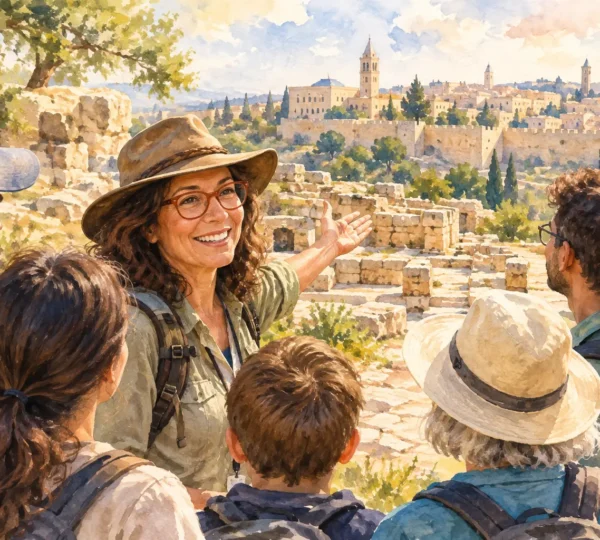
For many families, the Old City is the anchor. Its stones, sounds, and layered traditions create an atmosphere that even children can feel, whether your family is Jewish, Christian, Muslim, or non-religious and simply curious about the cultures that shape the land. The key is to keep the route focused instead of turning it into a marathon of sites.
Beyond the classic stops, Jerusalem offers family-friendly museums, outdoor promenades, lively markets, and neighborhoods with very different personalities. Older kids and teens often respond well when history is connected to story rather than dates. A private guide can make that difference by adjusting the level, the pace, and the emotional tone to the family in front of her.
Tel Aviv and Jaffa
If Jerusalem is layered and reflective, Tel Aviv and Jaffa bring ease. Families often relax here almost immediately. The coastline, walkable stretches, food scene, and open energy make it a natural counterweight to heavier touring days.
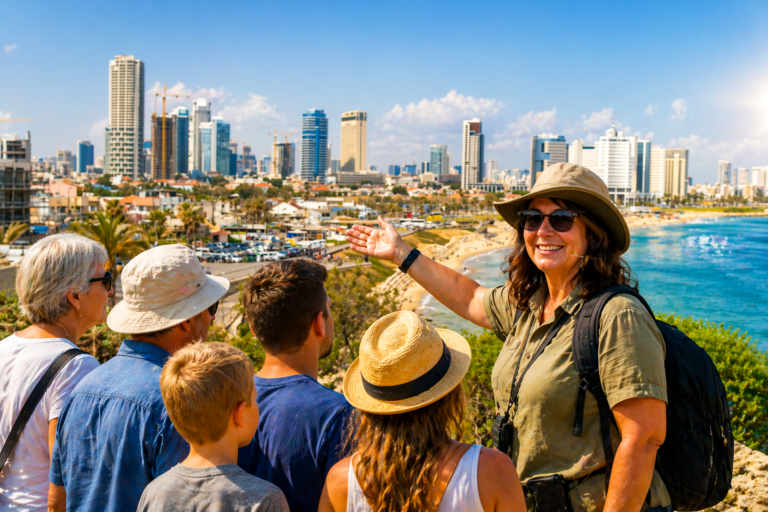
Jaffa is especially good with children because it offers history in a compact, visual setting. Old stone alleys, the port, sea views, and artisan corners feel manageable rather than intimidating. Tel Aviv adds parks, beaches, markets, bike-friendly areas, and a casual rhythm that works well after early starts and busy touring.
This is also a smart place for families who like blending culture with recreation. You can pair a market tasting with a shoreline walk, a street-art area with a hands-on workshop, or a short urban visit with time by the water. Families with teens usually appreciate that Tel Aviv feels current and energetic, not only historic.
The Dead Sea and Masada
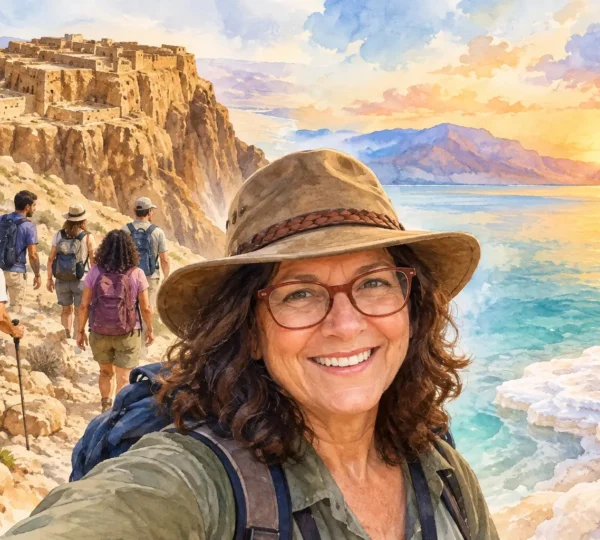
Some places stay in a childs memory because they feel almost unreal. The Dead Sea and Masada have that quality. The desert light, the dramatic cliffs, the ascent to an ancient stronghold, and the strange sensation of floating create a day that is both scenic and memorable.
Masada works best for families when expectations match the group. If your children enjoy stories of resilience, striking views, and a sense of adventure, it can be excellent. In very hot weather, though, timing matters. Early morning is usually far better than midday, especially for younger children or grandparents.
The Dead Sea itself is more playful than many first-time visitors expect. Floating feels novel, and the desert backdrop is stunning. The trade-off is that it is not a long all-day activity for every family. It often works best as part of a broader desert day, perhaps combined with an oasis walk, a scenic drive, or a stop that adds movement and shade.
The Galilee
For families wanting a greener, softer side of the country, the Galilee is often the answer. The landscapes open up, the roads become more scenic, and the pace can feel gentler. This region suits travelers who want a mix of spirituality, nature, local food, and room to breathe.
The Sea of Galilee area can be especially meaningful for Christian families, but it is not limited to faith-based travel. Boat rides, easy nature outings, mountain viewpoints, and village visits can all be woven into the day. The region also lends itself well to meeting people and hearing local stories, which often gives older children and adults a stronger sense of connection than simply moving from monument to monument.
The Galilee is also ideal for return visitors who have already seen the major highlights and want something more personal. Farm visits, culinary stops, mosaic workshops, or conversations with people from different communities can turn a pleasant day into one that feels genuinely distinctive.
The Golan Heights
Families who like open spaces and a slightly more adventurous edge often love the Golan. The landscapes are wide, the views are dramatic, and the region offers excellent options for short hikes, jeep routes, waterfalls, and seasonal activities.
What makes the Golan especially appealing is variety. You can have a nature-forward day without making it too strenuous. Some families want a light trail and a picnic. Others want off-roading, water, and a deeper look at the land itself. It depends on the age mix and energy level, but the area can be adjusted beautifully.
In cooler months, the Golan also offers a different side of Israel than many visitors expect. That element of surprise matters. Families often remember the places that challenged their assumptions just as much as the ones they had long planned to see.
Caesarea and the coast
Caesarea is one of the easiest wins for families because it blends archaeology with spectacle. Even children who are not naturally drawn to ruins tend to respond when the setting includes a Roman theater, sea views, and broad spaces to explore.
This destination works well as part of a coastal day. You can combine it with a beach stop, a nature reserve, or another nearby town depending on your familys interests. For adults, Caesarea offers real historical depth. For children, it offers scale, movement, and a setting that feels cinematic.
It is also a good example of why family travel in Israel is strongest when it is curated. On paper, an archaeological site may not sound exciting to every age group. In practice, the right storytelling and pacing can make it one of the most enjoyable stops of the trip.
The Negev Desert
Families who want something beyond the standard route should look seriously at the Negev. This is where Israel feels expansive, elemental, and full of possibility. Crater landscapes, desert hikes, camel experiences, stargazing, and 4×4 adventures can all turn a family trip into something more immersive.
The Negev is especially good for active families and for repeat visitors who want to move past the usual circuit. Children often respond strongly to the physical environment here. There is space to climb, watch, listen, and ask questions. Adults often appreciate the contrast – after cities and sacred sites, the desert has a clarity of its own.
With the right planning, desert days do not have to be extreme. They can be gentle, scenic, and deeply enjoyable. A knowledgeable guide makes a big difference here, not only for safety and logistics but for interpreting the land, its ecology, and the human stories connected to it.
Eilat for families who want recreation
Eilat is not for every itinerary, but for some families it is exactly right. If your group wants a few days centered on water, sunshine, and outdoor fun, it delivers. Snorkeling, boating, easy resort time, and a change of pace can be very appealing after a more intensive cultural route.
The trade-off is distance. Eilat makes most sense when families are building in enough time to enjoy it rather than squeezing it in. For those who do, it can be a very happy addition, especially for children who need a recreation-heavy stretch in the middle or end of the trip.
Choosing the right places for your family
The best itinerary is rarely the one with the most pins on the map. It is the one that fits your familys tempo, interests, and capacity. Some families thrive on early starts and layered days. Others need slower mornings, fewer hotel changes, and more unstructured time. Neither approach is better.
That is why customized travel matters so much here. A family interested in Jewish heritage may shape its days differently from a Christian family, a Muslim family, a mixed-background family, or travelers who are more cultural than religious. Some will want archaeology and sacred spaces. Others will want food, nature, and conversations with people from different walks of life. Israel can hold all of that, but the route has to be built with intention.
At Patchwork Israel, that is often where the trip becomes most rewarding – not by trying to see everything, but by choosing the places that will speak most clearly to your particular family. The country offers famous landmarks, yes, but also hidden gems, warm encounters, and experiences that feel personal rather than packaged.
If you are planning a family visit, start with the question that matters most: what kind of memories do you want your children, parents, or grandchildren to carry home? Once that answer is clear, the right places in Israel tend to reveal themselves.

12 Best Places in Israel for Families
Some family trips feel like a tug-of-war. One person wants history, another wants beach time, someone else needs space to run, and everyone gets tired faster than expected. That is exactly why the best places in Israel for families are the ones that can hold more than one kind of day at once – a meaningful morning, a fun afternoon, and enough flexibility to keep the trip enjoyable for kids, teens, parents, and grandparents.
Israel works especially well for families because distances are short, the variety is huge, and the experiences can be tailored closely to your interests. A family with young children may want animal encounters, easy walks, and interactive sites. A multigenerational group may want sacred places, archaeology, scenic drives, and relaxed meals. Families returning to Israel often want something deeper – not just the headline sites, but personal encounters, hidden corners, and activities that make the country feel alive rather than staged.
What makes the best places in Israel for families work
The strongest family destinations are not always the most famous ones. What matters is balance. A good family stop gives adults something substantial while still offering children a way in, whether that means a dramatic setting, a tactile activity, a short hike, or simply room to move.
It also helps when the day can bend. Israel rewards flexible planning. You might begin in an ancient city, stop for lunch in a market, add a viewpoint, and finish with a hands-on workshop or a beach walk. That mix is often the difference between a trip that feels educational and one that feels shared.
Jerusalem
Jerusalem is one of the best places in Israel for families, but only if you approach it with care. Trying to do too much in one day can leave children overwhelmed and adults rushed. The city is richest when it is paced properly.
For many families, the Old City is the anchor. Its stones, sounds, and layered traditions create an atmosphere that even children can feel, whether your family is Jewish, Christian, Muslim, or non-religious and simply curious about the cultures that shape the land. The key is to keep the route focused instead of turning it into a marathon of sites.
Beyond the classic stops, Jerusalem offers family-friendly museums, outdoor promenades, lively markets, and neighborhoods with very different personalities. Older kids and teens often respond well when history is connected to story rather than dates. A private guide can make that difference by adjusting the level, the pace, and the emotional tone to the family in front of her.
Tel Aviv and Jaffa
If Jerusalem is layered and reflective, Tel Aviv and Jaffa bring ease. Families often relax here almost immediately. The coastline, walkable stretches, food scene, and open energy make it a natural counterweight to heavier touring days.
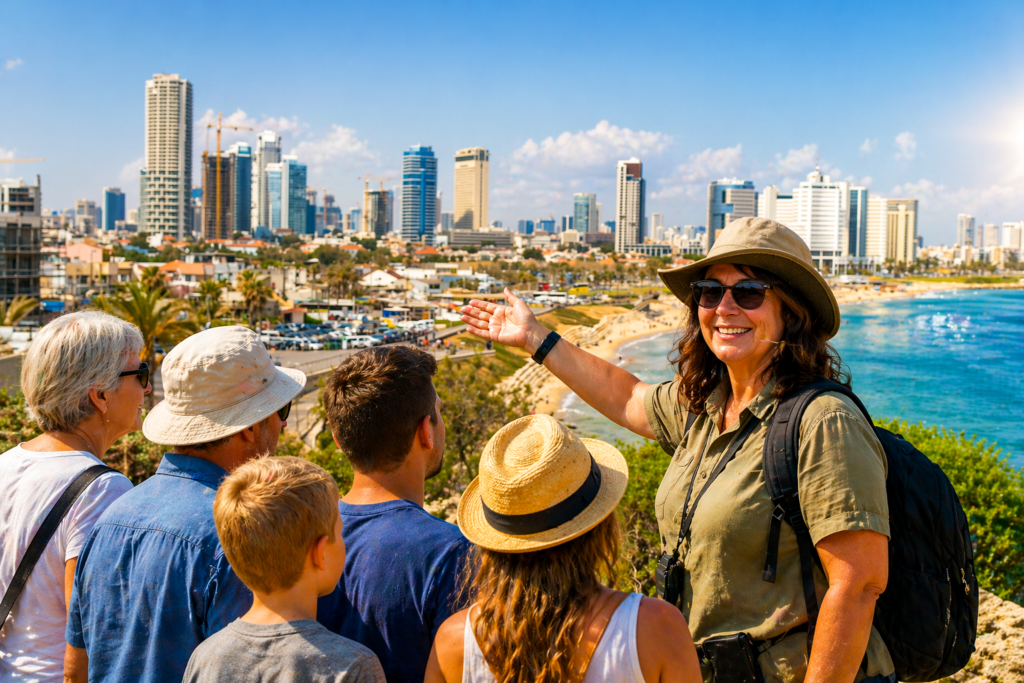
Jaffa is especially good with children because it offers history in a compact, visual setting. Old stone alleys, the port, sea views, and artisan corners feel manageable rather than intimidating. Tel Aviv adds parks, beaches, markets, bike-friendly areas, and a casual rhythm that works well after early starts and busy touring.
This is also a smart place for families who like blending culture with recreation. You can pair a market tasting with a shoreline walk, a street-art area with a hands-on workshop, or a short urban visit with time by the water. Families with teens usually appreciate that Tel Aviv feels current and energetic, not only historic.
The Dead Sea and Masada
Some places stay in a childs memory because they feel almost unreal. The Dead Sea and Masada have that quality. The desert light, the dramatic cliffs, the ascent to an ancient stronghold, and the strange sensation of floating create a day that is both scenic and memorable.
Masada works best for families when expectations match the group. If your children enjoy stories of resilience, striking views, and a sense of adventure, it can be excellent. In very hot weather, though, timing matters. Early morning is usually far better than midday, especially for younger children or grandparents.
The Dead Sea itself is more playful than many first-time visitors expect. Floating feels novel, and the desert backdrop is stunning. The trade-off is that it is not a long all-day activity for every family. It often works best as part of a broader desert day, perhaps combined with an oasis walk, a scenic drive, or a stop that adds movement and shade.
The Galilee
For families wanting a greener, softer side of the country, the Galilee is often the answer. The landscapes open up, the roads become more scenic, and the pace can feel gentler. This region suits travelers who want a mix of spirituality, nature, local food, and room to breathe.
The Sea of Galilee area can be especially meaningful for Christian families, but it is not limited to faith-based travel. Boat rides, easy nature outings, mountain viewpoints, and village visits can all be woven into the day. The region also lends itself well to meeting people and hearing local stories, which often gives older children and adults a stronger sense of connection than simply moving from monument to monument.
The Galilee is also ideal for return visitors who have already seen the major highlights and want something more personal. Farm visits, culinary stops, mosaic workshops, or conversations with people from different communities can turn a pleasant day into one that feels genuinely distinctive.
The Golan Heights
Families who like open spaces and a slightly more adventurous edge often love the Golan. The landscapes are wide, the views are dramatic, and the region offers excellent options for short hikes, jeep routes, waterfalls, and seasonal activities.
What makes the Golan especially appealing is variety. You can have a nature-forward day without making it too strenuous. Some families want a light trail and a picnic. Others want off-roading, water, and a deeper look at the land itself. It depends on the age mix and energy level, but the area can be adjusted beautifully.
In cooler months, the Golan also offers a different side of Israel than many visitors expect. That element of surprise matters. Families often remember the places that challenged their assumptions just as much as the ones they had long planned to see.
Caesarea and the coast
Caesarea is one of the easiest wins for families because it blends archaeology with spectacle. Even children who are not naturally drawn to ruins tend to respond when the setting includes a Roman theater, sea views, and broad spaces to explore.
This destination works well as part of a coastal day. You can combine it with a beach stop, a nature reserve, or another nearby town depending on your familys interests. For adults, Caesarea offers real historical depth. For children, it offers scale, movement, and a setting that feels cinematic.
It is also a good example of why family travel in Israel is strongest when it is curated. On paper, an archaeological site may not sound exciting to every age group. In practice, the right storytelling and pacing can make it one of the most enjoyable stops of the trip.
The Negev Desert
Families who want something beyond the standard route should look seriously at the Negev. This is where Israel feels expansive, elemental, and full of possibility. Crater landscapes, desert hikes, camel experiences, stargazing, and 4×4 adventures can all turn a family trip into something more immersive.
The Negev is especially good for active families and for repeat visitors who want to move past the usual circuit. Children often respond strongly to the physical environment here. There is space to climb, watch, listen, and ask questions. Adults often appreciate the contrast – after cities and sacred sites, the desert has a clarity of its own.
With the right planning, desert days do not have to be extreme. They can be gentle, scenic, and deeply enjoyable. A knowledgeable guide makes a big difference here, not only for safety and logistics but for interpreting the land, its ecology, and the human stories connected to it.
Eilat for families who want recreation
Eilat is not for every itinerary, but for some families it is exactly right. If your group wants a few days centered on water, sunshine, and outdoor fun, it delivers. Snorkeling, boating, easy resort time, and a change of pace can be very appealing after a more intensive cultural route.
The trade-off is distance. Eilat makes most sense when families are building in enough time to enjoy it rather than squeezing it in. For those who do, it can be a very happy addition, especially for children who need a recreation-heavy stretch in the middle or end of the trip.
Choosing the right places for your family
The best itinerary is rarely the one with the most pins on the map. It is the one that fits your familys tempo, interests, and capacity. Some families thrive on early starts and layered days. Others need slower mornings, fewer hotel changes, and more unstructured time. Neither approach is better.
That is why customized travel matters so much here. A family interested in Jewish heritage may shape its days differently from a Christian family, a Muslim family, a mixed-background family, or travelers who are more cultural than religious. Some will want archaeology and sacred spaces. Others will want food, nature, and conversations with people from different walks of life. Israel can hold all of that, but the route has to be built with intention.
At Patchwork Israel, that is often where the trip becomes most rewarding – not by trying to see everything, but by choosing the places that will speak most clearly to your particular family. The country offers famous landmarks, yes, but also hidden gems, warm encounters, and experiences that feel personal rather than packaged.
If you are planning a family visit, start with the question that matters most: what kind of memories do you want your children, parents, or grandchildren to carry home? Once that answer is clear, the right places in Israel tend to reveal themselves.

Get the latest blog updates in your inbox.