Israel Trip Planning Checklist That Works
You can tell a lot about an Israel trip before it begins by one simple detail – whether the plan leaves room to breathe. An Israel trip planning checklist should do more than help you remember passports and hotel bookings. It should help you shape a visit that feels personal, well-paced, and rich with the kinds of places and encounters you will still be talking about long after you return home.
Israel is small on the map and dense in experience. In a single trip, you might stand in Jerusalem’s old stone streets, float in the Dead Sea, taste your way through a market in Tel Aviv or Jaffa, ski down the Hermon Mountain, hike in desert silence, and share a meal or conversation that changes how you understand the country. That variety is exactly why planning matters. The question is not only what to see, but how to combine the right places, pace, and experiences for you.
Start your Israel trip planning checklist with the real purpose
Before dates, flights, or hotel categories, get clear on the kind of trip you actually want. This sounds obvious, but many travelers skip it and end up with an itinerary that is technically full and emotionally flat.
Some visitors come for heritage and sacred sites. Some want archaeology, food, and architecture. Others want desert landscapes, 4×4 adventures, hiking, floating down a frigid river in an inner-tube, family connection, or a deeper introduction to Israel’s many communities and traditions. The target group is broad – people of all faiths and non-religious travelers can all find meaningful ways to experience the country here – but no single route fits everyone.
If you have been to Israel before, this matters even more. A return visit does not have to repeat the familiar highlights. It can go deeper, with hidden gems, smaller communities, local hosts, workshops, nature-based experiences, and more focused encounters shaped around your interests.
Choose the right trip length and pace
One of the biggest planning mistakes is assuming that because Israel is geographically compact, it should be rushed. Distances may be short compared with the US, but travel days still take energy, especially when you are moving between different regions and experiences.
A first-time visit often works best at seven to ten days if you want a solid introduction without feeling as if you are constantly checking your watch. If you want a slower, more layered experience, ten to fourteen days allows for both iconic sites and less expected moments. Families usually benefit from a gentler pace, while active travelers may be happy to include hiking or off-road days between city visits.
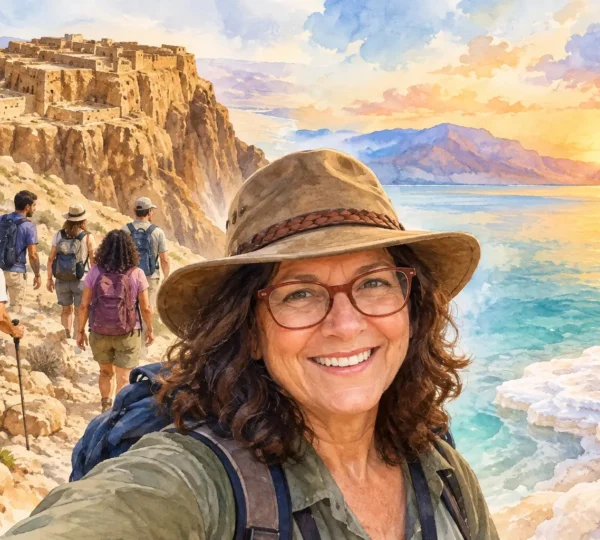
It also helps to think in clusters. Jerusalem and its surroundings can easily fill several days. Tel Aviv and Jaffa deserve more than a quick stop if you care about food, architecture, beaches, or contemporary culture. The Dead Sea and Masada pair naturally, and the north offers a very different rhythm, with green landscapes, mountain scenery, and villages that many standard itineraries skip.
Build around seasons, holidays, and your comfort level
An effective Israel trip planning checklist always includes timing. Israel is a year-round destination, but each season changes the feel of the trip.
Spring is beautiful for hiking, wildflowers, and comfortable temperatures. Fall is also excellent, especially for travelers who want a mix of cities, desert, and outdoor activity. Summer brings long days and lively energy, but some regions can be intensely hot, especially around the Dead Sea and desert areas. Winter can be wonderful for fewer crowds and greener landscapes, though weather varies by region and some days may be rainy or cool.
Beyond weather, think about your own comfort. Do you enjoy bustling markets and festive crowds, or would you rather travel in quieter periods? Are you planning around school vacations or faith-based calendars? Timing can affect not only atmosphere, but hotel availability, driving conditions, and how much you can comfortably do in a day.
Decide where to stay, not just what to see
Travelers often focus heavily on attractions and leave accommodations as a last-minute detail. In Israel, where each region has a distinct personality, where you stay shapes the experience almost as much as where you go.
Jerusalem suits travelers who want depth, history, faith, and easy access to major heritage sites. Tel Aviv & Haifa are ideal if you want urban energy, dining, beach time, nightlife, and a more contemporary feel. Smaller properties in the Galilee, desert, or countryside can create a more intimate and reflective trip, especially if you value scenery and a slower rhythm. Mitzpe Ramon, the most isolated city in Israel offers the peace and serenity of the desert with its incredible geological formations as well as a vibrant artists’ colony.
The trade-off is usually convenience versus atmosphere. Central hotels make logistics easier. Boutique or rural stays or camping/glamping may offer more character and calm, but often require tighter transportation and planning. Neither is better across the board. It depends on what kind of trip you want to wake up to each morning.
Plan transportation with realism
Transportation in Israel is not difficult, but it does require thoughtful planning. If you are confident navigating on your own, some parts of the country are manageable by rental car. But that does not automatically make self-driving the best choice.
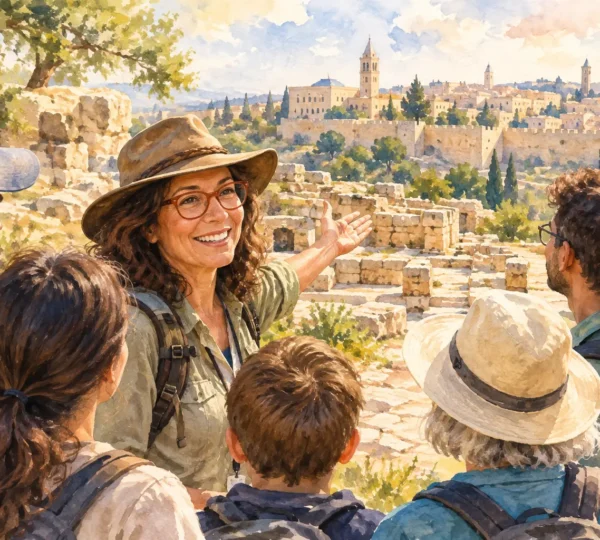
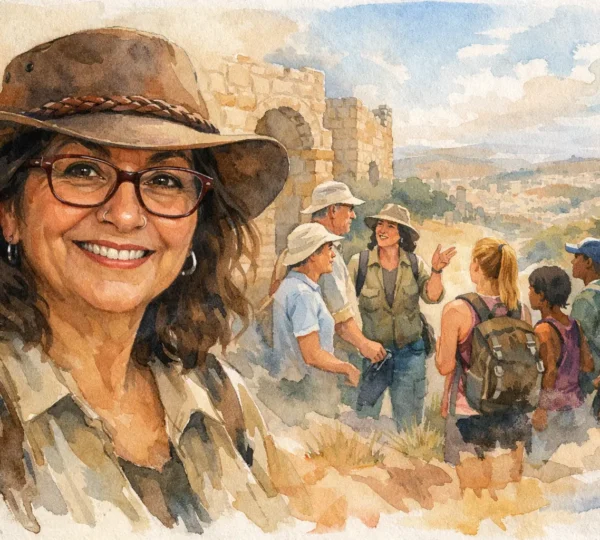
City driving, parking, changing road conditions, and a packed sightseeing schedule can turn a vacation day into a logistics exercise. Travelers who want interpretation, flexibility, and access to places that are easy to miss often get far more value from working with a licensed local guide. That is especially true if your interests go beyond major landmarks and into layered cultural, historical, culinary, or outdoor experiences.
For many visitors, the difference is not just convenience. It is depth. A personalized guided day can connect sites that might otherwise feel disconnected, while also adapting in real time to your pace, energy, and curiosity.
Use an Israel trip planning checklist for what to book early
Some trip elements can wait. Others should be arranged early, especially in busy travel periods.
Flights and accommodations usually come first. After that, think about the experiences that matter most to you. If climbing Masada at sunrise is a priority, or if you want a culinary workshop, private seminar, desert jeep day, or meetings with local people in specific sectors or communities, early planning gives you better options.
This is where customized travel becomes especially valuable. Instead of forcing your interests into a generic route, your days can be built around what genuinely excites you – whether that means archaeology, family history, architecture, faith-based sites, market tastings, desert hikes, mosaic making, or conversations with people from different walks of life.
Pack for variety, not fantasy
Packing for Israel is easier when you accept one basic truth: you may move through very different environments in one trip. Sacred spaces, city streets, beaches, mountain viewpoints, and desert trails do not call for exactly the same wardrobe.
Comfortable walking shoes are non-negotiable. Modest clothing for certain religious sites is worth having ready, even if that is not the main focus of your trip. Sun protection matters much of the year. Layers are useful because mornings, evenings, air-conditioned interiors, and regional climates can differ much more than people expect.
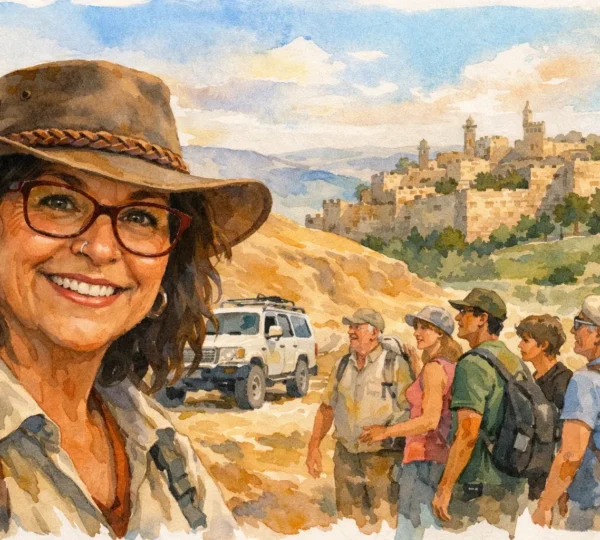
If your itinerary includes hiking, off-roading, water activities, or long days outdoors, pack for those intentionally. Travelers often underestimate how active an Israel trip can be. The best days are usually the ones where you are fully prepared and not trying to make city sandals work on a desert path.
Leave space for deeper experiences
A checklist should keep you organized, not overbooked. Israel rewards curiosity. Some of the most memorable moments are not the headline landmarks, but the experiences around them – a tasting in a small winery, a bakery visit, a conversation in a village, a scenic overlook at the right hour, a workshop with local artisans, or an afternoon that goes off-script because something more interesting appears.
This is especially true for travelers who want more than a standard sightseeing trip. A meaningful itinerary can include meetings with academics, farmers, artists, clergy, culinary experts, or people from diverse cultural and religious communities. It can include foraging, sailing, camel riding, hiking, or a private deep dive into a site you thought you already understood.
That is often where a trip becomes yours rather than just a version of someone else’s.
Know when expert help makes the trip better
There is a difference between assembling a trip and shaping one. A well-informed local expert can help you avoid wasted time, choose the right regional balance, and match each day to your interests, energy level, and travel style.
For visitors who want a personalized experience, that guidance can turn a good trip into a far more memorable one. Patchwork Israel is built around exactly that kind of travel – thoughtful, customized, and grounded in decades of on-the-ground knowledge, with room for both iconic places and hidden gems.
The strongest checklist is not the longest one. It is the one that helps you arrive prepared, curious, and open to the many layers of this country. Plan carefully, yes, but leave enough space for surprise. That is often where Israel feels most real.

Israel Trip Planning Checklist That Works
You can tell a lot about an Israel trip before it begins by one simple detail – whether the plan leaves room to breathe. An Israel trip planning checklist should do more than help you remember passports and hotel bookings. It should help you shape a visit that feels personal, well-paced, and rich with the kinds of places and encounters you will still be talking about long after you return home.
Israel is small on the map and dense in experience. In a single trip, you might stand in Jerusalem’s old stone streets, float in the Dead Sea, taste your way through a market in Tel Aviv or Jaffa, ski down the Hermon Mountain, hike in desert silence, and share a meal or conversation that changes how you understand the country. That variety is exactly why planning matters. The question is not only what to see, but how to combine the right places, pace, and experiences for you.
Start your Israel trip planning checklist with the real purpose
Before dates, flights, or hotel categories, get clear on the kind of trip you actually want. This sounds obvious, but many travelers skip it and end up with an itinerary that is technically full and emotionally flat.
Some visitors come for heritage and sacred sites. Some want archaeology, food, and architecture. Others want desert landscapes, 4×4 adventures, hiking, floating down a frigid river in an inner-tube, family connection, or a deeper introduction to Israel’s many communities and traditions. The target group is broad – people of all faiths and non-religious travelers can all find meaningful ways to experience the country here – but no single route fits everyone.
If you have been to Israel before, this matters even more. A return visit does not have to repeat the familiar highlights. It can go deeper, with hidden gems, smaller communities, local hosts, workshops, nature-based experiences, and more focused encounters shaped around your interests.
Choose the right trip length and pace
One of the biggest planning mistakes is assuming that because Israel is geographically compact, it should be rushed. Distances may be short compared with the US, but travel days still take energy, especially when you are moving between different regions and experiences.
A first-time visit often works best at seven to ten days if you want a solid introduction without feeling as if you are constantly checking your watch. If you want a slower, more layered experience, ten to fourteen days allows for both iconic sites and less expected moments. Families usually benefit from a gentler pace, while active travelers may be happy to include hiking or off-road days between city visits.
It also helps to think in clusters. Jerusalem and its surroundings can easily fill several days. Tel Aviv and Jaffa deserve more than a quick stop if you care about food, architecture, beaches, or contemporary culture. The Dead Sea and Masada pair naturally, and the north offers a very different rhythm, with green landscapes, mountain scenery, and villages that many standard itineraries skip.
Build around seasons, holidays, and your comfort level
An effective Israel trip planning checklist always includes timing. Israel is a year-round destination, but each season changes the feel of the trip.
Spring is beautiful for hiking, wildflowers, and comfortable temperatures. Fall is also excellent, especially for travelers who want a mix of cities, desert, and outdoor activity. Summer brings long days and lively energy, but some regions can be intensely hot, especially around the Dead Sea and desert areas. Winter can be wonderful for fewer crowds and greener landscapes, though weather varies by region and some days may be rainy or cool.
Beyond weather, think about your own comfort. Do you enjoy bustling markets and festive crowds, or would you rather travel in quieter periods? Are you planning around school vacations or faith-based calendars? Timing can affect not only atmosphere, but hotel availability, driving conditions, and how much you can comfortably do in a day.
Decide where to stay, not just what to see
Travelers often focus heavily on attractions and leave accommodations as a last-minute detail. In Israel, where each region has a distinct personality, where you stay shapes the experience almost as much as where you go.
Jerusalem suits travelers who want depth, history, faith, and easy access to major heritage sites. Tel Aviv & Haifa are ideal if you want urban energy, dining, beach time, nightlife, and a more contemporary feel. Smaller properties in the Galilee, desert, or countryside can create a more intimate and reflective trip, especially if you value scenery and a slower rhythm. Mitzpe Ramon, the most isolated city in Israel offers the peace and serenity of the desert with its incredible geological formations as well as a vibrant artists’ colony.
The trade-off is usually convenience versus atmosphere. Central hotels make logistics easier. Boutique or rural stays or camping/glamping may offer more character and calm, but often require tighter transportation and planning. Neither is better across the board. It depends on what kind of trip you want to wake up to each morning.
Plan transportation with realism
Transportation in Israel is not difficult, but it does require thoughtful planning. If you are confident navigating on your own, some parts of the country are manageable by rental car. But that does not automatically make self-driving the best choice.
City driving, parking, changing road conditions, and a packed sightseeing schedule can turn a vacation day into a logistics exercise. Travelers who want interpretation, flexibility, and access to places that are easy to miss often get far more value from working with a licensed local guide. That is especially true if your interests go beyond major landmarks and into layered cultural, historical, culinary, or outdoor experiences.
For many visitors, the difference is not just convenience. It is depth. A personalized guided day can connect sites that might otherwise feel disconnected, while also adapting in real time to your pace, energy, and curiosity.
Use an Israel trip planning checklist for what to book early
Some trip elements can wait. Others should be arranged early, especially in busy travel periods.
Flights and accommodations usually come first. After that, think about the experiences that matter most to you. If climbing Masada at sunrise is a priority, or if you want a culinary workshop, private seminar, desert jeep day, or meetings with local people in specific sectors or communities, early planning gives you better options.
This is where customized travel becomes especially valuable. Instead of forcing your interests into a generic route, your days can be built around what genuinely excites you – whether that means archaeology, family history, architecture, faith-based sites, market tastings, desert hikes, mosaic making, or conversations with people from different walks of life.
Pack for variety, not fantasy
Packing for Israel is easier when you accept one basic truth: you may move through very different environments in one trip. Sacred spaces, city streets, beaches, mountain viewpoints, and desert trails do not call for exactly the same wardrobe.
Comfortable walking shoes are non-negotiable. Modest clothing for certain religious sites is worth having ready, even if that is not the main focus of your trip. Sun protection matters much of the year. Layers are useful because mornings, evenings, air-conditioned interiors, and regional climates can differ much more than people expect.
If your itinerary includes hiking, off-roading, water activities, or long days outdoors, pack for those intentionally. Travelers often underestimate how active an Israel trip can be. The best days are usually the ones where you are fully prepared and not trying to make city sandals work on a desert path.
Leave space for deeper experiences
A checklist should keep you organized, not overbooked. Israel rewards curiosity. Some of the most memorable moments are not the headline landmarks, but the experiences around them – a tasting in a small winery, a bakery visit, a conversation in a village, a scenic overlook at the right hour, a workshop with local artisans, or an afternoon that goes off-script because something more interesting appears.
This is especially true for travelers who want more than a standard sightseeing trip. A meaningful itinerary can include meetings with academics, farmers, artists, clergy, culinary experts, or people from diverse cultural and religious communities. It can include foraging, sailing, camel riding, hiking, or a private deep dive into a site you thought you already understood.
That is often where a trip becomes yours rather than just a version of someone else’s.
Know when expert help makes the trip better
There is a difference between assembling a trip and shaping one. A well-informed local expert can help you avoid wasted time, choose the right regional balance, and match each day to your interests, energy level, and travel style.
For visitors who want a personalized experience, that guidance can turn a good trip into a far more memorable one. Patchwork Israel is built around exactly that kind of travel – thoughtful, customized, and grounded in decades of on-the-ground knowledge, with room for both iconic places and hidden gems.
The strongest checklist is not the longest one. It is the one that helps you arrive prepared, curious, and open to the many layers of this country. Plan carefully, yes, but leave enough space for surprise. That is often where Israel feels most real.

Get the latest blog updates in your inbox.